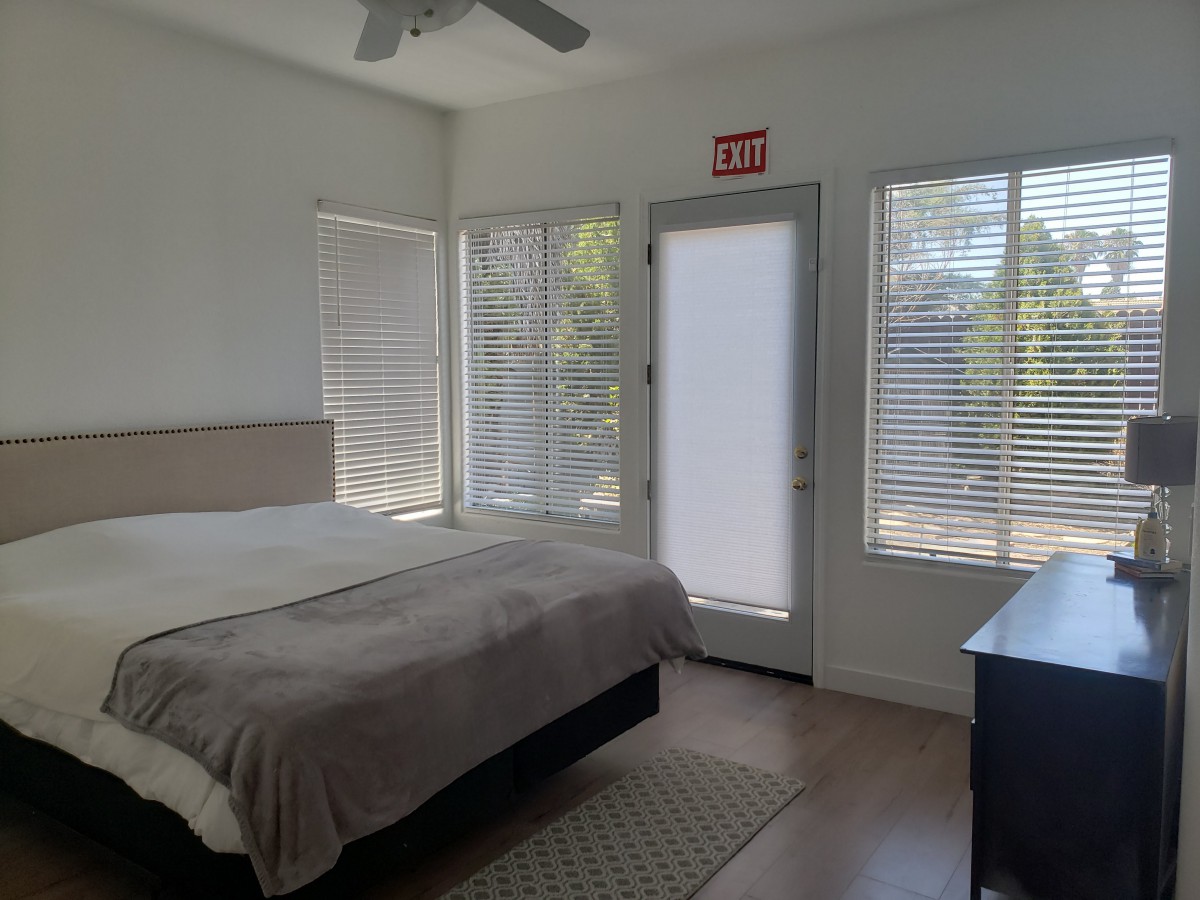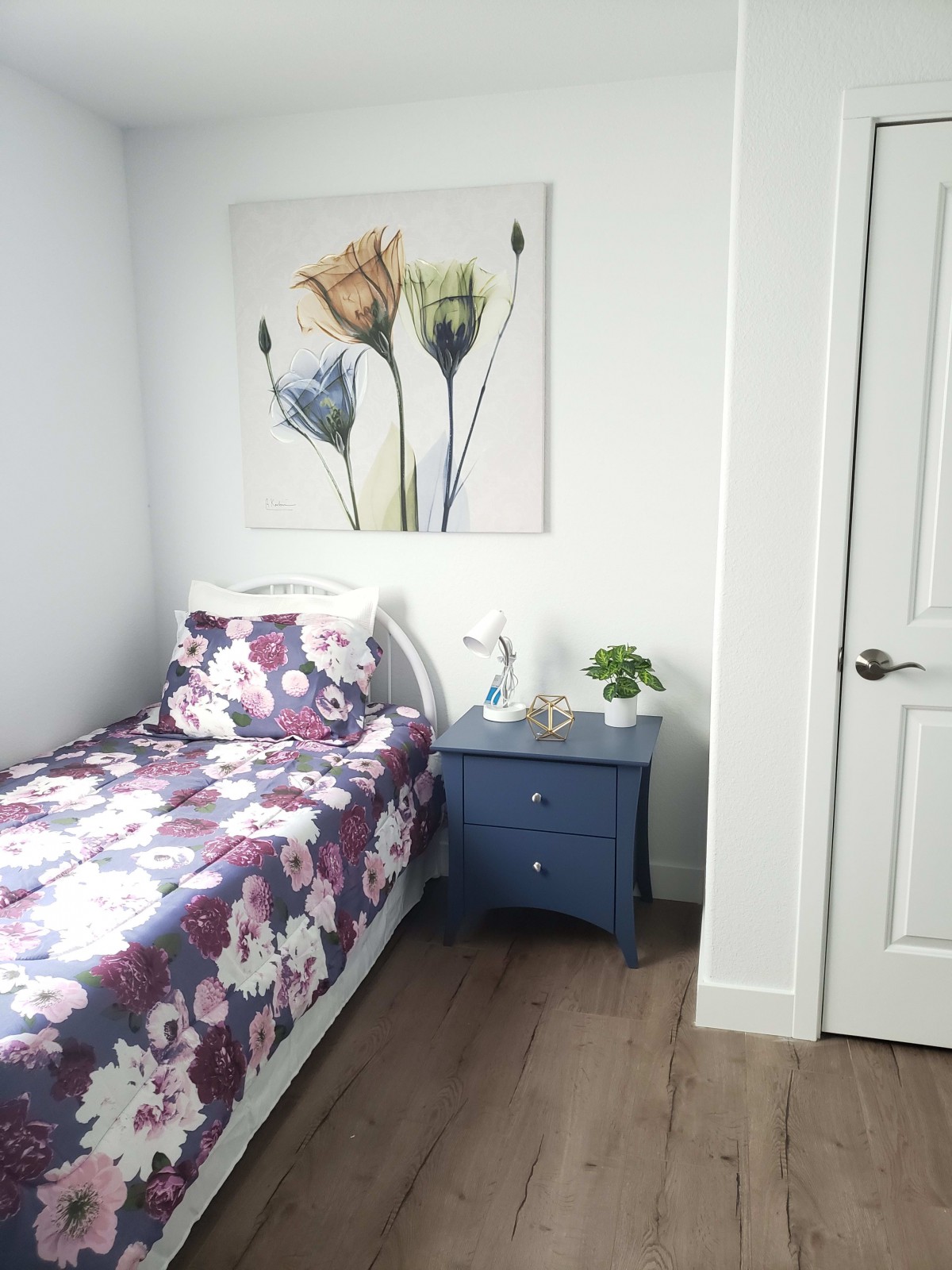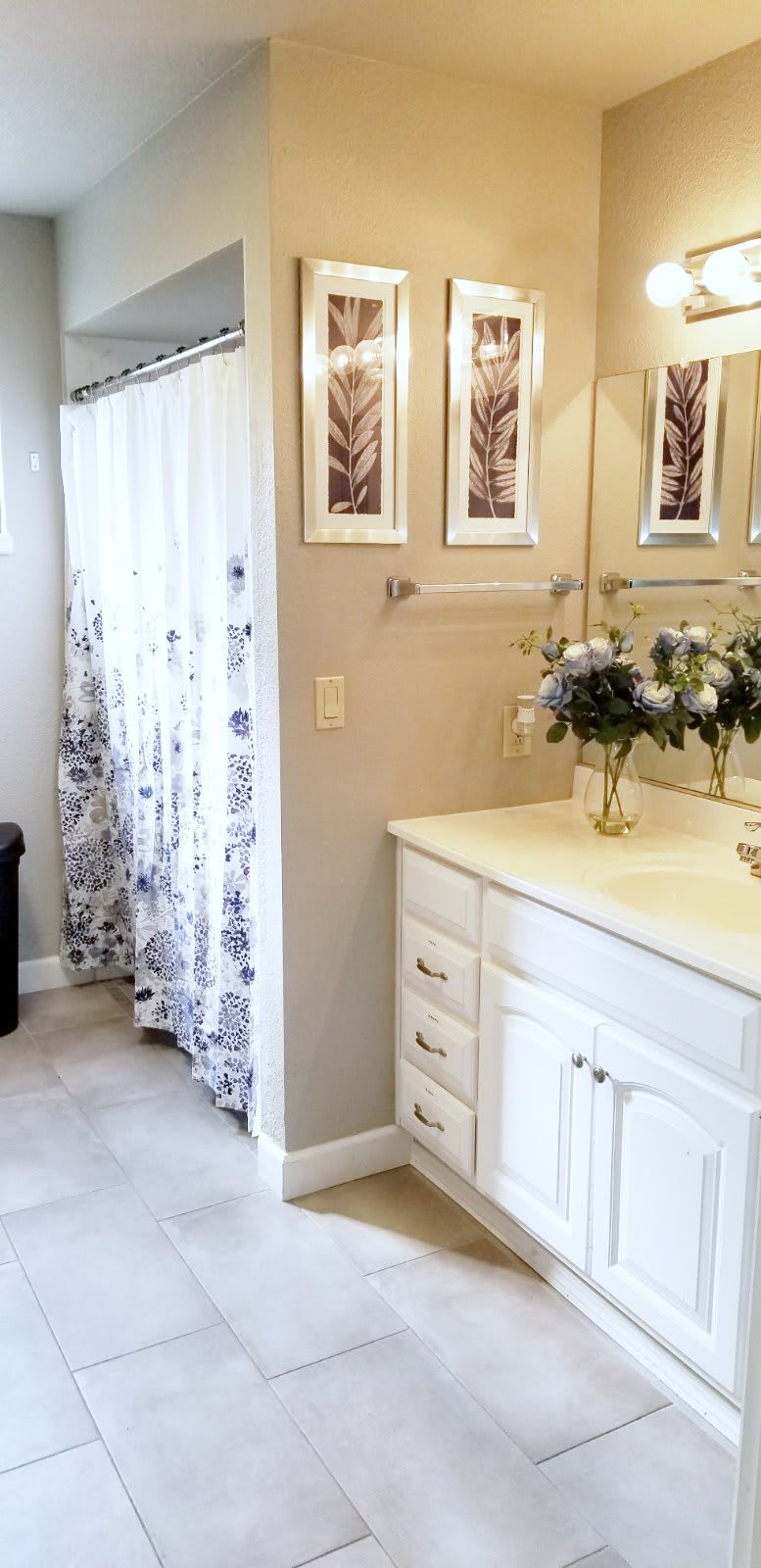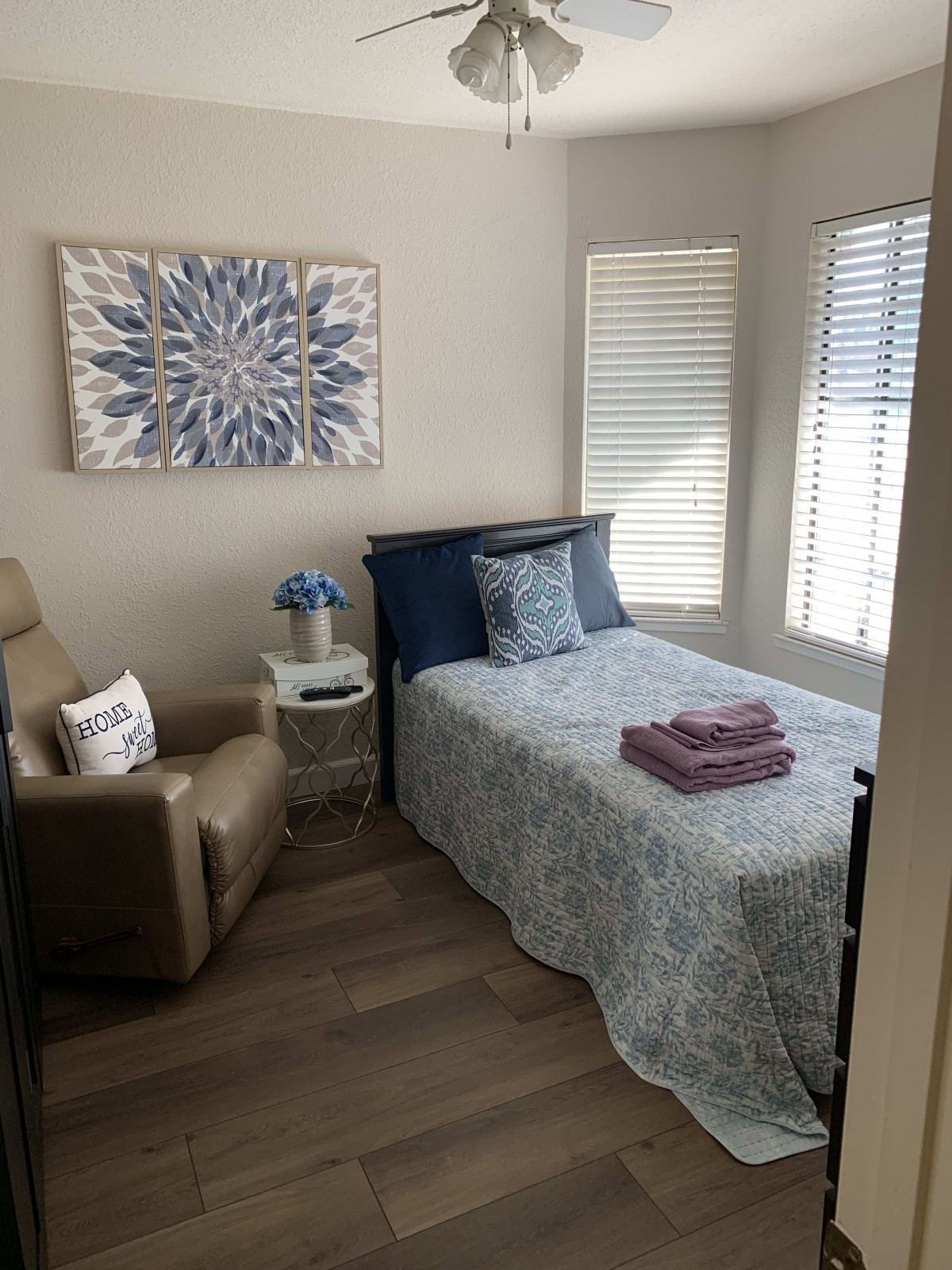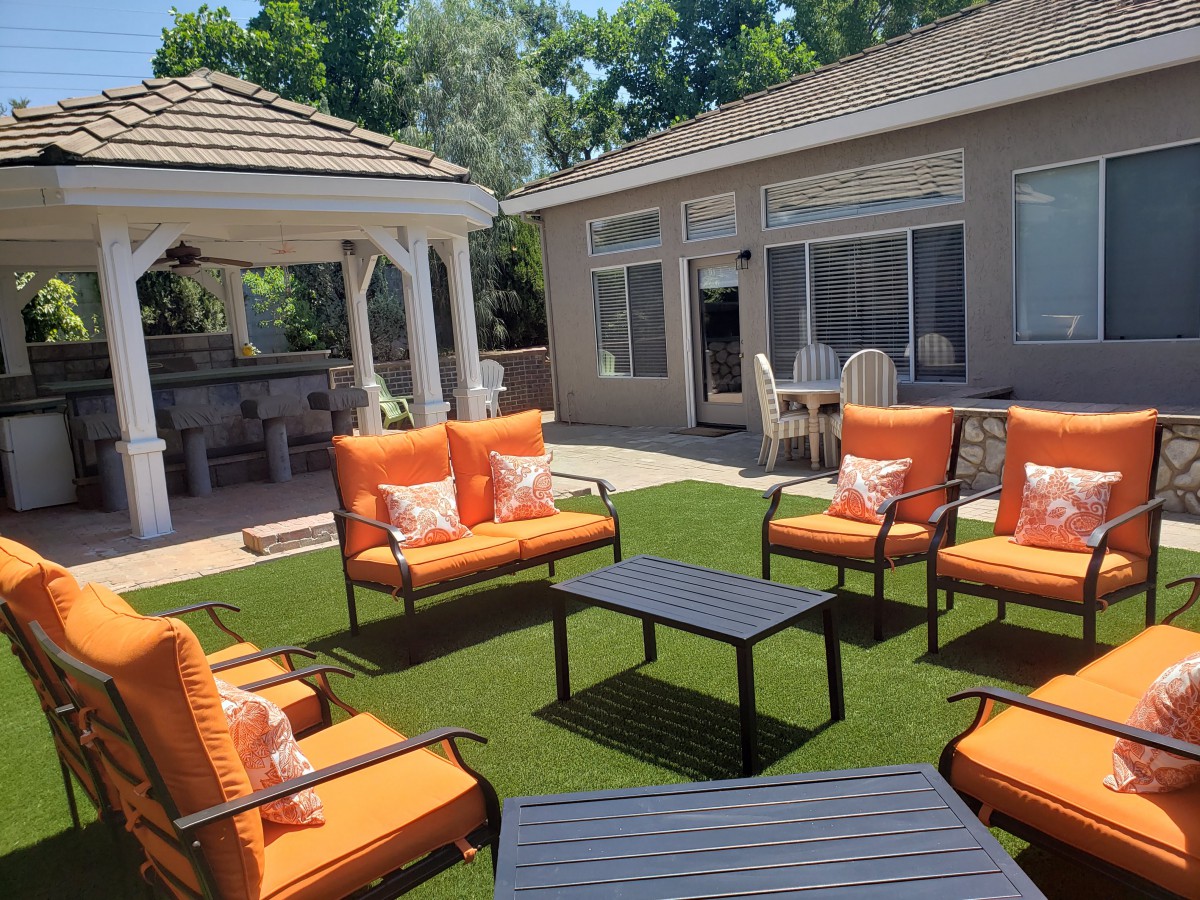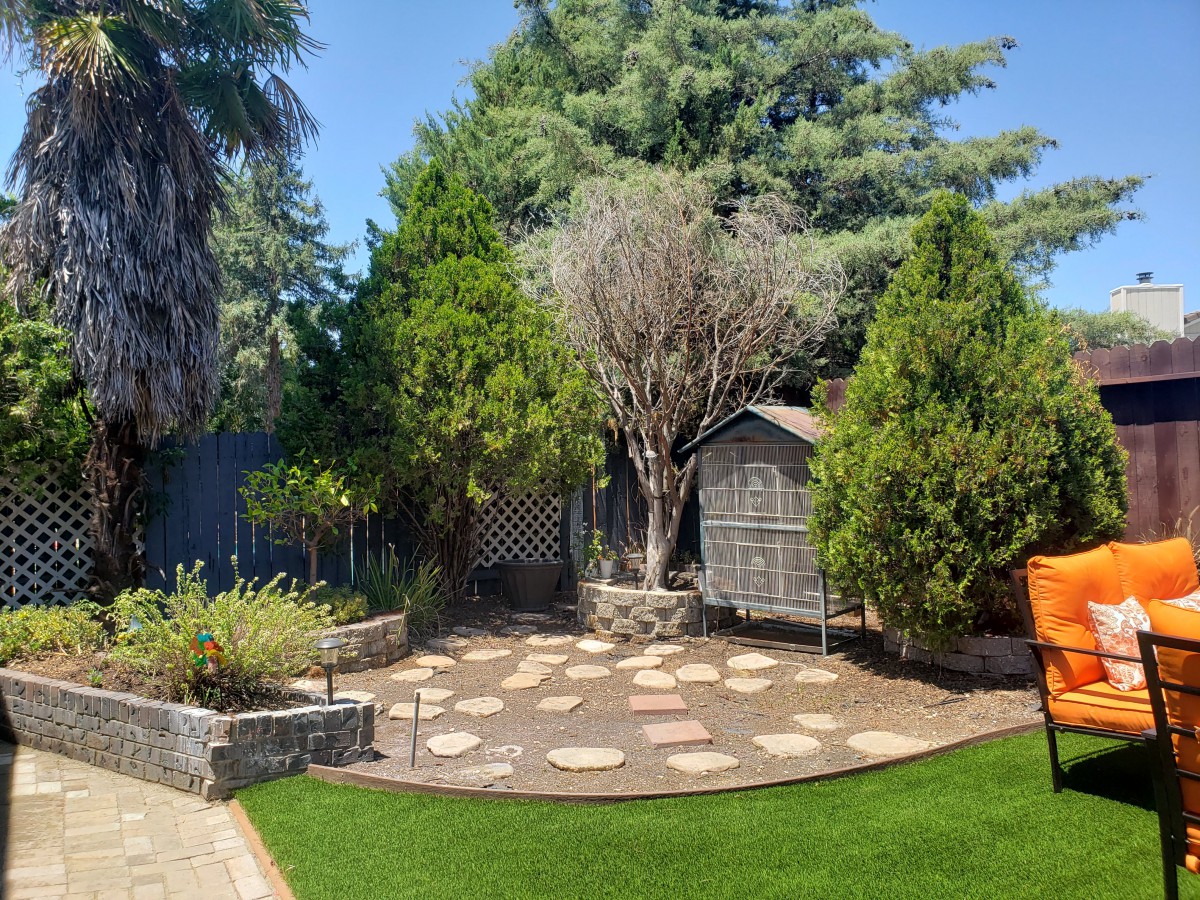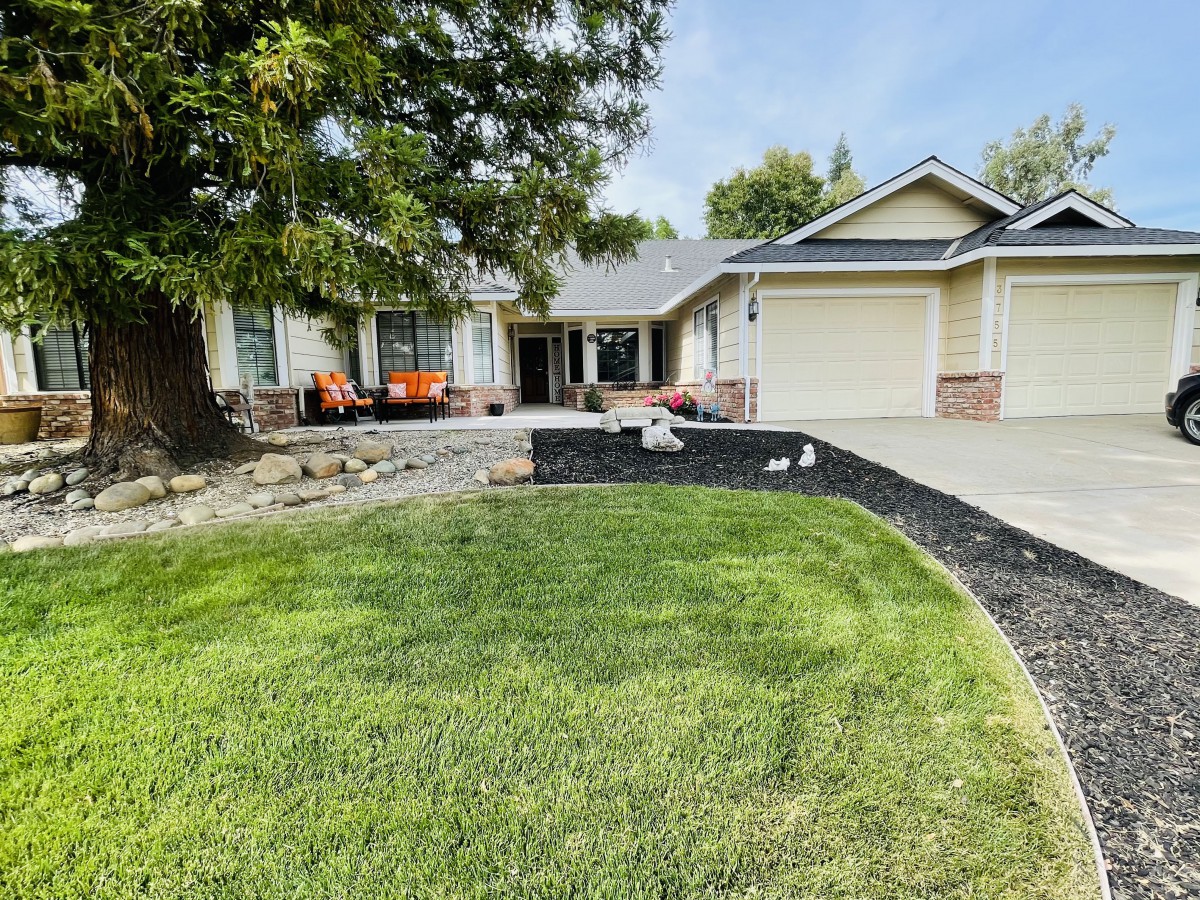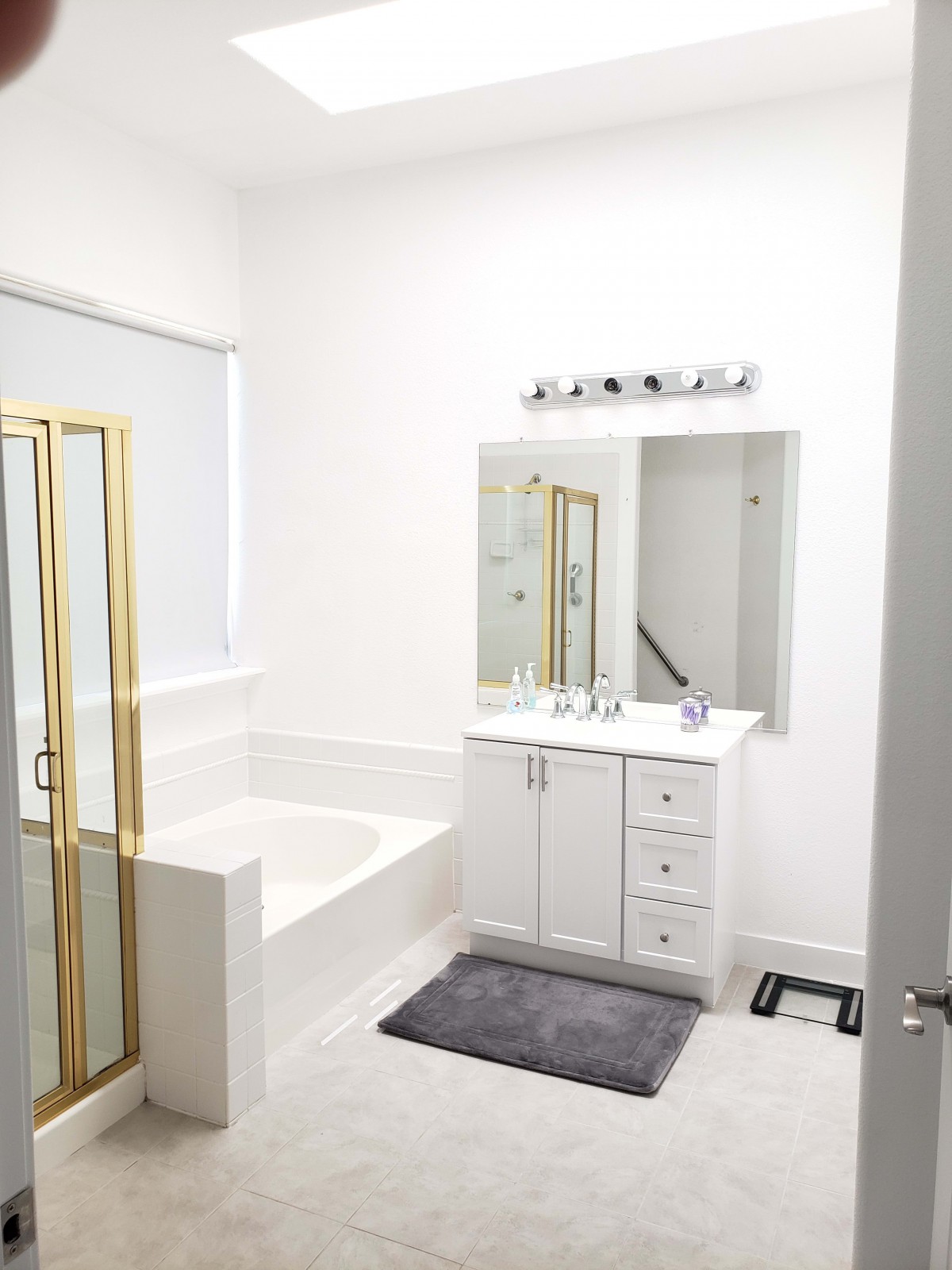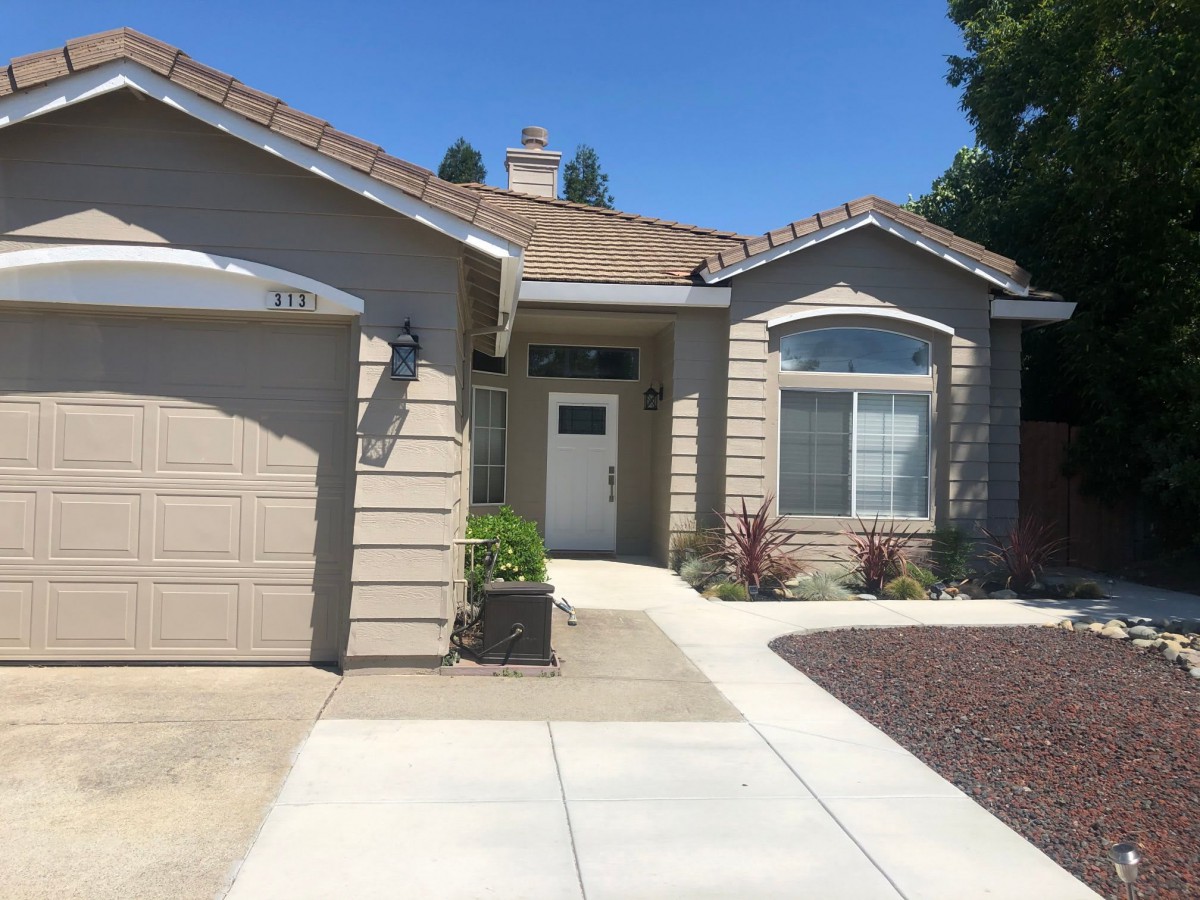
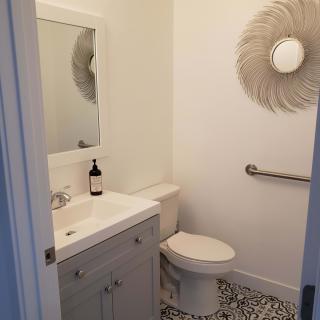
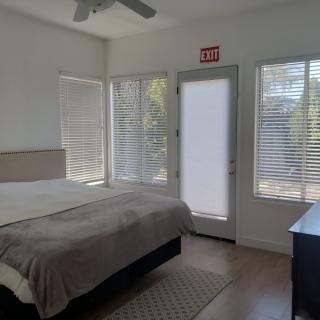
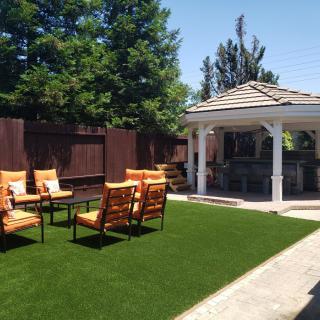
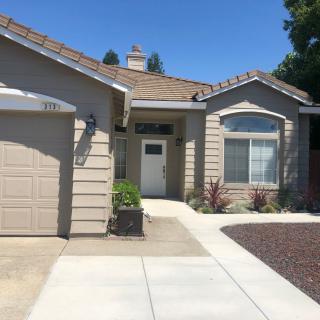
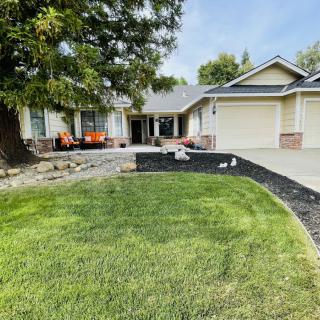
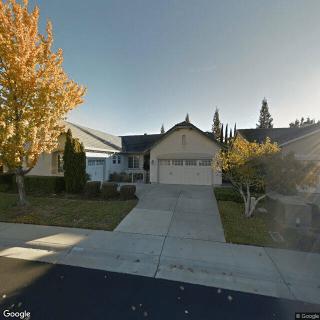
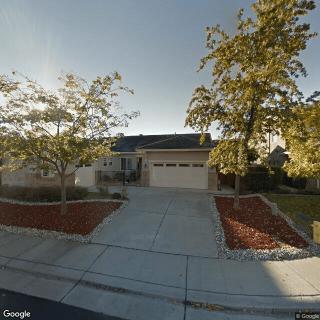
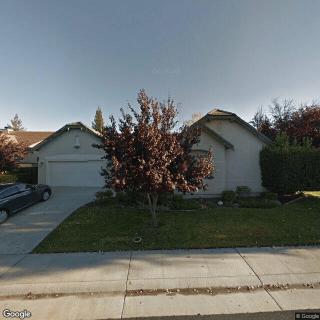
313 Wordsworth Ct., Roseville, CA 95747
For more information about senior living options: (866) 208-4318
Bridgeway Senior Care Costs & Pricing
Bridgeway Senior Care offers a private room at a monthly rate of $5,500, which stands out when compared to the average costs in Placer County and throughout California. In Placer County, the typical cost for similar accommodations is approximately $4,026, while the state-wide average sits around $3,939. This suggests that Bridgeway Senior Care positions itself as a premium option within the local market, emphasizing quality care and amenities that may justify the higher price point. Prospective residents and their families might consider this investment in light of the personalized services and supportive environment provided by Bridgeway Senior Care.
| Floor plans | Bridgeway Senior Care | Placer County | California |
|---|---|---|---|
| Private | $5,500 | $4,026 | $3,939 |
Assisted Living communities with a similar price nearby
-
from -$1000 / mo
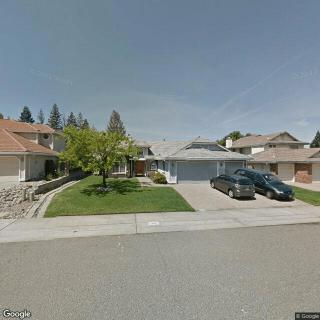
Montclair Villa
$4,500 / month6.5 miles away -
from -$500 / mo
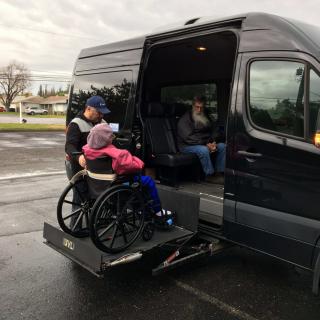
Bethesda Senior Care
$5,000 / month9.1 miles away -
from -$500 / mo
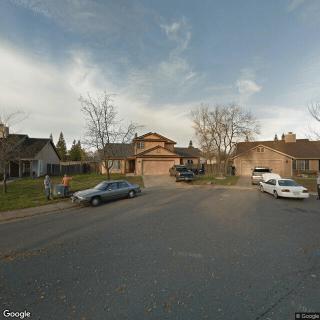
Friendly Care Home II
$5,000 / month8.7 miles away -
from -$1000 / mo
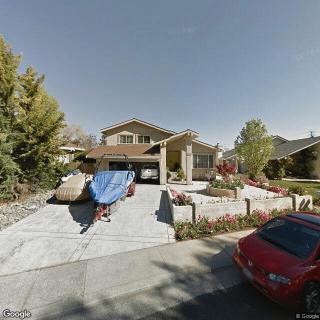
Sunriver Senior Care
$4,500 / month10.7 miles away -
from -$500 / mo
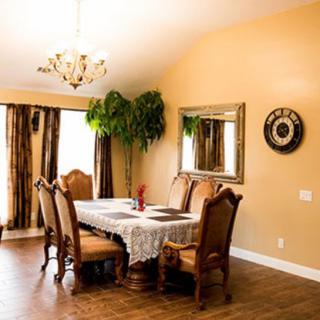
The Oaks at Garfield
$5,000 / month10.1 miles away
Overall Review of Bridgeway Senior Care
Pros
 Bridgeway Senior Care staff are wonderful with residents, offering compassionate care and support.
- The care at Bridgeway brings laughter, fun, and kindness to residents and their families.
- Bridgeway feels like a home rather than just a care facility, with a clean, inviting environment.
- The staff are welcoming, well organized, and communicate clearly with families about residents’ needs.
- They tailor care to individuals, including nail care, haircuts, and outside time, and provide home-cooked meals.
- Residents enjoy engaging activities, and families can participate to stay connected.
- The owner and team deliver outstanding, professional care with warmth and attentiveness.
- The facilities are modern and safe, giving families confidence in their loved ones’ stay.
Cons
 The reviewer notes that the mother's dementia was too much for Bridgeway to handle.
Review
Bridgeway Senior Care in Roseville is best suited for seniors living with dementia who still respond well to a warm, home-like setting, and for families that want proactive, hands-on care backed by strong medical coordination. The community stands out for its staff who become familiar with each resident, the sense of “home” delivered by attentive caregivers, and the combination of meaningful daily activities with reliable, physician-level oversight. The owner–nurse dynamic ensures medication management and medical planning feel seamless, while the environment remains clean, cheerful, and welcoming to both residents and visitors. For families seeking a nurturing atmosphere where daily life resembles a caring home more than a hospital, Bridgeway delivers consistently.
Those who may want to consider alternatives include residents with very high medical acuity or rapidly escalating dementia behaviors that demand more intensive, hospital-like nursing resources or a dedicated memory-care unit with specialized clinical supports. If a community must provide 24/7 on-site intensive medical supervision, highly specialized behavioral interventions, or a more clinical, less residential ambiance, Bridgeway may not be the best fit. Similarly, families prioritizing a facility with a large, structured memory-care footprint or one that offers a broader range of clinical subspecialties might prefer a different model of care.
The strongest pros at Bridgeway offset most practical concerns. The staff’s warmth and consistency translate into dependable daily care, cleanliness, nutritious, home-cooked meals, and careful attention to individual preferences and routines. Residents are kept active through supervised outings, gardening, and a variety of in-house activities that feel purposeful rather than merely distracting. Communication with families is clear and regular, and the staff makes an effort to integrate medical needs into everyday life rather than treating care as a checklist. The owner’s nursing background shines in coordinating doctor appointments, medication management, and therapy sessions, which considerably lightens the caregiving load for families and reduces the friction of medical logistics.
There is, however, a clear caveat tied to dementia severity. In at least one account, dementia progressed beyond the community’s capacity to manage its most challenging symptoms. This does not imply a systemic shortfall, but it does signal that Bridgeway operates best for residents whose dementia remains within a range that supports daily routines, consistent caregiver engagement, and steady medical oversight. For families facing advanced, highly complicated disease trajectories, or for those requiring frequent, intensive behavioral interventions, this may point toward exploring facilities with more expansive clinical programs or specialized memory-care units.
When weighing Bridgeway’s strengths against this caution, the decision becomes practical rather than hypothetical. The homey atmosphere, active engagement, and coordinated medical care create a high quality of life with meaningful daily purpose, while the open-door policy for visitors and the emphasis on family involvement reduce isolation and anxiety for loved ones. The integrated approach to healthcare, timely doctor communication, medication management, and accessible support for appointments, provides a strong, reassuring continuum of care that many families find decisive in choosing Bridgeway.
For families considering Bridgeway, a disciplined visit plan is essential. Request a tour that includes a realistic snapshot of daily schedules, meal planning, and activities, and ask how care plans adapt as dementia evolves. Inquire about staff-to-resident ratios, availability of on-site nursing, and the process for coordinating with external providers. Speak with current families about what “home” feels like in practice, and observe how caregivers respond to moments of need or agitation. Confirm whether the facility can accommodate the resident’s specific dietary, mobility, and medical requirements, and whether they offer outside-time options that match the family’s preferred engagement level. With clear expectations and direct conversations, Bridgeway emerges as a compelling choice for those seeking compassionate, connected, and medically coordinated dementia care in a residential setting.
 6 resident community capacity
 Assisted Living
 Board and Care Home
 Dogs allowed
 Activities on-site
 Air-conditioning
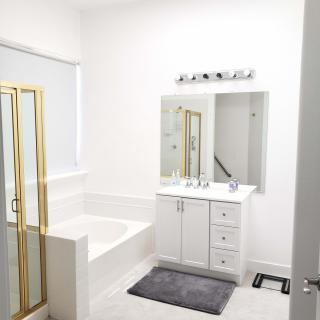
 Bath tubs
 Cable or satellite TV
 Devotional services on-site
 Dining room
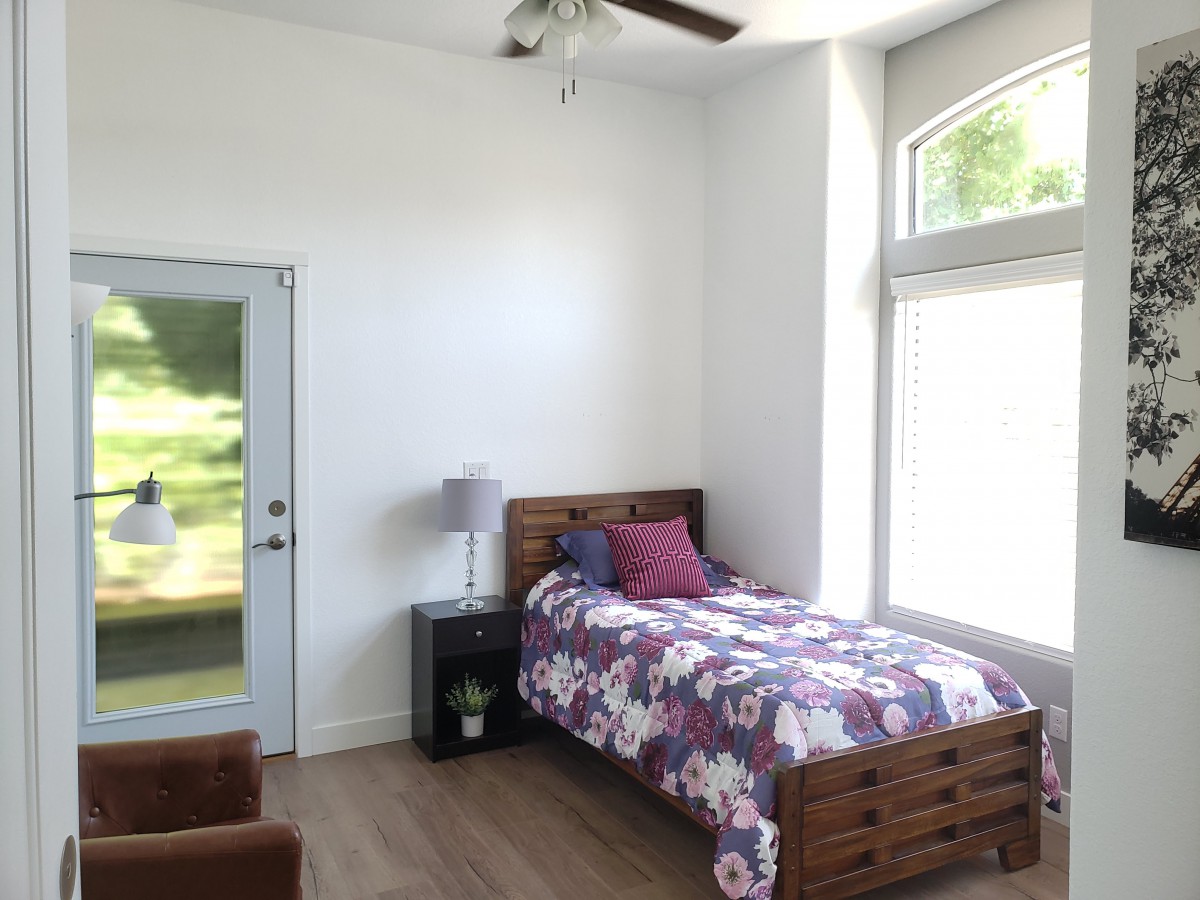
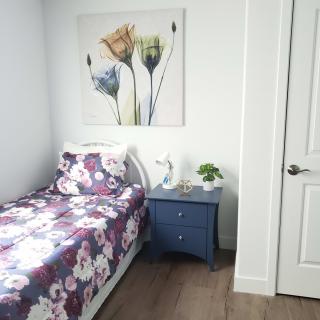
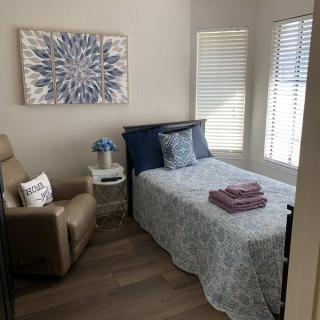
 Fully furnished
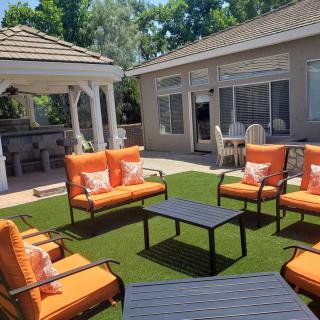
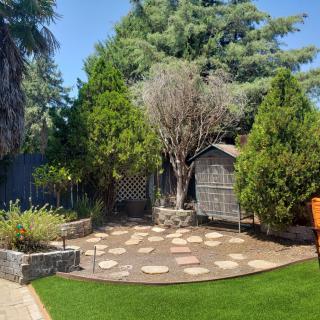
 Garden
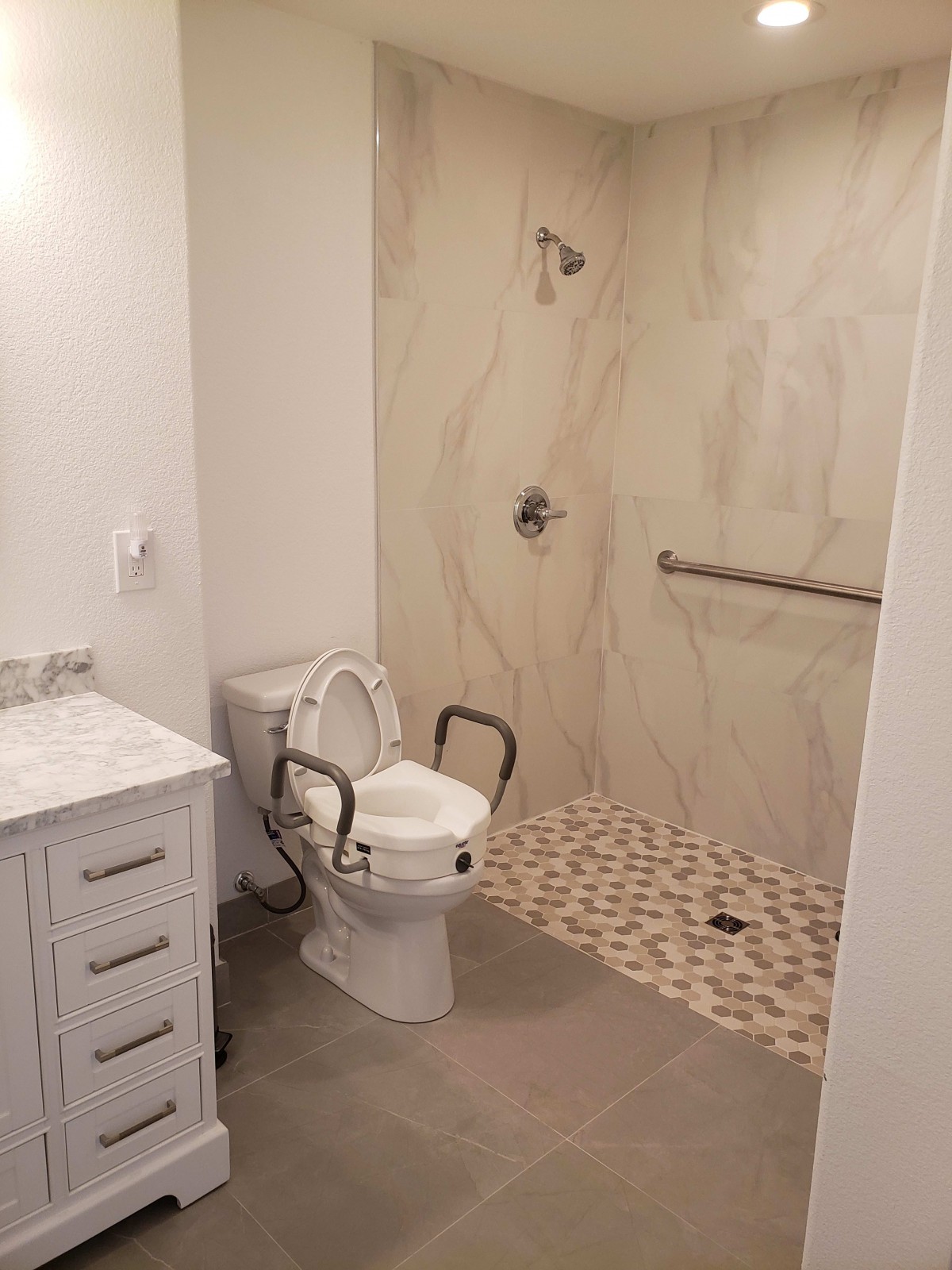
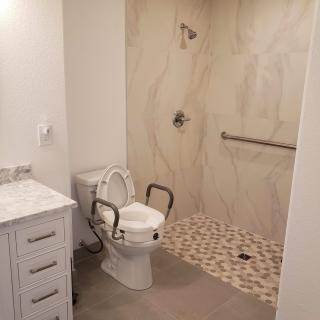
 Handicap accessible
 Housekeeping services
 Indoor common areas
 Move-in coordination
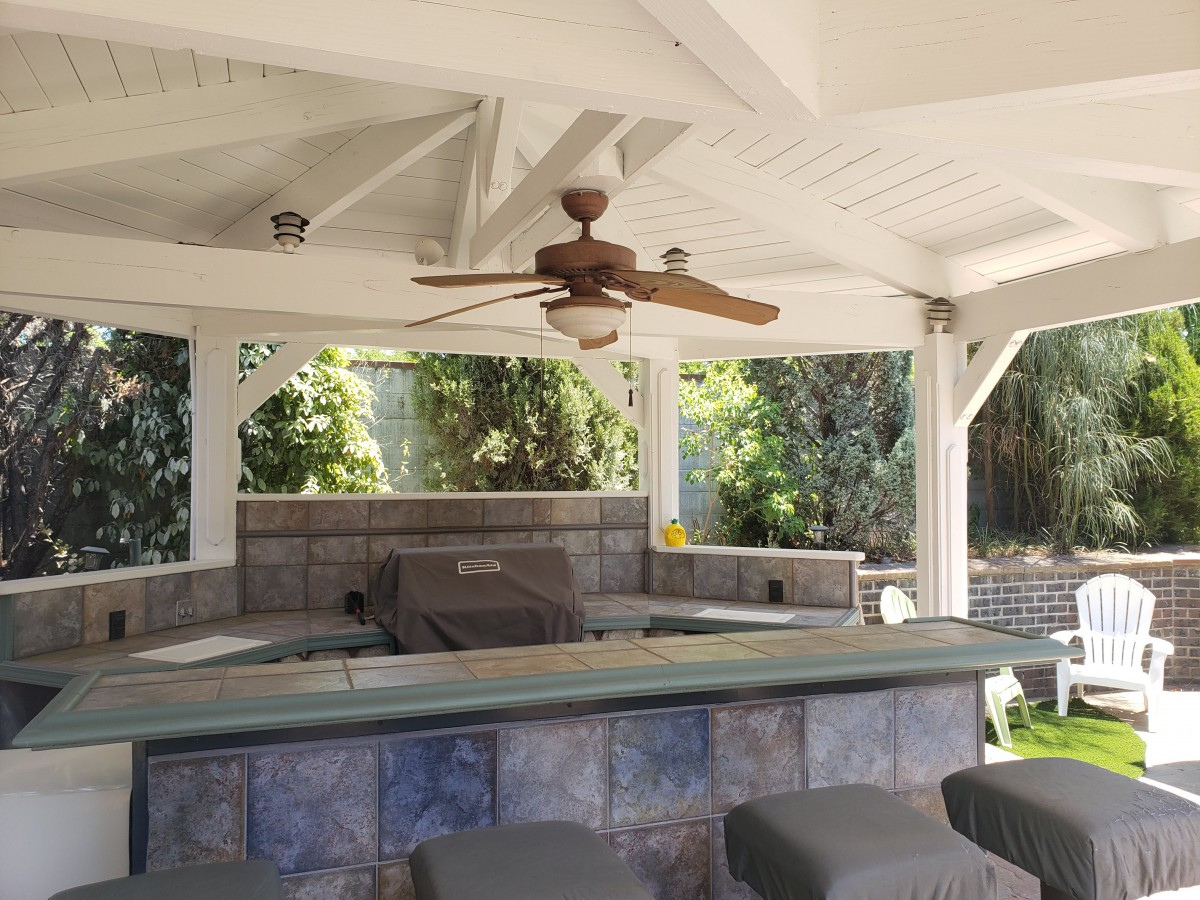
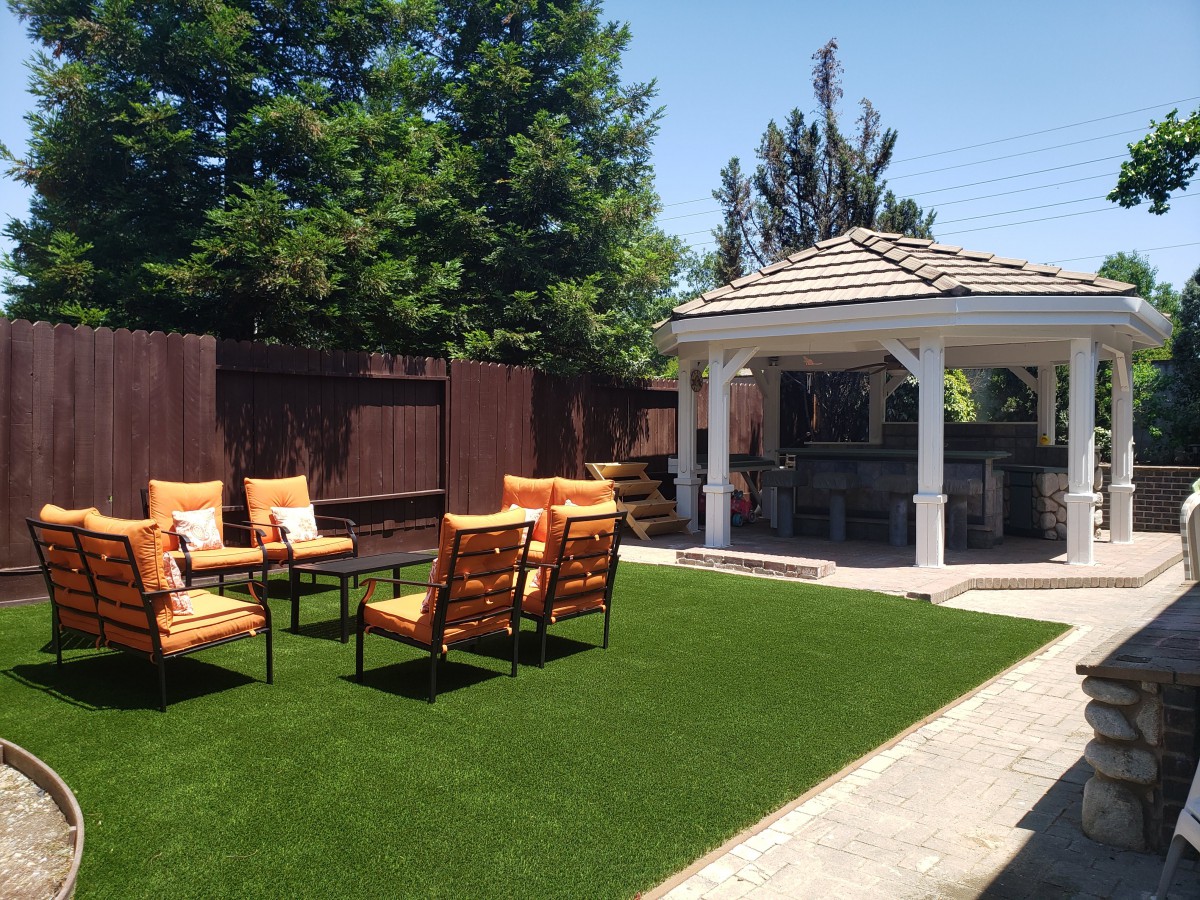
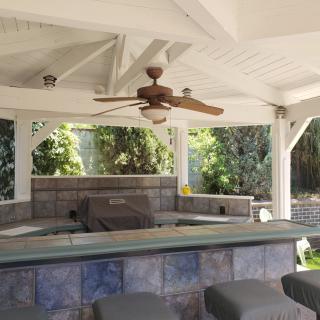
 Outdoor common areas
 Private
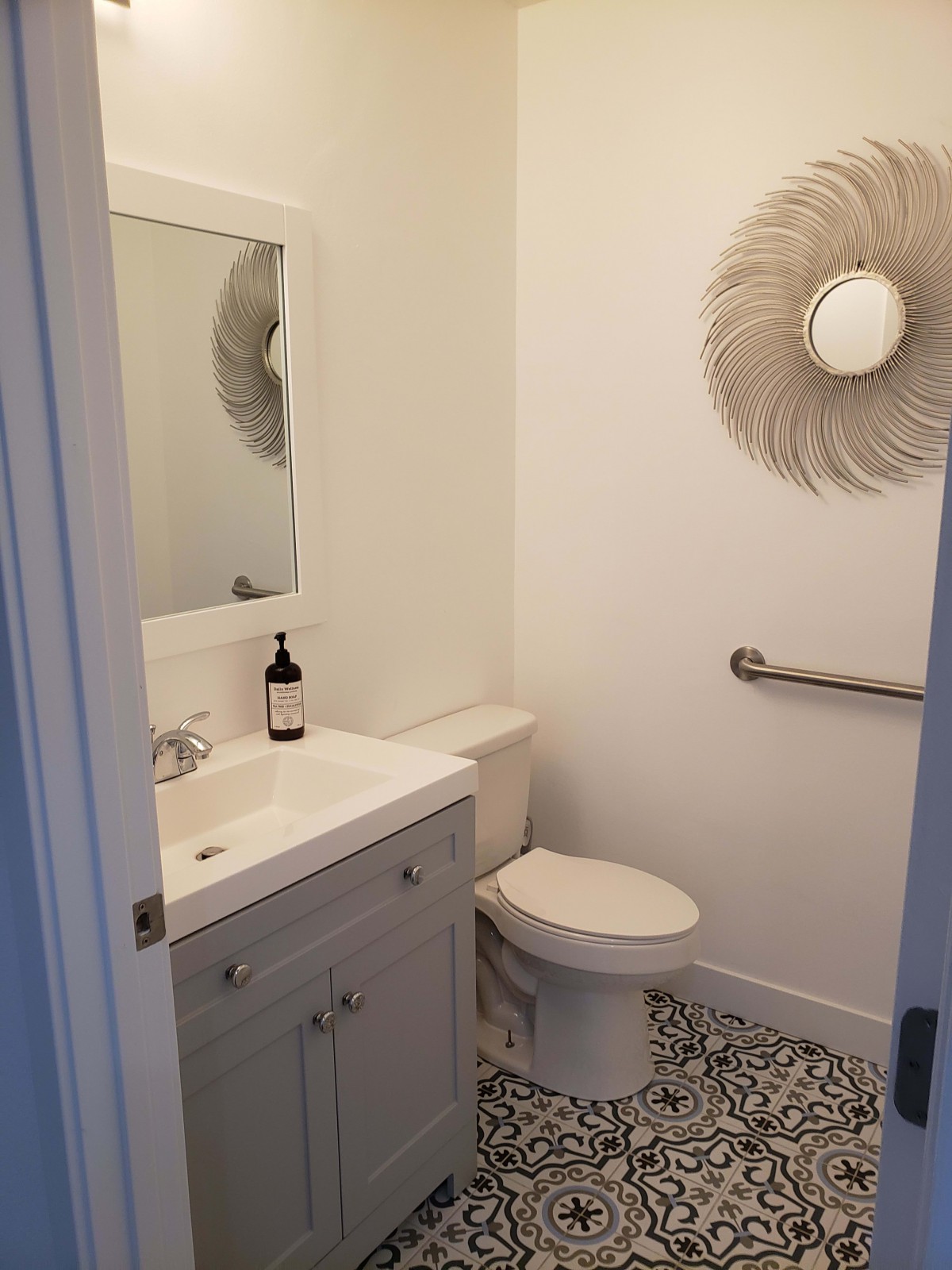
 Private bathrooms
 Respite or short term stays offered
 Telephone
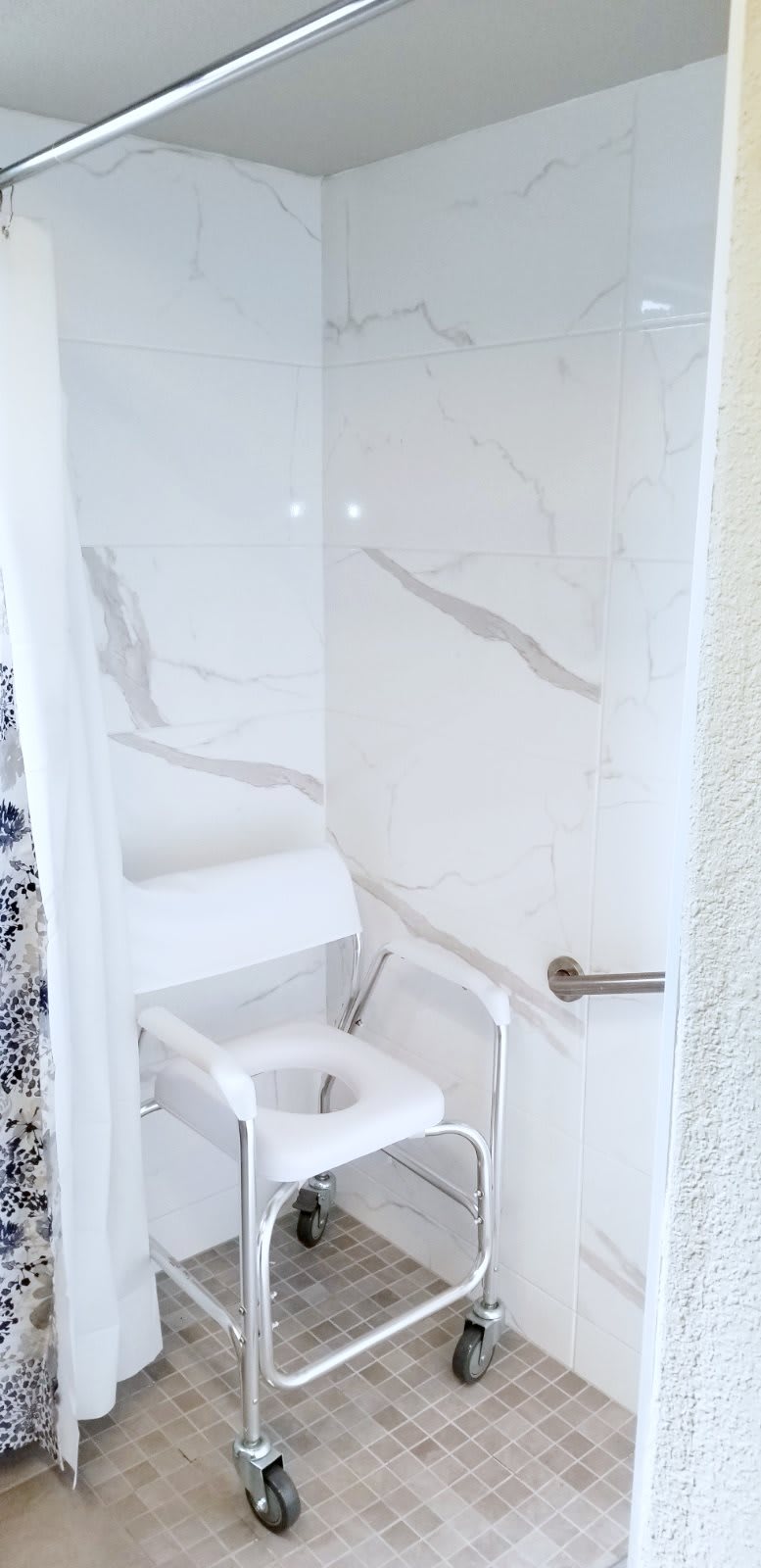
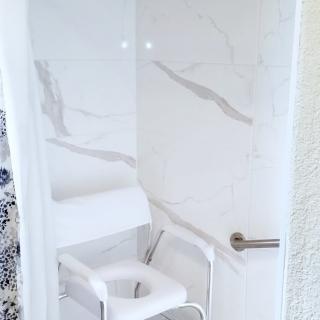
 Wheelchair accessible showers
 Wi-Fi/high-speed internet available
 Sacramento International (15 miles away)
 24-hour supervision
 Assistance with bathing
 Assistance with dressing
 Assistance with transfers
 Diabetes diet
 Diabetic care
 High acuity care
 Incontinence care
 Meal preparation and service
 Medication management
 Special dietary restrictions
 Transportation arrangement (medical)
 Transportation to doctors appointments
 BBQs or picnics
 Birthday parties
 Live dance or theater performances
 Live musical performances
 Stretching classes
 Trivia games
 Wii bowling

 How and When Medicaid May Cover Assisted Living Costs
 A Detailed Exploration of Assisted Living Medicaid Waivers Across the United States
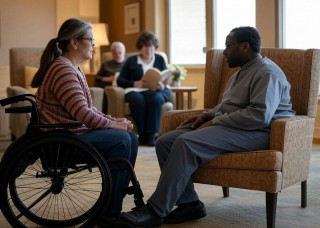 Comprehensive Residential Support and Assisted Living Solutions for Individuals with Disabilities