
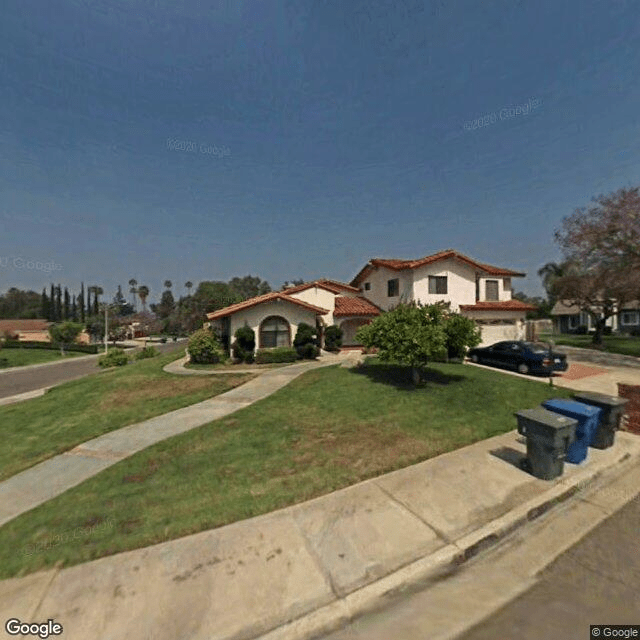
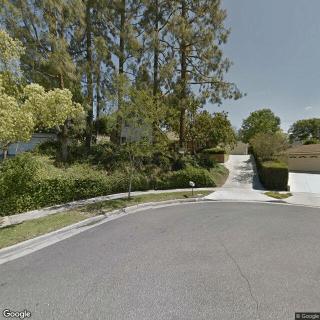
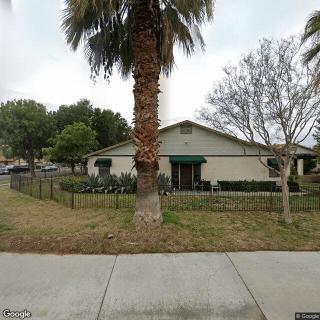
5873 Bud Ct., Riverside, CA 92506
To contact a resident: (951) 213-6314
For more information about senior living options: (866) 208-4318
Partners 'n Care Costs & Pricing
Partners 'n Care offers competitive pricing for its residential services in comparison to both Riverside County and the broader California region. For semi-private accommodations, Partners 'n Care charges $2,100 per month, which is significantly lower than the county average of $2,844 and the state average of $3,333. Similarly, for private rooms, the monthly fee at Partners 'n Care is $3,500, slightly above Riverside County's rate of $3,474 but still more economical than the statewide average of $3,939. This pricing structure positions Partners 'n Care as a cost-effective option for individuals seeking quality care while ensuring access to essential services in a supportive environment.
| Floor plans | Partners 'n Care | Riverside County | California |
|---|---|---|---|
| Semi-Private | $2,100 | $2,844 | $3,333 |
| Private | $3,500 | $3,474 | $3,939 |
Senior living communities with a similar price nearby
-
from +$400 / mo
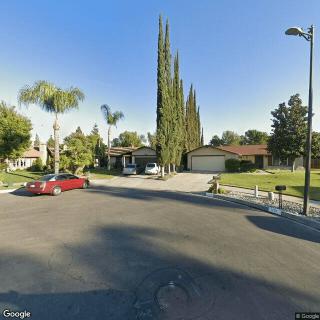
Valley Spring Elderly Care
$2,500 to $3,000 / month8.4 miles away -
from -$100 / mo
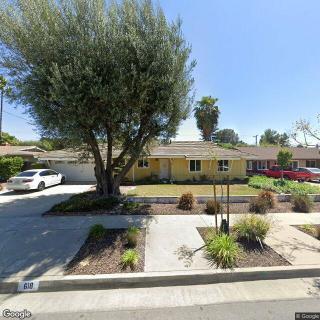
House Of Grace
$2,000 to $4,200 / month24.3 miles away -
from -$150 / mo
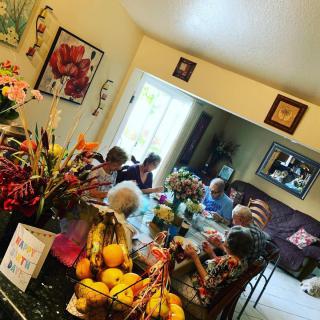
Select Senior Care, LLC
$1,950 to $6,200 / month24.3 miles away -
from -$100 / mo
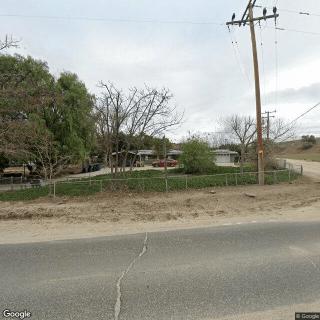
Milam Manor
$2,000 to $3,600 / month7.6 miles away -
from +$400 / mo
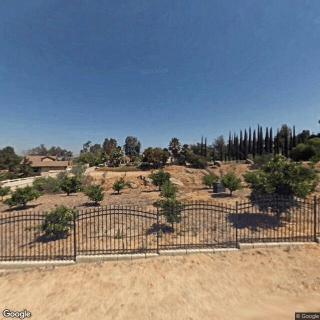
Golden Horizon Home I
$2,500 to $2,800 / month4.6 miles away
Overall Review of Partners 'n Care
Pros
 They take very good care of their residents.
- The facility is clean and well maintained.
- The staff are kind, caring, and helpful.
- The house is clean and efficiently run.
- Family members are kept well informed about changes in health.
- The property has beautiful scenery, abundant natural light, and is well maintained.
- Karen goes the extra mile to help with moving in.
Cons
 The tour was a bait-and-switch; the shown home was nicer than the beds actually available.
- The facility was not equipped to handle someone with the level of dementia.
- They assured they could handle him, but that turned out not to be the case.
- They can handle only very light memory care needs, at most.
- They do not provide adequate activities.
Review
Partners 'n Care in Riverside, CA is best suited for seniors who want a clean, home-like setting with regular personal attention, light assistance, and opportunities for social interaction. The community delivers a warm, well-maintained environment where residents appear well cared for and staff are generally friendly and respectful. For families prioritizing a calm, aesthetically pleasing space, reliable housekeeping, and strong communication about health changes, this option checks important boxes. It works particularly well for residents who can participate in everyday routines, enjoy conversations with peers, and benefit from staff who make an every-day difference in how safe and supported they feel.
Those considering alternatives should note two clear red flags. First, this site is not equipped for higher-level memory care; dementia needs beyond light memory support tend to outstrip its capabilities. Reviewers note that the community can handle mild memory challenges but not more complex cognitive conditions, and activities are described as inadequate for more engaged or structured programming. Second, there is a warning sign around transparency in marketing versus reality: one tour experience suggested a much nicer facility than what was available in beds. For families seeking robust memory-care ecosystems or consistently strong, varied activity schedules, other options may deliver more aligned capabilities and planning certainty.
The strongest positives, the clean, pleasant environment and the attentive staff, do a lot to offset concerns where memory needs are moderate. A consistently tidy, efficiently run house translates into fewer logistical stressors, while staff kindness, respect, and open communication with families build a sense of trust and reassurance. The combination of a bright, lightly staffed setting with a homey feel helps residents settle in and feel valued, which matters greatly when daily routines are part of the caregiving equation. In practice, these advantages create a dependable baseline of comfort that mitigates some anxieties about care quality, especially for families prioritizing peace of mind and steady oversight.
Resident experience, in particular, emerges as a tangible strength. Several reviews highlight that mom or other loved ones adjust well, make conversations with peers, and receive care that feels respectful and protective. The social aspect, neighbors chatting, shared meals, and interaction with people of similar ages, contributes to a sense of belonging that many families prize. The presence of natural light, scenic surroundings, and a clean, well-kept campus further reinforces the impression of a supportive, livable environment. Taken together, these elements translate into a practical enhancement of daily life that can reduce anxiety about aging in place.
From a practical standpoint, the reality check centers on fit, not fantasy. Potential residents should verify the current level of cognitive support and confirm the activities program aligns with the individual’s interests and needs. Families should probe bed availability, understand how often health changes are communicated, and assess whether the staff-to-resident ratio supports timely response, especially during evenings or weekends. It’s also wise to explore what dementia-specific services are available nearby if memory care needs intensify, and to confirm what respite or trial stay options exist before committing.
Ultimately, Partners 'n Care offers a solid, risk-mitigated choice for seniors seeking a clean, caring, and socially enriching home with dependable day-to-day operations. It excels for those needing light memory support and high-quality personal attention in a warm, well-maintained setting. However, for anyone facing moderate-to-severe dementia or requiring robust, structured activity programming, alternatives with dedicated memory-care focus and stronger activity calendars will likely deliver better alignment and long-term satisfaction. In short, it’s a practical, trustworthy option when the care level matches its strengths, and a cautionary signpost when higher cognitive needs or richer programming are anticipated.
 Board and Care Home
 Activities on-site
 Bath tubs
 Indoor common areas
 Outdoor common areas
 Private
 Private bathrooms
 Swimming pool / hot tub
 Ontario International (15 miles away)
 Ambulatory care
 Diabetic care
 Meals provided

 Weight Training for Seniors: Building Strength and Vitality
 Understanding the Sandwich Generation: Stress and Responsibilities for Multigenerational Caregivers
 8 Essential Assistive Devices for Older Adults