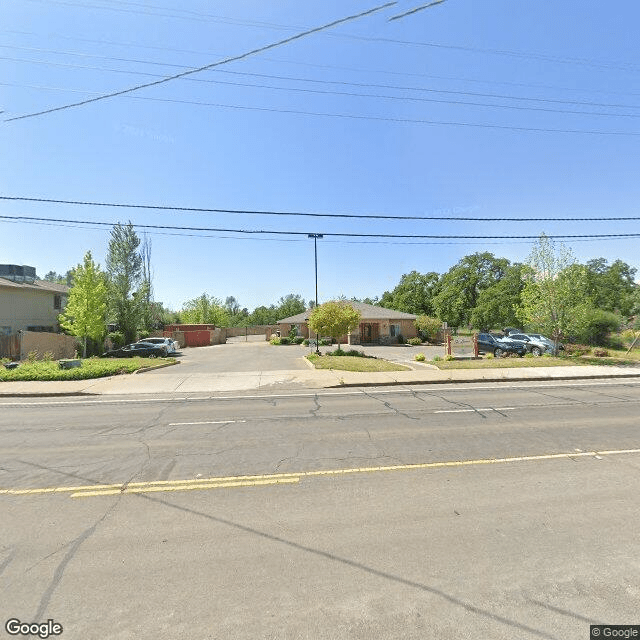
Saint Lorenz Assisted Living in Redding, CA

Save
Saint Lorenz Assisted Living Saint Lorenz Assisted Living

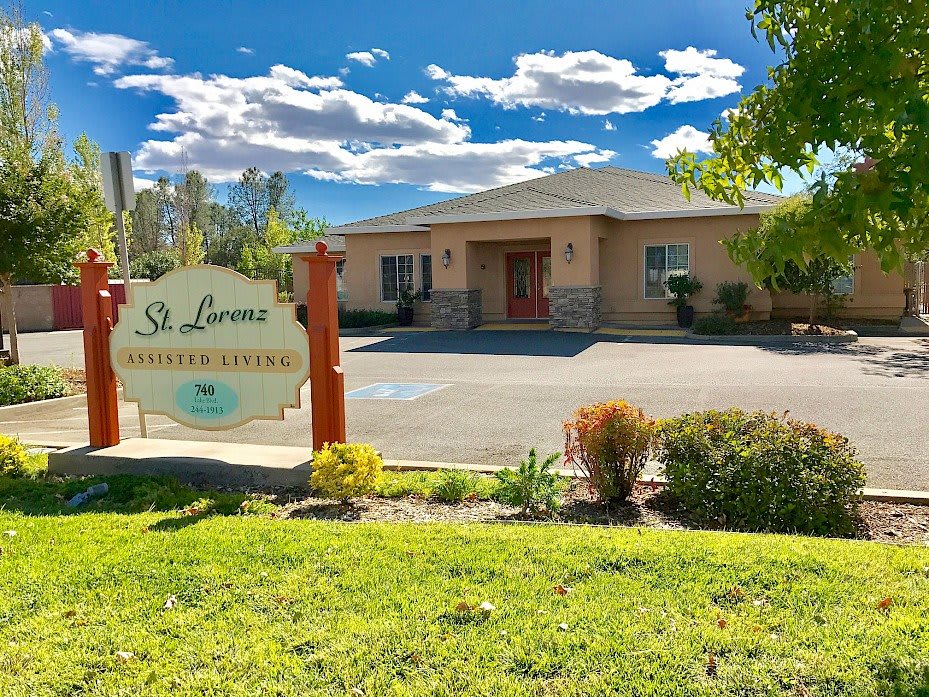
Saint Lorenz Assisted Living in Redding, CA

740 Lake Boulevard, Redding, CA 96003

For more information about senior living options: (844) 490-3973

4.8 from 17 reviews
5 stars
14
4 stars
2
3 stars
1
2 stars
0
1 stars
0

Assisted Living Board and Care Home

Saint Lorenz Assisted Living Costs & Pricing

Saint Lorenz Assisted Living offers competitive pricing for its one-bedroom accommodations, with a monthly cost of $3,500. This rate is notably lower than the average costs in Shasta County, which stand at $3,982, and significantly more affordable compared to the overall average in California at $4,340. Such pricing positions Saint Lorenz as an attractive option for those seeking quality assisted living services in a more budget-friendly environment while still ensuring residents receive excellent care and support.

Floor plansSaint Lorenz Assisted LivingShasta CountyCalifornia
1 Bedroom$3,500$3,982$4,340

Overall Review of Saint Lorenz Assisted Living

Pros

  • pro The community is great and has caring caregivers and residents.
  • pro Lorenz Living Home is a caring environment for every client.
  • pro The Lorenz staff supports each client with their unique needs.
  • pro The environment is great for both staff and residents.
  • pro The food served in the home is spectacular.
  • pro The residents are happy, and care is personalized to each resident's preferences.
  • pro Saint Lorenz is a wonderful, family-oriented facility with wonderful staffing and residents.

Cons

  • pro The facility was not set up for skilled care.
  • pro The bathrooms were not big enough.
  • pro The rooms were not suitable for someone needing assistance getting on and off the toilet or into bed.
  • pro There were not enough staff to assist with two-person transfers.

Review

Saint Lorenz Assisted Living in Redding is best suited for families seeking a small, home-like setting where care feels personal, consistent, and genuinely attentive. With only 17 beds, the community operates more like a private residence than a corporate campus, and the tone is unmistakably family-oriented. Residents tend to be happier, staff members know preferences, and meals feel homemade rather than generic. This is the place for someone who thrives on individualized routines, patient listening, and a calm, respectful atmosphere, where care plans can be tailored to quirks and comforts alike. Families that value direct access to caregivers, regular visits, and a sense that their loved one is not just another chart note will find Saint Lorenz aligns with those priorities.

However, Saint Lorenz is not a fit for every situation. For residents who require robust skilled nursing, frequent two-person transfers, or high-acuity medical oversight, the small size and staffing model can be a constraint. The facility is not set up as a full skilled-care environment; bathrooms and rooms are compact, and staffing at times may be stretched for complex assistance. In those cases, alternatives with larger teams, more expansive spaces, and formal therapy programs may be necessary to maintain safety and independence. Families should explicitly assess whether current needs can be met within this intimate setting or if a more resource-rich environment is warranted.

Yet the standout strengths here - personalized attention, warm staff, and excellent, home-cooked meals - directly offset many concerns. The intimate scale allows caregivers to know residents by name, track preferences, and adjust snacks, meals, and routines with remarkable elasticity. Reviews highlight cheerful, patient interactions with nonverbal and low-verbal residents, and even small acts - delivering meals to rooms, arranging quiet visits, or coordinating snack requests - signal a level of responsiveness rare in larger communities. The home atmosphere encourages belonging and mutual care among residents, which can reduce agitation and improve mood for those who might otherwise feel isolated in a bigger setting. In practice, that warmth often translates into steadier daily life and greater peace of mind for families.

Leadership contributes to the reliability here as well. The newer ownership brought years of medical experience to the table, and families report continuity of care through a transition that could have unsettled expectations. The staff is described as professional, kind, and consistent, with owners actively sustaining a culture that prioritizes listening and real, not perfumed, hospitality. The combination of a small, well-led operation and loyal caregiving teams creates a predictable routine - a critical factor for loved ones who fear disruption or turnover. The result is a facility where the practical realities of daily living are managed with care and competence, not just good intentions.

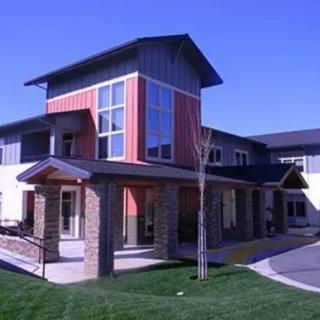
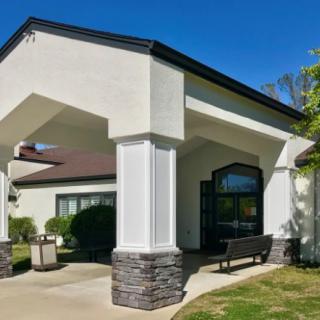
Environment and accessibility reinforce the decision. The setting feels peaceful, with a home-like design that minimizes the institutional feel. Residents benefit from real food, social opportunities, and easy patio access for family visits, which strengthens connection and oversight. For a family that values easy, regular involvement, Saint Lorenz makes it simple to drop in, participate in mealtime conversations, or celebrate milestones without the fuss of a large campus. The upside is clear: safety and comfort are balanced by a sense of belonging. The caveat remains that the physical footprint - smaller bathrooms and compact rooms - may pose challenges for heavier mobility needs or two-person transfers, a reality that should be weighed against the intimate advantages.

Bottom line: Saint Lorenz Assisted Living stands out for families seeking an intimate, caregiver-driven environment with standout meals and a genuinely warm culture. It works best for residents who want consistent, personalized care and a sense of belonging, rather than those who demand high-capacity nursing or expansive programming. For higher acuity needs, exploring alternatives with bigger staffs and more robust clinical support is sensible. Prospective families should visit to observe staff interactions, verify current staffing levels, and confirm how the home handles two-person assistance. When the priority is a tranquil, family-style setting where staff truly knows the resident and meals feel like home cooking, Saint Lorenz is a compelling, trustworthy choice.

Features

Housing

  • 17 resident community capacity 17 resident community capacity

Types of Care

  • Assisted Living Assisted LivingAssisted living facilities provide crucial support and care for seniors who may need help with daily tasks such as medication management, bathing, and meal preparation. These communities offer a safe and comfortable environment where seniors can maintain their independence while receiving the assistance they need to thrive in their golden years.
  • Board and Care Home Board and Care HomeBoard and care homes provide a smaller, more intimate setting for seniors who require assistance with daily tasks but do not need the level of care offered by a nursing home. They offer personalized care, meals, and social activities in a homelike environment, ensuring that seniors receive individualized attention and support in their golden years.

Amenities

  • Activities on-site Activities on-siteActivities on-site are important for seniors because they provide opportunities for socialization, mental stimulation, physical activity, and overall well-being. Engaging in activities can help seniors stay active, maintain their independence, and improve their quality of life.
  • Air-conditioning Air-conditioningAir conditioning is important for seniors as they are more vulnerable to heat-related illnesses and may have underlying health conditions that make it difficult for them to regulate their body temperature. It helps to keep them comfortable, safe, and healthy in hot weather.
  • Cable or satellite TV Cable or satellite TVCable or satellite TV is important for seniors because it provides entertainment, news, and companionship, helping to combat loneliness and boredom. It also offers a wide range of programming options tailored to different interests and preferences.
  • Devotional services off-site Devotional services off-siteDevotional services off-site are important for seniors as they provide spiritual nourishment, social engagement, and a sense of community outside of the senior living facility. This can enhance overall well-being and help combat feelings of isolation and loneliness often experienced by older adults.
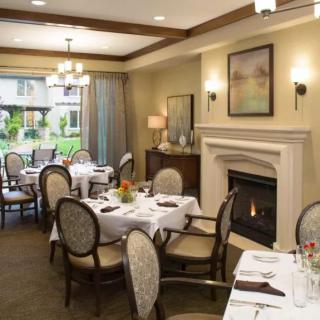
  • Dining room Dining roomDining rooms are important for seniors as they provide a space for socialization, connection, and nutritious meals. They offer opportunities for residents to bond over shared meals, foster a sense of community, and promote healthy eating habits. Dining rooms also ensure that seniors have access to well-balanced meals tailored to their dietary needs and preferences.
  • Full kitchen Full kitchenHaving a full kitchen in a senior living facility is important for seniors because it allows them to maintain their independence and prepare their own meals. This promotes healthy eating habits, saves money on dining out, and provides a sense of familiarity and comfort for residents.
  • Fully furnished Fully furnishedFully furnished senior living communities are important for seniors because they provide convenience, comfort, and a hassle-free moving experience. Seniors can easily settle into their new living space without the stress of having to buy and move furniture. This allows them to focus on enjoying their new home and community.
  • Garden GardenGardens are important for seniors as they provide a peaceful and therapeutic environment for relaxation, physical activity, and socialization. Being in nature has been shown to reduce stress, improve mood, and promote overall well-being. Gardens also offer opportunities for seniors to engage in gardening activities, which can improve mobility, flexibility, and cognitive function. Additionally, gardens create a sense of community and connection with others who share a passion for plants and outdoor spaces.
  • Garden view Garden viewGarden views are important for seniors as they provide natural beauty and tranquility, promoting relaxation and overall well-being. Access to green spaces can also encourage outdoor activity and socialization, enhancing physical and mental health.
  • Ground floor units Ground floor unitsGround floor units are important for seniors because they provide easy accessibility, reduced risk of falls and injuries, and convenience for those with mobility issues. Seniors can avoid climbing stairs or using elevators, making daily tasks and activities more manageable and enjoyable.
  • Handicap accessible Handicap accessible"Handicap accessible" amenities are crucial for seniors to ensure they can easily navigate and access facilities, services, and activities without barriers or limitations due to physical impairments. This promotes independence, safety, and inclusivity for seniors in senior living communities.
  • Housekeeping services Housekeeping servicesHousekeeping services are important for seniors because they help maintain a clean and safe living environment, promote independence, and reduce the risk of accidents or illnesses. Additionally, having assistance with household chores can alleviate physical strain and allow seniors to focus on other aspects of their well-being.
  • Indoor common areas Indoor common areasIndoor common areas are crucial for seniors as they provide a space for socialization, recreation, and community engagement, promoting overall well-being and reducing feelings of isolation and loneliness.
  • Move-in coordination Move-in coordinationMove-in coordination is important for seniors because it helps ease the transition into their new living environment. It ensures that all logistics, such as packing, organizing movers, and setting up utilities are taken care of, allowing seniors to focus on settling in and adjusting to their new home. Having a smooth move-in process can alleviate stress and anxiety, making the transition smoother and more enjoyable for seniors.
  • Outdoor space Outdoor spaceOutdoor spaces are important for seniors as they provide opportunities for physical activity, social interaction, exposure to natural light and fresh air, and a sense of connection to nature. Having access to outdoor spaces can improve overall well-being and quality of life for older adults living in senior communities.
  • Private patio, deck, or balcony Private patio, deck, or balconyHaving a private patio, deck, or balcony is crucial for seniors living in a retirement community as it provides them with access to fresh air, natural light, and the outdoors without having to leave their home. This outdoor space can promote physical activity, mental well-being, and socialization opportunities for seniors, contributing to an overall improved quality of life.
  • Respite or short term stays offered Respite or short term stays offeredRespite or short term stays provide seniors with a temporary solution when their regular caregiver is unavailable, offering them the opportunity to receive additional care and support during times of need, while also giving caregivers a chance to rest and recharge.
  • Telephone TelephoneTelephones are important for seniors as they provide a lifeline for communication with loved ones, emergency services, and healthcare providers. They offer a sense of security and independence, enabling seniors to stay connected and access assistance when needed.
  • Wheelchair accessible showers Wheelchair accessible showersWheelchair accessible showers are crucial for seniors as they provide a safe and independent bathing option for those with mobility challenges. These showers help prevent falls and allow seniors to maintain their dignity and autonomy while ensuring they can bathe comfortably.
  • Wi-Fi/high-speed internet available Wi-Fi/high-speed internet availableWi-Fi/high-speed internet is important for seniors to stay connected with loved ones, access online resources, and participate in virtual activities to combat feelings of loneliness and isolation. It also allows them to easily manage healthcare needs, access entertainment, and engage in lifelong learning opportunities.

Transportation

  • Redding Municipal (9 miles away) Redding Municipal (9 miles away)

Care Services

  • 24-hour supervision 24-hour supervision24-hour supervision is important for seniors to ensure their safety, well-being, and access to immediate assistance in case of emergencies or health issues. This constant support provides peace of mind for both seniors and their loved ones, allowing them to age in place with dignity and security.
  • Activities of daily living assistance Activities of daily living assistanceActivities of daily living assistance are important for seniors because they provide essential support with tasks such as eating, bathing, dressing, and mobility. This assistance helps seniors maintain their independence, dignity, and overall quality of life as they age.
  • Assistance with bathing Assistance with bathingAssistance with bathing is crucial for seniors as it helps maintain personal hygiene, prevents infections, and ensures their overall well-being and comfort. It also provides a sense of dignity and independence for seniors who may struggle with this task on their own.
  • Assistance with dressing Assistance with dressingAssistance with dressing is important for seniors because it helps maintain their independence, promotes personal hygiene, prevents accidents and injuries, and improves overall quality of life. This service ensures that seniors can continue to dress comfortably and confidently, despite any physical limitations they may have.
  • Assistance with transfers Assistance with transfersAssistance with transfers is crucial for seniors as it helps prevent falls and injuries, maintains their independence, and ensures they can safely navigate their living environment. It also provides peace of mind for both seniors and their loved ones.
  • Coordination with health care providers Coordination with health care providersCoordination with health care providers is crucial for seniors to ensure proper medical care, medication management, and overall well-being. This collaboration helps prevent overlapping treatments, track progress more effectively, and provide comprehensive support tailored to individual needs.
  • Diabetes diet Diabetes dietA diabetes diet is crucial for seniors as it helps manage blood sugar levels, reduce risks of complications, and improve overall health and well-being. By following a balanced and nutritious diet tailored to their specific needs, seniors can better control their diabetes and enhance their quality of life.
  • Diabetic care Diabetic careDiabetic care is crucial for seniors as they are more susceptible to developing diabetes due to aging and other health conditions. Proper management of diabetes can help prevent complications such as heart disease, vision loss, and nerve damage, improving the overall quality of life for seniors in senior living communities.
  • High acuity care High acuity careHigh acuity care is important for seniors because it provides specialized medical attention and support for individuals with complex medical needs. This level of care ensures that seniors receive the appropriate treatment and assistance to maintain their health and quality of life as they age.
  • Incontinence care Incontinence careIncontinence care is essential for seniors to maintain their dignity, hygiene, and overall quality of life. By addressing incontinence issues promptly and effectively, seniors can enjoy a sense of independence and comfort in their daily activities.
  • Meal preparation and service Meal preparation and serviceMeal preparation and service are crucial for seniors as they may have limited mobility or energy to cook nutritious meals. Having access to healthy and convenient food options can ensure they are getting the proper nutrition needed to maintain their overall health and well-being.
  • Medication management Medication managementMedication management is crucial for seniors to ensure they are taking the right medications at the correct dosages and times. This helps prevent adverse drug interactions, reduces the risk of medication errors, and promotes overall health and well-being. Proactive management also allows for adjustments as needed based on changing health conditions or new prescriptions.
  • Special dietary restrictions Special dietary restrictionsSpecial dietary restrictions are important for seniors because age-related changes in metabolism and health conditions can make it difficult for their bodies to process certain foods. By following a diet tailored to their specific needs, seniors can maintain their overall health and well-being, manage chronic conditions, and reduce the risk of complications such as malnutrition or food interactions with medications.
  • Transportation arrangement (medical) Transportation arrangement (medical)Transportation arrangements for medical purposes are essential for seniors as they may have difficulty driving themselves to appointments or accessing public transportation. Having reliable and safe transportation options ensures that seniors can receive timely medical care and maintain their health and well-being.
  • Transportation to doctors appointments Transportation to doctors appointmentsTransportation to doctors' appointments is crucial for seniors as it ensures they have access to necessary medical care and support for their health needs. Without reliable transportation, seniors may struggle to attend important appointments, leading to potential delays in treatment and health complications. Providing transportation services helps seniors maintain their overall well-being and quality of life.

Dining

  • Anytime dining Anytime diningAnytime dining is important for seniors because it allows them the flexibility to eat when they are hungry, rather than being restricted to set meal times. This can be especially beneficial for those with medical conditions or medications that affect their appetite, as well as those who may have difficulty adhering to a strict dining schedule. Overall, anytime dining promotes independence and overall well-being for seniors in senior living communities.
  • Diabetes diet Diabetes dietA diabetes diet is crucial for seniors as it helps manage blood sugar levels, reduce risks of complications, and improve overall health and well-being. By following a balanced and nutritious diet tailored to their specific needs, seniors can better control their diabetes and enhance their quality of life.
  • Gluten-free Gluten-freeGluten-free options are important for seniors as they are more prone to digestive issues and dietary sensitivities. Offering gluten-free meal choices in senior living communities can help improve their overall health and well-being.
  • Guest meals Guest mealsGuest meals are important for seniors living in senior living communities because they provide an opportunity for socialization and companionship. Sharing a meal with friends, family, or new acquaintances can help combat feelings of loneliness and isolation, promote a sense of community, and enhance overall well-being. Additionally, guest meals allow seniors to enjoy delicious food in a comfortable setting without the hassle of cooking or cleaning up, making dining a pleasurable and stress-free experience.
  • Low / no sodium Low / no sodiumLow/no sodium options are important for seniors because excessive sodium intake can lead to high blood pressure, heart disease, and other health issues commonly experienced by older adults. By choosing low/no sodium foods, seniors can better manage their health and reduce their risk of developing these conditions.
  • Meals provided Meals provided"Meals provided" are crucial for seniors in assisted living communities as it ensures they have access to nutritious, balanced meals without the stress of meal planning and preparation. This can help promote overall health and well-being for seniors who may have limited mobility or cognitive abilities.
  • No Sugar No SugarNo sugar diets are important for seniors because they can help prevent or manage chronic conditions such as diabetes, heart disease, and obesity. Sugar can also contribute to cognitive decline and inflammation in the body, so reducing sugar intake can lead to overall improved health and well-being in older adults.
  • Organic OrganicOrganic foods are important for seniors because they contain fewer chemicals and pesticides, which can be harmful to aging bodies. Additionally, organic foods often have higher nutrient levels, making them a healthier choice for maintaining overall well-being in older adults.
  • Special dietary restrictions Special dietary restrictionsSpecial dietary restrictions are important for seniors because age-related changes in metabolism and health conditions can make it difficult for their bodies to process certain foods. By following a diet tailored to their specific needs, seniors can maintain their overall health and well-being, manage chronic conditions, and reduce the risk of complications such as malnutrition or food interactions with medications.
  • Vegan VeganVegan diets can provide numerous health benefits for seniors, including lower risk of chronic diseases, improved digestion, and increased energy levels. Additionally, plant-based diets are often rich in essential nutrients that can support overall well-being and longevity in older adults.
  • Vegetarian VegetarianA vegetarian diet is important for seniors because it can help lower the risk of chronic diseases, maintain a healthy weight, and provide essential nutrients needed for aging bodies. Additionally, plant-based diets are often easier on digestive systems and can contribute to overall well-being in older adults.

Activities

  • Activities off-site Activities off-siteActivities off-site are crucial for seniors as they provide opportunities for socialization, mental stimulation, and physical activity outside of their usual routine. This helps combat feelings of isolation and boredom, promotes overall well-being, and allows seniors to remain engaged in the community.
  • Activities on-site Activities on-siteActivities on-site are important for seniors because they provide opportunities for socialization, mental stimulation, physical activity, and overall well-being. Engaging in activities can help seniors stay active, maintain their independence, and improve their quality of life.
  • Community-sponsored activities Community-sponsored activitiesCommunity-sponsored activities are important for seniors as they provide opportunities for social interaction, mental stimulation, and physical activity. These activities can help improve overall well-being, combat loneliness and isolation, and promote a sense of belonging and purpose among older adults.
  • Day trips and outings Day trips and outingsDay trips and outings are important for seniors as they provide opportunities for socialization, mental stimulation, physical activity, and a break from daily routines. These experiences can enhance overall well-being and quality of life for older adults living in senior communities.
  • Devotional activities offsite Devotional activities offsiteDevotional activities offsite are important for seniors because they provide social engagement, spiritual growth, and a sense of community outside of their living environment. This can improve overall well-being, mental health, and combat feelings of isolation or loneliness.
  • Devotional activities on-site Devotional activities on-siteDevotional activities on-site provide seniors with a sense of community, spiritual fulfillment, and emotional support, promoting overall well-being and a positive sense of purpose in their lives.
  • Educational speakers / life long learning Educational speakers / life long learningEducational speakers and lifelong learning opportunities are crucial for seniors as they provide mental stimulation, promote social engagement, and contribute to overall well-being. Continuous learning helps seniors stay mentally sharp, build new skills, and maintain a sense of purpose and fulfillment in their lives. It also allows them to stay connected to the world around them and fosters a sense of community within senior living facilities.
  • Happy hour Happy hourHappy hour is important for seniors as it provides a social activity that promotes camaraderie and reduces feelings of loneliness or isolation. It also offers an opportunity for older adults to relax, unwind, and enjoy some drinks or snacks in a fun and welcoming atmosphere.
  • Karaoke KaraokeKaraoke provides seniors with a fun and social activity that can boost mood, confidence, and cognitive function. It encourages social interaction, physical movement, and creative expression, making it an important form of entertainment for senior living communities.
  • Live well programs Live well programs"Live well programs are essential for seniors as they provide opportunities for physical activity, social engagement, and mental stimulation, ultimately promoting overall health and well-being in later years."
  • Resident band or musicians Resident band or musiciansResident bands or musicians provide entertainment, socialization, and a sense of community for seniors in senior living communities. Music has been proven to have numerous health benefits including reducing stress, improving mood, and enhancing cognitive function. Having regular musical performances can greatly enhance the quality of life for seniors and create a welcoming and enjoyable atmosphere.
  • Scheduled daily activities Scheduled daily activitiesScheduled daily activities are important for seniors because they provide structure, socialization, mental stimulation, and physical activity. Engaging in regular activities can improve overall well-being and quality of life for seniors living in a community setting.
  • Trivia games Trivia gamesTrivia games are important for seniors because they provide mental stimulation, social interaction, and a fun way to keep the mind sharp. They can help improve memory, cognitive function, and overall well-being in older adults.

Description

Saint Lorenz Assisted Living in Redding, CA is a warm and inviting community that provides board and care home services. Our residents enjoy a comfortable and fully furnished living space with amenities such as air-conditioning, cable or satellite TV, and Wi-Fi/high-speed internet.

We prioritize the well-being of our residents by offering a range of care services including assistance with activities of daily living, bathing, dressing, transfers, and medication management. Our compassionate staff also coordinates with health care providers to ensure personalized care plans are implemented effectively. For those with high acuity needs or diabetes, we provide specialized care and offer diabetic diets.

Mealtimes at Saint Lorenz Assisted Living are a highlight for our residents. We cater to various dietary restrictions including gluten-free, low/no sodium, no sugar, organic, vegan, and vegetarian options. Our dining room offers delicious meals prepared by our skilled staff or guests can also choose to have their own meals in their private patio, deck, or balcony.

Our community places a strong emphasis on keeping our residents engaged and entertained. We offer a variety of activities both on-site and through community partnerships such as educational speakers/life-long learning programs, trivia games, devotional activities offsite or on-site, karaoke nights, happy hours, and day trips/outings. Residents can also enjoy live performances from our resident band or musicians.

Located in the heart of Redding, Saint Lorenz Assisted Living benefits from its proximity to several amenities in the area. There are cafes, restaurants serving diverse cuisines for those who wish to dine out nearby. Parks provide opportunities for outdoor recreation while pharmacies and physicians ensure easy access to healthcare services. Transportation arrangements can be made for medical appointments.

At Saint Lorenz Assisted Living in Redding, CA we strive to create an environment that promotes comfort, independence, and social engagement for all our residents.

Nearby Places of Interest

This part of Redding, California offers a variety of amenities and services that would be beneficial for senior living. With a range of dining options such as Little Caesars Pizza, El Zarape Mexican Food, and Janya Thai Cuisine nearby, seniors can enjoy convenient access to different cuisines. The presence of pharmacies like Walgreens and Owens Healthcare ensures easy access to medication and healthcare needs. Additionally, there are cafes like Starbucks and Theory Collaborative for socializing and enjoying a good cup of coffee. Parks like Caldwell Park provide opportunities for outdoor activities, while places of worship such as Bethel Church and Little Country Church cater to spiritual needs. Healthcare facilities like Day Dreams Hospital and Physicians clinics such as North Valley Orthopedics offer comprehensive medical care. And with transportation options like the Amtrak Station nearby, seniors can easily get around the city. Overall, this area provides a comfortable and convenient environment for senior living in Redding.

Restaurants

  • Little Caesars Pizza (0.8 miles)
  • McDonald's (1 miles)
  • El Zarape Mexican Food (1.2 miles)
  • Janya Thai Cuisine (1.4 miles)
  • Dill's Deli (1.4 miles)
  • Chu's Too (2 miles)
  • Wienerschnitzel (2 miles)

Pharmacies

  • Walgreens (1.2 miles)
  • Owens Healthcare (2 miles)
  • Walgreens (2.2 miles)
  • Rite Aid (2.2 miles)
  • Lims Family Pharmacy (2.4 miles)
  • CVS Pharmacy (3.2 miles)

Cafes

  • Starbucks (1.3 miles)
  • Dutch Bros Coffee (1.5 miles)
  • Dutch Bros Coffee (2.1 miles)
  • Theory Collaborative (2.1 miles)
  • From The Hearth Cafe (2.4 miles)
  • Evergreen - Coffee Shop + Boutique Hotel (2.6 miles)
  • Starbucks (2.9 miles)

Parks

  • Caldwell Park (1.6 miles)

Places of Worship

  • Bethel Church (1.9 miles)
  • Little Country Church (2.6 miles)
  • Risen King Community Church (3 miles)

Hospitals

  • Day Dreams (1.9 miles)
  • Restpadd Psychiatric Health Facility (2.3 miles)
  • Z MD Sleep Center (2.4 miles)
  • Patients Hospital (2.5 miles)
  • Golden Living Center (2.6 miles)
  • William F Nicol DDS (2.9 miles)
  • Mercy Foundation North (3 miles)

Physicians

  • North Valley Orthopedics (2 miles)
  • Shasta Orthopaedics - Schillen J David MD (2 miles)
  • Jack David Schillen (2 miles)
  • Northern Heart & Vascular Institute (2.1 miles)
  • Family Medical Eye Center (2.2 miles)
  • Redding Spine & Sports (2.3 miles)
  • William W. Evans, DMD, MD (2.3 miles)

Transportation

  • Amtrak Station (2.4 miles)

Theaters

  • Cinemark Redding 14 and XD (3.2 miles)

Frequently Asked Questions

How much does it cost to live at Saint Lorenz Assisted Living in Redding, CA?
Where is Saint Lorenz Assisted Living?

Nearby Communities

  • Season's Assisted Care Home

    Season's Assisted Care Home

    Redding, CA

    4.5 from 26 reviews
    $3,500 to $5,000 / month

    pro Welcoming ambiance with resident camaraderie.

  • Sharon's Care Home

    Sharon's Care Home

    Redding, CA

    3 from 51 reviews
     

    pro Fully furnished rooms with comprehensive daily living support and coordinated healthcare.

  • Dara Care Homes I & II

    Dara Care Homes I & II

    Redding, CA

     
    $1,500 to $2,000 / month

  • New Vision Services Senior Living

    New Vision Services Senior Living

    Redding, CA


    pro Extensive amenities and comprehensive care, including 24-hour supervision and medication management.

  • Amber Oaks

    Amber Oaks

    Redding, CA

    5 from 3 reviews
    $2,800 to $3,000 / month

    pro Competitive pricing for semi-private ($2,800) and 1-bedroom ($3,000) options relative to Shasta County and California averages.

  • Quartz Hill Post Acute

    Quartz Hill Post Acute

    Redding, CA

    4.2 from 53 reviews
     

    pro Welcoming residents and attentive staff in a well-maintained environment.

  • C.O.M.P.A.S.S.,  LLC

    C.O.M.P.A.S.S., LLC

    Redding, CA


    pro Wide range of care options including memory care.

Related Resources

  • does medicare pay for assisted livingMedicare Coverage for Assisted Living: An In-Depth Exploration

    Medicare does not cover assisted living costs, as it focuses on acute medical needs and short-term care, with exceptions for certain medically necessary services like physical therapy. Individuals must explore other options such as Medicaid, veterans' benefits, or long-term care insurance to manage these expenses effectively.

  • assisted living vs nursing homeChoosing the Right Senior Care: A Detailed Exploration of Assisted Living and Nursing Homes

    Choosing between assisted living and nursing homes involves evaluating emotional and financial factors, with assisted living offering independence and support for daily activities at a lower cost, while nursing homes provide intensive medical care for individuals with significant health needs. The decision is influenced by personal preferences, health status, cognitive function, and varying Medicaid coverage across states.

  • assisted living costUnderstanding the True Cost of Assisted Living in 2025: A Comprehensive Guide
    Assisted living in 2025 offers a crucial balance of independence and support for seniors, with costs varying from $2,500 to over $7,000 per month based on factors such as location and care level. Understanding pricing complexities, including regional differences and potential hidden fees, is essential for families to plan financially while ensuring quality care for their loved ones.