
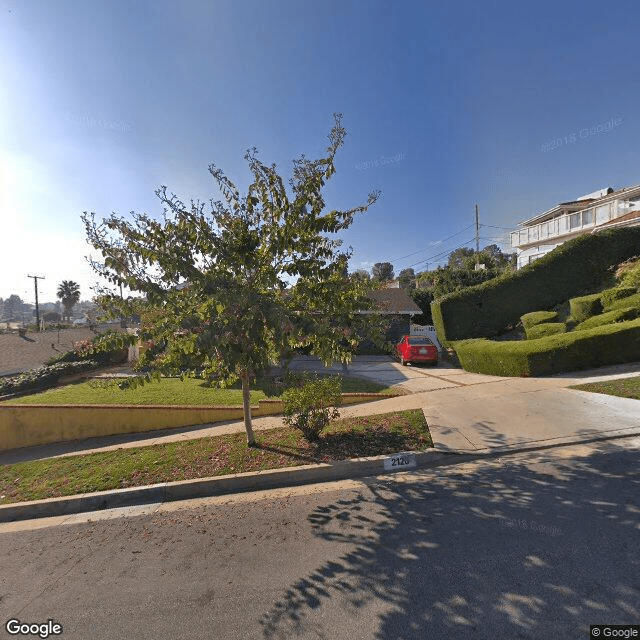
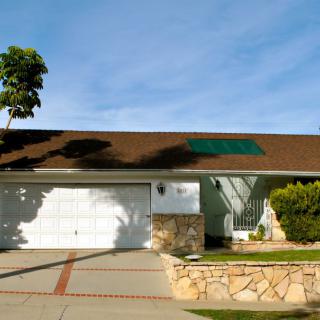
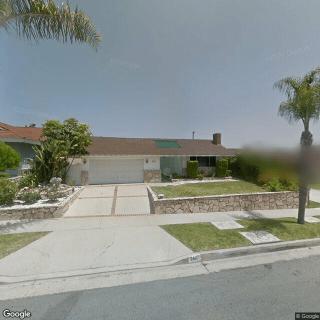
2120 Velez Drive, Rancho Palos Verdes, CA 90275
For more information about senior living options: (866) 208-4318
Velez Care Home Costs & Pricing
Velez Care Home offers competitive pricing for its residents, particularly when compared to the broader market in Los Angeles County and the state of California. For a semi-private room, Velez Care Home charges $2,699 per month, significantly lower than the county average of $3,349 and slightly below the state average of $3,333. Similarly, both private rooms and studios at Velez are priced at $3,599 each - again providing a more affordable option compared to Los Angeles County's rate of $4,197 for private accommodations and $4,172 for studios. In contrast with state averages of $3,939 for private rooms and $4,145 for studios, Velez Care Home clearly positions itself as an appealing choice for families seeking high-quality care without the financial strain often associated with such services in this region.
| Floor plans | Velez Care Home | Los Angeles County | California |
|---|---|---|---|
| Semi-Private | $2,699 | $3,349 | $3,333 |
| Private | $3,599 | $4,197 | $3,939 |
| Studio | $3,599 | $4,172 | $4,145 |
Memory care communities with a similar price nearby
-
from -$299 / mo
Living Well Care Home
$2,400 to $3,200 / month11.5 miles away -
from +$101 / mo
Leah Loving Elderly Care
$2,800 to $3,000 / month21.6 miles away -
About the same
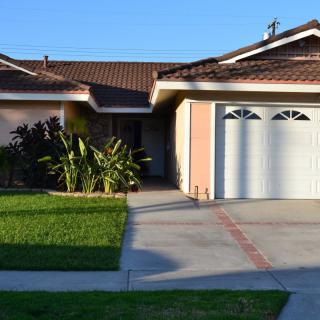
Loving Care Senior Home
$2,700 to $3,500 / month20.8 miles away -
from -$399 / mo
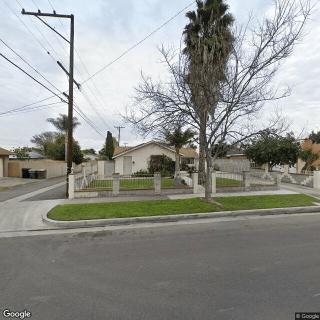
Bronwyn Residential Care
$2,300 to $3,500 / month19.4 miles away -
from +$101 / mo
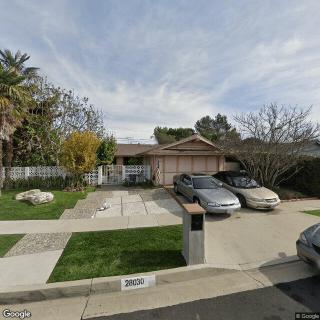
Angels Home Care
$2,800 to $3,800 / month4.6 miles away
Overall Review of Velez Care Home
Pros
 The staff at Palos Verdes Villa are friendly, helpful, and attentive.
 - The facility is beautiful and well managed, offering a pleasant living environment.
- Residents are treated with love and respect by caring, attentive staff.
- Linda and Seth are described as devoted administrators with hearts of gold.
- The PVV community is excellent on all levels, with happy residents and a lively atmosphere.
- Families feel grateful and at peace knowing their loved ones are well cared for.
- Accommodations are spacious, clean, and well maintained with thoughtful renovations.
- The meals at PVV are nutritious and tasty.
Cons
 The receptionist Ruby is somewhat rude.
- Caregivers appeared overwhelmed and lacked information about the home at the site.
- The home was very hot.
- The location is too far from CSMC and UCLA Medical Center.
Review
This community is best suited for families seeking a warm, family‑style atmosphere where leadership is highly engaged and care feels deeply personalized. Palos Verdes Villa (PVV) consistently earns praise for a top‑down culture that prioritizes residents with genuine kindness, and for a living environment that feels respectful, energetic, and “like home.” It works best for seniors who value trust in the people delivering everyday care, who want to see staff and administrators present in the daily life of the community, and who appreciate a setting that treats loved ones with consistent warmth. For residents who thrive on routine, meaningful interaction, and a strong sense of community, PVV delivers reliably.
Those who may want to consider alternatives are clear: families needing intensive medical staffing or around‑the‑clock skilled nursing, or those with specialized dementia or memory‑care requirements, should evaluate options that center more on clinical oversight. Distance matters for some families as well; PVV’s location can be less convenient for visits to certain medical centers, which can weigh heavily if regular hospital access is a priority. Additionally, a few reviews flag occasional friction in front‑of‑house interactions or moments when on‑site information isn’t as smooth as hoped, suggesting that communities with more streamlined coordination or higher staffing ratios during busy times might be a better fit for some families.
The strongest pros at PVV are the leadership and the culture they foster. The owner and administrator are repeatedly described as invested, with Linda and Seth driving a model where staff members feel supported and residents receive attentive, often affectionate care. Families report that the care is not just adequate but genuinely compassionate, with staff going “out of their way” to meet needs and to coordinate practical support, such as benefits navigation for veterans. The living environment reinforces these strengths: the facility is described as elegant, clean, and well maintained, with large, comfortable rooms and balconies that invite residents to enjoy a sense of space and independence within a supported setting. Food is noted as nutritious and palatable, further contributing to day‑to‑day wellbeing. When pros align this well, strong leadership, staff commitment, and a welcoming environment, the positives effectively offset the typical senior‑care downsides, producing a high level of family confidence.
Nevertheless, some drawbacks appear in the margins. A few reviewers mention a less inviting encounter with a front desk staff member, signaling that first impressions can vary. Other concerns note moments when caregivers feel overwhelmed and information at the point of contact isn’t as robust as it could be, suggesting times when the operation strains under demand. There is also a practical consideration raised about location: for families seeking quick access to certain hospitals, PVV may be farther than ideal. While these issues are not the defining story of PVV, they matter in decision making, particularly for households prioritizing frictionless initial contact, predictable staffing at all hours, and close hospital proximity.
Taken together, PVV presents a compelling value proposition for families who prize a genuinely caring ethos backed by stable leadership, a clean and pleasant physical environment, and a community‑driven routine that makes residents feel seen and valued. The meaningful benefits, the emotional lift for residents, the peace of mind for families, and the clear readiness to assist with practical needs, often outweigh the less frequent, modest drawbacks. This is not a facility for those seeking a clinical, hospital‑grade setting; it is a place where warmth, personal attention, and a strong, mission‑driven team define daily life and long‑term satisfaction.
For families ready to move forward, the recommended next steps are practical and focused. Schedule focused tours with direct observation of staff–resident interactions, and specifically ask about response times, staff coverage during peak hours, and the channels for ongoing family updates. Inquire about transportation and proximity to essential medical resources, and verify how the administration handles transitions to higher care if needs escalate. Speak with current residents and families to gauge consistency of care across shifts, and discuss any specific medical or memory‑care needs that must be supported. Finally, compare this with a short list of nearby options so the choice can be made with a clear sense of PVV’s unique strengths and where other communities might align more tightly with particular priorities.
 4 resident community capacity
 Assisted Living
 Board and Care Home
 Memory Care
 Cable or satellite TV
 Dining room
 Fully furnished
 Garden
 Housekeeping services
 Move-in coordination
 Outdoor space
 Private
 Telephone
 Wi-Fi/high-speed internet available
 Long Beach (Daugherty) (10 miles away)
 24-hour supervision
 Activities of daily living assistance
 Ambulatory care
 Assistance with bathing
 Assistance with dressing
 Assistance with transfers
 Diabetes diet
 Diabetic care
 Meal preparation and service
 Medication management
 Special dietary restrictions
 Transportation arrangement (medical)
 Transportation to doctors appointments



 22 Remarkable Caregiver Support Groups Available Online and In-Person
 Understanding Medicaid Coverage for Assisted Living: A Comprehensive Guide
 How and When Medicaid May Cover Assisted Living Costs