
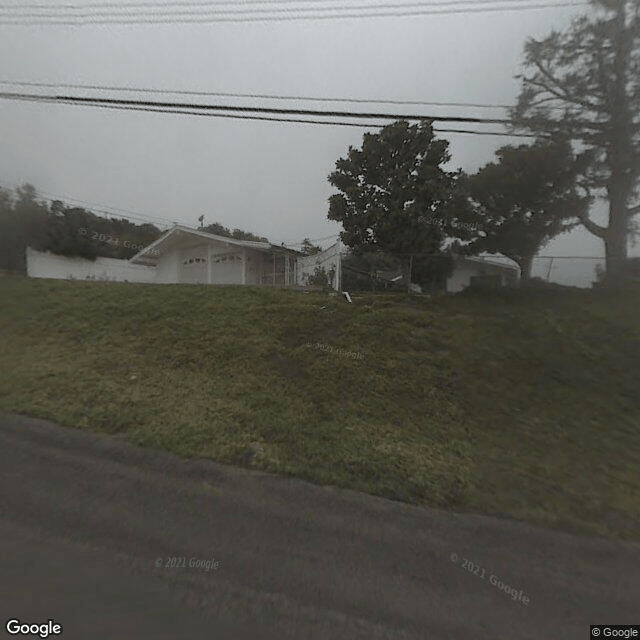
22 Cayuse Ln, Rancho Pls Vrds, CA 90275
To contact a resident: (310) 541-6068
For more information about senior living options: (866) 208-4318
Overall Review of Palos Verdes Paradise Homes
Pros
 The grounds were pretty.
- The staff seemed friendly and caring.
- The owner is a retired MD who said she lived on site and would take good care of my dad.
Cons
 The owner was rarely seen or heard from, despite claiming she would take good care of him.
 - The patient declined rapidly, losing the ability to walk and talk while at CVM.
- In seven weeks, the patient lost over 40 pounds and stopped swallowing, with no family notification.
- The patient never saw a doctor during the stay.
- He sat with his dinner in his mouth for an hour before anyone noticed, indicating neglect.
- A stage three bedsore developed and became infected.
- The care did not meet the promised standards, with basic needs like skin care and feeding left unattended.
- The owner argued and pressed to bring him back when hospice was involved, showing a lack of empathy.
Review
Palos Verdes Paradise Homes is best approached as a choice for families whose priority is a pleasant, home-like setting with friendly staff, and who can tolerate limited medical oversight. The residence may appeal to residents who require mainly custodial care and companionship rather than ongoing physician management. For seniors with complex medical needs, especially advanced dementia, this community is not the ideal match. Alternatives should be strongly considered for relatives who depend on regular medical evaluation, timely communication about declines, and transparent, proactive care planning from leadership and clinical staff.
The strongest-sounding positives in this setting are the visible warmth and the environment itself. The grounds are inviting and the staff appears approachable and caring on the surface. The owner’s background as a physician who claimed to live on site can create an impression of medical credibility and hands-on oversight. Those promises, if kept, can reassure families seeking a blend of comfort and medical attention. Yet these advantages do not translate into reliable medical follow-through or consistent bedside communication, which is where the center falters, and where trust is most tested.
The core misalignment becomes stark in the care trajectory of a resident with dementia. In the accounts available, a decline unfolded rapidly over seven weeks, with substantial weight loss and a notable loss of swallowing ability. The resident did not receive timely physician input, and families were left uninformed about worsening conditions. The situation escalated to dehydration, malnutrition, and a grave stage-three bedsore, with hospital intervention required only after a critical lapse. These failures are not abstract complaints; they translated into measurable risk and distress for a vulnerable person and heartbreak for family members who trusted the facility to act before it reached a crisis point.
That gap between promise and practice undermines any superficial positives related to setting or staff demeanor. The on-site physician-owner narrative rings hollow when crucial medical questions go unanswered and when urgent changes in health status are not escalated promptly. The family reports a concerning pattern: a late or absent medical response, limited proactive communication, and an uncomfortable insistence from leadership when a hospice decision was already in motion. In a community that claims medical rooting, these specifics erode confidence that patient welfare is the driving priority, especially for residents who cannot advocate for themselves.
For families evaluating options, critical questions must be asked before any commitment. How often does a physician or qualified clinician actually round on residents? Is there a formal care plan with measurable goals, weight and nutrition monitoring, and swallow-assessment protocols? How promptly are health changes communicated to families, and who is the point person for medical decisions? What is the protocol when a resident’s needs exceed custodial care, does the facility coordinate with outside specialists or a memory-care program, and how is hospice handled? In choosing a community, these safeguards matter far more than pleasant décor or a friendly greeting at the front door.
In sum, Palos Verdes Paradise Homes does not appear to be a reliable fit for residents with significant medical needs or advanced dementia who require proactive, transparent medical oversight. It may still serve as a stopgap for families prioritizing a calm, homelike environment and consistent personal attention from staff, provided there is external medical support and clear communication. Prospective families should demand concrete, verifiable commitments around on-site medical presence, regular clinician rounds, and a documented care plan with family access to updates. If those assurances cannot be obtained, the prudent path is to look for an option with stronger clinical leadership and a track record of timely, integrated care.
 Board and Care Home
 Long Beach (Daugherty) (11 miles away)


 Weight Training for Seniors: Building Strength and Vitality
 Understanding the Sandwich Generation: Stress and Responsibilities for Multigenerational Caregivers
 8 Essential Assistive Devices for Older Adults