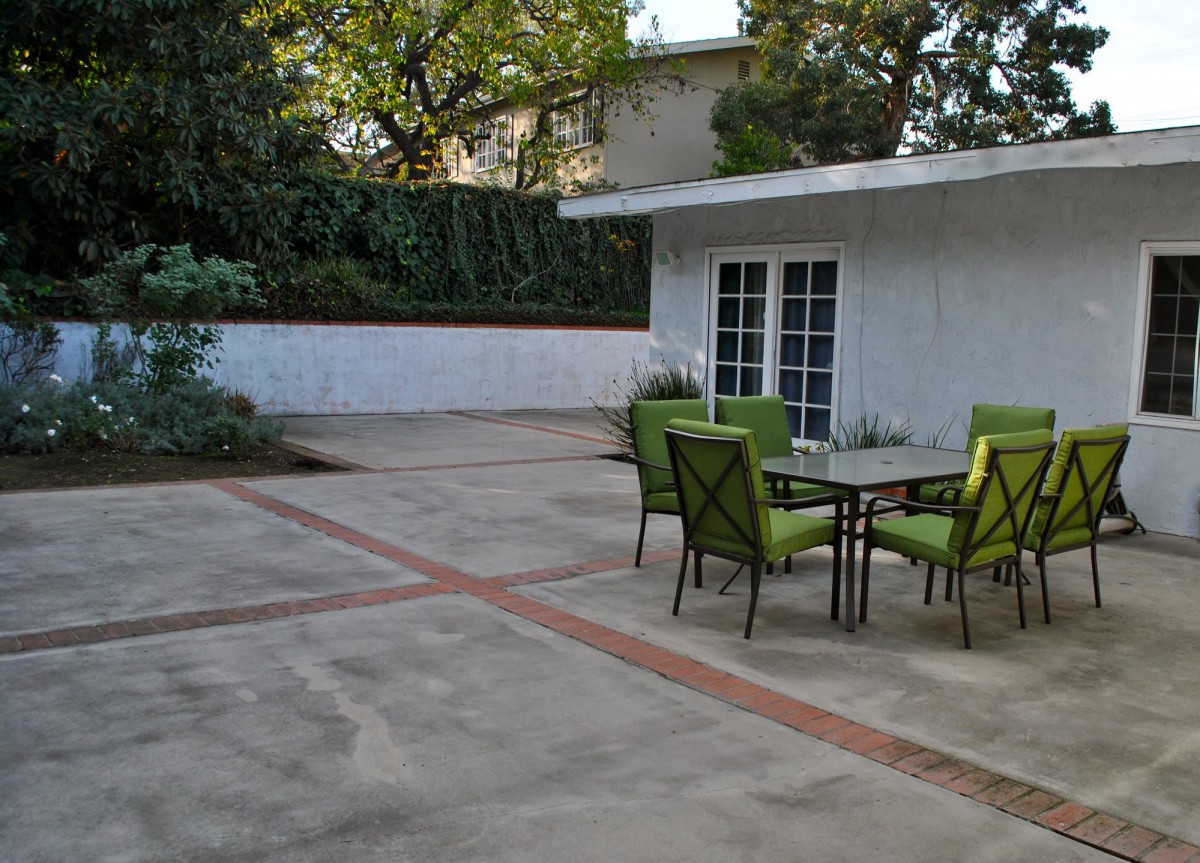
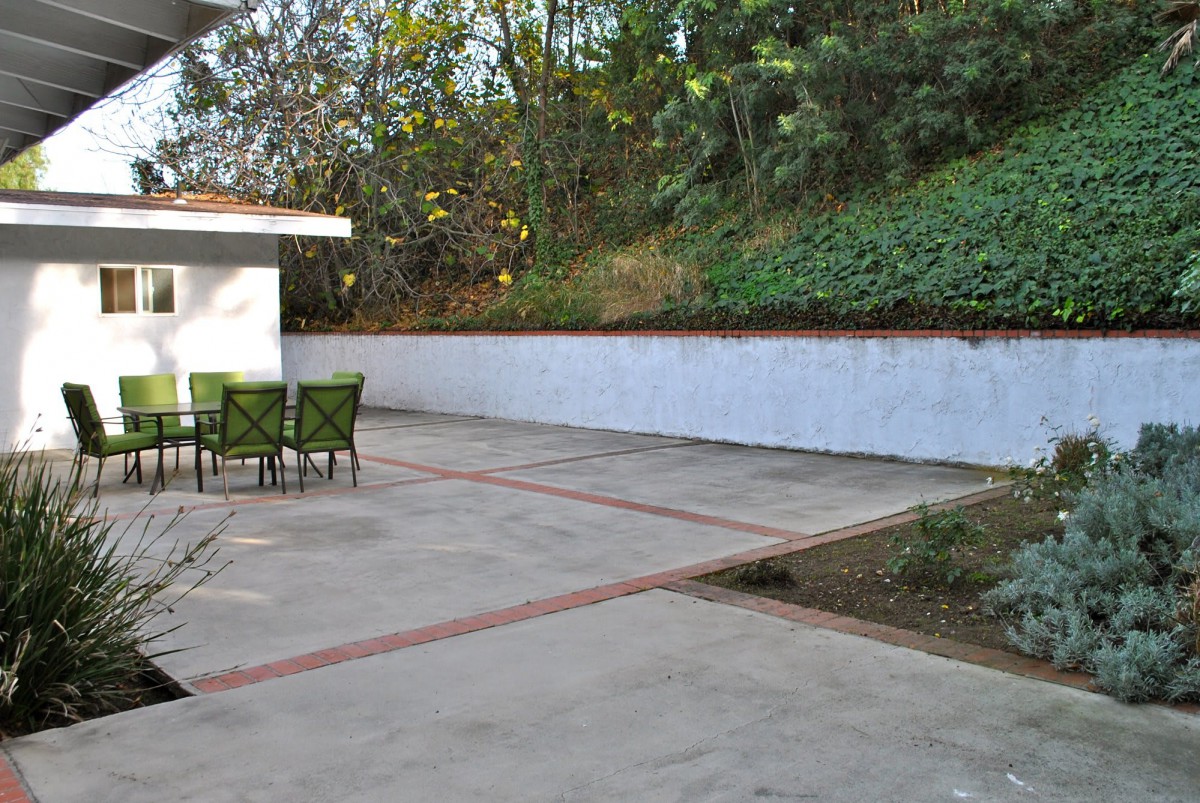
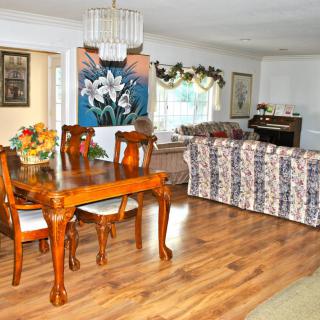
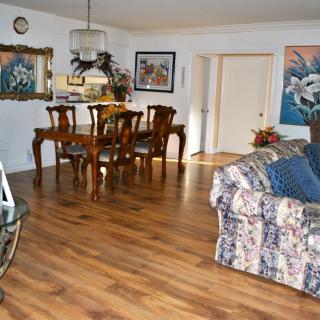

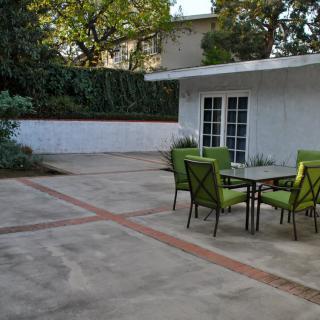
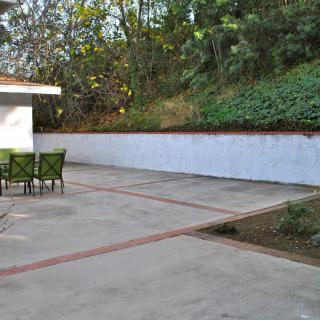
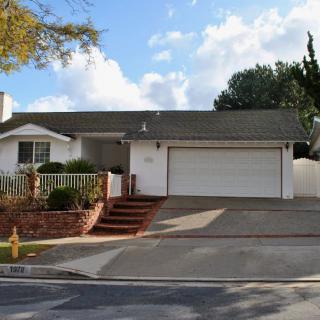
2052 Redondela Drive, Rancho Palos Verdes, CA 90275
For more information about senior living options: (866) 208-4318
Golden Care Living Costs & Pricing
Golden Care Living offers competitive pricing for its residents, particularly when compared to average costs in Los Angeles County and throughout California. For a semi-private room, Golden Care Living is priced at $3,500, which is slightly above the county's average of $3,349 but remains close to the state-wide average of $3,333. The facility's one-bedroom and private room options are both set at $5,000 per month; while this figure exceeds the local county rate of $4,603 and state average of $4,340 for one-bedroom accommodations, it aligns with the pricing strategy for private rooms where Golden Care Living is also above the county's $4,197 and state's $3,939 benchmarks. These figures reflect a commitment to providing quality care and amenities that may justify their premium pricing within a competitive landscape.
| Floor plans | Golden Care Living | Los Angeles County | California |
|---|---|---|---|
| Semi-Private | $3,500 | $3,349 | $3,333 |
| 1 Bedroom | $5,000 | $4,603 | $4,340 |
| Private | $5,000 | $4,197 | $3,939 |
Memory care communities with a similar price nearby
-
About the same

Kind Heart Home Care VI
$3,500 to $5,000 / month4.0 miles away -
from -$650 / mo
Alternative Senior Care - Freshwater
$2,850 to $3,250 / month18.0 miles away -
About the same
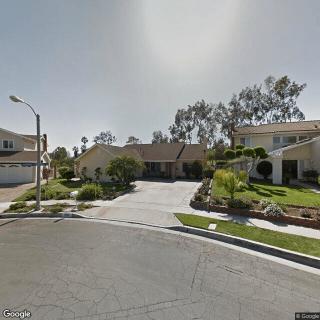
Sunny Ridge Manor Home
$3,500 to $4,000 / month21.3 miles away -
from -$500 / mo
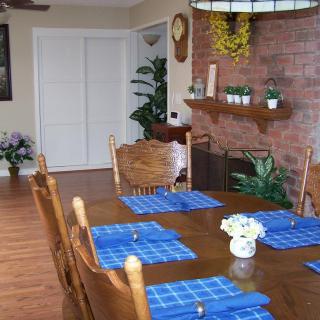
Buena Park Elder Care
$3,000 to $4,000 / month17.5 miles away -
from -$500 / mo
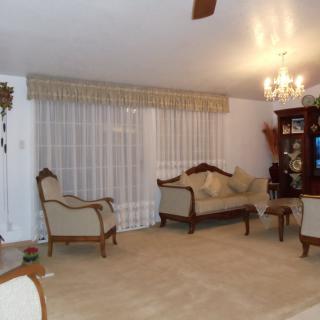
Alper's Care Home
$3,000 to $3,700 / month19.6 miles away
Overall Review of Golden Care Living
Pros
 The facility is clean.
- The workers are very nice.
- The food is good.
- He was incredibly well cared for by Miriam and Bella.
- He loved it there.
- The facility is artistic and clean.
- The food is like a home-cooked meal.
- The caregivers are attentive.
- The dad is very content there and happy.
Cons
 A reviewer would give a zero-star rating.
- The owners and staff were accused of shifting all responsibility to the family.
- They claimed families had to provide food items, such as oatmeal, for their loved ones to be served.
- There was no air conditioning, and the staff insisted it was not working.
- Bedrooms and TV rooms were kept at 80 degrees or higher, with residents left unattended.
- Visiting hours were criticized as 10 a.m. to 6 p.m., making visits difficult.
- Restrooms were not adequate and unsanitary, lacking toilet paper, paper towels, and hand soap.
- Activities were described as a joke, with residents largely confined to their rooms and only a TV for entertainment.
Review
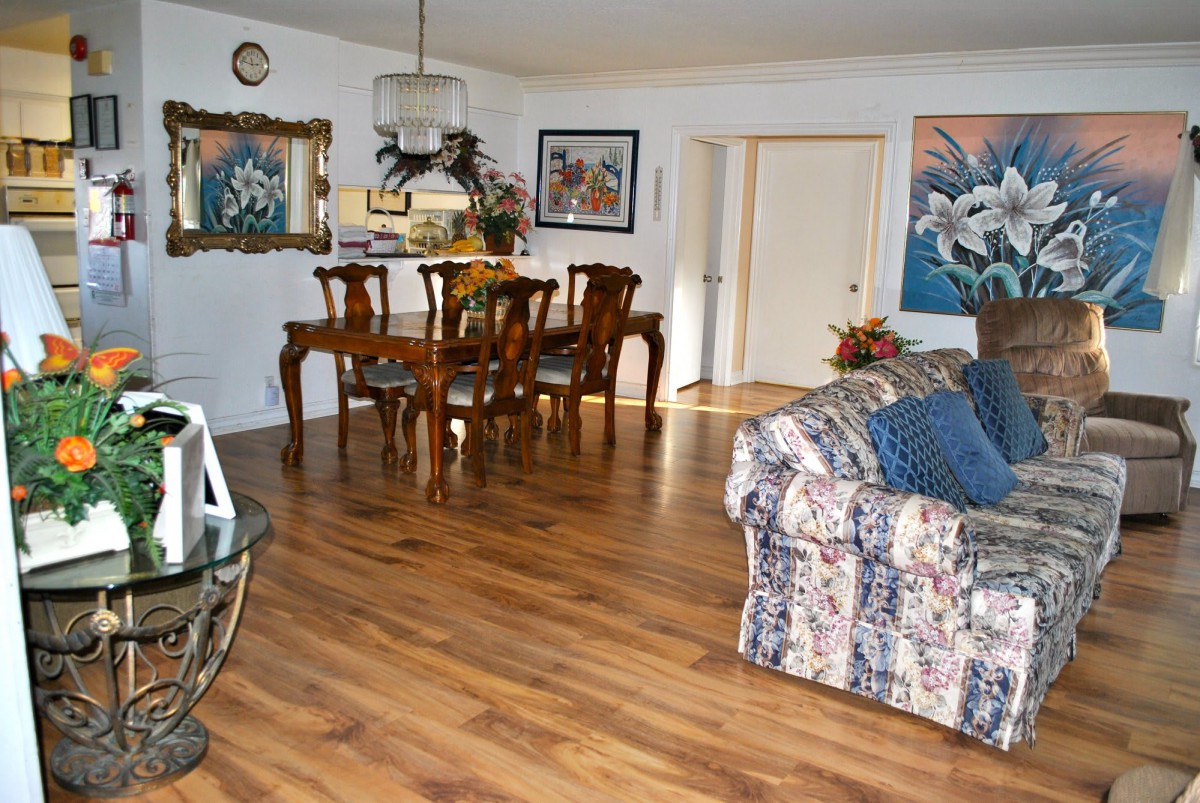
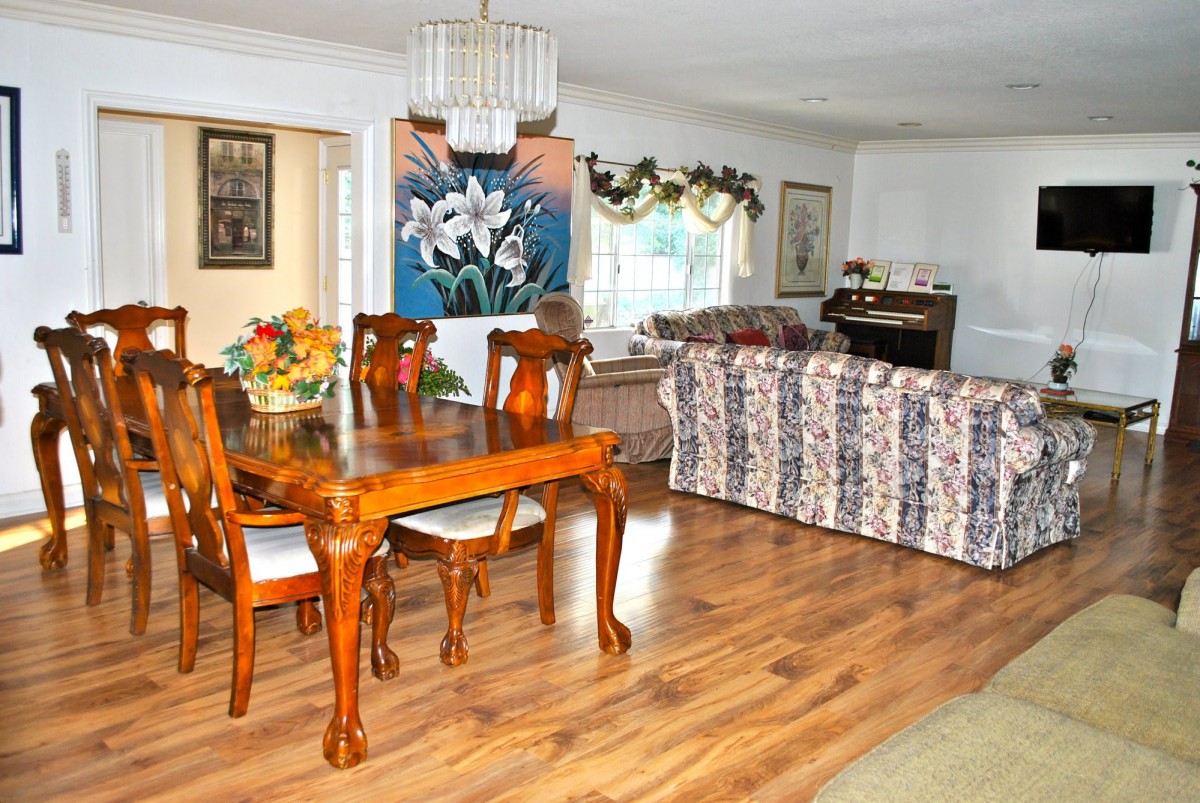
Golden Care Living in Rancho Palos Verdes is best suited for seniors who want a small, home‑like board-and-care experience where daily caregiving feels personal and the environment stays calm and clean. With a footprint of just six residents, the community delivers intimate, attentive care that families consistently note as its strongest asset. Residents are described as safe and well cared for, and the meals are regarded as homelike. For households seeking known faces guiding daily routines, and a setting where staff can form genuine, ongoing relationships with both resident and family, Golden Care Living clearly fits the bill.
That said, this community may not be the right choice for those who rely on predictable climate control, robust activity programming, or broad hours of operation. A recurring concern in the feedback highlights variable comfort features, including complaints about air conditioning in some spaces and assertions that climate controls do not perform as expected. Visiting hours have also drawn criticism for being less flexible than families would prefer. In addition, a minority of reviews allege a mismatch between posted capabilities and actual practice, including limited activities beyond passive television time and, in one case, perceived gaps in sanitary and safety standards. These realities matter for anyone evaluating care for a resident who values consistent infrastructure and vigorous day-to-day engagement.
The strongest positives, caregiver attentiveness, cleanliness, and homestyle meals, are meaningful offset to several of the downsides when the resident can thrive with high-touch, low-gestation care. The small size fosters staff familiarity with each resident’s routines, needs, and preferences, which translates into daily bathing, regular meals, and a sense of safety that families can observe and appreciate. The homey atmosphere, coupled with personal attention, creates trust and predictability in caretaking, which can be invaluable for seniors who prefer not to navigate a larger, more institutional setting. In such cases, the advantages often outweigh the inconveniences of limited amenities or occasional disruptions to climate comfort.
Nevertheless, the negative notes cannot be dismissed. Reports of inadequate air conditioning, claims that the facility does not consistently deliver what is promised, and pointed critiques about food quality or safety practices would give any family pause. The concerns about visiting hours, paired with a perception of restricted access, also matter for relatives who want to maintain a high degree of involvement. These factors suggest a real risk of frustration or unmet expectations if a resident relies on continuous environmental comfort, varied activities, or more flexible family engagement as core requirements of quality care.
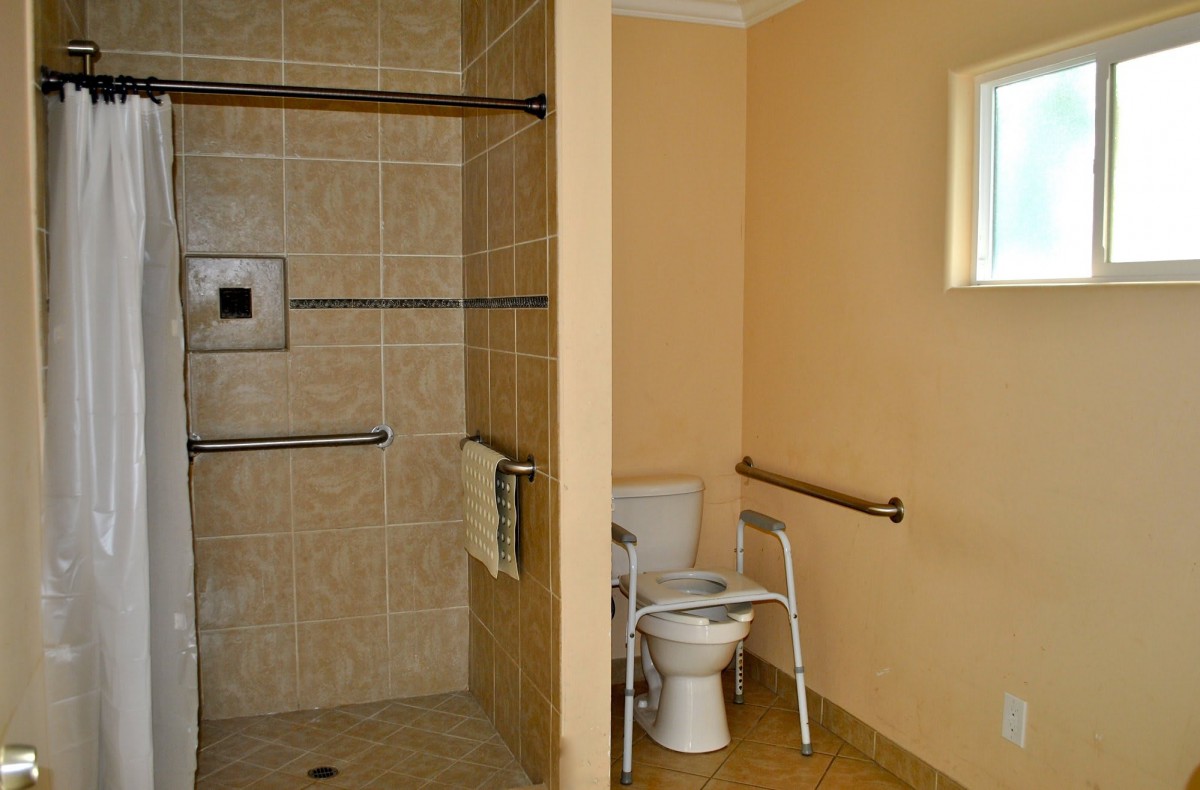
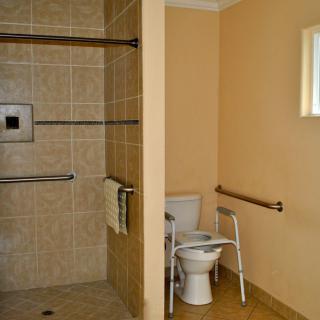
For families moving through the decision process, practical verification steps are essential. Schedule multiple on-site visits at different times of day to test climate comfort, noise levels, and the availability of staff for questions. Observe the bathroom setup and safety features, such as handrails and non-slip surfaces, and review the actual meal service for variety, nutrition, and adherence to dietary needs. Request to review the current care plan for the prospective resident, confirm the staff-to-resident ratio during peak times, and ask for specific examples of daily activities and engagement opportunities beyond passive TV time. Speak with several current residents’ families about communication, responsiveness, and any recurring concerns. Finally, obtain a clear, written understanding of visiting policies, emergency procedures, and the scope of services included in the monthly rate.
In the end, Golden Care Living offers a compelling package for families prioritizing intimate, individualized attention, a clean and welcoming environment, and home-style meals in a very small setting. These strengths provide substantial value and peace of mind when the resident thrives on consistent personal care and direct staff relationships. If climate reliability, broader activity programming, and flexible access are non-negotiables, or if sanitary or safety concerns persist after a thorough in-person review, alternatives, ranging from other small board-and-care options to larger assisted living communities, merit serious consideration. The decision hinges on balancing the comfort of a high-touch, low-crew model against the importance of climate consistency, activity richness, and unfettered family involvement.
 6 resident community capacity
 Assisted Living
 Board and Care Home
 Memory Care
 Respite Care
 Cats allowed
 Dogs allowed
 Activities off-site
 Bath tubs
 Beautician on-site
 Cable or satellite TV
 Devotional services off-site
 Dining room
 Fully furnished
 Garden
 Handicap accessible
 Housekeeping services
 Indoor common areas
 Move-in coordination
 Outdoor common areas
 Private
 Private bathrooms
 Telephone
 Wheelchair accessible showers
 Wi-Fi/high-speed internet available
 Long Beach (Daugherty) (10 miles away)
 24-hour supervision
 Assistance with bathing
 Assistance with dressing
 Assistance with transfers
 Diabetes diet
 Diabetic care
 High acuity care
 Incontinence care
 Meal preparation and service
 Medication management
 Special dietary restrictions
 Transportation arrangement (medical)
 Transportation to doctors appointments
 Forever fit
 Stretching classes
 Trivia games



 Understanding the Distinctions: Assisted Living and Memory Care Explained
 How to Communicate with a Loved One Living with Dementia: 10 Supportive Strategies
 Comprehensive Guide to VA Nursing Homes: A Crucial Long-Term Care Resource for Veterans