
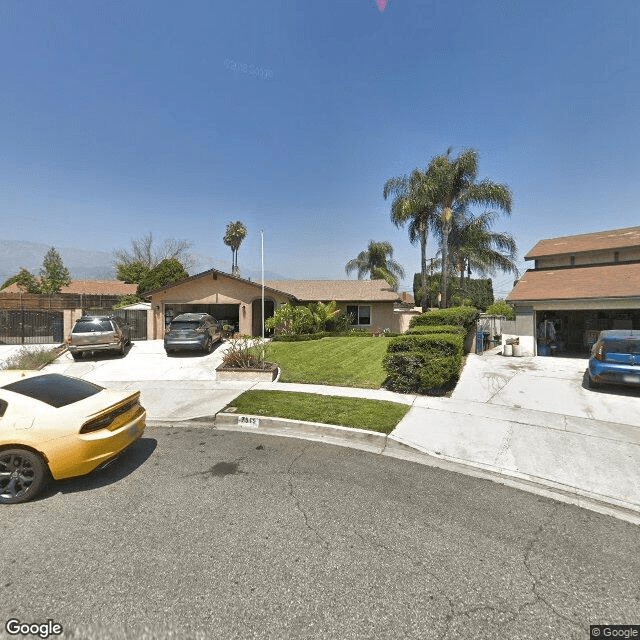
7515 Burgundy Avenue, Rancho Cucamonga, CA 91730
For more information about senior living options: (866) 208-4318
Palm Delight II Costs & Pricing
Palm Delight II offers an attractive pricing structure for its residents, especially when compared to the broader market in San Bernardino County and across California. For private rooms, residents pay $2,500 per month, significantly lower than the county average of $3,561 and the state average of $3,939. Similarly, the semi-private rooms at Palm Delight II are priced at $2,500 - competitive against the county's average of $2,958 and the state's average of $3,333. Each one-bedroom unit also maintains a cost-effective rate of $2,500 compared to the county's average of $3,548 and California's higher benchmark of $4,340. Overall, Palm Delight II positions itself as a commendable option for individuals seeking quality accommodations without excessive financial burden.
| Floor plans | Palm Delight II | San Bernardino County | California |
|---|---|---|---|
| Semi-Private | $2,500 | $2,958 | $3,333 |
| 1 Bedroom | $2,500 | $3,548 | $4,340 |
| Private | $2,500 | $3,561 | $3,939 |
Memory care communities with a similar price nearby
-
About the same
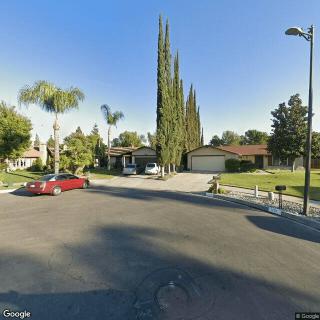
Valley Spring Elderly Care
$2,500 to $3,000 / month17.7 miles away -
from +$300 / mo

Bianca's Home Care
$2,800 to $3,400 / month19.6 miles away -
About the same
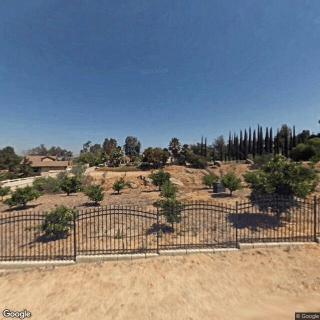
Golden Horizon Home I
$2,500 to $2,800 / month20.0 miles away -
About the same
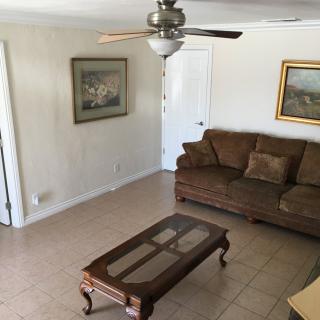
Center Plaza Senior Living
$2,500 to $4,600 / month15.9 miles away -
from +$100 / mo
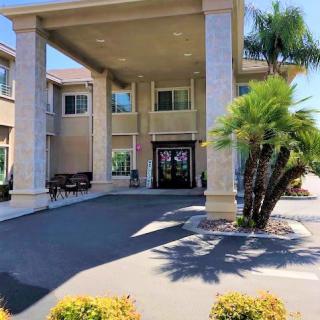
Villas At San Bernardino
$2,600 to $4,350 / month17.0 miles away
Overall Review of Palm Delight II
Pros
 The owner, Nancy, is described as caring deeply for her residents.
- Palm-Delight II is praised for cleanliness, with the home smelling fresh and inviting.
- The facility provides memory-care with alarms on the doors and 24-hour staffing for safety.
- Care workers handle all daily needs, meals, medications, laundry, and housekeeping.
- The house supervisor, Nellie, and the owner keep the place running smoothly, with residents fed and safe in a well-landscaped backyard.
- The staff are described as compassionate and treat residents like family, with extras like weekly nail painting and personalized care.
Cons
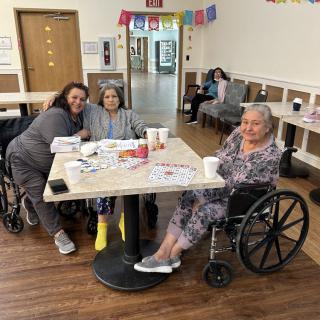
 There are no activities for residents; staff provide only basic care and fail to provide the necessary mental stimulation, leaving residents sitting around all day watching TV.
- There is only one caretaker to handle all the work for six residents, indicating significant understaffing.
Review
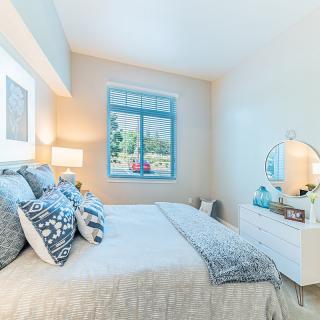
Palm Delight II is best suited for families seeking a small, memory-care focused home where safety, routine, and a genuine sense of belonging take priority. With just six beds and two residents per room, the operation feels distinctly intimate and hands-on under owner Nancy’s leadership. This is a setting built for memory-impaired residents who need alarmed doors, around-the-clock staffing, and daily help with meals, medications, laundry, and housekeeping, delivered in a residence that emphasizes warmth over clinical formality. The combination of a clean, well-kept house, a secure backyard, and steady human contact creates a calm atmosphere where anxiety often eases and familiar routines provide true comfort.
Those weighing alternatives should consider whether a larger, more program-rich environment is necessary. A number of reviews point to a lean activity slate and a staffing reality that can leave residents with limited stimulation. If a family prioritizes a robust social calendar, frequent off-site activities beyond the occasional weekly outing, or a high-intensity cognitive-stimulation program, Palm Delight II may fall short. For seniors who require less hand-holding and more ongoing structured programming, other communities with bigger teams and richer activity planning could be a better match.
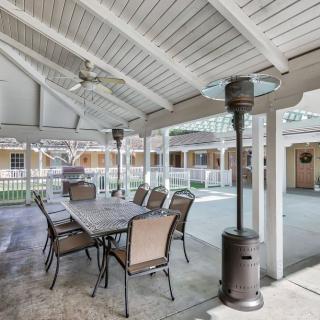
The major strengths lie in the care’s core reliability and the surprisingly high level of daily polish. The home’s cleanliness is consistently praised, with residents moving through spaces that feel fresh and thoughtfully maintained. The staff assume everything from meals to medications to laundry with a steady, respectful cadence that signals real competence. The owner and the supervisory presence keep operations cohesive, so residents aren’t simply cared for, they are monitored and known. The small-scale setting also enables meaningful gestures, such as personalized meal tweaks, nails polished by staff, and an environment where residents can be walked safely in a well-landscaped area. Occasional doctor visits and weekly group activities at the senior center add practical lifelines that help sustain well-being and social contact.
Yet the drawbacks carry enough weight to influence a decision. The most obvious is the limited, sometimes intermittent programming. When the day lacks meaningful activities, residents can drift into passive time, which is not ideal for memory care. The staffing reality, often described as one caregiver handling six residents, can create bottlenecks and limit the capacity to respond quickly or provide immediate engagement beyond basic needs. For residents with higher levels of agitation or complex medical regimens, the pace and resource constraints may not keep up with evolving needs. These factors do not negate the warmth or safety offered, but they do tilt the balance away from Palm Delight II for families seeking constant, high-energy cognitive stimulation and robust staffing.
Practical decision-making should start with a visit equipped to probe staffing and programming specifics. Ask for typical shift patterns, confirm who oversees medications after hours, and request a transparent overview of daily activities, how they’re planned, who leads them, and how often residents participate. Inquire about the scope of medical oversight, whether there are memory-care specific programs beyond walking and light exercise, and how outings are matched to individual interests. The overall atmosphere during visits matters: note whether care staff are attentive, whether residents appear engaged or merely supervised, and whether the home feels like a nurturing community rather than a watched-on environment.
In sum, Palm Delight II offers a warm, homelike memory-care option anchored by exceptional cleanliness and attentive owner involvement. It shines for families prioritizing a calm, secure environment where caregivers know residents well and daily routines anchor life. The key trade-off is clear: intimate care and a home atmosphere versus a thinner activity program and potential staffing strain. For a loved one who thrives on stability, familiarity, and personal attention, this community can be a deeply reassuring home. For those who insist on a consistently bustling activity schedule or a higher caregiver-to-resident ratio, it warrants careful comparison with alternatives that deliver richer programming and more robust staffing hours.
 6 resident community capacity
 Assisted Living
 Board and Care Home
 Memory Care
 Activities off-site
 Cable or satellite TV
 Dining room
 Fully furnished
 Garden
 Housekeeping services
 Indoor common areas
 Move-in coordination
 Outdoor common areas
 Private
 Respite or short term stays offered
 Telephone
 Wi-Fi/high-speed internet available
 Ontario International (4 miles away)
 24-hour supervision
 Ambulatory care
 Assistance with bathing
 Assistance with dressing
 Assistance with transfers
 Diabetes diet
 Diabetic care
 Incontinence care
 Meal preparation and service
 Medication management
 Special dietary restrictions
 Transportation arrangement (medical)
 Transportation to doctors appointments
 A Detailed Exploration of Assisted Living Medicaid Waivers Across the United States
 Exploring the Contrasts Between Assisted Living and Skilled Nursing
 Vibrant Senior Living: A Comprehensive Guide for Active Older Adults