
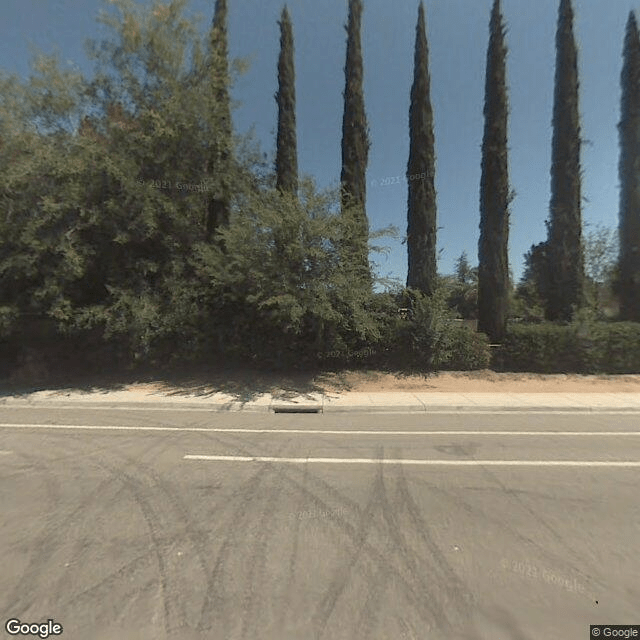
14530 Garden Road, Poway, CA 92064
For more information about senior living options: (866) 208-4318
Solaris 30 Costs & Pricing
Solaris 30 offers competitive pricing for its residential options when compared to the broader market in San Diego County and across California. For a semi-private room, Solaris 30 stands at $2,500 per month, significantly lower than the county average of $3,518 and the state average of $3,333. The studio option is priced at $3,500, providing an appealing alternative to the county's average of $4,217 and the state's rate of $4,145. For those seeking more privacy, a private room at Solaris 30 costs $3,800 - slightly above the county's and state's consistent rate of $3,939. Overall, Solaris 30 positions itself as an attractive choice for residents looking for quality accommodations without straining their budgets too much in comparison to local and state benchmarks.
| Floor plans | Solaris 30 | San Diego County | California |
|---|---|---|---|
| Semi-Private | $2,500 | $3,518 | $3,333 |
| Studio | $3,500 | $4,217 | $4,145 |
| Private | $3,800 | $3,939 | $3,939 |
Memory care communities with a similar price nearby
-
from +$350 / mo
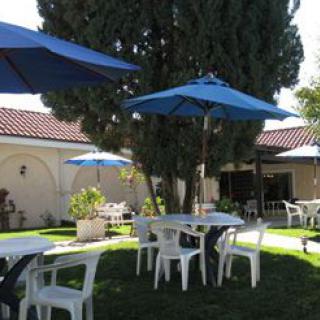
Alpine View Lodge
$2,850 to $3,550 / month15.4 miles away -
About the same
Golden Retreat - Senior Residential Care
$2,500 to $3,000 / month21.0 miles away -
from +$300 / mo
Carecenter at Home for Elderly
$2,800 to $3,500 / month18.3 miles away -
About the same
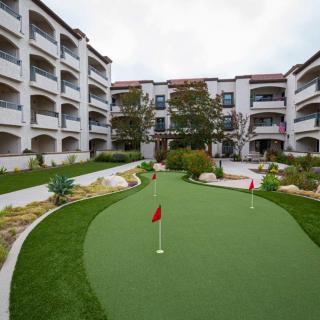
Casa De Las Campanas
$2,542 to $25,000 / month7.3 miles away -
About the same
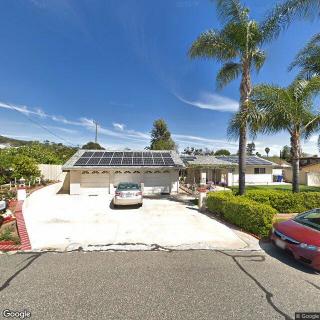
Woodland Borden Care
$2,500 to $3,000 / month15.5 miles away
Overall Review of Solaris 30
Pros
 The location was ideal.
- The price was cheap.
- It was close to the reviewers' house, making visits easier.
Cons
 The facility was disorganized and offered no activities for clients.
- It did not feel secure; clients could easily come and go, and staff were hard to identify.
- The room was not clean; the floor was sticky and cobwebs were in the corner.
- It was not right for her sister and not appropriate for their needs.
- The price was cheap, but it did not align with the menu, making it feel inappropriate.
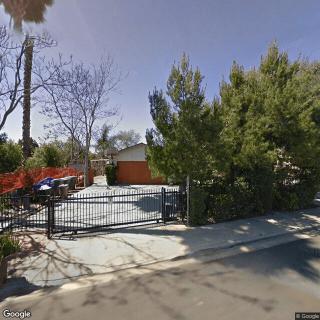
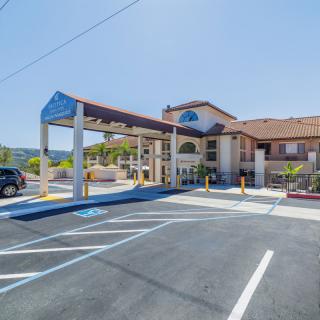
- It was hard to navigate, with multiple buildings and uncertainty about where to enter.
Review
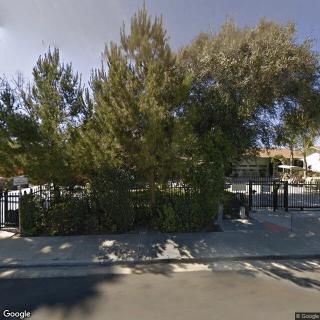
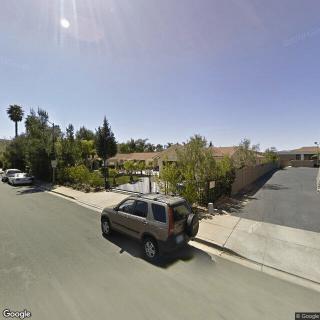
Solaris 30 in Poway is best suited for budget-conscious families that place proximity to home above polished programming. The reviews show a campus with an ideal location on paper, but the on-site experience falls far short of that promise. It will work for seniors who can tolerate a bare-bones environment, where the advantage is a low price and easy family visits rather than scheduled enrichment or nurse-led activities. In short, Solaris 30 serves those who want to stay near family without paying a premium for amenities they may not use. It is not a fit for anyone expecting a well-staffed, orderly community with robust daily programming.
Those considering alternatives are likely to be families with higher needs: seniors requiring daily assistance, strong staff presence, predictable routines, and a secure, well-controlled atmosphere. Memory care or assisted living with structured activity calendars, clearly identified team members, and clean, well-maintained facilities would likely outperform Solaris 30 in important ways. If safety and cleanliness top the list, the decision should tilt toward a stronger operator with visible staff and controlled access.
On the plus side, the one concrete pro is price coupled with proximity. The tour notes repeatedly flag the cheap price and proximity to home as the only redeeming features. However, these advantages do not meaningfully offset the core drawbacks: disorganization, sparse programming, and questionable upkeep. In assisted living, cleanliness and order are fundamental, and a low price cannot compensate for a fraught first impression or potential safety lapses. The price is not a value when the environment undermines comfort, trust, and day-to-day safety.
Operational flaws dominate the narrative: disorganization at arrival, unclear staff roles, and difficulty identifying the correct building and staff member during meetings. The sense that “anyone can wander in and out” undermines security and raises concerns about who is supervising residents. The physical space fails basic expectations, rooms and common areas not cleaned to standard, a sticky restroom floor, and cobwebs in corners that suggest inconsistent housekeeping. These are not minor irritants but fundamental barriers to a peaceful, dignified living environment.
To move the evaluation forward, families should demand concrete assurances during tours: a clear building map and signage; a defined point person for scheduling and emergencies; visible staff badges and roles; a written activities calendar with documented participation; and verifiable housekeeping standards with recent inspection notes. Ask how many buildings constitute the campus, how residents transition between them, and what security protocols exist to prevent unsupervised access. Consider arranging a second or third tour at different times to observe staff responsiveness and the daily rhythm, including mealtime and activities, if these still feel unstructured, it is a red flag.
Verdict: Solaris 30 is not a strong fit for most families seeking reliable assisted living or memory care. It may appeal solely to those who prioritize cost and proximity and are prepared to provide or supplement care externally, with the understanding that safety, cleanliness, and programming are markedly uneven. For anyone needing dependable oversight, predictable routines, and a clean, secure setting, alternatives in Poway with stronger ratings and clearer operations should be pursued first. Use these insights to screen options that demonstrate consistent staff presence, structured activities, and a track record of clean, orderly spaces.
 6 resident community capacity
 Assisted Living
 Board and Care Home
 Memory Care
 Activities off-site
 Cable or satellite TV
 Devotional services off-site
 Dining room
 Fully furnished
 Garden
 Housekeeping services
 Indoor common areas
 Move-in coordination
 Outdoor common areas
 Private
 Telephone
 Wheelchair accessible showers
 Wi-Fi/high-speed internet available
 San Diego International-Lindbergh (18 miles away)
 24-hour supervision
 Ambulatory care
 Assistance with bathing
 Assistance with dressing
 Assistance with transfers
 Diabetes diet
 Diabetic care
 Meal preparation and service
 Medication management
 Special dietary restrictions
 Transportation arrangement (medical)
 Transportation to doctors appointments


 Medications Associated with Dementia Risk: A Comprehensive Overview
 Guiding Your Journey: Understanding Power of Attorney for Elderly Parents
 22 Remarkable Caregiver Support Groups Available Online and In-Person