
204 Roberta Road, Pleasant Hill, CA 94523
For more information about senior living options: (866) 208-4318
Overall Review of Poets Corner Residential Care
Pros
 The property is described as a fine property.
- It is considered an acceptable rental.
- The maintenance staff made an effort to diagnose and address the dishwasher issue.
- The technician’s problem-solving efforts, including researching solutions, are appreciated.
- The leasing agent expressed willingness to help and to do what they could.
Cons
 The reviewer states Poet's Corner Apartments neglected their unit and were disrespectful.
- Maintenance visits were ineffective: the first technician cleaned filters without diagnosing the real problem.
- The second maintenance attempt looked up YouTube solutions and still could not resolve the issue.
- The situation dragged on for weeks, leaving them without a dishwasher for two months.
- The replacement unit arrived after a delay but was the wrong size, causing further postponement.
- The leasing agent refused to offer a credit, saying the dishwasher isn’t a necessity, which the reviewer found insulting.
- Overall, the property is fine, but the management is described as unorganized and rude.
Review
Poets Corner Residential Care in Pleasant Hill is best suited for seniors and families who want a straightforward, budget-conscious living option where the primary appeal is a basic residence rather than a polished, high-touch care program. The space is described as a fine property, and for residents who can tolerate slower maintenance and occasional miscommunications, it can deliver predictable housing costs without the frills of more expensive senior communities. The balance here favors affordability and simple, independent living more than seamless service delivery or proactive resident support.
Those who should seriously consider alternatives are families counting on dependable maintenance, consistently courteous staff, and clear accountability for service gaps. If the expectation is timely repairs, respectful communication, and a proactive approach to resident needs, this property’s current pattern will feel inadequate. Prospective residents should push for concrete pledges on response times, an explicit process for addressing repeated issues, and a mechanism for compensating disruptions when essential amenities are out of service for extended periods.
On the plus side, the property’s basic condition earns neutral-to-positive marks, and there is evidence of staff effort to diagnose and remediate problems even when expertise is limited. In the most concrete interaction, a maintenance visit showed willingness to engage with the issue; the team ultimately pursued a replacement when the problem persisted. Even when the process encountered friction, there were moments of acknowledgment from management, demonstrating that some level of attention is possible, just not consistently or predictably.
The core drawbacks are where risk lines form: chronic maintenance delays, disorganized management, and inconsistent, sometimes curt communication. A standout example is a two-month period without a functional dishwasher, followed by a replacement that turned out to be the wrong size and required yet more days to correct. A leasing agent’s reply that implied gratitude for a fixed but imperfect outcome underscored a troubling disconnect between resident need and service accountability. Taken together, these patterns erode trust and compound daily living frustrations, especially for residents who rely on reliable in-unit amenities.
The way the pros tilt against the cons matters. The willingness of staff to attempt fixes and the existence of a maintenance culture, however imperfect, lift the community above a purely obstructive experience. Yet these positives do not fully offset the downside: in senior living, reliability, respectful communication, and predictable service are not optional luxuries but expectations that protect daily routines and safety. For families, the takeaway is to insist on measurable service guarantees, earned credits for lengthy outages, and a clear escalation path before committing. Without those, the risk of recurrent disruption remains high.
In the end, Poets Corner Residential Care should not be the first pick for anyone who cannot tolerate irregular maintenance and uneven customer service. It remains a defensible choice for those prioritizing affordability and who can manage expectations and self-advocate when issues arise. For families needing consistent care coordination, timely repairs, and consistently courteous engagement from management, exploring alternative communities with documented service standards is prudent. Tour with a critical checklist: request documented response times, a defined maintenance escalation protocol, and a guarantee on essential amenities, plus a plan for compensation if disruptions extend beyond stated thresholds.
 6 resident community capacity
 Assisted Living
 Board and Care Home
 Cable or satellite TV
 Dining room
 Fully furnished
 Garden
 Housekeeping services
 Move-in coordination
 Outdoor space
 Telephone
 Wi-Fi/high-speed internet available
 Metropolitan Oakland International (17 miles away)
 24-hour supervision
 Activities of daily living assistance
 Assistance with bathing
 Assistance with dressing
 Assistance with transfers
 Diabetes diet
 Meal preparation and service
 Medication management
 Special dietary restrictions
 Transportation arrangement (medical)
 Transportation to doctors appointments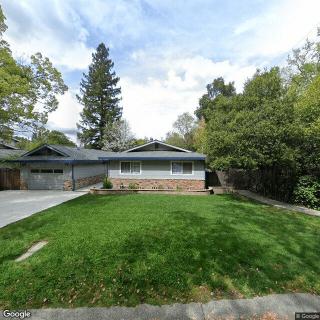




 Comprehensive Insights into Activities of Daily Living (ADLs) and Their Assessment
 Medicare Coverage for Assisted Living: An In-Depth Exploration
 Choosing the Right Senior Care: A Detailed Exploration of Assisted Living and Nursing Homes