
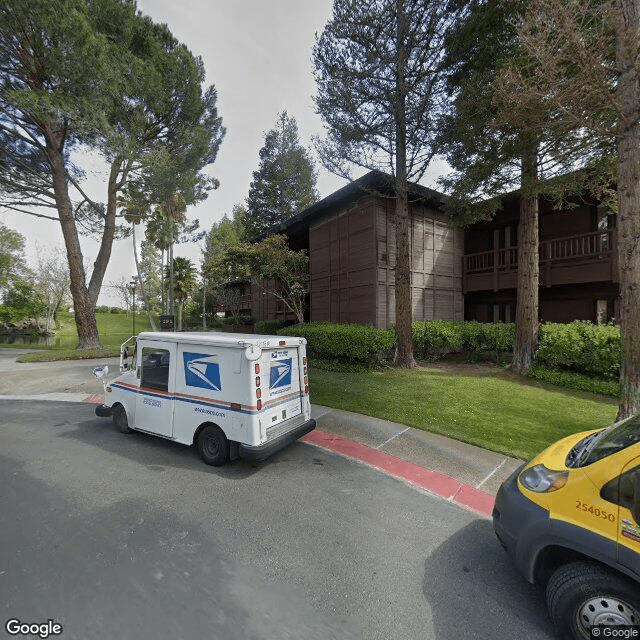
395 Taylor Blvd, Pleasant Hill, CA 94523
To contact a resident: (925) 771-8290
For more information about senior living options: (866) 208-4318
Overall Review of Kindred at Home of Pleasant Hill CA
Pros
 The client was very happy with Arcadia's home care.
- Arcadia made arrangements on short notice when support was needed, and the client was very pleased with their caregiver.
- Renalyn did an excellent job taking care of the grandfather.
- Renalyn was kind, attentive, and supportive throughout the process.
- The family is thankful to have had Renalyn as their nurse during such a difficult time.
Review
Kindred at Home of Pleasant Hill is best suited for families seeking reliable, at-home support for an aging loved one who prefers to stay in familiar surroundings. The model that emerges from the available feedback favors quick onboarding, hands-on assistance with daily activities, medication reminders, and compassionate companionship, delivered in the patient’s own home rather than a facility setting. When a rapid response is essential, such as after a hospital discharge or during a period of increased care needs, this provider’s ability to mobilize resources on short notice stands out as a core strength. For families prioritizing continuity of care and a humane, person-centered approach, this option is particularly compelling.
Those who may want to consider alternatives are families facing needs that go beyond in-home support. If 24/7 supervision is non-negotiable, or if the goal is to access a built-in social program, activities, and a structured community life, an assisted living or memory-care setting may deliver a more robust social framework and housing support. Similarly, for conditions requiring constant, high-intensity medical oversight in a facility environment, a skilled-nursing or hospital-based model might be a better fit. In short, this choice excels in home-based, flexible care; it is less suited to scenarios demanding constant supervision or a community-oriented daily rhythm.
The strongest pros, the ability to arrange care on short notice, the evident quality of the caregiver, and the caregiver’s kindness and attentiveness, significantly offset common concerns about in-home care. The testimonials highlight an experience where a caregiver made a meaningful difference during challenging times, and where arrangements were handled with efficiency and sensitivity. When a family cannot predict the exact timing of help, that agility reduces stress, accelerates recovery, and preserves autonomy for the elder. The upshot is clear: reliable responsiveness and a compassionate, well-regarded caregiver pool can deliver outcomes that feel closer to a hospital-discharge plan than to a precarious DIY support arrangement.
Nevertheless, even strong in-home care programs carry trade-offs. The reviews note a standout nurse-caregiver, but the small sample size means outcomes may vary in other cases or with different staff assignments. Continuity of care, whether the same caregiver remains with the patient or rotates, can influence comfort and trust, especially for someone who values a consistent relationship. Additionally, in-home care cannot wholly replicate the social ecosystem of a residential community, with scheduled activities, peer engagement, and built-in safety nets that some families expect from an assisted living setting. Cost consistency and long-term affordability are practical factors that require careful budgeting and insurance conversations.
From a decision-making standpoint, prospective clients should press for clarity on scheduling policies, caregiver assignment, and case management. A robust intake that yields a written care plan, with clearly defined goals, frequency of visits, and escalation steps, is essential. Ask whether there is RN oversight, what happens when a preferred caregiver is unavailable, and how after-hours or weekend needs are managed. Seek references beyond two positive notes, and request a trial period to observe compatibility, communication cadence, and the reliability of response times. These checks will expose how the agency translates fast onboarding into sustained, high-quality care.
In the end, Kindred at Home Pleasant Hill presents a persuasive choice for families prioritizing home retention, rapid mobilization, and compassionate, attentive caregivers. The narratives available point to a service culture that values responsiveness and dignity in caregiving, with caregivers like Renalyn exemplifying the standard families hope to see. For households where the objective is to keep a loved one safely at home with meaningful human contact and dependable scheduling, this provider is a strong fit. If the care needs tilt toward constant supervised living or a richer social milieu, alternatives deserve serious consideration, but the in-home option remains a practical, capable path worth pursuing with diligence and clear expectations.
 Metropolitan Oakland International (18 miles away)


 A Comprehensive Exploration of Common Misunderstandings about Powers of Attorney
 Senior Move Management: Understanding the Role, Value, and Associated Costs
 Weight Training for Seniors: Building Strength and Vitality