
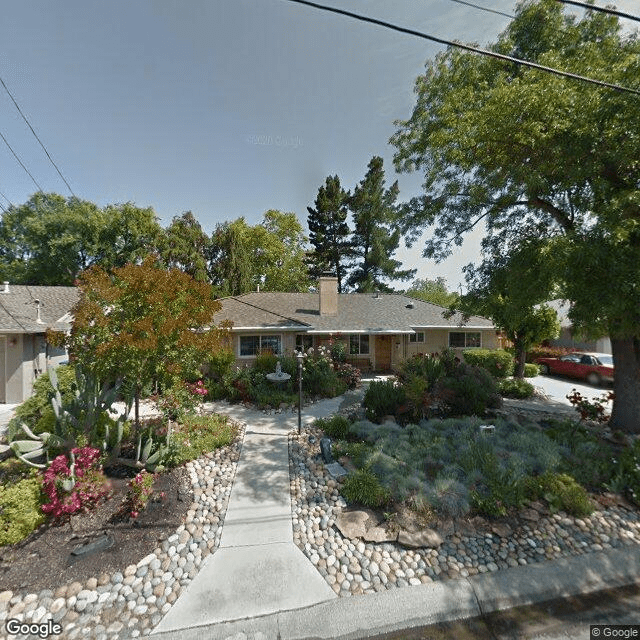
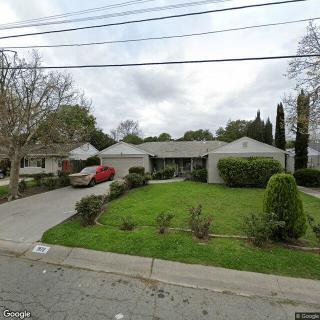
106 Vivian Drive, Pleasant Hill, CA 94523
For more information about senior living options: (866) 208-4318
Better Living Care Home Costs & Pricing
At Better Living Care Home, the monthly cost for a private room is set at $4,000. This figure positions it slightly below the average rate for Contra Costa County, which stands at $4,088. When compared to the broader context of California's average, Better Living Care Home offers a competitive price as the state's average for similar accommodations is approximately $3,939. This pricing structure not only reflects the quality of care and services provided but also highlights Better Living Care Home's commitment to affordability while maintaining high standards in resident support and comfort.
| Floor plans | Better Living Care Home | Contra Costa County | California |
|---|---|---|---|
| Private | $4,000 | $4,088 | $3,939 |
Memory care communities with a similar price nearby
-
About the same
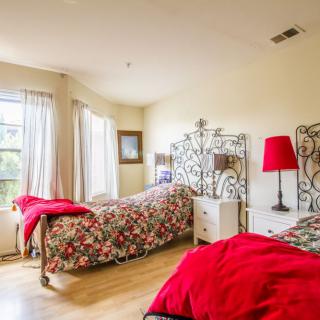
Golden Age Of Channing Way
$4,000 to $5,000 / month17.6 miles away -
from +$600 / mo

Milan Villa Senior Living
$4,600 to $9,200 / month24.7 miles away -
from -$500 / mo
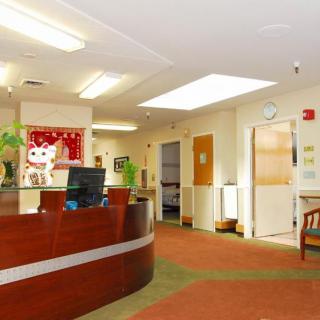
East Bay Assisted Living
$3,500 to $5,000 / month14.1 miles away -
from +$500 / mo
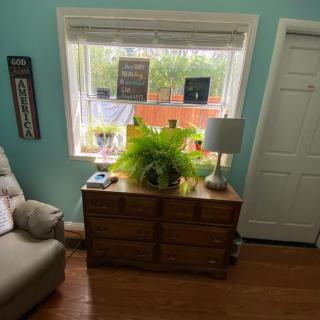
Lafayette Gardens
$4,500 to $5,000 / month5.2 miles away -
About the same
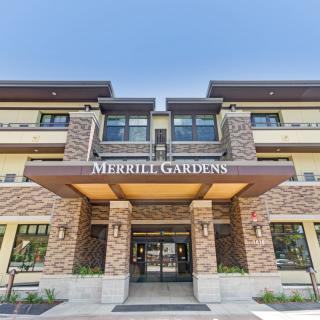
Merrill Gardens at Lafayette
$3,975 to $8,995 / month4.9 miles away
Overall Review of Better Living Care Home
Pros
 Better Living Care Home took care of the mother for nearly 10 years.
- All of the wonderful staff became trusted friends.
- The service to the resident and the family was consistently excellent and set a high standard for others to measure up to.
- The care was outstanding.
- The staff were excellent and caring, making the resident's final days the best possible.
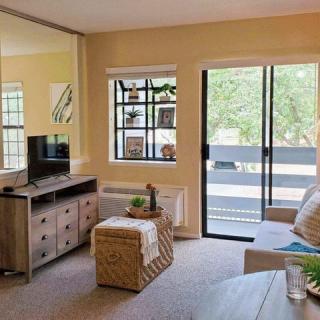
- The house was nice and clean, and the staff were friendly.
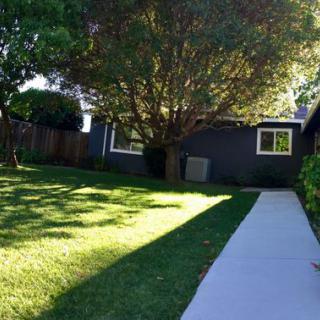
- The home is very pleasant, open, and sunny.
Cons
 Running a care home is never an easy task.
Review
Better Living Care Home in Pleasant Hill is best suited for families seeking a small, intimate, long-running living arrangement where caregiving relationships become deeply personal and stable. The community shines when continuity matters: residents benefit from caregivers who become trusted, almost family-like allies who stay the course for years. For families prioritizing personalized attention and a warm,-home atmosphere over brisk clinical complexity, this is a decisive fit. The emphasis on a clean, sunlit home and a staff that delivers consistency and genuine warmth makes it an excellent option for someone who values emotional comfort and dependable daily care as much as basic supervision.
Those who may want to consider alternatives should evaluate their needs against the setting’s strengths. If the priority is robust on-site clinical oversight, a larger campus with more formal medical programming, or specialized memory-care structures, a different option may be more appropriate. Some families may also want clearer visibility into pricing and private-pay arrangements; one note in the reviews hints at a private-pay figure, which suggests that while rates may be competitive, precise cost expectations should be confirmed early in the process. For residents who require frequent physician- or nurse-led interventions, or who crave a wide array of therapeutic activities and amenities typical of bigger facilities, a more expansive community could offer more comprehensive coverage.
The strongest positives anchor this community as a standout choice for long-term, relationship-driven care. A recurring theme across reviews is staff who deliver “outstanding” and “trustworthy” service over many years, with caregivers who become part of the family narrative. The care demonstrated during end-of-life moments is highlighted as compassionate and attentive, underscoring a level of dedication that goes beyond routine tasks. Residents are described as living in a nice, clean, open, and sunny home with friendly personnel, a combination that translates into predictable routines, reduced anxiety for families, and a sense of belonging for the resident. Even the small, personal touches, like makeup or nails during a final phase, signal a level of dignity and individualized attention that is hard to quantify but deeply valued.
Nevertheless, every option carries trade-offs, and this community is no exception. The most tangible trade-off centers on scope: the setting is a single, intimate home rather than a sprawling campus, so opportunities for a wide spectrum of clinical services, on-site therapy programs, or rapid escalation of medical care are inherently more limited. For some families, this is precisely the appeal, fewer transitions and a calmer daily rhythm, but for others it may feel restrictive if medical complexity increases or if residents expect a broad menu of activities. Acknowledging the reviews, there is a sense that the experience is consistently strong, but prospective residents should proactively verify the current staffing levels, care plans, and any gaps that could emerge as needs evolve.
When weighing pros against cons, the offset is compelling. The reliability of long-tenured, compassionate staff coupled with a homey, clean environment delivers stability that can significantly reduce the stress families feel about placing a loved one. The depth of positive feedback from multiple families reinforces confidence that this is more than a feel-good impression; it represents a track record of sustained quality and genuine care. The emotional value of knowing caregivers have “been in their lives” for years translates into better communication, fewer miscommunications, and a smoother care experience for residents who value familiar faces and routines. In short, the pros provide a robust counterweight to the unavoidable limits of a smaller setting.
For families determining their best path, this community represents a practical, high-valuation choice for those who prize trust, continuity, and personal dignity in a home-like environment. It is less well-matched for anyone whose decision hinges on extensive medical infrastructure, advanced clinical support, or a broad, programmatic faculty that a larger facility typically affords. The prudent approach is to schedule a visit with a targeted set of questions: confirm current nurse availability and on-site medical oversight, review the care plans and updates, and speak with current families about their day-to-day experiences. If the goal is a serene, familial atmosphere with unwavering caregiver commitment, Better Living Care Home poses a clear, confident recommendation.
 8 resident community capacity
 Assisted Living
 Board and Care Home
 Memory Care
 Respite Care
 Cats allowed
 Dogs allowed
 Activities off-site
 Cable or satellite TV
 Devotional services on-site
 Dining room
 Fully furnished
 Garden
 Housekeeping services
 Indoor common areas
 Move-in coordination
 Outdoor common areas
 Private
 Private bathrooms
 Telephone
 Wheelchair accessible showers
 Wi-Fi/high-speed internet available
 Metropolitan Oakland International (18 miles away)
 24-hour supervision
 Ambulatory care
 Assistance with bathing
 Assistance with dressing
 Assistance with transfers
 Diabetes diet
 Diabetic care
 High acuity care
 Incontinence care
 Meal preparation and service
 Medication management
 Special dietary restrictions
 Transportation arrangement (medical)
 Transportation to doctors appointments
 Christian services

 Medications Associated with Dementia Risk: A Comprehensive Overview
 Guiding Your Journey: Understanding Power of Attorney for Elderly Parents
 22 Remarkable Caregiver Support Groups Available Online and In-Person