
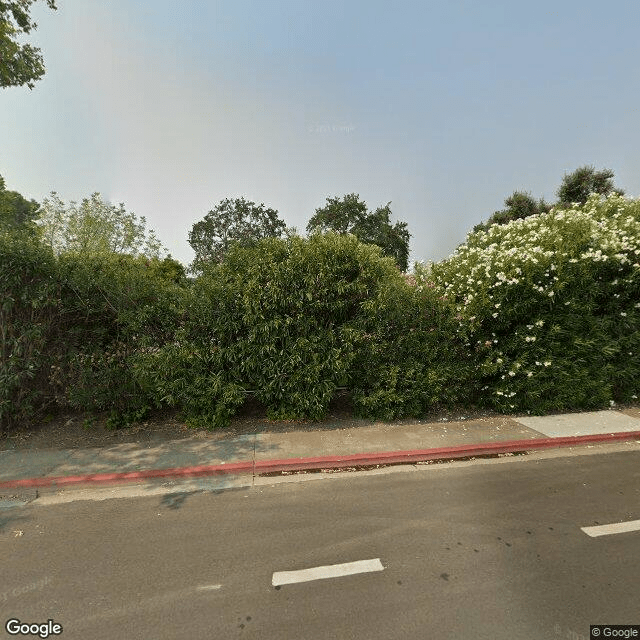
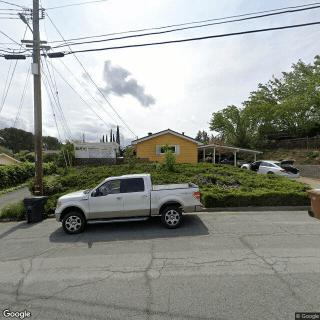
2511 Pleasant Hill Rd, Pleasant Hill, CA 94523
To contact a resident: (925) 451-6646
For more information about senior living options: (866) 208-4318
Arbogast Residential Care Home Costs & Pricing
Arbogast Residential Care Home offers competitive pricing for its services in comparison to both Contra Costa County and the broader California market. The monthly cost for a semi-private room is $3,000, which is notably lower than the county average of $3,471 and slightly more affordable than the state average of $3,333. For those seeking more privacy, the private room option at Arbogast is priced at $5,000. While this exceeds the county average of $4,088 and the state average of $3,939, it still reflects a commitment to providing quality care in an inviting environment. Overall, Arbogast Residential Care Home presents a viable choice for residents looking for personalized care solutions that align with their budgetary needs.
| Floor plans | Arbogast Residential Care Home | Contra Costa County | California |
|---|---|---|---|
| Semi-Private | $3,000 | $3,471 | $3,333 |
| Private | $5,000 | $4,088 | $3,939 |
Senior living communities with a similar price nearby
-
About the same
Golden Harmony Elderly Care
$3,000 / month7.0 miles away -
from -$100 / mo
Parkside Manor
$2,900 to $3,600 / month21.4 miles away -
About the same
Laylor Care Home For The Elderly
$3,000 to $4,000 / month14.8 miles away -
from -$500 / mo
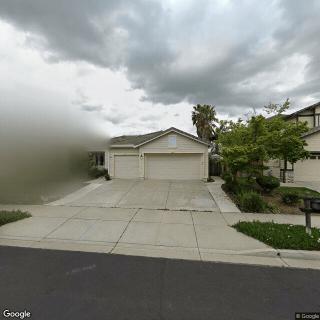
Brentwood Care Home
$2,500 to $4,000 / month20.2 miles away -
About the same

Palm Garden Home Care
$3,000 to $4,000 / month9.8 miles away
Overall Review of Arbogast Residential Care Home
Pros
 The caregivers treat residents with respect.
- They are kind, gentle, and patient with residents.
- They treat residents like family.
- Helen and Vicky are superior caregivers.
- The mother has excelled during her five weeks there.
- The stay has given her a new lease on life.
Cons
 The reviewer was not impressed with them.
- The reviewer doubted Helen's ability to manage the residents due to her age.
- The reviewer was turned off by the main caregiver never getting up from the dining room table to meet them.
- The reviewer found the visit impersonal.
- The reviewer noted that one room on Pleasant Hill Road was very noisy.
Review
Arbogast Residential Care Home in Pleasant Hill is best suited for families seeking an intensely personal, low‑volume environment where daily life feels like a private home rather than a campus. With a strict cap of six residents, the setting prioritizes consistency, familiar routines, and direct, hands-on attention. This is the kind of place where caregivers become regular presences in the resident’s day, and where stability and warmth can translate into meaningful improvements in mood, appetite, and overall well‑being for someone who thrives on individualized care and close relationships with staff.
That said, this community may not be the right fit for every situation. Families needing robust, on‑site medical oversight, extensive memory-care programming, or the security of a larger team with formal nursing coverage should consider alternatives. The concerns voiced by some observers, questions about the owner’s age and how that might impact day‑to‑day management, plus a sense that the primary caregiver role was not fully demonstrated in initial visits, signal that this home’s strengths depend heavily on the reliability and availability of its small leadership and caregiving crew. The physical setting can also be noisier, given its location on a busy road, which matters for residents who sleep lightly or are easily distracted.
The strongest positives here lie in the human connection and the small‑scale design. The owner, Helen, and the principal caregiver, Vicky, are described as exceptionally skilled, kind, gentle, and patient, traits that help residents feel valued and secure. The care feels non‑institutional and deeply respectful, with staff treating residents like family. In practice, that translates into tangible gains: one resident reportedly gained weight over a short period, signaling improved appetite, comfort, and a renewed sense of vitality. For families prioritizing emotional well‑being, predictable routines, and a familiar home atmosphere, these relational strengths are meaningful and often decisive.
Yet the downsides cannot be dismissed as minor friction. A perception that the owner’s age might limit ongoing capacity to manage all aspects of care can create unspoken anxiety about continuity. An impression of impersonality during a first visit, including a main caregiver who didn’t step forward to greet visitors, can raise concerns about communication and the warmth of a first impression. The combination of a small team with a lean schedule and a location that can be noisier than a traditional campus creates real tradeoffs: quiet, restorative sleep and unbroken attention may require careful planning around room assignment and daily rhythms.
In weighing the pros against the cons, the decision hinges on what matters most to the family. If the priority is a serene, homelike setting where a handful of residents are nurtured with patient, genuinely affectionate care, the advantages are compelling enough to offset potential risks associated with leadership depth and staffing breadth. The intimate staff-to-resident ratio, the sense of belonging conveyed to residents, and observed improvements in well‑being all serve as strong counterweights to questions about age and initial impressions. The risk is that any disruption in staffing or provider availability could be felt more acutely than in larger facilities.
Practical next steps are clear. Prospective families should visit at different times of day to observe genuine interactions and to assess how the care team handles routine and emergency-like situations. Ask for transparent staffing patterns, backup plans, and concrete care plans tailored to the resident’s medical needs. Verify room choices and their impact on noise and exposure to the street, and request current references from other families. If mobility issues, complex medical needs, or the requirement for a more formalized nursing presence are central concerns, explore alternatives such as larger assisted-living communities or memory-care facilities. For families prioritizing a home‑like, relationship-driven approach, Arbogast represents a compelling option, worth pursuing with targeted questions and a clear sense of what constitutes acceptable risk and reliable care.
 Board and Care Home
 Cats allowed
 Dogs allowed
 Private
 Metropolitan Oakland International (18 miles away)
 Ambulatory care
 Diabetic care
 Incontinence care


 Effective Strategies for Keeping Seniors' Minds Active: A Deep Dive into Brain Games and Apps
 In-Depth Look at the VA Aid and Attendance Program
 Nurturing Our Loved Ones: A Daughter's Journey in Caring for Her Mother