
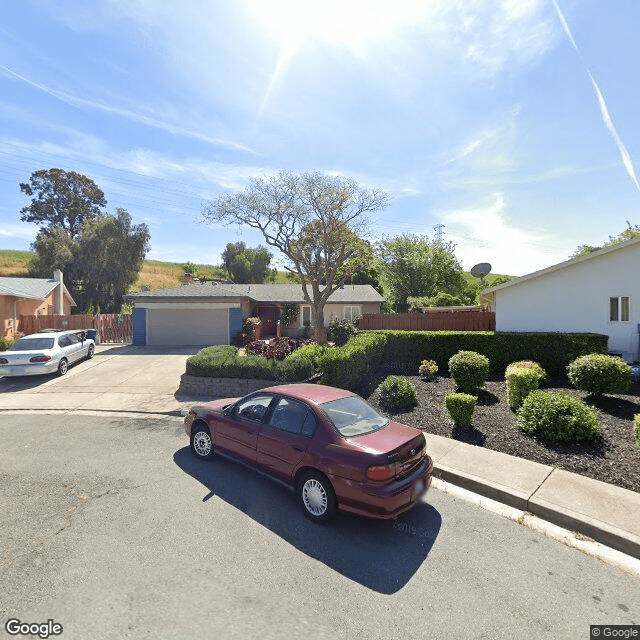
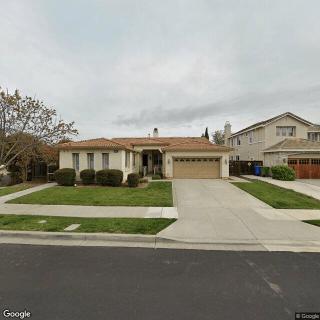
12 Linford Court, Pittsburg, CA 94565
To contact a resident: (925) 360-4660
For more information about senior living options: (866) 208-4318
Overall Review of Tranquility Care
Cons
 The patient was left alone in the shower and fell.
- The staff never called to inform the family about the accident.
- The family was told about the fall almost an hour later.
- The patient was left unsupervised in the shower despite having a fall-risk bracelet.
- Admin and supervisors were careless about the incident.
Review
Tranquility Care in Pittsburg, CA, is best suited for seniors who want a straightforward, budget-conscious assisted living option and can function with standard supervision rather than high-intensity medical oversight. The setting tends to appeal to residents with moderate assistance needs, who value a home-like atmosphere, predictable daily routines, and accessible proximity to family members who can stay engaged in care planning. For families prioritizing cost efficiency and a calm, neighborly environment, Tranquility Care can be a practical choice. The facility’s mix of services appears aimed at everyday living routines more than complex clinical care, which makes it reasonable for people who do not require constant monitoring or rapid escalation of care.
Care decisions must also consider who may want alternatives. The most compelling reason to look elsewhere is the possibility of high fall risk or post-stroke needs demanding vigilant supervision and immediate caregiver response. The incident described by one family, an unattended shower fall, delayed notification, and concerns about supervision and admin responsiveness, highlights a risk profile that not all facilities are equally equipped to manage. Families of residents with mobility limitations, recent hospital discharge recovery, or needs for real-time oversight should weigh whether staff ratios, supervision practices, and reporting protocols meet those demands.
On the plus side, several reviews imply a generally courteous staff and a comfortable, livable environment. When care teams are responsive in day-to-day tasks, offer reliable assistance with dressing, grooming, and meals, and keep residents engaged socially, families feel a meaningful sense of support. The best-case picture is a community where aides are accessible, activities provide routine structure, and basic safety measures are in place without creating an institutional atmosphere. Those positives matter, because quality of daily life in assisted living hinges on dependable, approachable staff, clean facilities, and predictable schedules that reduce anxiety for residents and families alike.
Yet the most serious con is the safety lapse that occurred in the reported incident. A fall risk scenario, a fall in the shower, and a prolonged delay before notifying family or supervisors is the kind of breakdown that defeats the purpose of assisted living for someone managing post-stroke needs. Administrative response, perceived as careless, amplifies concerns about accountability, incident documentation, and corrective action. Even if this is an isolated case, it tests the facility’s commitment to protecting vulnerable residents and communicating promptly with families, and in potential crisis, that commitment must be unwavering.
How the apparent pros measure up against the cons depends on risk tolerance and support structure. For a family willing to supplement staff oversight with regular external check-ins, or for a resident with moderate needs who does not routinely require immediate intervention, Tranquility Care can deliver satisfactory day-to-day living. The key is to clarify fall-prevention practices, staff-to-resident ratios during peak hours, emergency notification workflows, and caregiver training. Prospective residents should demand concrete assurances: how many staff are on duty at any time, what triggers urgent alerts to families, and what steps are taken after a fall to prevent recurrence. If these assurances cannot be met, alternatives with stronger safety records may be preferable, including other assisted living communities or even skilled-nursing options for higher levels of supervision.
Bottom-line guidance: Tranquility Care can work for families prioritizing a calm setting and reasonable cost when needs are moderate and oversight is manageable through active family involvement and clear safety protocols. However, for residents with significant mobility impairment, recent post-acute needs, or a history of falls, alternatives should be pursued. The prudent path is to visit with the administrator, review incident logs and care plans, and compare with other local options that demonstrate stronger supervision, quicker incident reporting, and proven fall-prevention measures. A decisive choice will hinge on whether the facility’s safety culture and accountability align with the resident’s risk profile and the family’s tolerance for ongoing vigilance.
 Board and Care Home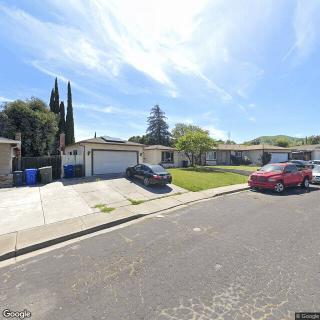
 Vibrant assisted living with easy access to dining, parks, pharmacies, and healthcare nearby.
 In-Depth Look at the VA Aid and Attendance Program
 Nurturing Our Loved Ones: A Daughter's Journey in Caring for Her Mother
 Nurturing Our Elders: Linda's Journey of Supporting Her Mother