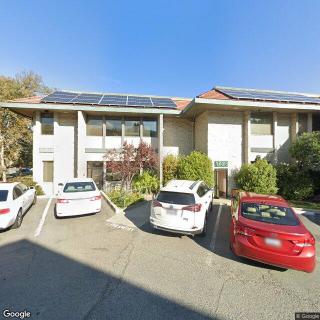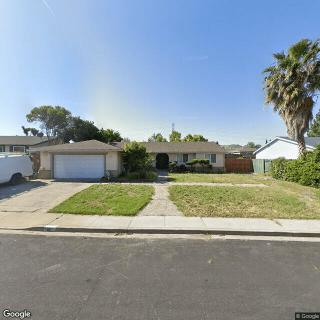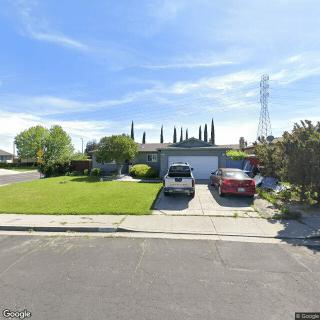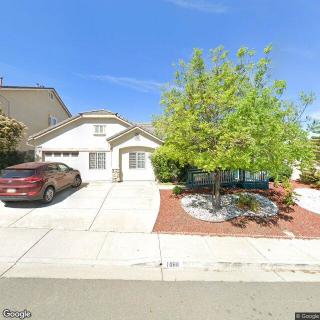
Tender Loving Care in Pittsburg, CA

Save
Tender Loving Care

Tender Loving Care in Pittsburg, CA

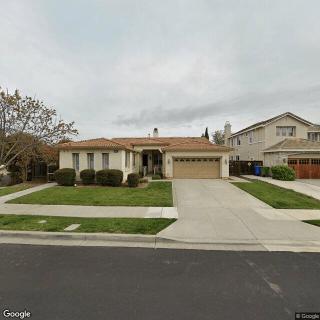
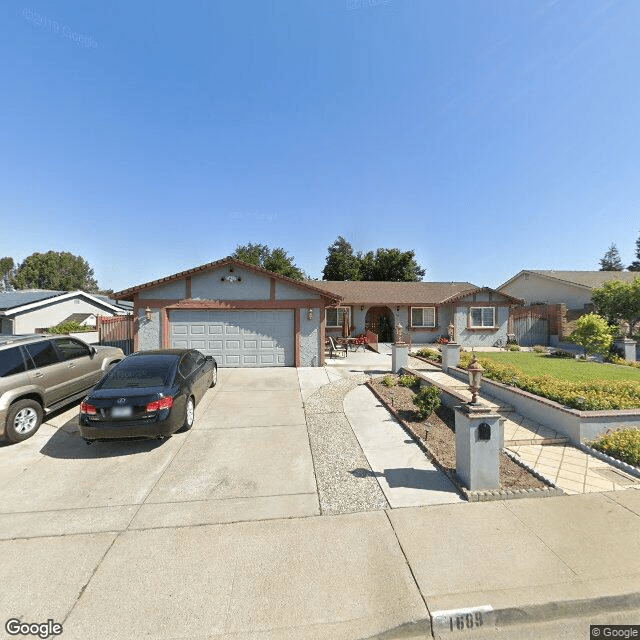
1689 Heatherwood Drive, Pittsburg, CA 94565

For more information about senior living options: (844) 490-3973

3 from 2 reviews
Assisted Living Board and Care Home Respite Care

Tender Loving Care Costs & Pricing

Tender Loving Care offers competitive pricing for its room options compared to the broader market in Contra Costa County and California. For a semi-private room, residents at Tender Loving Care pay $2,500 per month, which is significantly lower than the county average of $3,471 and the state average of $3,333. Similarly, the cost for a private room at Tender Loving Care is set at $3,000 monthly, offering great value against the higher price points of $4,088 in Contra Costa County and $3,939 statewide. These rates reflect Tender Loving Care's commitment to providing quality care while maintaining affordability for families seeking compassionate residential options.

Floor plansTender Loving CareContra Costa CountyCalifornia
Semi-Private$2,500$3,471$3,333
Private$3,000$4,088$3,939

What level of care are you interested in?

Assisted Living

Memory Care

Independent Living

Skilled Nursing Facility

Continuing Care Retirement Community (CCRC)CCRC

Other


Request a tour at Tender Loving Care

    Overall Review of Tender Loving Care

    Pros

    • pro The mom is doing well at Tender Loving Care.
    • pro Tender Loving Care is a nice place for her.
    • pro It is a small residential home with about five residents.
    • pro There is a registered nurse on site and the care is good.

    Cons

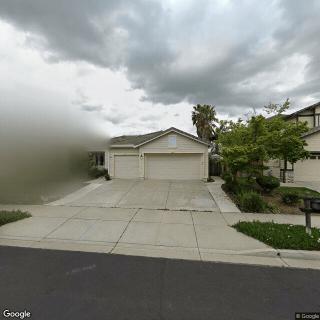
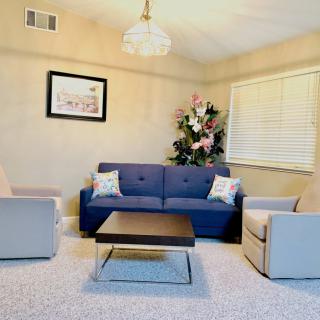
    • pro It felt like the place was more like someone's house than a care facility, with personal items and clothing scattered around.
    • pro It seemed someone was being brought into the home to live there without proper care for the residents.
    • pro There was little intimacy or genuine concern shown toward the residents.
    • pro It appeared the staff prioritized filling rooms over providing care.

    Review

    Tender Loving Care in Pittsburg, California is best suited for seniors who want a truly small, home?like living arrangement with close, day?to?day supervision and straightforward care routines. The community operates as a five?resident residential home, delivering familiarity, constant check?ins, and a daily rhythm that feels more private and domestic than institutional. An on?site registered nurse provides a level of medical oversight that reassures families seeking reliable health monitoring without the complexity of a larger campus. This setup is ideal for residents who value intimate attention and a cozy, familiar environment while still requiring dependable basic care.

    Those evaluating Tender Loving Care should explicitly consider alternatives if the priority is more intensive medical programming, a wider network of activities, or a clearly delineated professional boundary between home life and care. The small scale can mean limited staff, fewer therapeutic programs, and less on?site social programming, which may leave some residents wanting more structure or opportunities for engagement. Families confronting higher medical needs, frequent therapies, or a desire for a formal care framework may find that larger facilities deliver the consistency and breadth of services they require. In short, this setting targets comfort and simplicity over breadth of services.

    The strongest pro - the intimate, low?ratio environment - delivers tangible benefits that can offset the main drawbacks. Five residents enable caregivers to tailor daily routines, meals, and reminders to individual preferences, reducing the sense of impersonality that can accompany bigger communities. The on?site RN adds a meaningful layer of safety, especially for medication management and routine health checks, which can translate into faster response times and a more responsive care plan for minor health changes. For families prioritizing homelike living with competent medical oversight, these factors often justify choosing Tender Loving Care over more commercialized options.

    Yet, the homelike setting also carries potential downsides that influence decision quality. One observation describes the space as feeling like a private residence replete with personal items, which can blur boundaries between living space and care operations. Such a dynamic may raise concerns about privacy, privacy?related boundaries, and the apparent emphasis on occupancy over structured clinical oversight. Another review highlights variability in perceived care quality, reminding that in a tiny residence, staffing dynamics and day?to?day attention can shift more readily than in larger, more standardized facilities. Taken together, these perceptions underscore that the environment can be wonderfully comforting for some and inconsistently reassuring for others.

    Decision?makers should approach this option with concrete due diligence. In practice, it is essential to verify whether care plans are individualized and how changes in health status are monitored and communicated. Clarify the caregiver?to?resident ratio across shifts, confirm the availability of the RN for routine checks and urgent needs, and inquire about medication handling, emergency procedures, and incident reporting. Request a detailed tour focused on daily routines, meal service, and opportunities for social interaction beyond quiet afternoons. Finally, obtain a transparent breakdown of costs, what is included, and what would trigger a transition to a higher level of care, ensuring alignment with the trajectory of the resident's needs.

    Overall, Tender Loving Care represents a pragmatic, well?defined niche: a warm, small?scale home environment backed by on?site nursing support. For families seeking intimate attention, predictable routines, and a caregiver network that treats residents like family while keeping medical oversight accessible, this community can be a strong fit. For those whose priorities include robust programming, clear professional boundaries, and the capacity to sustain more intensive medical or social needs, exploring alternatives may yield better alignment. The practical question is whether the resident's care needs align with the advantages of a five?resident home plus on?site RN, or whether a larger, more structured setting better matches long?term requirements.

    Features

    Housing

    • 6 resident community capacity 6 resident community capacity

    Types of Care

    • Assisted Living Assisted LivingAssisted living facilities provide crucial support and care for seniors who may need help with daily tasks such as medication management, bathing, and meal preparation. These communities offer a safe and comfortable environment where seniors can maintain their independence while receiving the assistance they need to thrive in their golden years.
    • Board and Care Home Board and Care HomeBoard and care homes provide a smaller, more intimate setting for seniors who require assistance with daily tasks but do not need the level of care offered by a nursing home. They offer personalized care, meals, and social activities in a homelike environment, ensuring that seniors receive individualized attention and support in their golden years.
    • Respite Care Respite CareRespite care provides temporary relief for caregivers, allowing them to recharge and attend to their own needs. It also gives seniors the opportunity to socialize, receive professional care, and experience a change of scenery, promoting overall well-being and reducing feelings of isolation.

    Amenities

    • Activities off-site Activities off-siteEngaging in off-site activities is crucial for seniors to maintain social connections, stay active, and stimulate their minds. It promotes overall well-being and helps combat feelings of isolation and loneliness.
    • Activities on-site Activities on-siteActivities on-site are important for seniors because they provide opportunities for socialization, mental stimulation, physical activity, and overall well-being. Engaging in activities can help seniors stay active, maintain their independence, and improve their quality of life.
    • Cable or satellite TV Cable or satellite TVCable or satellite TV is important for seniors because it provides entertainment, news, and companionship, helping to combat loneliness and boredom. It also offers a wide range of programming options tailored to different interests and preferences.
    • Dining room Dining roomDining rooms are important for seniors as they provide a space for socialization, connection, and nutritious meals. They offer opportunities for residents to bond over shared meals, foster a sense of community, and promote healthy eating habits. Dining rooms also ensure that seniors have access to well-balanced meals tailored to their dietary needs and preferences.
    • Fully furnished Fully furnishedFully furnished senior living communities are important for seniors because they provide convenience, comfort, and a hassle-free moving experience. Seniors can easily settle into their new living space without the stress of having to buy and move furniture. This allows them to focus on enjoying their new home and community.
    • Garden GardenGardens are important for seniors as they provide a peaceful and therapeutic environment for relaxation, physical activity, and socialization. Being in nature has been shown to reduce stress, improve mood, and promote overall well-being. Gardens also offer opportunities for seniors to engage in gardening activities, which can improve mobility, flexibility, and cognitive function. Additionally, gardens create a sense of community and connection with others who share a passion for plants and outdoor spaces.
    • Housekeeping services Housekeeping servicesHousekeeping services are important for seniors because they help maintain a clean and safe living environment, promote independence, and reduce the risk of accidents or illnesses. Additionally, having assistance with household chores can alleviate physical strain and allow seniors to focus on other aspects of their well-being.
    • Indoor common areas Indoor common areasIndoor common areas are crucial for seniors as they provide a space for socialization, recreation, and community engagement, promoting overall well-being and reducing feelings of isolation and loneliness.
    • Move-in coordination Move-in coordinationMove-in coordination is important for seniors because it helps ease the transition into their new living environment. It ensures that all logistics, such as packing, organizing movers, and setting up utilities are taken care of, allowing seniors to focus on settling in and adjusting to their new home. Having a smooth move-in process can alleviate stress and anxiety, making the transition smoother and more enjoyable for seniors.
    • Outdoor common areas Outdoor common areasOutdoor common areas are important for seniors as they provide a space for socialization, physical activity, and relaxation. Being outside in nature can improve mood and overall well-being, while also encouraging movement and engagement with others. These spaces can help combat feelings of isolation and promote a sense of community among residents.
    • Outdoor space Outdoor spaceOutdoor spaces are important for seniors as they provide opportunities for physical activity, social interaction, exposure to natural light and fresh air, and a sense of connection to nature. Having access to outdoor spaces can improve overall well-being and quality of life for older adults living in senior communities.
    • Private PrivatePrivacy is important for seniors as it allows them to maintain their independence, dignity, and sense of control over their own lives. It also gives them the space and freedom to relax, reflect, and engage in activities that bring them joy and fulfillment. Creating private spaces within senior living facilities is crucial for promoting overall well-being and quality of life.
    • Respite or short term stays offered Respite or short term stays offeredRespite or short term stays provide seniors with a temporary solution when their regular caregiver is unavailable, offering them the opportunity to receive additional care and support during times of need, while also giving caregivers a chance to rest and recharge.
    • Telephone TelephoneTelephones are important for seniors as they provide a lifeline for communication with loved ones, emergency services, and healthcare providers. They offer a sense of security and independence, enabling seniors to stay connected and access assistance when needed.
    • Wheelchair accessible showers Wheelchair accessible showersWheelchair accessible showers are crucial for seniors as they provide a safe and independent bathing option for those with mobility challenges. These showers help prevent falls and allow seniors to maintain their dignity and autonomy while ensuring they can bathe comfortably.
    • Wi-Fi/high-speed internet available Wi-Fi/high-speed internet availableWi-Fi/high-speed internet is important for seniors to stay connected with loved ones, access online resources, and participate in virtual activities to combat feelings of loneliness and isolation. It also allows them to easily manage healthcare needs, access entertainment, and engage in lifelong learning opportunities.

    Care Services

    • 24-hour supervision 24-hour supervision24-hour supervision is important for seniors to ensure their safety, well-being, and access to immediate assistance in case of emergencies or health issues. This constant support provides peace of mind for both seniors and their loved ones, allowing them to age in place with dignity and security.
    • Activities of daily living assistance Activities of daily living assistanceActivities of daily living assistance are important for seniors because they provide essential support with tasks such as eating, bathing, dressing, and mobility. This assistance helps seniors maintain their independence, dignity, and overall quality of life as they age.
    • Assistance with bathing Assistance with bathingAssistance with bathing is crucial for seniors as it helps maintain personal hygiene, prevents infections, and ensures their overall well-being and comfort. It also provides a sense of dignity and independence for seniors who may struggle with this task on their own.
    • Assistance with dressing Assistance with dressingAssistance with dressing is important for seniors because it helps maintain their independence, promotes personal hygiene, prevents accidents and injuries, and improves overall quality of life. This service ensures that seniors can continue to dress comfortably and confidently, despite any physical limitations they may have.
    • Assistance with transfers Assistance with transfersAssistance with transfers is crucial for seniors as it helps prevent falls and injuries, maintains their independence, and ensures they can safely navigate their living environment. It also provides peace of mind for both seniors and their loved ones.
    • Coordination with health care providers Coordination with health care providersCoordination with health care providers is crucial for seniors to ensure proper medical care, medication management, and overall well-being. This collaboration helps prevent overlapping treatments, track progress more effectively, and provide comprehensive support tailored to individual needs.
    • Diabetes diet Diabetes dietA diabetes diet is crucial for seniors as it helps manage blood sugar levels, reduce risks of complications, and improve overall health and well-being. By following a balanced and nutritious diet tailored to their specific needs, seniors can better control their diabetes and enhance their quality of life.
    • Incontinence care Incontinence careIncontinence care is essential for seniors to maintain their dignity, hygiene, and overall quality of life. By addressing incontinence issues promptly and effectively, seniors can enjoy a sense of independence and comfort in their daily activities.
    • Meal preparation and service Meal preparation and serviceMeal preparation and service are crucial for seniors as they may have limited mobility or energy to cook nutritious meals. Having access to healthy and convenient food options can ensure they are getting the proper nutrition needed to maintain their overall health and well-being.
    • Medication management Medication managementMedication management is crucial for seniors to ensure they are taking the right medications at the correct dosages and times. This helps prevent adverse drug interactions, reduces the risk of medication errors, and promotes overall health and well-being. Proactive management also allows for adjustments as needed based on changing health conditions or new prescriptions.
    • Special dietary restrictions Special dietary restrictionsSpecial dietary restrictions are important for seniors because age-related changes in metabolism and health conditions can make it difficult for their bodies to process certain foods. By following a diet tailored to their specific needs, seniors can maintain their overall health and well-being, manage chronic conditions, and reduce the risk of complications such as malnutrition or food interactions with medications.
    • Transportation arrangement (medical) Transportation arrangement (medical)Transportation arrangements for medical purposes are essential for seniors as they may have difficulty driving themselves to appointments or accessing public transportation. Having reliable and safe transportation options ensures that seniors can receive timely medical care and maintain their health and well-being.
    • Transportation to doctors appointments Transportation to doctors appointmentsTransportation to doctors' appointments is crucial for seniors as it ensures they have access to necessary medical care and support for their health needs. Without reliable transportation, seniors may struggle to attend important appointments, leading to potential delays in treatment and health complications. Providing transportation services helps seniors maintain their overall well-being and quality of life.

    Dining

    • Diabetes diet Diabetes dietA diabetes diet is crucial for seniors as it helps manage blood sugar levels, reduce risks of complications, and improve overall health and well-being. By following a balanced and nutritious diet tailored to their specific needs, seniors can better control their diabetes and enhance their quality of life.
    • Meals provided Meals provided"Meals provided" are crucial for seniors in assisted living communities as it ensures they have access to nutritious, balanced meals without the stress of meal planning and preparation. This can help promote overall health and well-being for seniors who may have limited mobility or cognitive abilities.
    • Special dietary restrictions Special dietary restrictionsSpecial dietary restrictions are important for seniors because age-related changes in metabolism and health conditions can make it difficult for their bodies to process certain foods. By following a diet tailored to their specific needs, seniors can maintain their overall health and well-being, manage chronic conditions, and reduce the risk of complications such as malnutrition or food interactions with medications.

    Activities

    • Activities off-site Activities off-siteEngaging in off-site activities is crucial for seniors to maintain social connections, stay active, and stimulate their minds. It promotes overall well-being and helps combat feelings of isolation and loneliness.
    • Activities on-site Activities on-siteActivities on-site are important for seniors because they provide opportunities for socialization, mental stimulation, physical activity, and overall well-being. Engaging in activities can help seniors stay active, maintain their independence, and improve their quality of life.
    • Community-sponsored activities Community-sponsored activitiesCommunity-sponsored activities are important for seniors as they provide opportunities for social interaction, mental stimulation, and physical activity. These activities can help improve overall well-being, combat loneliness and isolation, and promote a sense of belonging and purpose among older adults.
    • Scheduled daily activities Scheduled daily activitiesScheduled daily activities are important for seniors because they provide structure, socialization, mental stimulation, and physical activity. Engaging in regular activities can improve overall well-being and quality of life for seniors living in a community setting.

    Description

    Tender Loving Care in Pittsburg, CA is a warm and inviting assisted living community that offers a variety of care services to meet the needs of our residents. Our Board and Care Home provides a comfortable and homelike environment for seniors who require assistance with their daily activities. Additionally, we offer Respite Care for those in need of short term stays.

    Our community amenities are designed to enhance the quality of life for our residents. We provide a range of activities on-site to promote socialization and engagement among our residents. They can enjoy cable or satellite TV in their fully furnished rooms, have meals in our dining room, and relax in our beautiful garden or outdoor common areas. Our staff also takes care of housekeeping services to ensure that our residents have a clean and tidy living space.

    At Tender Loving Care, we prioritize the well-being and safety of our residents. All areas within our community are wheelchair accessible, including the showers which are equipped with the necessary features for ease of use. We offer move-in coordination for a smooth transition into our community and provide Wi-Fi/high-speed internet for connectivity.

    Our experienced caregivers assist with a wide range of daily activities such as bathing, dressing, and transfers. We also coordinate with health care providers to ensure that each resident's medical needs are properly addressed. Special dietary restrictions such as diabetes diet are catered to when preparing meals, and we provide medication management as well as support with incontinence care.

    Residents at Tender Loving Care not only benefit from these excellent care services but also have easy access to various amenities in the surrounding area. There are numerous cafes, parks, pharmacies, physicians, restaurants nearby for convenience. Transportation arrangement is available for medical appointments.

    In summary, Tender Loving Care is an assisted living community that provides exceptional care services amidst a welcoming atmosphere. With an array of amenities and convenient access to local establishments, we strive to make each resident feel comfortable and cared for while promoting their overall well-being.

    Nearby Places of Interest

    Located in Pittsburg, California, this area offers a wide variety of amenities suitable for senior living. With a range of restaurants such as Las Panchitas and Chili's Grill & Bar within close proximity, residents can enjoy convenient dining options. Additionally, the area boasts several parks like Markley Creek Park and Canal Park, providing opportunities for outdoor recreation and relaxation. For those in need of medical services, there are pharmacies like Kaiser Delta Square Pharmacy and physicians' offices such as Kaiser Permanente Delta Fair Medical Offices nearby. Transportation options are also readily available with the Antioch-Pittsburg Station and Antioch Bart Station within a short distance. The community is enriched with places of worship like Our Lady Queen of the World Church for spiritual fulfillment. Overall, this part of Pittsburg offers a mix of conveniences and services that cater to seniors looking for comfortable and accessible living arrangements.

    Restaurants

    • Las Panchitas (0.7 miles)
    • Sonic Drive-In (0.9 miles)
    • Chili's Grill & Bar (1.3 miles)
    • Tuna House (1.3 miles)
    • El Pollo Loco (1.4 miles)
    • In-N-Out Burger (1.5 miles)
    • The Habit Burger Grill (1.6 miles)

    Parks

    • Markley Creek Park (0.8 miles)
    • Buchanan Park (1.4 miles)
    • Canal Park (1.5 miles)
    • Antioch Community Park (2.7 miles)
    • Dallas Ranch Park (4.3 miles)
    • Country Manor Park (4.9 miles)
    • Kite Launch (5.8 miles)

    Cafes

    • Starbucks (1 miles)
    • Panera Bread (1.2 miles)
    • Starbucks (1.3 miles)
    • Chill Tea and Coffee (2.9 miles)
    • Starbucks (3.8 miles)
    • Starbucks (4.4 miles)
    • Togo's (4.4 miles)

    Pharmacies

    • Kaiser Delta Square Pharmacy (1.1 miles)
    • CVS Pharmacy (1.5 miles)
    • Rite Aid (3.2 miles)
    • CVS Pharmacy (3.6 miles)
    • Rite Aid (4.2 miles)
    • Rite Aid (4.5 miles)
    • CVS Pharmacy (5.4 miles)

    Physicians

    • Kaiser Permanente Delta Fair Medical Offices (1.2 miles)
    • Jesse M. Fa, DDS (3.1 miles)
    • Scott Scott Seibert Seibert MD (3.1 miles)
    • Zimmerman Daniel, MD (3.3 miles)
    • Dr Mahdavi Pediatric Office (3.4 miles)
    • Springhill Medical Group (3.4 miles)
    • Sutter East Bay Medical Foundation (3.8 miles)

    Hospitals

    • Davita Kidney Care (1.4 miles)
    • Kaiser Permanente (5.8 miles)
    • John Muir Brentwood (8.7 miles)

    Transportation

    • Antioch-Pittsburg Station (ACA) (2.9 miles)
    • Antioch Bart Station (4.5 miles)
    • North Concord/Martinez BART Station (8.8 miles)

    Places of Worship

    • Our Lady Queen of the World Church (5 miles)
    • Immaculate Heart of Mary Church (8.9 miles)

    Theaters

    • AMC Brentwood 14 (7.6 miles)

    Frequently Asked Questions

    How much does it cost to live at Tender Loving Care in Pittsburg, CA?
    Where is Tender Loving Care?

    Nearby Communities

    • Fam Care Homes

      Fam Care Homes

      Pittsburg, CA

      3 from 4 reviews
       

      pro Small, intimate setting with personalized care and comprehensive services

    • Alaina Home Care

      Alaina Home Care

      Pittsburg, CA

       
      $2,000 to $3,000 / month

      pro Lower pricing vs county/state averages (semi-private $2,000; private $3,000).

    • American Legacy Care Home

      American Legacy Care Home

      Pittsburg, CA

      4.4 from 5 reviews
      $2,110 to $4,175 / month

      pro Friendly, attentive staff; clean facility; dementia-focused communication; in-house meals

    • Springhill Gardens

      Springhill Gardens

      Pittsburg, CA

       
      $1,200 to $2,500 / month

      pro Affordable pricing relative to county/state averages

    • Green Pastures Residences - Oakmont Manor

      Green Pastures Residences - Oakmont Manor

      Pittsburg, CA


      pro Delicious meals with dietary options, compassionate 24/7 care, and engaging activities in a cozy, fully furnished setting.

    • Muir Creek Senior Home

      Muir Creek Senior Home

      Pittsburg, CA

      3.9 from 8 reviews
      $4,500 to $5,000 / month

      pro Compassionate staff delivering excellent care in well-furnished rooms.

    • Golden Nest Assisted Living

      Golden Nest Assisted Living

      Brentwood, CA

      4.6 from 31 reviews
      $4,000 to $5,000 / month

      pro Friendly, caring staff and engaging on-site activities.

    • Cathedral Care Home

      Cathedral Care Home

      Brentwood, CA


      pro Small, intimate community with comprehensive care and amenities.

    • Welcome Home Senior Residence(Concord)

      Welcome Home Senior Residence(Concord)

      Concord, CA

      4.4 from 5 reviews
      $7,000 to $8,000 / month

      pro Friendly, attentive staff in a clean, well-run facility with comprehensive on-site care options.

    Related Resources

    • va benefits for assisted livingAssisted Living Support for Veterans: A Complete and Detailed Overview

      The guide highlights the importance of assisted living facilities for aging veterans needing daily support, discusses unique challenges they face, and outlines available financial assistance from the VA, including the Aid and Attendance program. It emphasizes understanding eligibility criteria and navigating the VA system to access necessary benefits effectively.

    • assisted living vs skilled nursingExploring the Contrasts Between Assisted Living and Skilled Nursing

      The article compares assisted living and skilled nursing facilities, detailing their differing levels of assistance, medical support, cost structures, and day-to-day experiences. It emphasizes that assisted living is for those needing help with daily activities while maintaining independence, whereas skilled nursing facilities provide intensive medical care with 24-hour staff supervision.

    • when to move from assisted living to nursing home8 Key Indicators That Suggest It May Be Time to Transition from Assisted Living to Skilled Nursing Care

      The transition from assisted living to skilled nursing care is often prompted by complex medical needs that assisted living cannot meet, with key indicators including frequent health declines, increased falls, severe memory issues, and caregiver burnout. Families should recognize these signs early to discuss options with healthcare providers and prepare for the emotional and logistical aspects of moving to a facility that offers comprehensive medical support.


    Get Pricing Ask A Question Schedule A Tour Contact Senior Advisor