

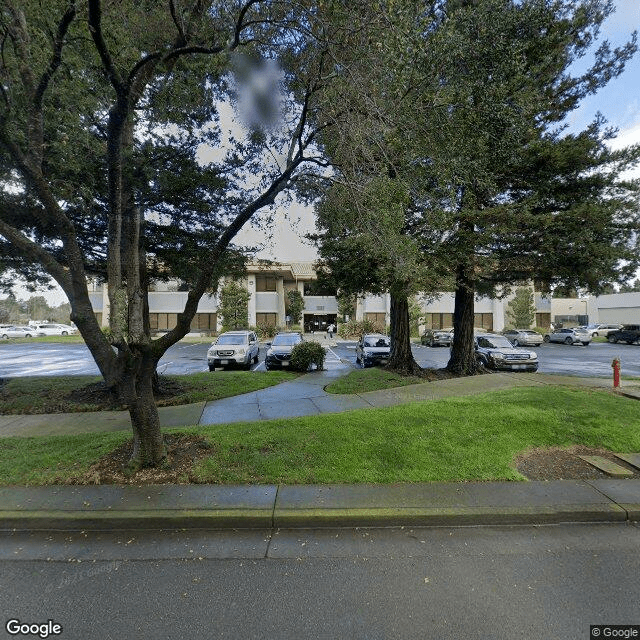
1301 Redwood Way., Suite 240, Petaluma, CA 94954
To contact a resident: (707) 792-2211
For more information about senior living options: (866) 208-4318
Overall Review of AccentCare of Petaluma
Pros
 The provider is fantastic.
- The PT staff are well qualified, kind, and compassionate, and they are wonderful to be around.
- They are consistently on schedule and communicate well.
- They provide excellent care and physical therapy.
- They have extensive training and strong people skills that cheer up the elderly.
- Focusing on mobility and independence gives clients dignity and personal attention that reduces the stigma of being in a care home.
Cons
 The caregiver ignored the client and played on her cell phone.
- She didn’t offer to make breakfast or engage in conversation.
- She didn’t ask whether the client wanted to eat or take a shower.
- Feeding and assisting with personal hygiene is described as the bare minimum, implying the care was inadequate.
- Therapists are overloaded—more than a dozen clients a day, driving between homes, and working weekends—risking lower quality of care.
- The reviewer wouldn’t hire this agency.
Review
AccentCare of Petaluma is best suited for seniors who want professional in-home healthcare with a strong emphasis on rehabilitation and clinical oversight. The program and staff excel in physical therapy, mobility coaching, and medical support, making it a practical choice for individuals recovering from surgery or managing conditions where independence through movement matters most. Families seeking care without moving into an assisted living setting will find the core strength here lies in skilled rehab, timely communication, and care delivered in the familiarity of home. It is a solid match for clients who can schedule around therapy sessions and are comfortable with some variability in day-to-day personal care, provided the therapy and clinical elements remain consistently strong.
Those who may want to consider alternatives are those who require unwavering, hands-on attention for meals, hygiene, and daily tasks at every visit. A single lapse, such as a caregiver disengaging or failing to assist with basic needs, undermines safety and personal dignity, which is unacceptable for someone with substantial daily care requirements. If a plan depends on rotating aides rather than a dedicated caregiver, daily interactions can suffer, and trust can erode. For families needing predictable scheduling, rapid responsiveness to urgent needs, or a smaller, tightly managed team, facility-based options or other home-care providers with explicit staffing guarantees may be more reliable. The model’s acknowledged workload realities, therapists serving many clients with long commutes and weekend duties, may not align with those seeking ultra-high consistency.
The strongest positives center on clinical credentials and a consistently patient-centered approach. PT teams are described as well qualified, compassionate, and capable, delivering care with warmth and practical expertise that supports recovery. Clients report punctuality, clear communication, and a respectful, encouraging atmosphere that helps seniors regain mobility without surrendering dignity. This blend of technical skill and human connection translates into tangible gains: improved balance, greater confidence in daily tasks, and the ability to carry out essential activities with progressively less assistance. The home-based setting further enhances comfort and engagement, reducing stress and stigma while promoting ongoing participation in rehabilitation.
The principal drawbacks revolve around caregiving coverage and the realities of staffing demand. A noteworthy incident where a caregiver appeared disengaged and failed to offer basic assistance raises concerns about attentiveness and supervision. Even when most staff consistently perform well, such lapses jeopardize trust and safety, especially for vulnerable clients. More broadly, the feedback about therapists juggling large rosters, lengthy travel, and weekend shifts points to the risk that even high-quality care can become uneven when workloads stretch capacity. The danger is not the absence of care, but a gradual erosion of personalized attention during peak periods, which families must guard against through clear assignment and oversight.
Where the strengths offset the weaknesses lies in the clear value of rehab-focused, professionally led home care. For families prioritizing mobility, independence, and sustained progress, the ability to access skilled therapists who deliver measurable improvements in function can outweigh occasional caregiver missteps. To tilt the balance toward reliability, it is essential to secure a dedicated caregiver or a stable care team, insist on a dedicated care coordinator, and establish explicit service expectations, response times for urgent needs, daily progress updates, and defined roles for personal care tasks. A defined trial period with milestones and a formal escalation path provides a practical safeguard against drift. Upfront arrangements regarding scheduling, coverage, and back-up support help ensure that the clinical advantages are supported by consistent daily care.
Bottom line: AccentCare of Petaluma is a strong fit for clients seeking in-home, rehab-centered care with skilled therapists and a respectful, encouraging staff culture. It is less ideal for those who require relentless, ultra-predictable daily personal care at every visit unless a tightly managed caregiver framework is guaranteed. Families willing to advocate for dedicated staffing and clear oversight will likely experience meaningful rehabilitation gains, better mobility, and sustained independence in a familiar home environment. For those whose priority is uncompromising daily personal assistance and absolute predictability of every visit, exploring alternatives, facility-based options or other agencies with stronger staffing guarantees, will be prudent. In any case, a careful, early tests-and-trust period is essential to validate that the care model delivers both the clinical excellence and the steady day-to-day reliability needed for long-term peace of mind.








 Supportive Employee Benefits That Help Caregivers Attain Better Work-Life Harmony
 Top Cars for Senior Drivers and Essential Safety Innovations
 A Closer Look at Private Pay Home Care