
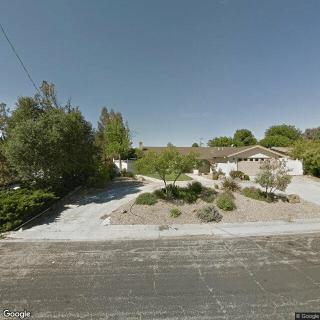
411 Appaloosa Drive, Paso Robles, CA 93446
For more information about senior living options: (866) 208-4318
Overall Review of Schwed Adult Family Home 4
Pros
 Ada's is wonderful.
- It is well staffed with compassionate and qualified caregivers.
- The staff are helpful, and the residents are very well cared for.
- The caregivers handle challenging behaviors with kindness and professionalism.
- They have a great deal of knowledge about the stages that elders go through.
- The care at Ada's is worth the cost due to its high quality.
Cons
 They found Ada's to be expensive.
- They had to manage their mother's combative and sometimes violent behavior, including biting.
Review
Schwed Adult Family Home 4 in Paso Robles is best suited for families seeking an intimate, home-like caregiving environment where residents receive exceptionally attentive, long‑term support from trained caregivers who can manage complex aging needs and challenging behaviors without sacrificing warmth. The setting is clearly oriented toward stability rather than volume, the kind of place where a resident can stay for years, as one family did with a parent who lived there for a decade and ultimately passed at age 100. This is the scenario where the care approach becomes personal, consistent, and deeply knowledgeable about the entire aging journey, not just daily tasks.
Families should consider alternatives primarily when budget is a hard constraint or when a resident requires a level of clinical oversight and programming that a small home setting may not provide. The sentiment that care comes with a premium is echoed in the experiences shared: caregivers are described as well staffed, compassionate, and highly qualified, and the sense is that the value rests in the quality and continuity of attention. For those needing aggressive medical management, a larger campus with more extensive on-site medical teams, memory-care specialists, or more structured clinical programming might be a better fit. In short, cost and desired level of medical intensity are the practical levers that determine whether this option remains optimal.
The strongest pro, exceptional caregiver staffing, consistently offsets the primary drawback of higher price. Families report a team that is not only capable but genuinely kind, with staff who understand the aging process and can anticipate needs rather than merely react to them. Crucially, the ability to handle difficult behaviors, such as combative tendencies or even biting, without escalation or loss of patience makes a decisive difference for loved ones who exhibit or have exhibited challenging moments. The care staff’s depth of experience, continuous engagement with residents, and their calm, informed approach translate into reliable safety, dignity, and comfort day after day, which can justify the financial commitment for families prioritizing peace of mind.
Beyond the individual episodes of difficult behavior, the overall tenor of care is anchored in long-term relationships and consistent routines. A resident who remains in a small, stable community benefits from familiarity with caregivers, daily rhythms, and personalized attention that rarely wavers with staff turnover. This continuity reduces anxiety for residents and reduces the emotional burden on families, who gain confidence from knowing that the same caregivers understand long histories, preferences, and triggers. While the price tag is a real consideration, the practical benefit is a steadier quality of life, fewer disruptions, and a transparent, responsive care partnership that endures through changing health needs.
Assessing fit for this community in practical terms involves looking for specific indicators during visits. Ask how staff-to-resident ratios are managed across day and night shifts, what training exists for managing behavioral health issues, and how individualized care plans are developed, reviewed, and updated as needs evolve. Inquire about how the home handles medical coordination, medication administration, and emergency planning, as these elements reflect the scale at which dedicated, home-like care can be sustained. Observing interactions between caregivers and residents, and noting whether residents appear comfortable, engaged, and appropriately supervised, provides crucial real-world insight into whether the setting will deliver consistent quality over time.
In the end, Schwed Adult Family Home 4 presents a compelling choice for families prioritizing intimate, compassionate care with a high likelihood of stability over years. It is a remarkably strong option for residents who benefit from individualized attention, skilled management of challenging behaviors, and a familiar, non-institutional atmosphere. The central trade-off remains cost, but for those who value relationships, continuity, and a caregiver team that truly "gets" the aging process, the offsets are substantial. For families moving from broader, more impersonal settings, this community offers a clear path to sustained well-being and trusted companionship, provided budget aligns with the level of personalized care sought.
 6 resident community capacity
 Assisted Living
 Board and Care Home
 Cable or satellite TV
 Dining room
 Fully furnished
 Garden
 Housekeeping services
 Move-in coordination
 Outdoor space
 Telephone
 Wi-Fi/high-speed internet available
 24-hour supervision
 Activities of daily living assistance
 Assistance with bathing
 Assistance with dressing
 Assistance with transfers
 Diabetes diet
 Meal preparation and service
 Medication management
 Special dietary restrictions
 Transportation arrangement (medical)
 Transportation to doctors appointments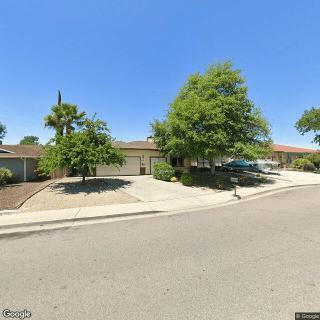


 Medicare Coverage for Assisted Living: An In-Depth Exploration
 Choosing the Right Senior Care: A Detailed Exploration of Assisted Living and Nursing Homes
 Understanding the True Cost of Assisted Living in 2025: A Comprehensive Guide