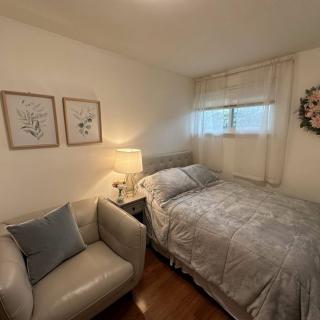
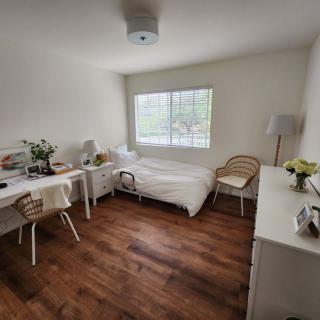
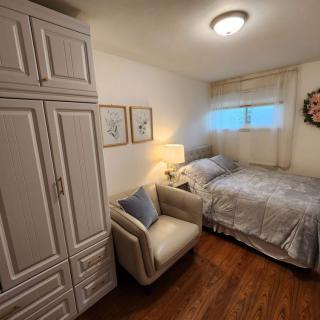
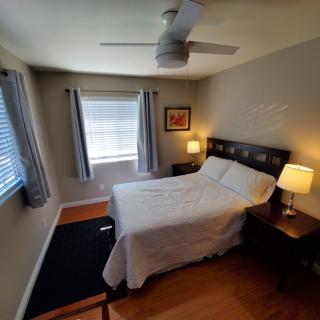
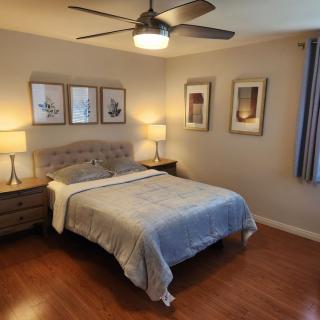
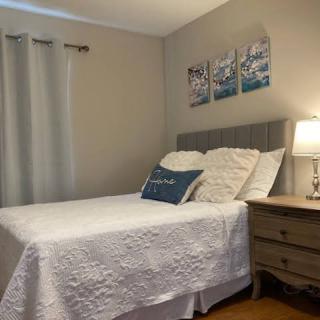
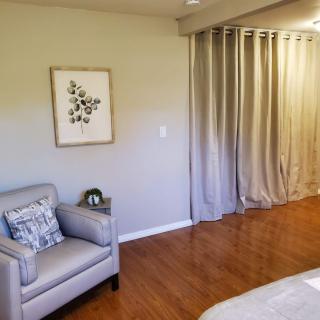
3790 Hampton Road, Pasadena, CA 91107
For more information about senior living options: (866) 208-4318
Hampton Guest Home Costs & Pricing
Hampton Guest Home offers private room accommodations at a monthly rate of $6,000, which positions it above both the average costs for Los Angeles County at $4,197 and the broader state average of $3,939. This pricing reflects the unique amenities and personalized care that Hampton Guest Home provides, catering to residents who may prioritize a higher level of comfort and support. While its rates are noticeably higher than the local and state averages, potential residents may find value in the exceptional quality of services offered, which can justify the premium for those seeking an enriched living environment.
| Floor plans | Hampton Guest Home | Los Angeles County | California |
|---|---|---|---|
| Private | $6,000 | $4,197 | $3,939 |
Assisted Living communities with a similar price nearby
-
from +$200 / mo
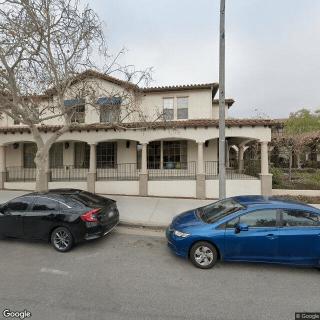
The Kensington at Sierra Madre
$6,200 to $9,270 / month1.0 miles away -
from -$1000 / mo
Just Like Home
$5,000 / month19.2 miles away -
from -$300 / mo
Mt. San Antonio Gardens
$5,700 to $8,550 / month19.6 miles away -
About the same
Comfort Home for the Elderly
$6,000 to $6,500 / month21.8 miles away -
from -$1000 / mo

MorningStar Senior Living of Pasadena
$5,000 to $11,645 / month4.9 miles away
Overall Review of Hampton Guest Home
Pros
 The staff at Hampton Guest Home focuses on each resident's needs, providing personalized care.
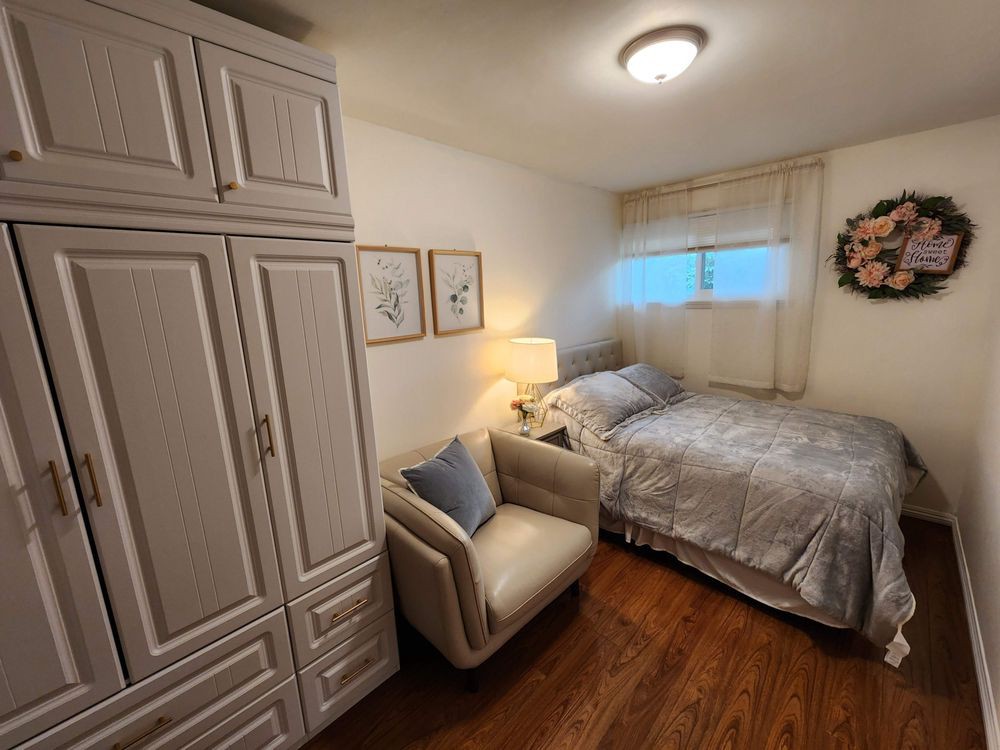
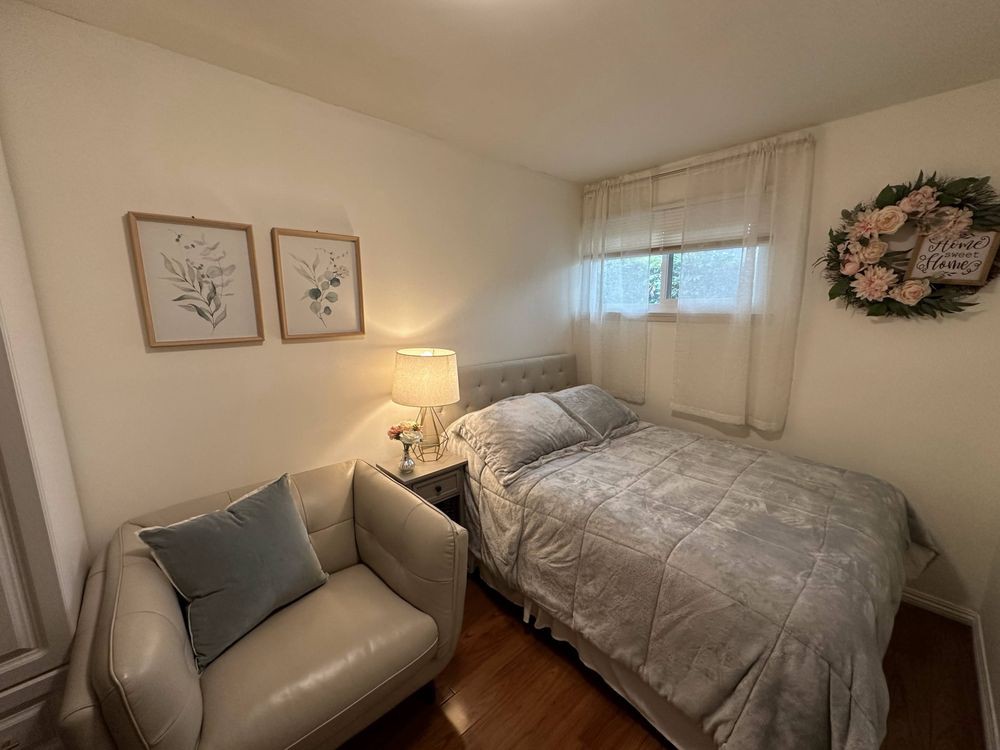
- The home feels warm and homey, not like a nursing facility.
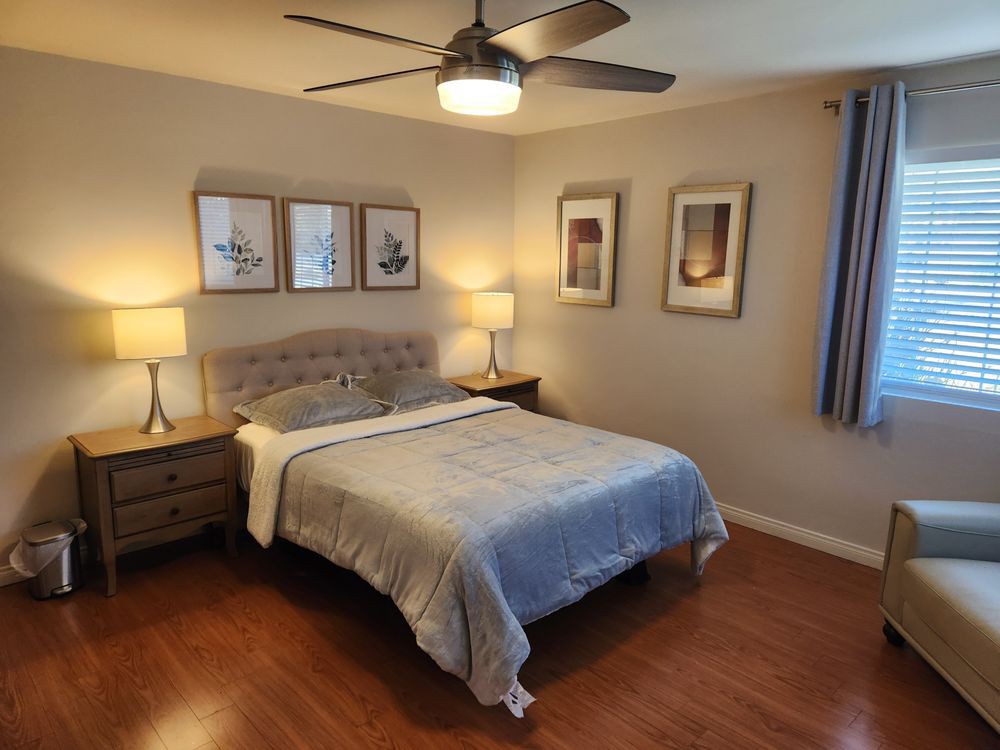
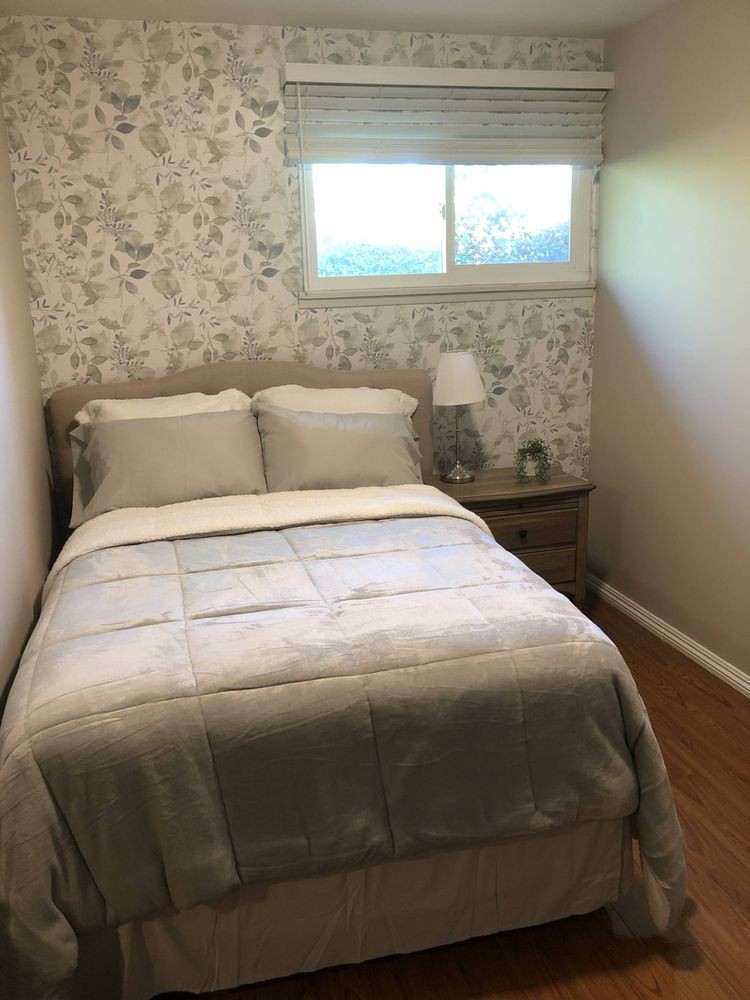
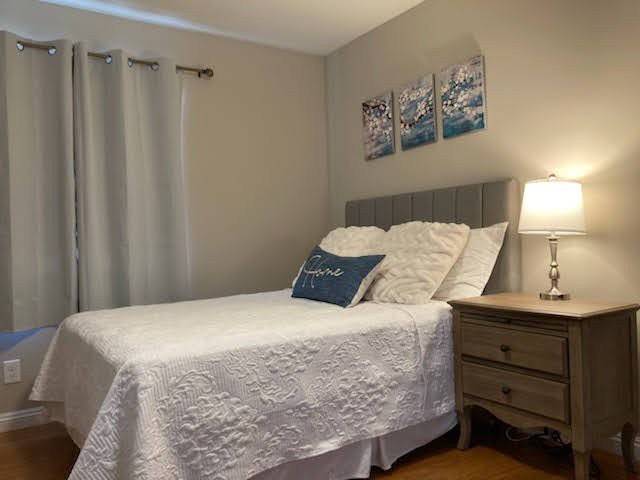
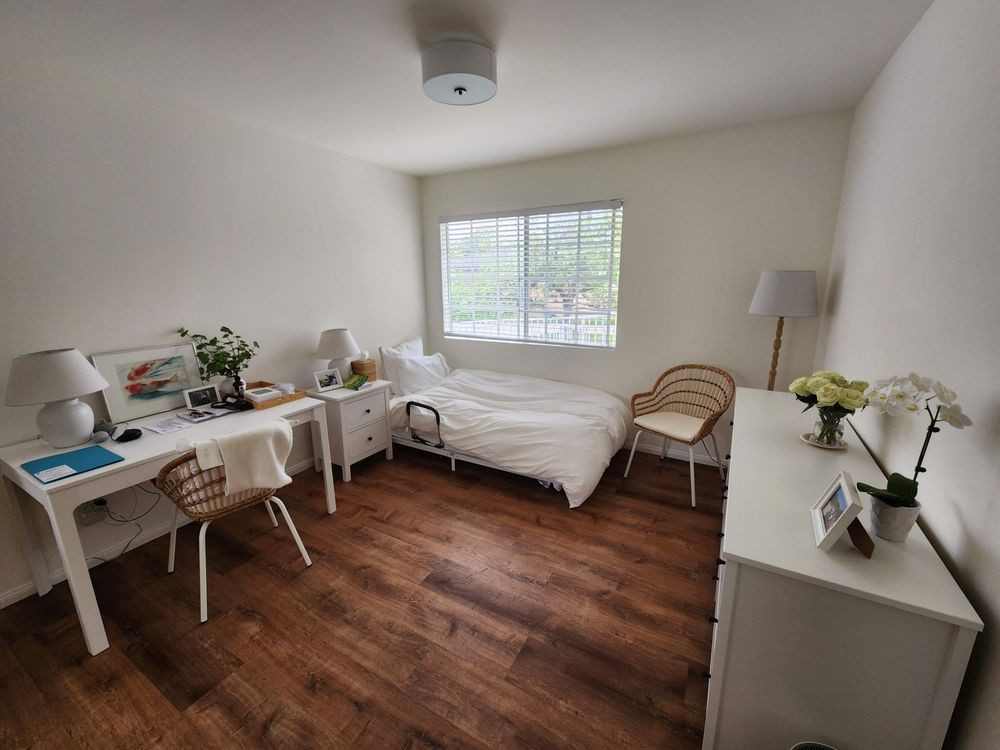
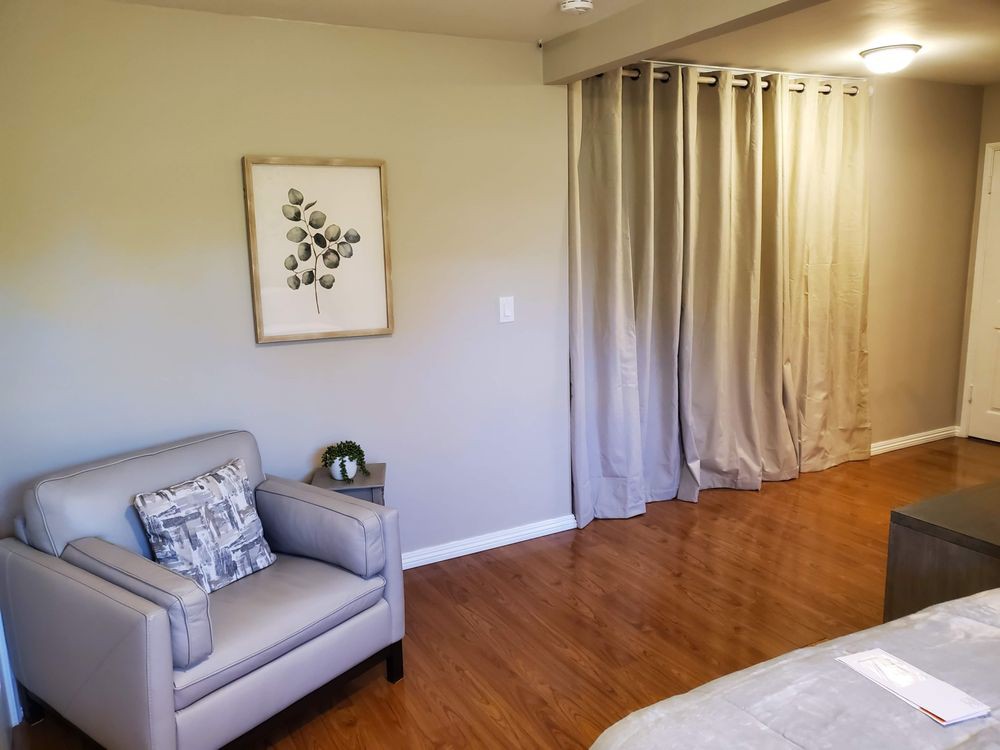
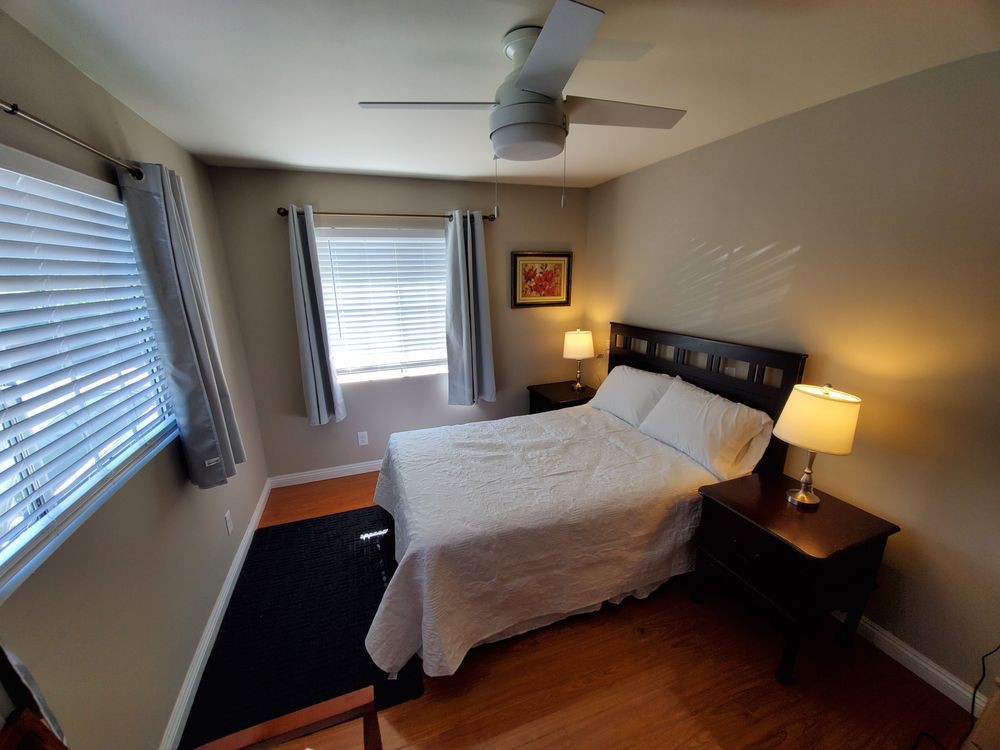
- Residents can personalize their rooms with colors and family photos.
- Special occasions are celebrated with meals and decorations, and residents participate in activities.
- The staff are caring and loving, making residents feel like family.
- They kept residents safe and Covid-free, giving families peace of mind.
- They provide real-time updates to families, keeping them informed of changes.
- Fresh meals are prepared daily, with attention to dietary restrictions and preferences, and desserts are enjoyed nightly.
Cons
 They felt the big faceless nursing facilities would not do.
- It was expensive and sad, and they assumed her end was near.
- There were not a lot of planned activities for residents.
- The family suffered from a lack of good home care and exhausting back-and-forth trips.
Review
Hampton Guest Home in Pasadena is best suited for families seeking a small, intimate, home-like environment where a senior can receive highly personalized attention. With only six resident rooms, the setting feels more like a neighbor’s house than a facility, and that difference matters: caregivers know each resident well, customize spaces, and create daily routines that honor individual preferences. It is especially compelling for elders who thrive on constant interaction with a steady, personable caregiving team, enjoy shared meals, and value a sense of belonging over institutional formality. The home’s culture centers on dignity, warm relationships, and visible affection from staff and owners, making it a strong fit for high-touch care within a private-home atmosphere.
Those who should consider alternatives are families whose loved one requires sustained, clinical nursing oversight or a highly structured activity program. A larger community with on-site nursing staff, more intensive medical services, or a densely scheduled calendar of therapies may be a better match for residents with complex medical needs or for families seeking formalized, program-driven engagement. Similarly, seniors who crave expansive social programming, campus amenities, or robust recreational offerings might find a larger facility more aligned with their expectations. Hampton’s strengths live in intimacy and daily, individualized care rather than in scale or hospital-like efficiency.
The strongest pros, personalized attention, steady caregiver relationships, and the home-like setting, directly offset the main considerations families weigh. Six rooms enable near-obsessive attention to routine, medications, meals, and safety, while preventing the impersonality that can come with bigger homes. Families repeatedly describe staff by name and emphasize the continuity of care, with caregivers taking real pride in treating residents like family. Room customization, fresh meals prepared with dietary restrictions in mind, and festive, intimate celebrations for birthdays and holidays create a sense of dignity and continuity. The open invitation for family meals and visits further strengthens trust and reduces the emotional burden for relatives.
That said, the most frequently noted drawback is the lighter emphasis on planned programming. The reviews acknowledge a lack of formally structured activities, which can be a drawback for residents who crave a robust daily itinerary. Yet this potential con is largely mitigated by the day-to-day care approach: staff stay engaged with residents through conversation, light games, shared meals, and outdoor time, and they tailor activities to individual interests. For families prioritizing meaningful, ongoing relational care over expansive activity rosters, Hampton’s approach often proves more comforting and sustainable. In essence, the warmth, reliability, and trust built with a small, stable team often compensate for the quieter calendar.
For families evaluating fit, concrete questions matter as much as intentions. Probe how medications are managed and how coordination with external doctors works, especially for dementia-related or chronic conditions. Inspect the living environment for safety features, assess the cleanliness and comfort of the rooms, and observe how meals are prepared and shared, does the setting feel like a real home or a staged space? Ask about how holidays and birthdays are observed, how families are kept informed about changes, and whether respite or short-term stays are possible to test compatibility before committing long-term. Above all, listen for the sense of “home” in the staff’s tone and in residents’ comfort.
In the end, Hampton Guest Home stands out for families prioritizing intimate, respectful, and participatory elder care. It is a compelling option when the goal is a home atmosphere, highly attentive caregiving, and genuine interpersonal connection that makes residents feel seen, valued, and part of a family. It may not be the best choice for those needing heavy clinical support or a high-energy activity program, but for elders who flourish in a small, neighborly setting with a trustworthy, long-tenured team, this Pasadena residence delivers enough warmth, continuity, and everyday dignity to justify a decisive, favorable recommendation.
 6 resident community capacity
 Assisted Living
 Board and Care Home
 Activities off-site
 Bath tubs
 Cable or satellite TV
 Devotional services off-site
 Dining room
 Fully furnished
 Garden
 Housekeeping services
 Indoor common areas
 Move-in coordination
 Outdoor common areas
 Private
 Private bathrooms
 Respite or short term stays offered
 Telephone
 Wheelchair accessible showers
 Wi-Fi/high-speed internet available
 Burbank-Glendale-Pasadena (17 miles away)
 24-hour supervision
 Ambulatory care
 Assistance with bathing
 Assistance with dressing
 Assistance with transfers
 Diabetes diet
 Diabetic care
 Incontinence care
 Meal preparation and service
 Medication management
 Special dietary restrictions
 Transportation arrangement (medical)
 Transportation to doctors appointments
 Birthday parties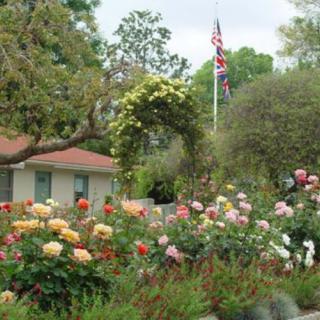


 8 Key Indicators That Suggest It May Be Time to Transition from Assisted Living to Skilled Nursing Care
 Vibrant Senior Living: A Comprehensive Guide for Active Older Adults
 When to Transition from Assisted Living to Memory Care: Key Indicators, Steps, and Finding the Right Community