
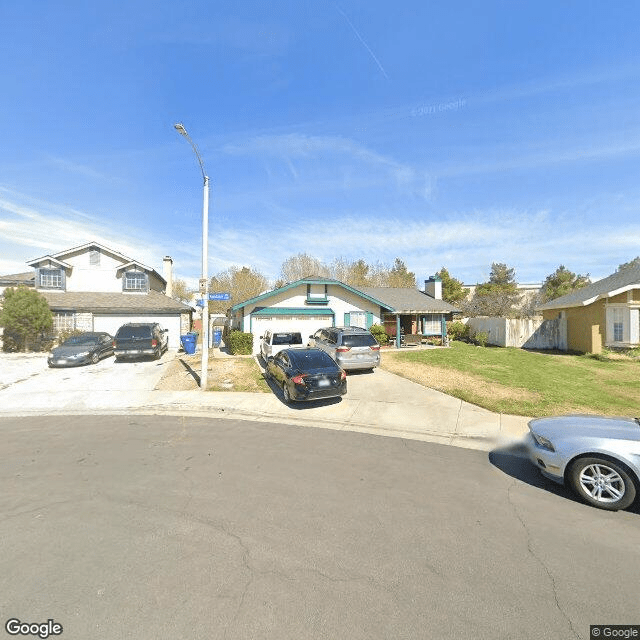
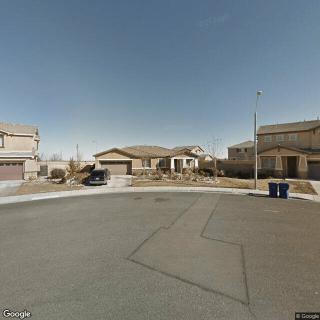
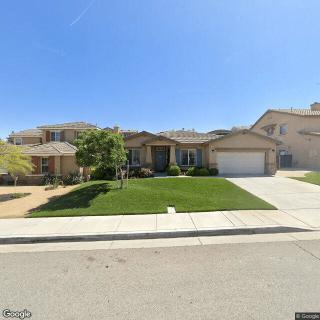
37944 Moondance Drive, Palmdale, CA 93552
For more information about senior living options: (866) 208-4318
Jw Care Home Costs & Pricing
At Jw Care Home, the monthly costs for accommodations are notably competitive compared to the broader market of Los Angeles County and California as a whole. For a semi-private room, residents can expect to pay $2,800, which is significantly lower than the county average of $3,349 and the state average of $3,333. Similarly, for private rooms priced at $3,500, Jw Care Home offers a more affordable option relative to both regional and state rates - Los Angeles County averages $4,197 while California's average stands at $3,939. This positioning reflects Jw Care Home's commitment to providing quality care at accessible prices for its residents.
| Floor plans | Jw Care Home | Los Angeles County | California |
|---|---|---|---|
| Semi-Private | $2,800 | $3,349 | $3,333 |
| Private | $3,500 | $4,197 | $3,939 |
Assisted Living communities with a similar price nearby
-
from -$505 / mo
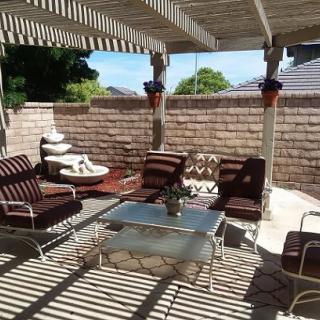
Casa Amore West
$2,295 to $3,600 / month11.4 miles away -
from -$300 / mo
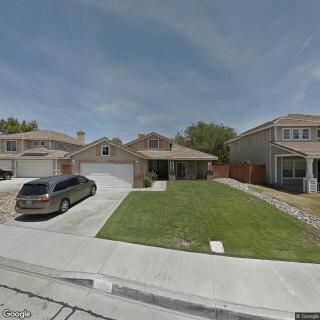
Admirable Home Care
$2,500 to $3,000 / month6.9 miles away -
from +$195 / mo
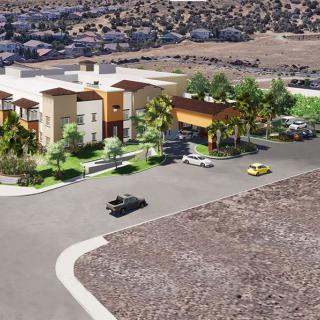
Palm Vista Senior Living
$2,995 to $4,095 / month8.4 miles away -
from +$193 / mo
The Havens at Antelope Valley
$2,993 to $6,385 / month9.1 miles away -
from -$250 / mo

Casa Amore
$2,550 to $3,300 / month11.8 miles away
Overall Review of Jw Care Home
Pros
 The staff have been consistent in their care for the brother.
- The facility is kept very clean.
- The staff are attentive to the patients’ needs.
- It started out great and trustworthy.
- They are grateful for the staff.
Cons
 The facility ran by its own rules, not what the legal paperwork stated.
- The staff lied to the reviewer.
- The staff were not trustworthy.
- The facility was awful, dirty, and dingy.
- Weed and dirt were present in the backyard.
- The private room had stucco walls as if it had formerly been part of the porch.
- The overall atmosphere was very depressing.
Review
This Palmdale community is best suited for families seeking a small, home-like board-and-care setting where frontline staff provide steady, attentive daily care and cleanliness is prioritized. It will appeal to residents who value consistent staffing and a predictable routine over a larger, hospital-like environment. Those weighing alternatives should note that this option may not fit every situation, especially where governance transparency or strict adherence to legal documents is non-negotiable. If fiduciary clarity and a uniformly elevated physical setting are essential, exploring other communities is prudent. In short, this option serves a defined niche well, while others may require a different fit.
Among the strongest positives, reviewers consistently point to dependable caregiving and staff who know residents’ routines and needs. The care team is described as attentive and steady, delivering responses that support reassurance for families during daily living and medical management. Cleanliness in the facility’s common areas is another recurring theme, contributing to a sense of order and basic dignity for residents. For families prioritizing reliable daily support and a calm, manageable environment, these factors translate into meaningful peace of mind, particularly when medical or behavioral needs require steady supervision and routine.
However, governance and transparency emerge as a major concern. One account describes discovering a mismatch between practices and what the legal paperwork stated, with information allegedly withheld until late. That kind of experience can erode trust and raises critical questions about whether conservatorship orders and resident rights are consistently honored. In decision-making that hinges on legal and fiduciary clarity, such concerns are not minor. They can overwhelm otherwise solid caregiving if families cannot verify alignment between policy, practice, and the documents that govern care.
Physical environment notes are mixed and worth close inspection. One highly critical account describes the setting as dirty and dingy, with weed and dirt in the yard and a private room that feels depressingly enclosed. These revelations suggest that the facility’s upkeep and aesthetic presentation can fall short, at least in some areas or times. The contrast with more favorable comments about cleanliness and care implies inconsistency in maintenance and atmosphere. Prospective residents should personally verify current conditions, focusing on room upkeep, yard safety, and overall mood, since these elements significantly impact comfort, mobility, and well-being.
The overall calculus is nuanced: the steady caregiving and orderly routines can offset significant concerns for families that prize reliable supervision and a calm, predictable rhythm. Yet the combination of potential governance issues and a mixed environmental report means this is not the right choice for everyone. Families should pursue a disciplined due-diligence process: tour the facility with questions about care plans, review recent inspection or licensing documents, and require concrete assurances on how legal paperwork is implemented in daily operations. Direct conversations with staff about resident rights, conservatorship processes, and decision-making criteria are essential steps before any commitment.
In the final assessment, this community is a viable option for seniors who prioritize dependable, attentive care in a clean-feeling environment and who are prepared to actively monitor governance and physical conditions. It is less suitable for those who demand airtight transparency, unwavering alignment with all legal documents, and a consistently pristine physical setting. Alternatives should be considered by families needing stronger governance oversight, clearer adherence to paperwork, and a uniformly well-maintained landscape and interior. A cautious, informed comparison with other Palmdale options will determine whether JW Care Home truly aligns with the resident’s care goals and family risk tolerance, or if another path offers greater confidence and peace of mind.
 5 resident community capacity
 Assisted Living
 Board and Care Home
 Activities off-site
 Cable or satellite TV
 Dining room
 Fully furnished
 Garden
 Housekeeping services
 Indoor common areas
 Move-in coordination
 Outdoor common areas
 Private
 Respite or short term stays offered
 Telephone
 Wheelchair accessible showers
 Wi-Fi/high-speed internet available
 24-hour supervision
 Ambulatory care
 Assistance with bathing
 Assistance with dressing
 Assistance with transfers
 Diabetes diet
 Diabetic care
 Incontinence care
 Meal preparation and service
 Medication management
 Special dietary restrictions
 Transportation arrangement (medical)
 Transportation to doctors appointments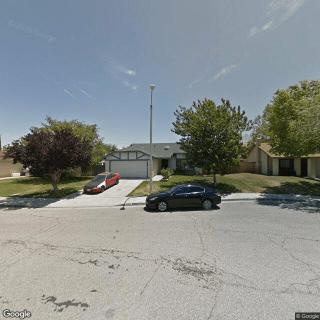

 Comprehensive Supportive Living Arrangements for Adults with Disabilities
 Funding and Affording Assisted Living: A Thorough Overview
 Assisted Living Expenses and Long-Term Care Insurance: A Comprehensive Exploration