
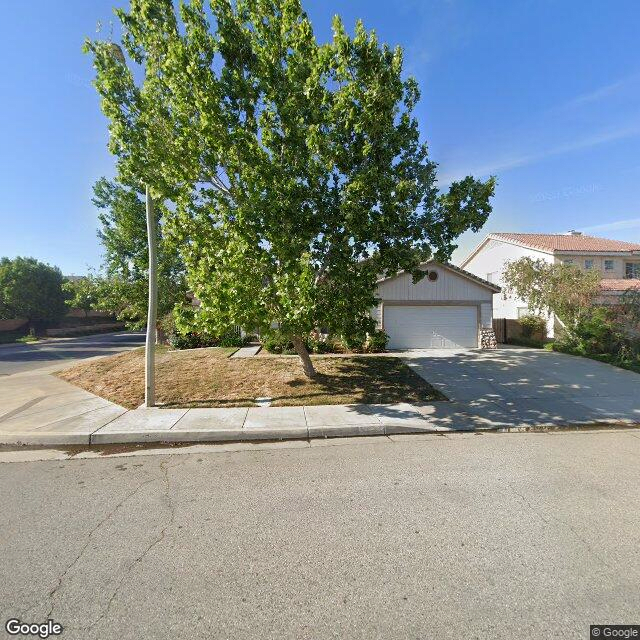
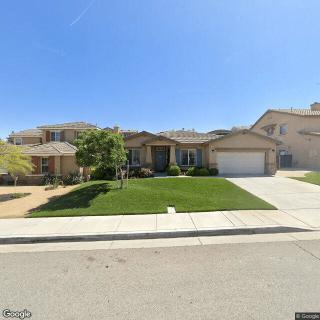
3434 Tamarisk Dr, Palmdale, CA 93551
To contact a resident: (661) 609-6908
For more information about senior living options: (866) 208-4318
Happy Homes Inc. Costs & Pricing
Happy Homes Inc. offers competitive pricing for its services, particularly when compared to the averages in Los Angeles County and across California. For semi-private rooms, Happy Homes Inc. charges $1,800 per month, significantly lower than the county average of $3,349 and the state average of $3,333. Similarly, their private rooms are available for $2,500 per month, which is also below the Los Angeles County average of $4,197 and the California average of $3,939. This pricing strategy not only makes Happy Homes Inc. an attractive option for those seeking quality care but also reflects a commitment to providing accessible services without compromising on comfort or quality.
| Floor plans | Happy Homes Inc. | Los Angeles County | California |
|---|---|---|---|
| Semi-Private | $1,800 | $3,349 | $3,333 |
| Private | $2,500 | $4,197 | $3,939 |
Senior living communities with a similar price nearby
-
from +$200 / mo
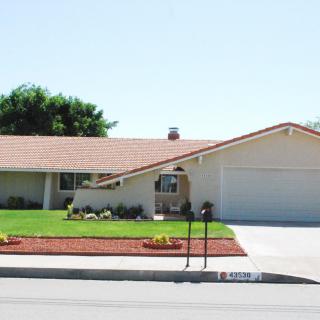
El Vista Residential Care
$2,000 to $3,000 / month5.7 miles away -
About the same
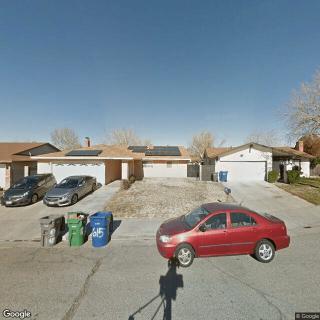
Joe-Sephine Residential Care Fac. For The Elderly
$1,800 to $2,500 / month6.3 miles away -
About the same
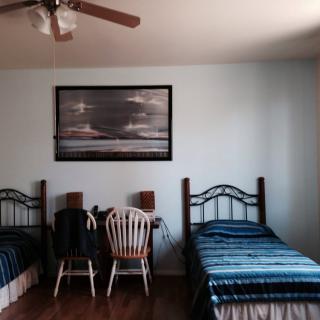
Palmdale Senior Villa, LLC
$1,800 to $2,500 / month7.6 miles away -
from +$200 / mo

Palmdale Dwelling Place
$2,000 to $2,500 / month5.0 miles away -
from +$200 / mo
Antelope Valley Manor
$2,000 to $2,800 / month4.8 miles away
Overall Review of Happy Homes Inc.
Pros
 The home is super clean and spacious.
- It is very safe and handicap-accessible, with minimal clutter.
- The home is open to showing all areas, including the pantry and refrigerator.
- Caregivers at the home speak English well.
- The other residents are clean and appear content.
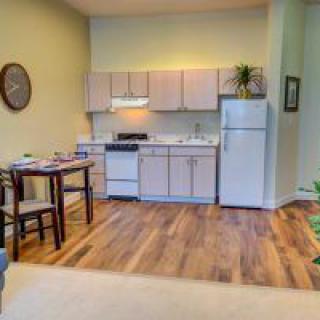
- The semi-private spaces are spacious and include partitions to provide privacy for each resident.
Cons
 The back patio area had a couple of safety issues of concern.
- There were safety issues of concern on the back patio area.
Review
Happy Homes Inc. in Palmdale is best suited for seniors who prize a pristine, home-like environment with clear, step-by-step visibility into every corner of the living space. This community fits adults who want a spacious layout, uncluttered rooms, and a design that is genuinely handicap-friendly. The setting supports a sense of independence within a semi-private arrangement, with privacy partitions that help residents maintain dignity without feeling isolated. It also serves families seeking straightforward communication with staff, evidenced by caregivers who speak English well and a transparency-first approach when families tour the home. For seniors who want predictability, easy navigation, and a low-stress, clean milieu, this option checks those boxes convincingly.
Those weighing alternatives should consider whether the priority is more intensive medical oversight or a stronger emphasis on social programming and nursing support. If memory care, higher-acuity needs, or 24/7 skilled supervision are anticipated, a setting with dedicated memory-care wings or a more robust clinical staff at higher staffing ratios may be preferable. Similarly, if a completely private room without shared walls is non-negotiable, or if outdoor spaces must be impeccably secure and fully fenced, another community might better meet those requirements. Families seeking a richer calendar of activities or a larger on-site care team for rapid response should compare options that demonstrate deeper programming and more explicit nursing coverage.
The strongest positives here, the sheer cleanliness, generous space, and the intentional, uncluttered design, are meaningful because they directly impact daily comfort and safety. A pristine environment reduces dust, allergens, and stumble hazards, while the roomy footprint supports easy wheelchair or walker navigation and reduces the feeling of confinement. The handicap-friendly layout further lowers the risk of accidents and makes routine movements less taxing for residents. The openness during tours, with access to pantries and refrigerators, conveys a culture of trust and accountability, which matters deeply for families evaluating ongoing care. When combined with English-speaking staff and a couple of residents who appear content, these elements coalesce into a practical, dependable baseline.
Another prominent edge is the semi-private model with partitions that preserve privacy without sacrificing social cues or communal safety. This arrangement can be a strong fit for residents who want companionship at a comfortable social distance and who may not yet require or desire full private rooms. The absence of clutter and the observable cleanliness further reinforce a sense of order and predictability, qualities that families often equate with reliable daily routines and easier monitoring. The two residents described as content also lend a reassuring touchpoint for families seeking evidence of a positive resident experience without aggressive marketing language or hype.
The primary caveat centers on the back patio area, where there are noted safety concerns. This is a tangible risk that can overshadow otherwise solid attributes if not addressed promptly. The offsetting factors, cleanliness, accessibility, transparent tours, and calm resident contentment, are meaningful, but they rely on proactive risk management. Addressing the patio risk with a formal safety check, potential enhancements (non-slip surfacing, secure fencing or gates, reinforced railings), and clear staff oversight during outdoor time can render the confluence of pros more resilient. Families should insist on a documented safety plan and a concrete timeline for any needed fixes to ensure outdoor spaces live up to the rest of the facility’s standards.
In the final assessment, Happy Homes Inc. represents a practical, well-maintained option for seniors who value hygiene, accessibility, and straightforward communication. It suits those who want a comfortable, semi-private environment with visible attention to safety and cleanliness. However, the back patio safety issue deserves due diligence before committing. Prospective residents should request a detailed patio safety assessment and a written plan for improvements, plus confirmation of staff coverage during outdoor periods. If those elements are satisfied, this community offers a sober, dependable pathway to a stable, comfortable living arrangement; if not, alternatives with more rigorous outdoor safety controls and enhanced medical or social programming should be pursued.
 Board and Care Home
 Activities off-site
 Private
 Meals provided
 Understanding the Nuances of Palliative Care and Hospice: A Comprehensive Exploration
 Is In-Home Healthcare Tax Deductible? Your Comprehensive Guide
 Nurturing Well-Being Through Gardening: A Detailed Guide for Senior Enthusiasts