
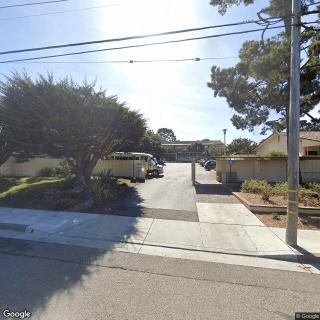
207 16th St # 300, Pacific Grove, CA 93950
To contact a resident: (831) 649-3363
For more information about senior living options: (866) 208-4318
Overall Review of Central Coast Senior Services
Pros
 Management strives to satisfy the customers.
- The driver showed up on time and the experience was great.
- Their price structure was very reasonable.
- The office personnel were very courteous and thorough.
- Irma is an excellent, reliable, ambitious, and trustworthy caregiver who is willing to do whatever it takes to help.
- The one-on-one care was first-rate and went very well.
- Overall, Central Coast Senior Services has been a positive experience.
- They had one caregiver who was really superb.
Cons
 There is no consistency in caregiving; every new caregiver varies in quality.
- Some caregivers are so awful that it is not safe to leave a loved one with them.
- Tiffany did not feed the 95-year-old blind father, did not clean him, and did not give him water.
- The reviewer had to spend 30 minutes explaining to the caregiver what she was supposed to do during the three-hour visit.
- The coordinators and owners keep giving excuses for why the caregivers are different.
- There is a lack of consistency because every time a new caregiver arrives, the process has to be repeated.
- Caregivers were described as a mixed bag and often waited to be told what to do rather than proactively helping.
Review
Central Coast Senior Services in Pacific Grove serves best for families who need in-home, one-on-one senior care with flexible scheduling and approachable transport support, and who can tolerate ups and downs in caregiver consistency. When the right caregiver is on shift, the service can feel deeply personalized and attentive, with clear moments of standout reliability. The best experiences often hinge on a caregiver like Irma or Joyc, whose reliability and proactive approach turn a routine visit into genuinely supportive care. The transport option, when timely, is a notable plus, and the pricing is generally reasonable enough to make it a viable option for ongoing assistance rather than a last-resort measure. In short, it works well for families who can navigate occasional staffing gaps without compromising daily safety and basic dignity.
Those weighing alternatives should especially consider if consistent staffing is non-negotiable. If a senior requires predictable, constant oversight and a single point of contact, this community may fall short. The most concerning pattern, caregivers arriving with little warning, or changing from one visit to the next, creates safety and trust gaps that are hard to close. For a resident who is high-risk, such as a blind senior or someone needing careful, ongoing monitoring for hydration and hygiene, the variability becomes a material risk. Families who need a strict, closely supervised routine may want to survey other agencies that promise Staffing with fewer handoffs and a more fixed care team.
The strongest positives center on individualized attention when the right person is present. One-on-one care can be first-rate, with caregivers who anticipate needs, communicate clearly, and take initiative. Irma is repeatedly highlighted as dependable and capable, a caregiver who genuinely goes “whatever it takes” to assist. Joyc likewise emerges as a strong performer, underscoring that a few proven team members can deliver consistently excellent care amid a sea of variable staff. Transport personnel are praised for punctuality and courtesy, and the office staff is described as courteous and thorough, which makes coordinating care and billing more straightforward. When these elements align, the overall experience can be significantly improved.
Yet the cons are persistent and substantial enough to alter the calculus for most families. The core issue is inconsistency: every visit can bring a different caregiver, and that creates a repetitive onboarding cycle that drains time and raises the risk of missed tasks. Instances where essential duties, feeding, hydration, and basic cleanliness, are neglected further erode trust and safety. The ongoing pattern of shifting staff, combined with explanations from coordinators or owners that “this is how it is,” can leave families feeling they must micromanage or accept a lower standard of care. The sense of unpredictability, especially at critical moments, is the primary argument against short-term reliance on this provider.
To make the most of what CCSS can offer, a concrete care-management strategy matters. Demand a named primary caregiver and a backup, with a written schedule and a clear handoff process between shifts. Insist on a formal care plan that lists daily tasks, hydration reminders, and safety checks, plus routine supervision from a designated supervisor who can intervene if standards slip. Ask specifically about caregiver training, background checks, and performance monitoring, and request regular feedback loops so adjustments happen before issues escalate. In practice, success hinges on proactive coordination; without a stable core team and a tight care protocol, even the best moments are fragile.
The bottom line is practical and pointed: Central Coast Senior Services can be a sensible, cost-effective option for families who can actively manage care delivery and secure a trusted caregiver on a predictable schedule. It is less suitable for those requiring unwavering consistency, rapid escalation of concerns, or high-touch oversight from the outset. If the goal is steady, dependable daily care with minimal stress for the family, explore other agencies that guarantee a fixed caregiver roster or a dedicated care coordinator. If choosing CCSS, insist on a named caregiver (preferably Irma or Joyc when possible), a transparent schedule, and a documented plan that keeps essential tasks at the forefront and accountability clearly defined.
 Monterey Peninsula (5 miles away)






 Ten Vital Duties of a Senior Caregiver: A Comprehensive Guide
 9 Stimulating Memory Activities for Seniors: Puzzles, Cards, and Much More
 Managing Nursing Home Expenses After Medicare Coverage Ends