
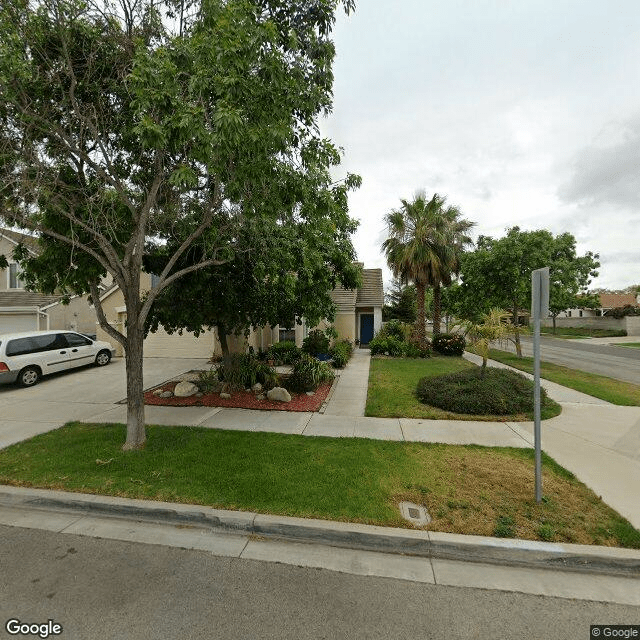
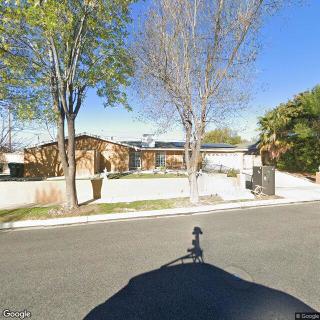
743 Sara Drive, Oxnard, CA 93030
For more information about senior living options: (866) 208-4318
Mom And Dad Home Care Costs & Pricing
At Mom And Dad Home Care, the monthly costs reflect a commitment to quality and personalized service in a comfortable environment. For a semi-private room, the charge is $4,000, which is notably higher than both Ventura County's average of $3,438 and California's overall average of $3,333. This premium underscores the additional amenities and care provided. In terms of private accommodations, the rate stands at $5,000 - again above the local average of $4,082 and California's average of $3,939. While these figures may be higher than other options in the vicinity or state, they reflect a deep investment in exceptional care standards and an enriched living experience for residents at Mom And Dad Home Care.
| Floor plans | Mom And Dad Home Care | Ventura County | California |
|---|---|---|---|
| Semi-Private | $4,000 | $3,438 | $3,333 |
| Private | $5,000 | $4,082 | $3,939 |
Memory care communities with a similar price nearby
-
from +$500 / mo

Royal Oaks Inn
$4,500 / month17.9 miles away -
from +$500 / mo
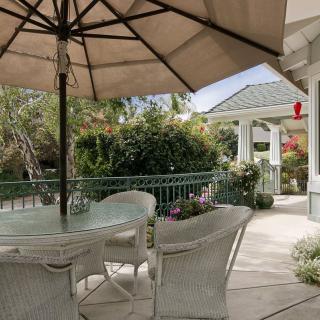
Cottage Inn
$4,500 / month6.5 miles away -
from -$500 / mo
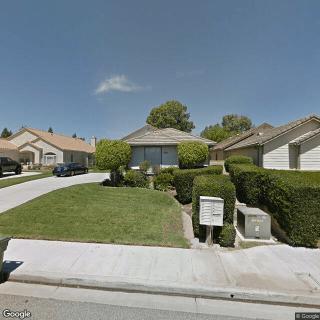
Blessed Family Living II
$3,500 to $3,800 / month24.8 miles away -
from +$500 / mo
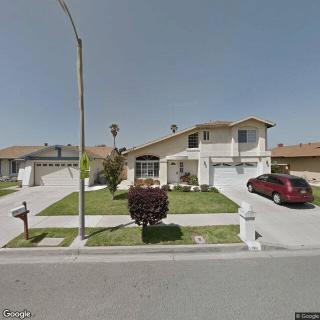
Sea Breeze Manor
$4,500 to $5,500 / month3.4 miles away -
from -$500 / mo
Lovely Community II
$3,500 to $4,500 / month16.3 miles away
Overall Review of Mom And Dad Home Care
Pros
 The location is wonderful.
- The neighborhood is safe and beautiful.
- The house is super clean.
- The caregivers are very sweet.
- The caregivers were great to guests.
- They worked really hard and were very attentive.
- It would be highly recommended for the right family.
Review
This community shines for families seeking a home-like, intimate caregiving arrangement in Oxnard, California. The setting is a private house located in a safe, aesthetically pleasing neighborhood, which matters when there is comfort in daily routines and familiar surroundings. The bedrock strengths are cleanliness, a calm domestic atmosphere, and caregivers who come across as genuinely kind, patient, and diligent. Caregivers are described as sweet, hardworking, and attentive to needs, suggesting a level of personal connection and responsiveness that many families value highly when a loved one prefers not to be cared for in a traditional facility. For seniors who thrive on routine, companionship, and the sense of a private home rather than a campus, this option can feel like the right fit.
Who may want to consider alternatives? Those with higher medical needs or a requirement for round-the-clock skilled nursing should look elsewhere. If memory care or highly structured programming is essential, a larger assisted living community or a specialized memory-care facility will likely offer more robust supervision, activity tracks, and security features. Families that desire comprehensive oversight, formalized care plans, or consistent staffing with documented credentials may find a private-home setup harder to verify in the absence of transparent licensing and administrative processes. Given there is only one review and the overall rating sits at a modest midpoint, supplementing the impression with independent checks becomes particularly important.
The strongest positives, location, safety, and the personal touch of the caregiving team, present meaningful, practical offsets to potential drawbacks. A safe, pleasant neighborhood reduces daily stress and makes it easier for loved ones to maintain connections with the community. A super-clean house lowers infection risk and creates a calm, predictable living space. Most crucially, the caregiversā€™ demeanor, described as sweet, hardworking, and attentive, provides a level of day-to-day reliability and warmth that can translate into meaningful quality of life for someone who benefits from companionship and consistent assistance with activities of daily living. These factors can compensate for the lack of public milestones or campus-style amenities that some families associate with senior living, provided expectations align with a home-care model rather than a larger facility.
Nevertheless, the limited data requires careful validation. The single source of feedback confirms excellent personal care in a domestic setting, but it cannot substitute for broader oversight, standardized care protocols, or documented outcomes. Prospective families should demand clarity on licensing status, caregiver qualifications, and supervision structures. Inquire about background checks, turnover rates, and how care plans are developed, updated, and communicated to families. Clarify hours of availability, emergency procedures, medication management practices, and how daily routines, meals, mobility assistance, and transportation, are organized. A trial period, with a scheduled review, is prudent to ensure the service level remains consistent as needs evolve.
For families weighing options in Oxnard, the practical path is to compare this home-care arrangement against formal assisted living communities and licensed home-health providers. If the priority is intimate, personalized attention in a home environment and the loved one responds well to daily companionship and light assistance, the positives can outweigh the drawbacks. However, if the goal centers on predictable medical oversight, structured programming, or highly specialized care, exploring alternatives with transparent licensing, stricter staffing norms, and documented care outcomes is advisable. In short, this option can be a compelling match for the right person, but due diligence and a concrete plan for escalation or transition should accompany any commitment.
In final assessment, Mom And Dad Home Care creates a compelling case for families who value a warm, clean, and approachable home setting with caregivers who genuinely invest in each resident. It is best suited for seniors who require non-medical support, consistent companionship, and a living environment that feels like home rather than a campus. For those whose needs extend into medical management, memory care, or highly regulated oversight, or for families craving extensive third-party validation, alternatives should be seriously weighed. The prudent course is a thorough inquiry, a candid discussion of expectations, and a short-term engagement to confirm that the intimate, home-based model can maintain the level of care envisioned over the long arc of aging.
 6 resident community capacity
 Assisted Living
 Board and Care Home
 Memory Care
 Cable or satellite TV
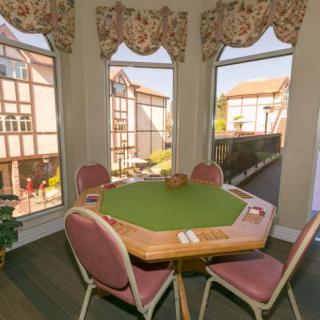
 Dining room
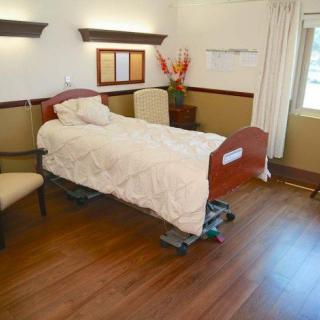
 Fully furnished
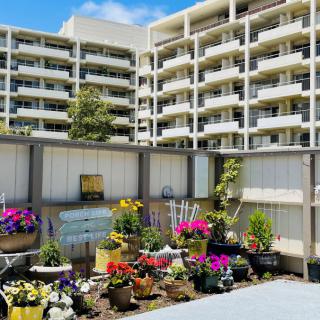
 Garden
 Housekeeping services
 Move-in coordination
 Outdoor space
 Private
 Telephone
 Wi-Fi/high-speed internet available
 Oxnard (3 miles away)
 24-hour supervision
 Activities of daily living assistance
 Assistance with bathing
 Assistance with dressing
 Assistance with transfers
 Diabetes diet
 Meal preparation and service
 Medication management
 Special dietary restrictions
 Transportation arrangement (medical)
 Transportation to doctors appointments

 How to Communicate with a Loved One Living with Dementia: 10 Supportive Strategies
 Comprehensive Guide to VA Nursing Homes: A Crucial Long-Term Care Resource for Veterans
 Estimating the Expenses of At-Home Dementia Care: A Detailed Exploration