
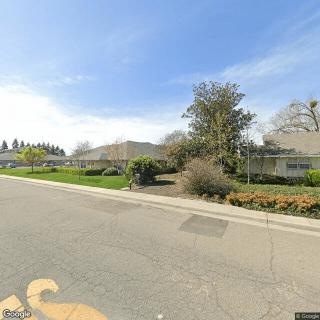
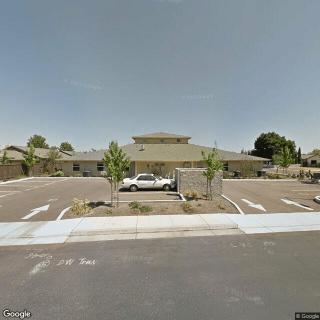
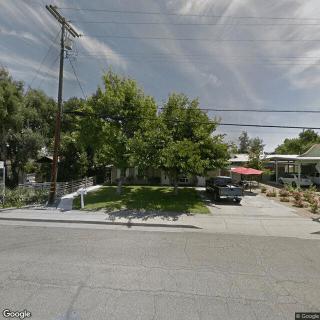
1202 Walnut Street, Orland, CA 95963
For more information about senior living options: (866) 208-4318
Overall Review of Always Loving Care
Pros
 The staff do whatever is necessary to make the residents' stay comfortable.
- They ensure the residents receive the correct medicines on time and are fed three meals a day.
- The staff are very polite.
- The food is good and residents are gaining weight.
- There is a good supply of books and TV for residents to enjoy.
- Transportation to and from the doctor, as well as shopping trips, are provided.
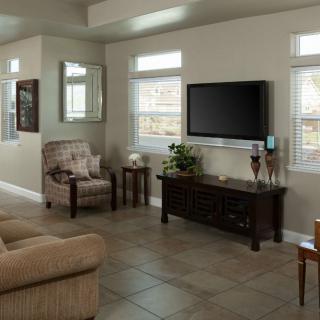
- The general appearance and cleanliness inside are very good.
- The layout feels like a home converted into individual rooms that suit the residents.
Cons
 They don't have any actual outings that they go on.
Review
Always Loving Care in Orland, CA is best suited for families seeking a small, home-like assisted living option where daily care, dependable nutrition, and personal attention are the priority. The setting works well for residents who prefer a calm, predictable routine, a house-like environment converted into individual rooms, and a hands-on staff that makes everyday needs, medication timing, meals, and transportation to appointments, seem effortless. It is especially suitable for someone who values warmth, polite demeanor from caregivers, and a straightforward, low-key living arrangement over a campus with sprawling amenities.
Those who may want to consider alternatives are residents who crave robust, scheduled social programming, frequent organized outings, or a broader range of on-site activities. The current model appears to emphasize comfort and basic daily care rather than a full slate of excursions or extensive recreational programming. Families seeking a facility with more expansive amenities, more frequent experiential activities, or specialized services beyond standard assisted living should compare options to ensure the level of engagement matches the resident’s interests and needs. Additionally, individuals who require higher levels of medical support or more diverse campus resources may be better served elsewhere.
On the positive side, the strongest selling points center on cleanliness, a homelike atmosphere, and reliable daily care. The staff’s willingness to do what is necessary to keep residents comfortable translates into practical, visible outcomes: timely medication administration, three nutritious meals a day, and attentive, polite service. The fact that residents are gaining weight suggests the food and feeding routines are meeting nutritional needs, an important comfort for families monitoring health and appetite. The facility’s support extends beyond meals and meds to practical help, books for reading, a television for entertainment, and transportation to doctor visits or errands, further reducing stress for families and preserving resident independence where possible.
Transportation and routine support are particularly meaningful in offsetting the limitations of a smaller, home-based setting. Getting residents to appointments and accompanying them shopping helps maintain autonomy and reduces the burden on family caregivers who might otherwise coordinate these logistics. The presence of reading materials and TV also contributes to cognitive and emotional well-being, offering quiet, predictable activities that suit residents who prefer a low-stimulation environment. In short, for this profile of resident, the combination of attentive staffing, reliable nutrition, and practical daily supports can deliver a steady, reassuring daily experience.
Nevertheless, the most conspicuous drawback is the absence of regular outings and more dynamic activity opportunities. A home converted into private rooms, while cozy and manageable, may limit social variety and experiential stimulation. This gap can lead to feelings of stasis for residents who thrive on exploration, interaction, and organized group events. Prospective families should probe how activities are actually organized day-to-day, what happens on weekends, and whether there are any planned events, volunteers, or partnerships that widen engagement. Without clear guarantees of ongoing social programming, there is a real risk of under-stimulation despite strong basic care.
Overall, the decision hinges on priorities. If safety, dependable medication management, good nutrition, and a warm, uncomplicated environment are the top criteria, Always Loving Care delivers solid value and comfort. It represents a practical, experience-based choice for families prioritizing daily reliability over high-energy activity calendars. For those who place a premium on social variety, frequent outings, or more intensive on-site programming, it is prudent to explore alternatives and schedule visits to compare activity calendars, speak with staff about emergency coverage and ratios, and review costs and inclusions. The single favorable rating underscores satisfaction with core care, but a careful assessment of activity offerings and space will determine whether this community fits the resident’s long-term preferences.
 6 resident community capacity
 Assisted Living
 Board and Care Home
 Cable or satellite TV
 Dining room
 Fully furnished
 Garden
 Housekeeping services
 Move-in coordination
 Outdoor space
 Telephone
 Wi-Fi/high-speed internet available
 Chico Municipal (18 miles away)
 24-hour supervision
 Activities of daily living assistance
 Assistance with bathing
 Assistance with dressing
 Assistance with transfers
 Diabetes diet
 Meal preparation and service
 Medication management
 Special dietary restrictions
 Transportation arrangement (medical)
 Transportation to doctors appointments


 Understanding Medicaid Coverage for Assisted Living: A Comprehensive Guide
 How and When Medicaid May Cover Assisted Living Costs
 A Detailed Exploration of Assisted Living Medicaid Waivers Across the United States