
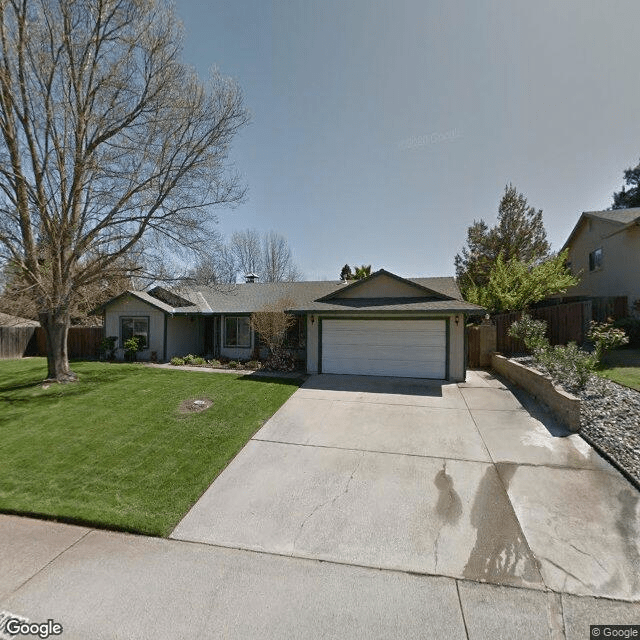
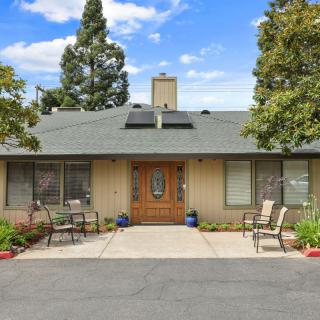
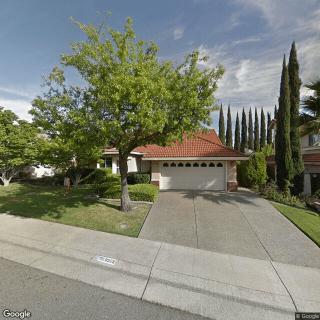
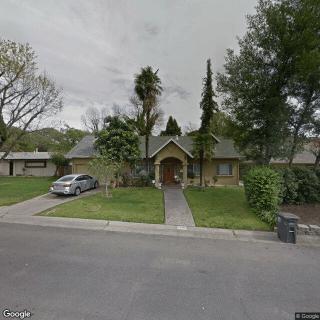
6036 Timberleaf Way, Orangevale, CA 95662
To contact a resident: (916) 987-8941
For more information about senior living options: (866) 208-4318
Timberleaf Home Care Costs & Pricing
Timberleaf Home Care offers competitive pricing for residential care, with monthly costs significantly lower than both Sacramento County and the broader California state averages. For a semi-private room, Timberleaf charges $1,700, which stands in contrast to the county's average of $3,106 and the state's typical cost of $3,333. Similarly, in a private room setting, Timberleaf's rate of $2,600 is notably more affordable compared to Sacramento County's $3,686 and California's average of $3,939. This pricing structure not only highlights Timberleaf's commitment to providing value but also positions it as an attractive option for families seeking quality care at a reasonable price point.
| Floor plans | Timberleaf Home Care | Sacramento County | California |
|---|---|---|---|
| Semi-Private | $1,700 | $3,106 | $3,333 |
| Private | $2,600 | $3,686 | $3,939 |
Senior living communities with a similar price nearby
-
from +$300 / mo
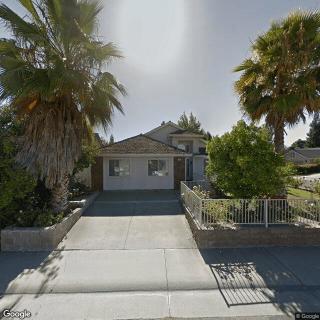
Antelope Hills Home Care
$2,000 to $2,500 / month5.9 miles away -
from +$200 / mo
Bloomfield Hills Assisted Living
$1,900 to $2,400 / month4.5 miles away -
from -$200 / mo

Flora Care Home
$1,500 to $2,000 / month4.5 miles away -
from +$100 / mo
Ciric Care Home
$1,800 to $2,800 / month14.3 miles away -
from -$100 / mo
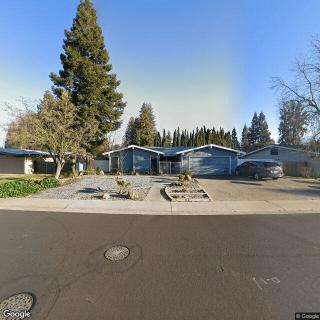
Gormley's Retirement Home
$1,600 to $2,400 / month19.6 miles away
Overall Review of Timberleaf Home Care
Pros
 Ben, the owner of Timberleaf Home Care, is described as the warmest and sweetest man alive.
- He makes people feel welcome.
- Timberleaf Home Care is a warm, friendly place.
- The owner/director is a lovely, caring person who goes out of her way to accommodate needs.
- Timberleaf Home Care was chosen because the overall feeling was just right.
- Timberleaf Home Care is highly recommended.
Cons
 There was no appointment scheduled for Timberleaf Home Care.
Review
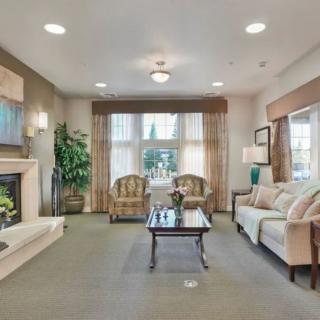
Timberleaf Home Care in Orangevale is best suited for seniors who want a truly home-like atmosphere and direct, personal attention from the owner-operator rather than a sprawling corporate staff. This is a small boarding care setting where daily life feels intimate, not institutional. Residents benefit from a relationship-driven approach, with the owner-director deeply involved in daily care and decision-making. Families seeking a smooth transition from private homes will likely find the atmosphere reassuring: warm greetings, familiar faces, and a rhythm that resembles living with family more than living in a commercial facility. The care model works especially well for those who are relatively independent but appreciate help with meals, light assistance, and social engagement delivered through a flexible, low-key schedule.
Those requiring high levels of medical oversight, memory-care specialization, or a robust calendar of structured activities may want to consider alternatives. If 24/7 on-site nursing, comprehensive rehabilitation services, or a large, program-driven community is essential, Timberleaf's smaller, home-like structure may feel limiting. Families mindful of predictable budgeting or formalized protocols may also prefer a more traditional assisted living or a facility with a larger care team. In short, when the priority is a professional, highly monitored clinical environment or a campus-style setting with extensive programming, other options should be explored.
From the reviews, the core strengths are undeniable: a sincere warmth and a sense of welcome that permeates every interaction, and an owner-director who genuinely goes out of her way to accommodate needs. That level of personal investment translates into trust and reduced anxiety for both residents and families. The ambiance, genuine friendliness, a homelike vibe, and a feeling that residents aren’t just tenants but members of a close-knit household, can dramatically improve mood and engagement. In practical terms, this means faster responses to requests, more individualized meal and activity adjustments, and a care plan that can pivot as preferences evolve.
Smaller scale matters in tangible ways. The absence of a cold, impersonal front-desk routine gives residents continuity and predictable interactions with someone who knows their preferences. The owner’s hands-on management often translates into flexible scheduling, easier accommodations for special diets, and a willingness to adjust routines to align with family rhythms. For families seeking consistent communication and a transparent, relationship-based care dynamic, Timberleaf delivers far more than a generic facility could. The warmth becomes a compensating asset for any gaps that a smaller operation might otherwise reveal.
Yet caution is warranted. The intimate setting can mean fewer amenities, limited on-site programming, and less formal oversight than larger communities. If a resident’s needs expand, requiring more intensive nursing care, memory-support curricula, or frequent structured outings, the scale and resources at Timberleaf may become a constraint. Coverage gaps can arise if the owner-operator is briefly unavailable, though in practice the care team appears responsive and aligned with resident preferences. Families can mitigate these potential drawbacks by asking about staffing patterns, daily schedules, medication management, emergency plans, and the exact scope of services included in the rate.
Bottom line: Timberleaf Home Care excels for families who prize a warm, homey, relationship-driven environment with clear and cared-for personal attention. It’s a strong fit for residents who want comfort, flexibility, and a sense of belonging, rather than a highly structured, clinically intensive setting. Those who require comprehensive medical supervision or a formal activities calendar should explore larger assisted living options or specialized memory-care communities. Before deciding, prospective residents should clarify expected daily routines, caregiver ratios, meal provisions, safety features, and cost structure. When compatibility with the owner-director’s style and the home atmosphere is high, Timberleaf stands out as a compelling choice in Orangevale.
 1-bedroom apartments
 Board and Care Home
 Private
 Sacramento International (19 miles away)

 Fecal Incontinence in Older Adults: A Comprehensive Guide
 Recognizing the Journey: Understanding and Navigating Anticipatory Grief
 Encouraging Participation in Adult Day Care: A Guide to Supporting a Hesitant Parent