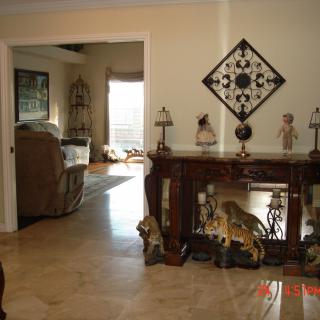
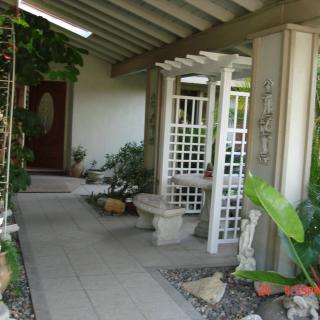
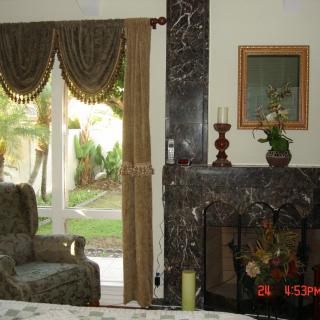




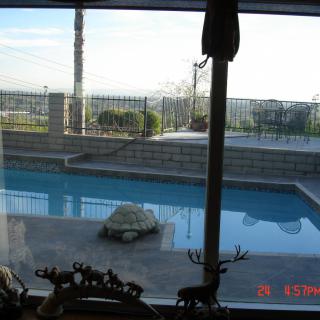
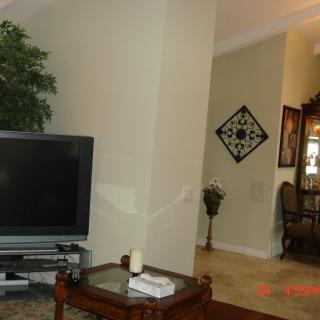
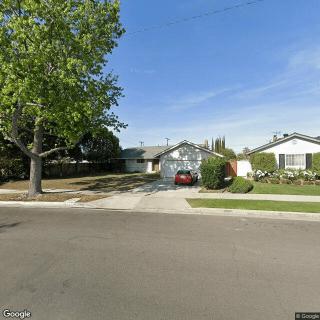
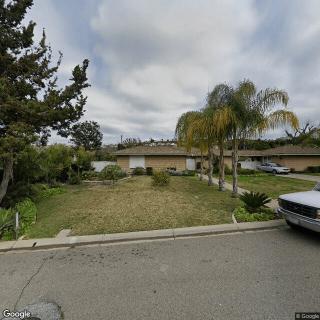
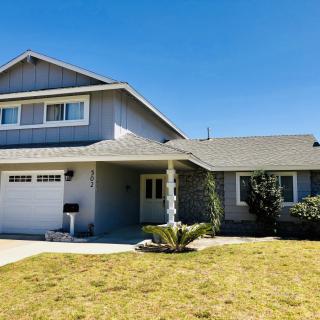
2902 East Shady Forest Lane, Orange, CA 92867
To contact a resident: (714) 803-5315
For more information about senior living options: (866) 208-4318
Summit View Costs & Pricing
At Summit View, the monthly cost for a private room is set at $5,000, which positions it above both the average rates in Orange County and the broader California market. Specifically, Orange County's private room costs are approximately $4,104 per month, while the state-wide average stands at about $3,939. This pricing reflects not only the quality of care and amenities provided by Summit View but also accounts for its strategic location and specialized services that may justify the higher costs compared to regional and state averages.
| Floor plans | Summit View | Orange County | California |
|---|---|---|---|
| Private | $5,000 | $4,104 | $3,939 |
Senior living communities with a similar price nearby
-
from +$500 / mo

JJ Assistance Home Care
$5,500 / month16.9 miles away -
from -$500 / mo
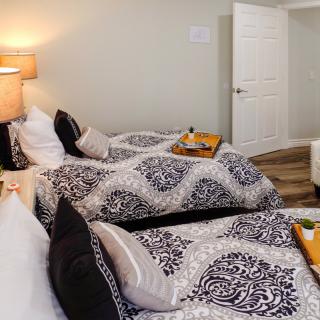
Bauer Assisted Living
$4,500 to $6,500 / month8.7 miles away -
from -$500 / mo
Heritage Senior Home Care
$4,500 to $4,800 / month19.8 miles away -
from -$500 / mo
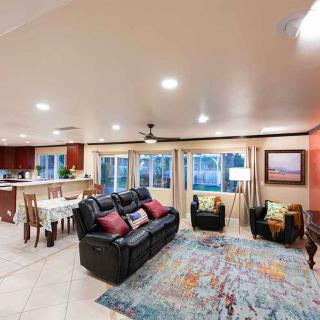
Casa Bella
$4,500 / month0.7 miles away -
from +$700 / mo

Mt. San Antonio Gardens
$5,700 to $8,550 / month19.3 miles away
Overall Review of Summit View
Pros
 The house and owner are perfect.
Cons
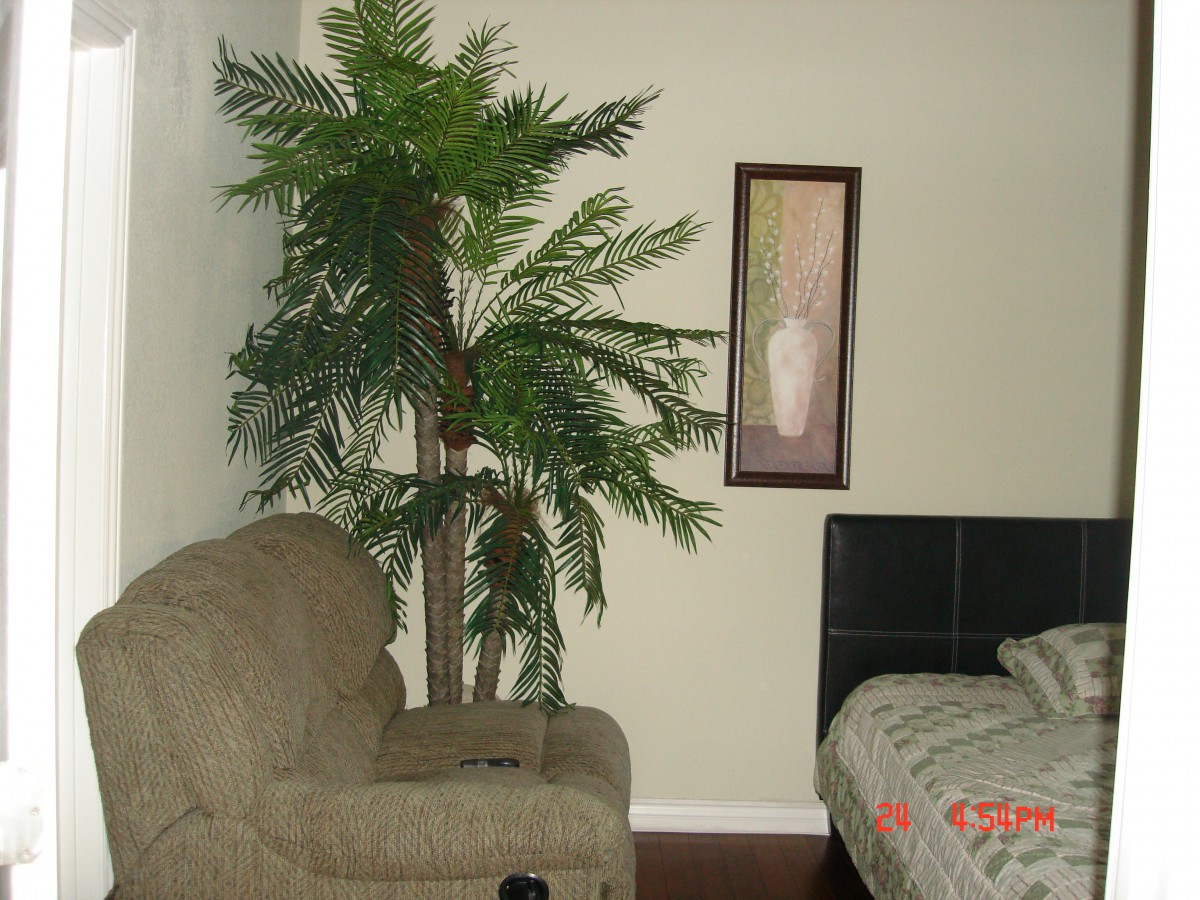
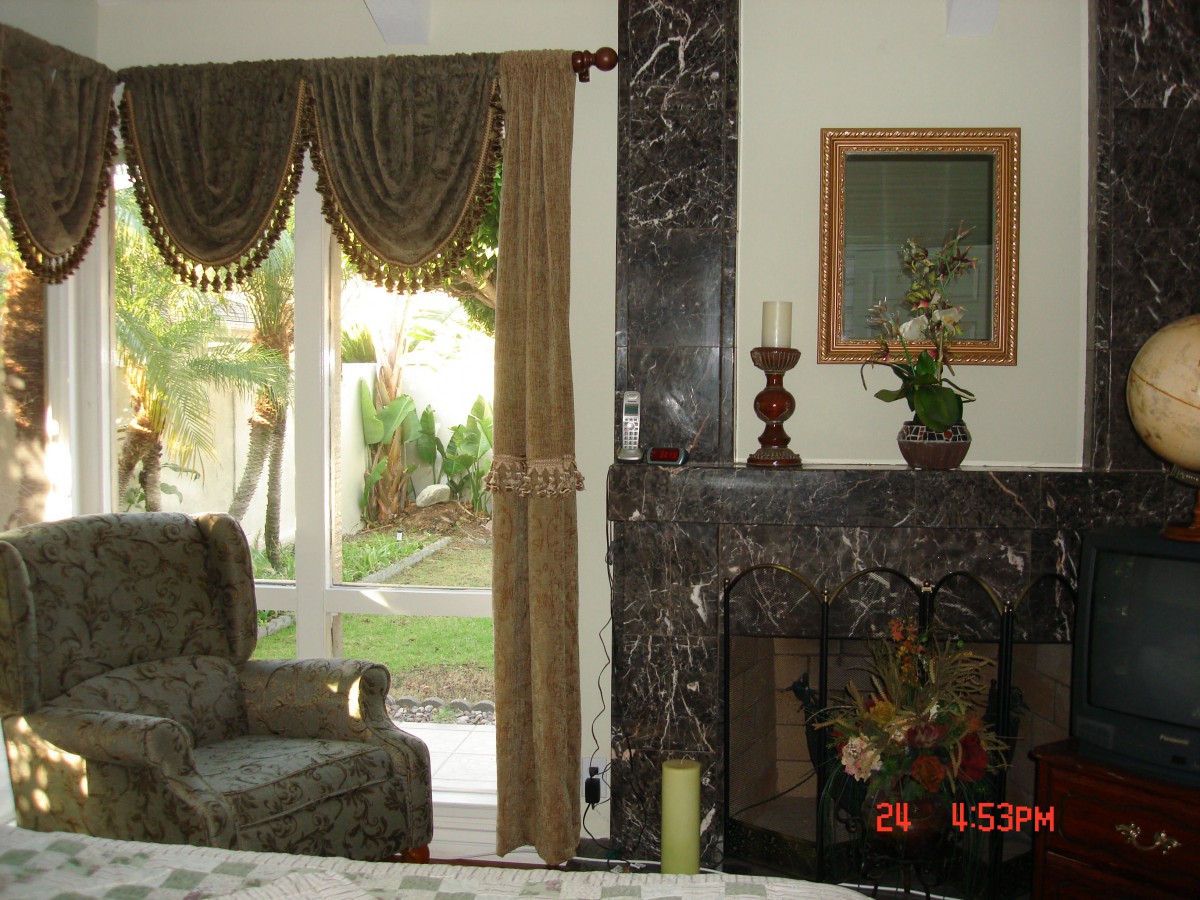
 The room is small.
Review
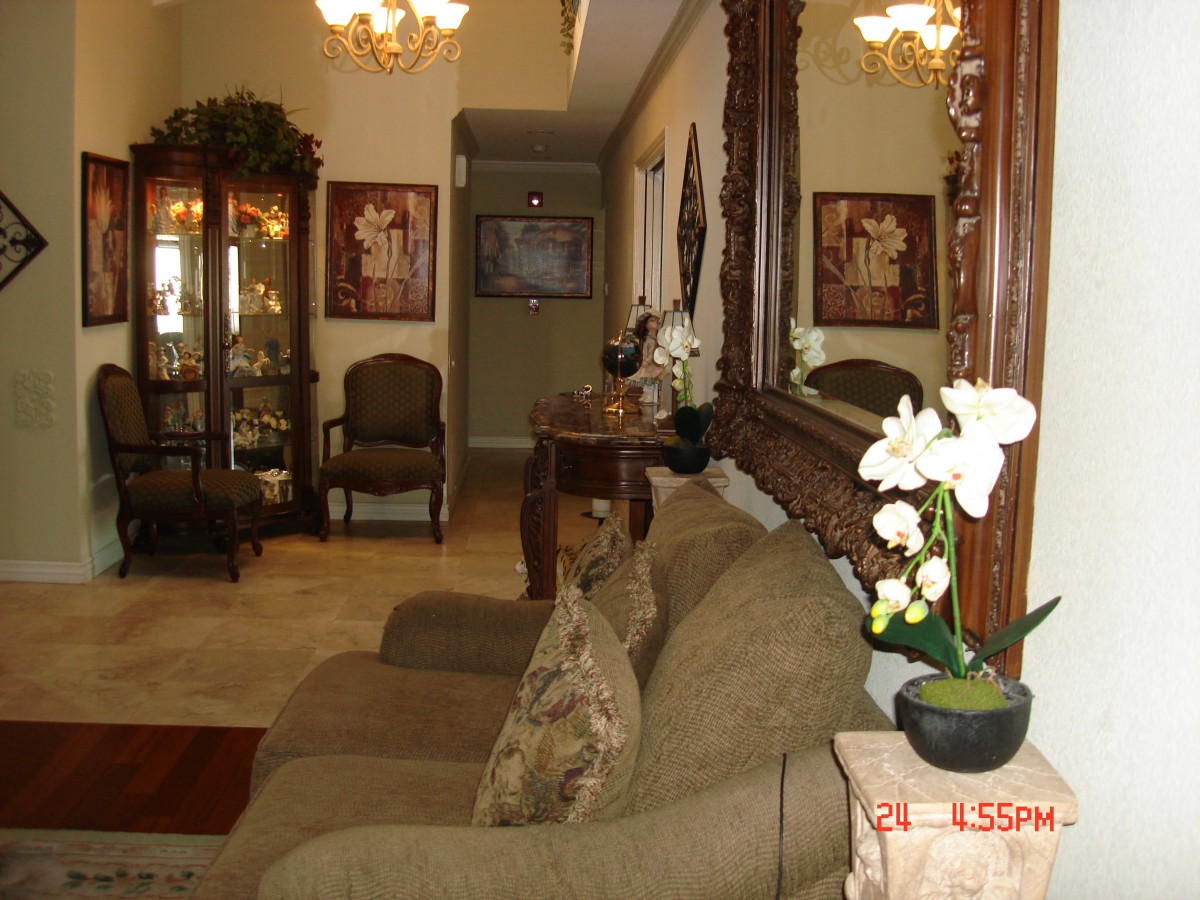
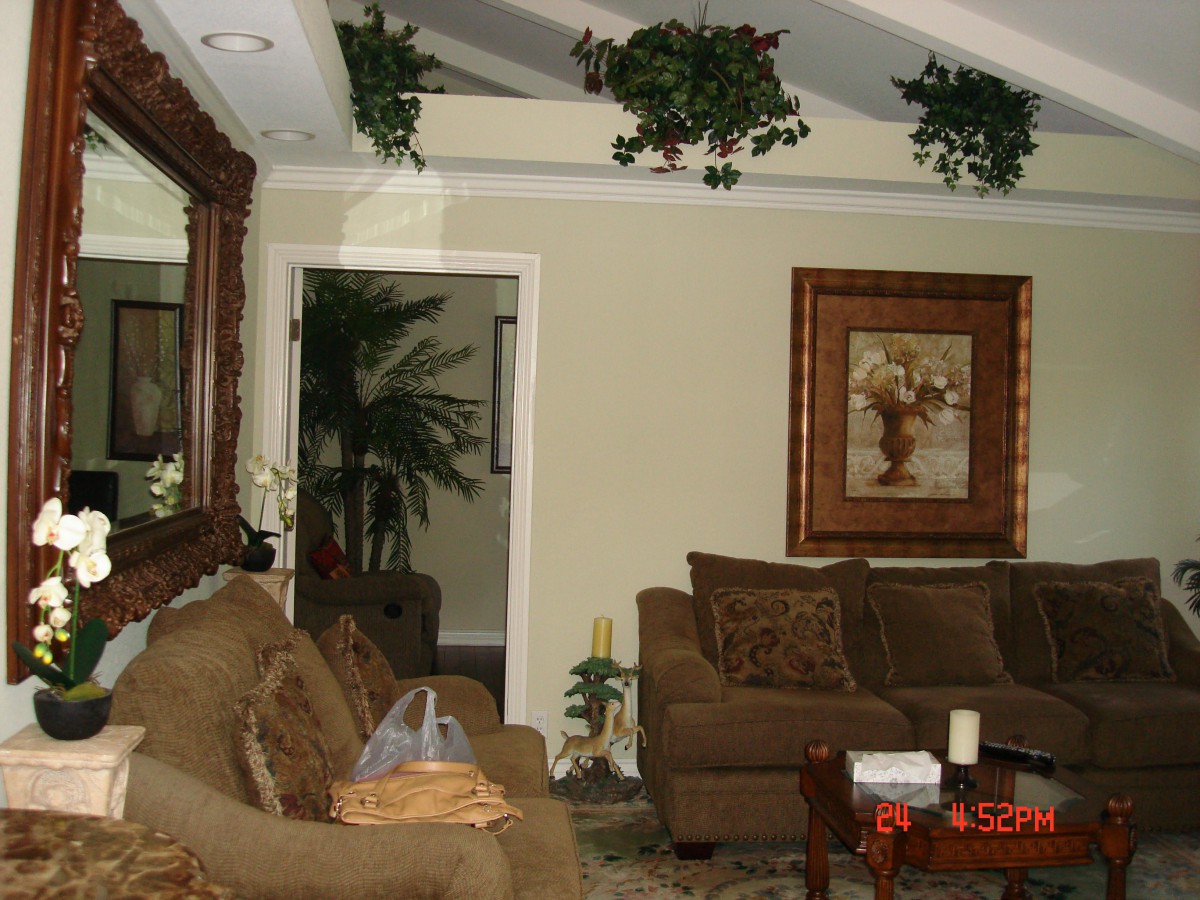
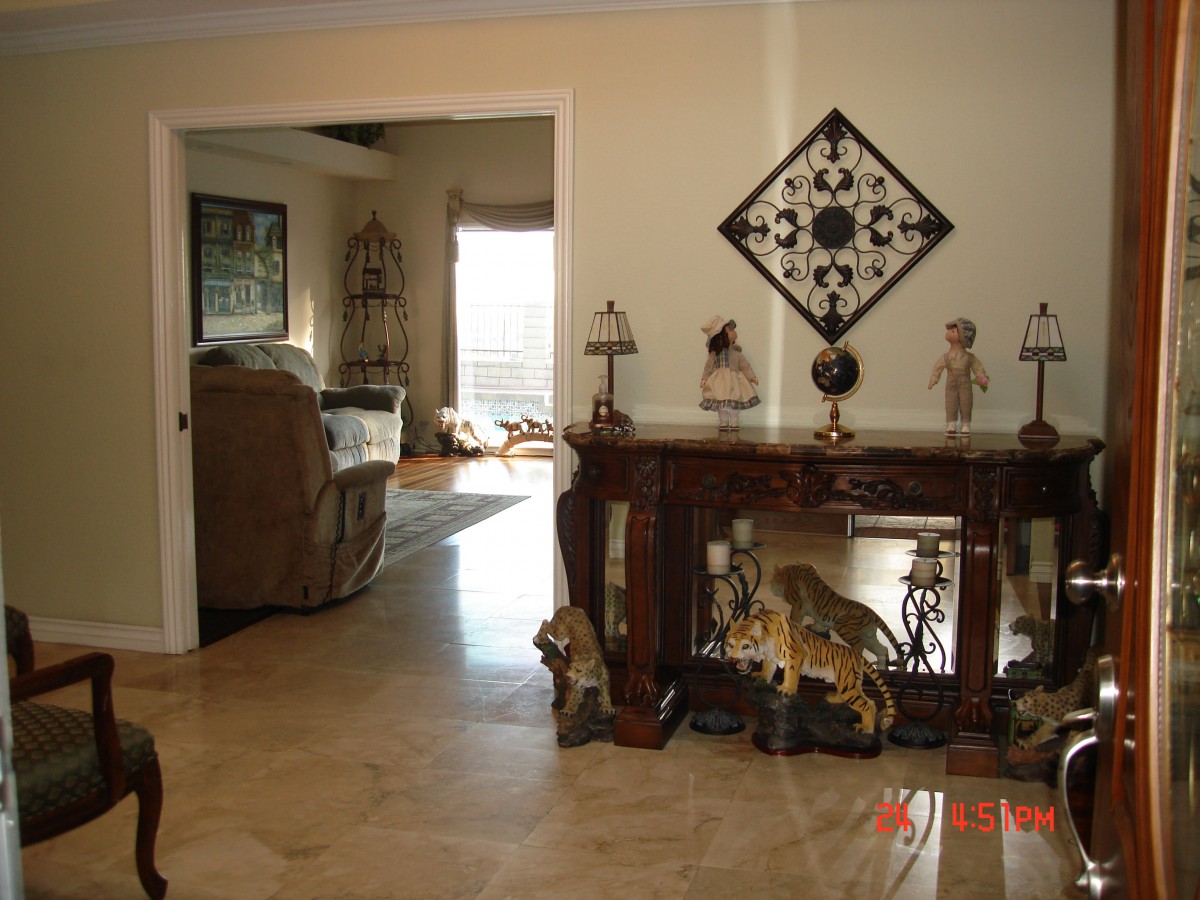
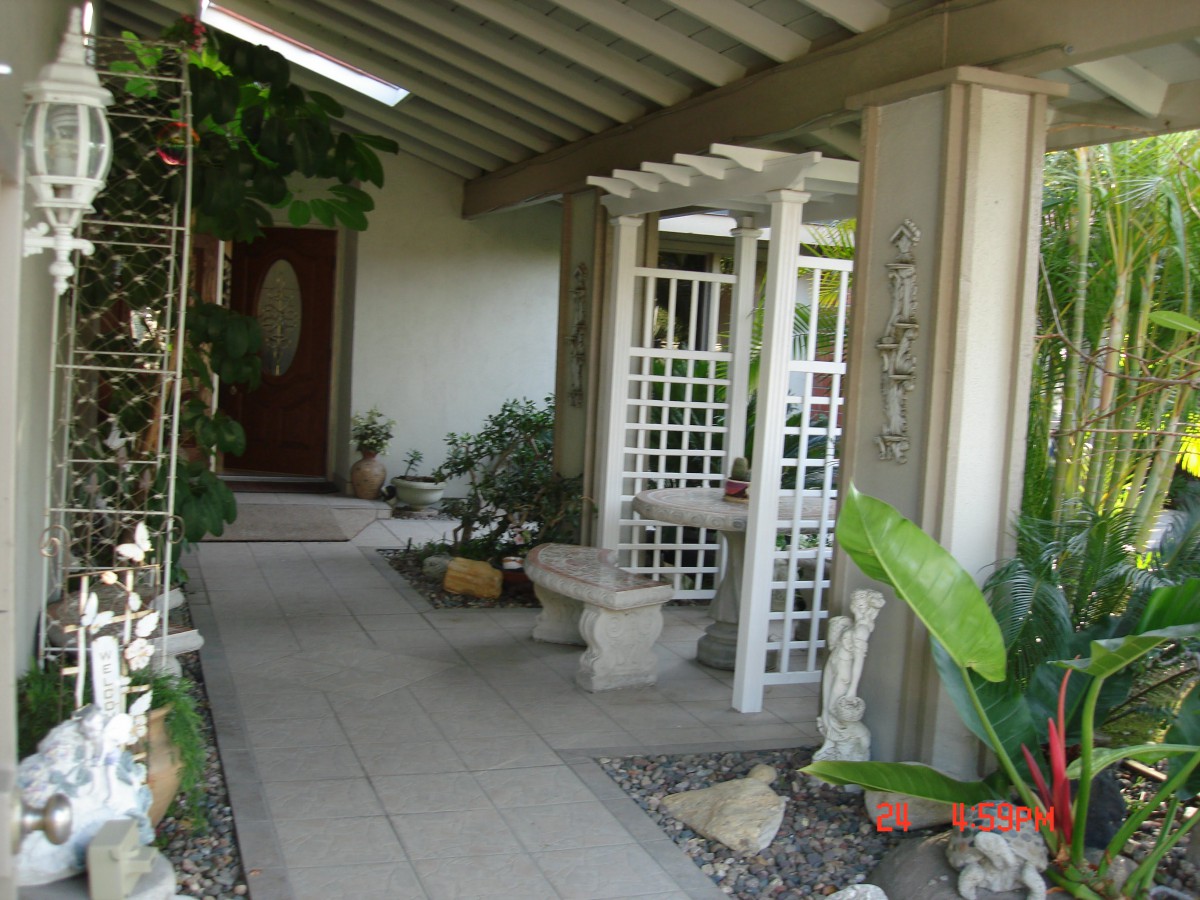
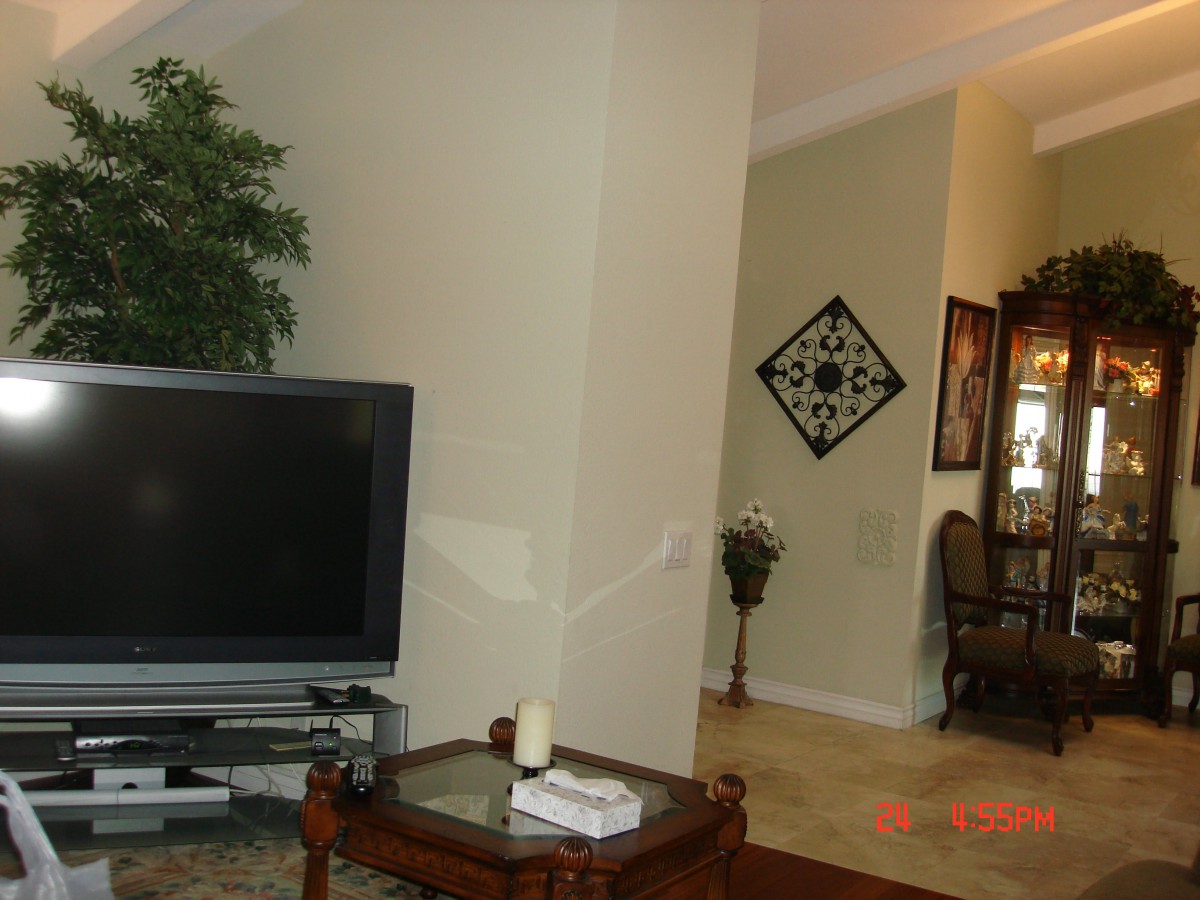
Summit View in Orange, CA is best suited for seniors who want a small, home-like setting with an owner-managed touch. This is not a large senior campus; it’s a private house where daily life is overseen by an attentive owner, offering a level of personal care and pace that many families miss in bigger communities. The current arrangement centers on a private room with some flexibility if the master-bedroom occupant is willing to switch, signaling practicality over rigidity. Families that prize a warm, uncomplicated atmosphere over formal programming will likely feel at home here. The crucial question is whether the available space will truly fit current furniture and mobility needs without compromising safety or ease of movement.
Those who should consider alternatives are mainly caregivers and seniors who require more spacious accommodations or a clearly defined care structure. If a larger bedroom, additional storage, or a traditional floor plan with distinct private and shared areas is essential, a larger campus with a formal care team may better meet expectations. Programs, activities, and on-site therapies commonly found in bigger communities are not described here, and for residents needing steady medical supervision, a home setting may fall short. In short, this option shines for low-key living and personal attention, but when care intensity and scheduled programming matter most, it should be weighed against more robust environments.
On the upside, the strongest asset is the personal touch implied by owner-operated living. The house and its proprietor are portrayed as highly reliable, with a pace and atmosphere that many families find less stressful than institutional settings. The potential to adjust room sharing, if the master occupant agrees to switch, adds a practical chance to improve fit without relocating. That kind of flexibility can translate into safer layouts and easier access to daily routines, delivering a level of responsiveness that larger communities often struggle to match. When circumstances align, this setup can deliver comfort, familiarity, and attentive oversight in one compact package.
The main drawback centers on space. The room’s small size requires careful verification of dimensions to ensure furniture will fit with comfortable circulation. Relying on a swap with another tenant introduces scheduling and compatibility risks, what if timing or preferences don’t align? The absence of detailed information about meals, staffing levels, and on-site services also leaves questions about the daily structure and medical oversight. Prospective residents should not assume more than can be confirmed and should come prepared to test fit against real dimensions rather than relying on impressions alone.
A practical checklist helps turn uncertainty into confidence. Bring exact room measurements and a floor plan; verify bed dimensions, dresser footprint, and clearance for mobility aids. Inquire about the master-bedroom switch: who controls timing, what constraints exist, and whether any cost changes accompany a swap. Clarify what is included in the rate, meals, housekeeping, and care options, and ask for a clear outline of safety features such as grab bars and emergency response. Request details about guest policies and visitation, and consider a short-term trial if offered to assess compatibility before committing long-term.
Overall, Summit View offers a viable choice for seniors who value a warm, hands-on, home-like environment and can verify room fit in advance. The standout strength, owner-driven flexibility, can compensate for a smaller bedroom when the layout works and medical needs are modest. For residents needing more space, more formal care, or richer programming, explore alternatives with larger campuses and documented care structures. The decision hinges on precise fit: if measurements confirm adequate room for comfort and safety, the personal, attentive care here can outperform larger, less intimate settings. In the right circumstances, Summit View is a practical, grounded option that keeps daily life simple and personally managed.
 Board and Care Home
 Activities off-site
 Beautician on-site
 Devotional services on-site
 Indoor common areas
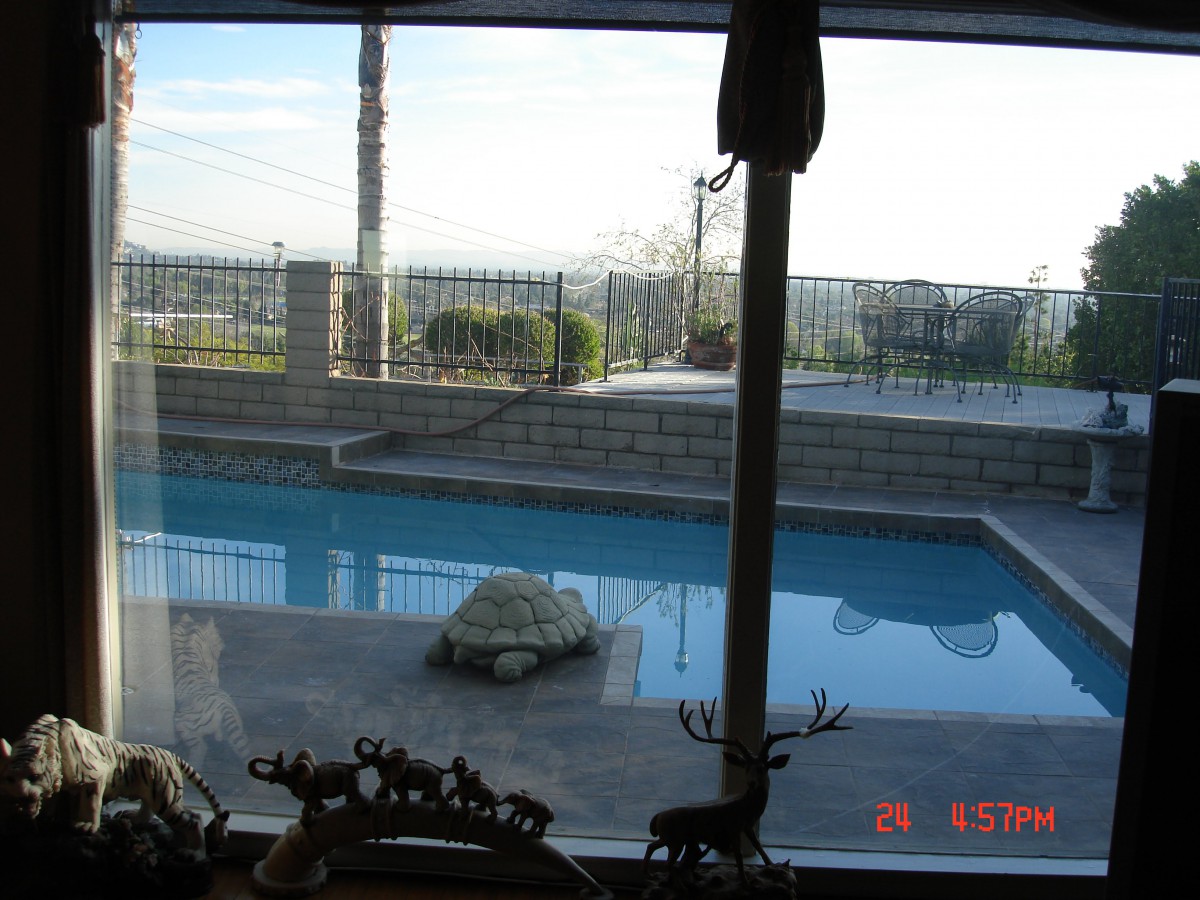
 Outdoor common areas
 Private
 Respite or short term stays offered
 Wheelchair accessible showers
 John Wayne Orange Co (11 miles away)
 Ambulatory care
 High acuity care
 Incontinence care
 Medication management
 Meals provided
 Christian services


 Nurturing Our Elders: Linda's Journey of Supporting Her Mother
 A Comprehensive Exploration of Common Misunderstandings about Powers of Attorney
 Senior Move Management: Understanding the Role, Value, and Associated Costs