
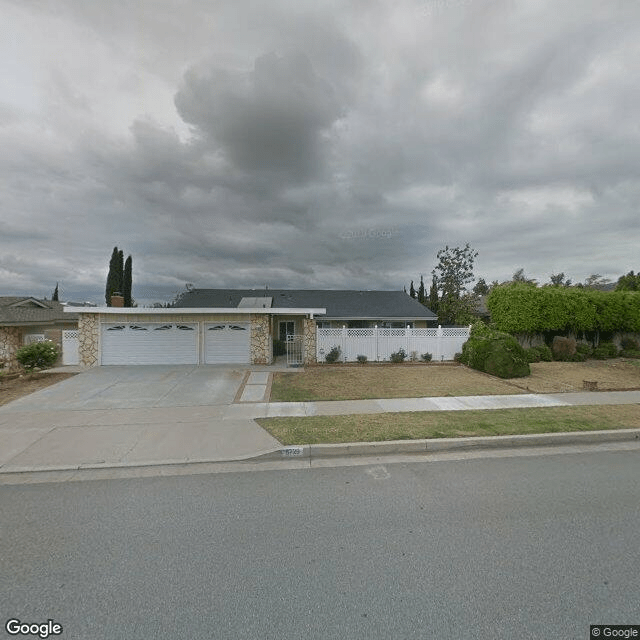
5729 East San Juan Drive, Orange, CA 92869
For more information about senior living options: (866) 208-4318
Autumn House Costs & Pricing
At Autumn House, the monthly costs for accommodation reflect a premium pricing structure compared to both Orange County and the broader state of California. For private rooms, residents are charged $5,500, which is notably higher than the county's average of $4,104 and the state's average of $3,939. Similarly, semi-private room options at Autumn House also carry a cost of $5,500, surpassing Orange County's rate of $3,431 and California's average of $3,333. These figures suggest that while Autumn House may offer unique amenities or services that justify its higher prices, prospective residents should carefully consider their budget in relation to these regional trends.
| Floor plans | Autumn House | Orange County | California |
|---|---|---|---|
| Private | $5,500 | $4,104 | $3,939 |
| Semi-Private | $5,500 | $3,431 | $3,333 |
Assisted Living communities with a similar price nearby
-
from +$995 / mo
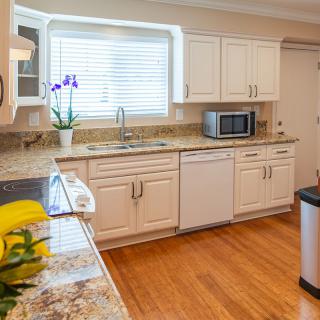
Forever Young Memory Care
$6,495 / month4.6 miles away -
from -$1000 / mo
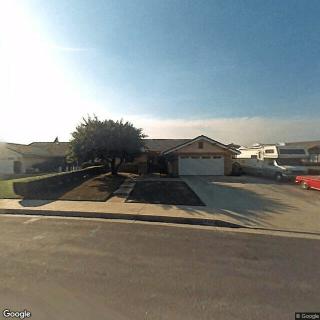
Heritage Senior Home Care
$4,500 to $4,800 / month20.8 miles away -
from +$500 / mo
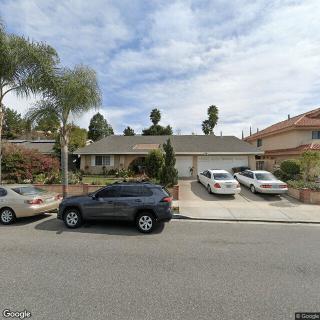
Alicia Care
$6,000 to $7,500 / month19.9 miles away -
from -$1000 / mo
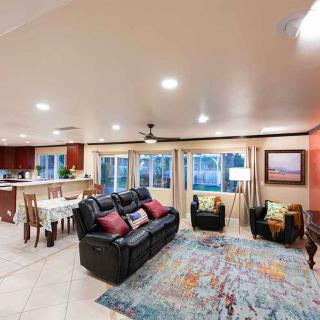
Casa Bella
$4,500 / month2.8 miles away -
from +$200 / mo
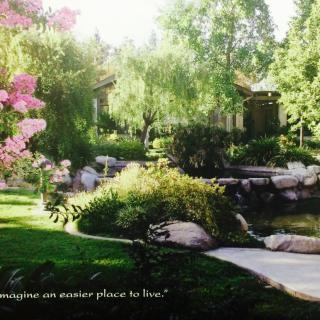
Mt. San Antonio Gardens
$5,700 to $8,550 / month20.0 miles away
Overall Review of Autumn House
Pros
 The facility offers great facilities, friendly and personable staff, and excellent care.
- The mom and the reviewer found the home to be nice, inviting, and compassionate during a difficult time.
- They are pleased that the stepfather will move in next week.
Review
Autumn House in Orange, CA is best suited for families seeking a warm, home-like setting where seniors receive personal, attentive care. This community shines for residents who prize approachable, compassionate staff and a atmosphere that feels inviting rather than clinical. It appeals to families who want clear, hands-on engagement from caregivers and a supportive environment during a transition period, whether coming from home or moving from another care setting. In short, Autumn House is a strong fit for those who value atmosphere, accessibility, and a sense of being cared for as a member of a family, not a number on a chart.
Those who may want to consider alternatives are typically those with needs for extensive medical oversight or specialized memory care that requires secure units and highly structured programs. If a resident demands aggressive wound care, complex IV therapies, or a wide array of medical services on a daily basis, or if robust, highly varied activity programming across the day is non-negotiable, a larger community with dedicated medical teams and broader dementia programming might be a better fit. Families should also compare pricing and value across options, since Autumn House’s home-like appeal often comes with a different cost structure than multi-site operators.
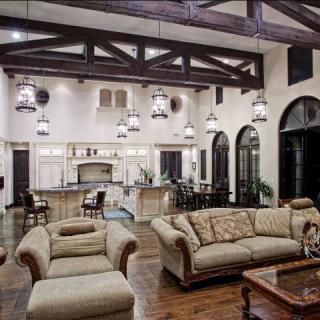
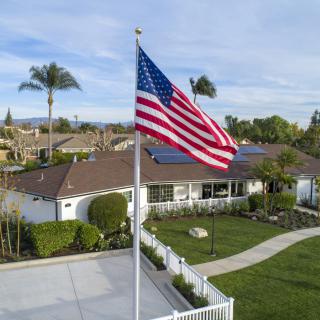
The most compelling positives here are the facilities themselves, the staff’s genuine approachability, and the level of care that emerges from that connection. The environment is described as inviting and well-maintained, a setting where residents can feel at ease and families sense confidence in daily routines. Care feels personalized rather than bureaucratic, with staff who are perceptive about individual preferences, daily rhythms, and changes in condition. The bottom-line takeaway is that the emotional quality of interactions, staff warmth, resident dignity, and timely responsiveness, provides a compelling counterweight to any perceived gaps in programming or medical breadth.
Because the reviews do not flag significant downsides, the main tension for decision-making centers on tradeoffs common to smaller, home-like communities. The strongest offset of potential limitations comes from the extraordinarily human touch: the ability to move beyond scripted care into tailored, compassionate attention that quiets family worry and reduces resident stress. This is the kind of care that can translate into steadier moods, better cooperation with routine, and a smoother day-to-day experience for both resident and family. In practice, that means Autumn House often delivers peace of mind that can be hard to secure in larger facilities with impersonal systems.
Decision-makers should verify practical details that matter in real life: what the current caregiver-to-resident ratio looks like on typical shifts, how care plans are developed and updated, and what medical supports are readily available onsite. It is essential to confirm what is included in monthly pricing versus what requires additional fees, and whether respite stays or trial periods are options during a transition. Prospective families should inquire about transportation options, meal customization, and the degree of social and spiritual programming, since these can influence daily satisfaction as much as clinical care does.
Ultimately, Autumn House offers a compelling combination of a welcoming setting and attentive, compassionate care that resonates with families seeking a warm, emotionally secure home for an elder loved one. The strongest readers’ verdict is that this environment feels like a real home, with staff who treat residents with kindness and respect and with families who feel heard and supported during difficult times. For those prioritizing atmosphere, relationship-centered care, and a smoother handoff from family oversight to professional support, Autumn House stands out as a practical, trustworthy choice. Those with higher needs for medical complexity or extensive dementia-specific programming should examine alternatives that emphasize breadth of services and specialized memory-care infrastructure before deciding.
 6 resident community capacity
 Assisted Living
 Board and Care Home
 Dogs allowed
 Activities off-site
 Air-conditioning
 Cable or satellite TV
 Devotional services off-site
 Dining room
 Fully furnished
 Garden
 Housekeeping services
 Indoor common areas
 Move-in coordination
 Outdoor common areas
 Private
 Private bathrooms
 Respite or short term stays offered
 Telephone
 Wheelchair accessible showers
 Wi-Fi/high-speed internet available
 John Wayne Orange Co (10 miles away)
 24-hour supervision
 Ambulatory care
 Assistance with bathing
 Assistance with dressing
 Assistance with transfers
 Diabetes diet
 High acuity care
 Incontinence care
 Meal preparation and service
 Medication management
 Special dietary restrictions
 Transportation arrangement (medical)
 Transportation to doctors appointments
 Art classes
 BBQs or picnics
 Birthday parties
 Day trips and outings
 Live dance or theater performances
 Live musical performances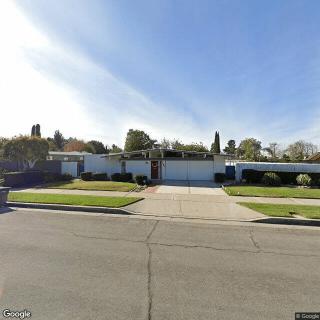


 Securing Financial Support for Assisted Living: A Comprehensive Overview
 Social Security Benefits and Assisted Living: Navigating Options Across the U.S.
 An Extensive Exploration of the VA Aid and Attendance Benefit