

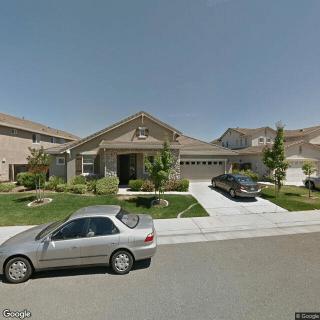
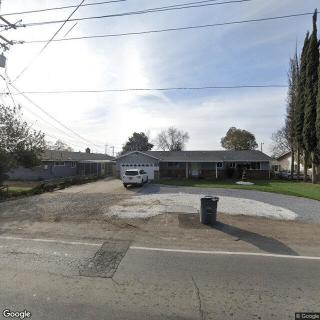
4205 Mary Avenue, Olivehurst, CA 95961
For more information about senior living options: (866) 208-4318
Comfort Care Elderly Home Costs & Pricing
Comfort Care Elderly Home offers competitive pricing for its residents compared to the broader market in Yuba County and across California. For semi-private accommodations, the monthly cost at Comfort Care is $3,500, which is slightly above the county average of $3,031 yet remains within a reasonable range of the state average of $3,333. When it comes to private rooms, the cost rises to $4,000; this figure is higher than both the Yuba County average of $3,348 and the state average of $3,939. These rates reflect not only the quality of care and services provided at Comfort Care Elderly Home but also position it as a valuable option for families seeking dedicated support in an eldercare environment.
| Floor plans | Comfort Care Elderly Home | Yuba County | California |
|---|---|---|---|
| Semi-Private | $3,500 | $3,031 | $3,333 |
| Private | $4,000 | $3,348 | $3,939 |
Assisted Living communities with a similar price nearby
-
from +$650 / mo
Ferrari
$4,150 to $5,500 / month19.7 miles away -
from +$695 / mo

Atria Rocklin
$4,195 to $5,695 / month23.9 miles away -
from -$500 / mo

The Pines, A Merrill Gardens Community
$3,000 to $6,000 / month22.9 miles away -
from -$342 / mo

The Courtyard
$3,158 to $3,767 / month6.9 miles away -
from -$300 / mo

The Villas at Stanford Ranch
$3,200 to $6,100 / month22.9 miles away
Overall Review of Comfort Care Elderly Home
Pros
 The place was very nice.
- The lady they met was very nice and very concerned about the people staying there.
- She had a very awesome attitude.
Review
Comfort Care Elderly Home in Olivehurst is best suited for families seeking a small, homelike environment where frontline caregivers know residents by name and bring a warm, unforced attentiveness to daily life. With two five‑star endorsements, the community reads as welcoming and well‑mannered, and the impression conveyed by reviewers centers on a staff culture that takes the welfare of residents personally. This is not a glossy, hospital‑like campus; it is a compact setting where a respectful, positive attitude from the person who first greets visitors translates into visible everyday care. For seniors who thrive on personal connection, predictable routines, and a feeling of being genuinely looked after, Comfort Care offers a compelling resonance.
Yet prospective families should be clear about what is not revealed in the reviews. There is no explicit information about medical staffing levels, on‑site nursing, therapy options, memory‑care specialization, or the breadth of activities and outings. Families needing robust clinical oversight, complex wound care, ventilator support, or specialized dementia programming will want alternatives that document those capabilities. The location in Olivehurst invites consideration of practical factors such as transportation, access to physicians, and hospital proximity; without these details, the decision rests on a strong impression rather than a full service profile. Consequently, this option deserves a closer look but demands targeted questions before commitment.
On the positive side, the reviews converge on a clear pro: the people who staff Comfort Care act with genuine care. The standout descriptor is the caregiver’s attentiveness, described as nice, concerned about residents, and possessed of an “awesome” attitude, which, in practice, feeds daily comfort, reduces anxiety, and supports dignity. The environment itself is portrayed as pleasant, reinforcing the sense that residents can settle in quickly without friction or faux friendliness. In small‑scale settings like this, the personal touch matters as much as amenities; when staff interactions feel consistent and sincere, family members gain confidence that the daily experience aligns with stated values.
However the limited number of reviews introduces risk. A two‑review sample cannot chart variations across shifts, days, or seasons, nor illuminate how meals, housekeeping, transportation, or activity programming actually unfold. Without third‑party verification or more depth, it remains possible that the care narrative is simply resonant because encounters with one particularly strong staff member were highlighted. For families, the absence of details on scheduling, resident autonomy, and the handling of emergencies means a decision should hinge on direct observation and careful probing during tours rather than on impression alone. The warmth is real; the breadth of services should be confirmed.
In weighing pros and cons, the reliable, person‑centered warmth becomes the decisive offset to the unknowns about services. When a home environment feels calm, residents look forward to each day, and staff members convey steady, compassionate engagement, many families will accept a narrower menu of offerings in exchange for peace of mind. But the offset is not universal: if daily life relies on robust activities, strong clinical care, or consistent, well‑documented policies, Comfort Care should be examined against more programmatically rich options. The absence of red flags in the two reviews is encouraging, yet it cannot substitute for a complete service profile.
The practical next steps are straightforward: visit with the intention of meeting additional staff, including caregivers who will be with residents daily; request a transparent rundown of staffing ratios, on‑site medical support, and the typical daily schedule; review the meals program and housekeeping routines; inquire about transportation, activities, and respite or short‑term stays; and ask for resident references or recent survey results if available. If the aim is a cozy, relationship‑driven setting, Comfort Care Elderly Home merits strong consideration and could be a standout choice. If, instead, the priority is extensive clinical oversight, diversified programming, or cost transparency, alternatives should be explored with equal vigor.
 6 resident community capacity
 Assisted Living
 Board and Care Home
 Activities on-site
 Bath tubs
 Beautician on-site
 Cable or satellite TV
 Devotional services on-site
 Dining room
 Fully furnished
 Garden
 Housekeeping services
 Indoor common areas
 Move-in coordination
 Outdoor common areas
 Private
 Telephone
 Wi-Fi/high-speed internet available
 24-hour supervision
 Ambulatory care
 Assistance with bathing
 Assistance with dressing
 Assistance with transfers
 Diabetes diet
 High acuity care
 Incontinence care
 Meal preparation and service
 Medication management
 Special dietary restrictions
 Transportation arrangement (medical)
 Transportation to doctors appointments
 Christian services





 Understanding the True Cost of Assisted Living in 2025: A Comprehensive Guide
 Understanding Medicaid Coverage for Assisted Living: A Comprehensive Guide
 How and When Medicaid May Cover Assisted Living Costs