
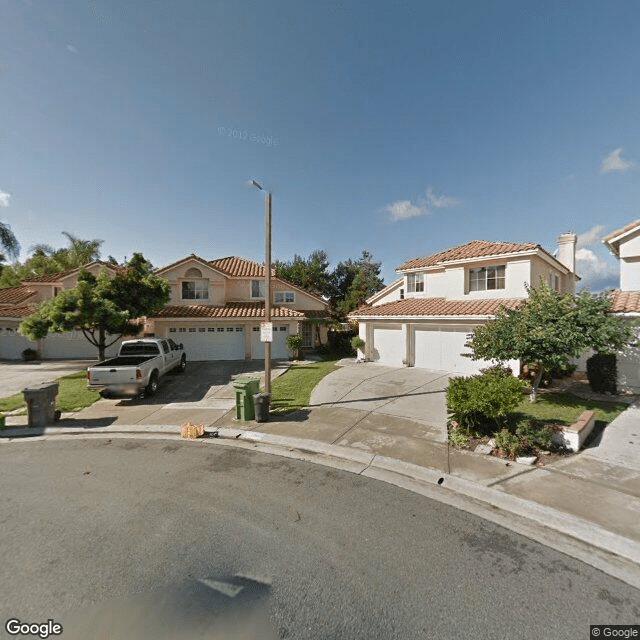
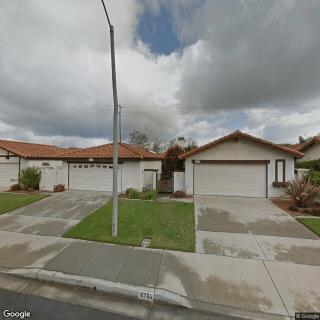
4835 Pastel Ct, Oceanside, CA 92057
To contact a resident: (760) 941-6958
For more information about senior living options: (866) 208-4318
Overall Review of Ann's Care Home
Pros
 The parents bonded with Kathy and her staff, receiving delicious meals and personalized care.
- Every visit showed the parents clean and well-cared-for.
- Birthday and holiday celebrations were exceptional.
- Angel’s Home Care is a wonderful place for loved ones who need a little help with everyday tasks.
- Kathy and her team are kind and caring and take great care of their mom.
- The food is homemade and healthy.
- The environment is very clean and homey.
- Holidays and birthdays are made to feel special.
Review
Ann's Care Home in Oceanside, CA is best suited for seniors who want an intimate, home-like setting where daily routines are guided by highly personalized attention and genuine caregiver relationships. The two 5-star reviews emphasize a small-community feel anchored by Kathy and her staff, with residents enjoying delicious, home-style meals and care that feels closely tailored to individual needs. Visitors repeatedly observed clean, well-cared-for residents and people who clearly thrive in an atmosphere that treats holidays and birthdays as meaningful occasions rather than afterthoughts. For families seeking warmth, consistency, and a sense of belonging, this community stands out as the natural choice.
That said, certain realities make alternatives worth considering. The setting appears geared toward daily living support rather than advanced medical oversight. For loved ones who require 24/7 skilled nursing, complex medical management, or dementia-specific memory-care programs, larger campuses with formal clinical teams may be a better match. Those who prioritize highly structured activities, on-site rehab, or generous transportation options should compare options to ensure the level of medical and therapeutic services aligns with evolving needs. In short, this is a strong fit for daily living support with personal touches, less so for heavy clinical care.
On the upside, the strongest pros are concrete and highly impactful. The bond with Kathy and the caregiving team translates into consistent, attentive responses to routines, preferences, and changing needs, which reduces stress for residents and gives families confidence that their loved one is not just being watched, but understood. The meals, described as homemade and wholesome, support appetite and nutrition, a practical benefit for ongoing health. A clean, homey environment further reinforces comfort and safety, while celebrations around birthdays and holidays cultivate a sense of purpose and social connection that can be hard to sustain in larger facilities.
Possible drawbacks follow logically from the same model. The most noticeable constraint is the limited scope of care that tends to accompany a small, home-based operation. Without explicit mention of on-site clinicians, memory-care specialists, or extensive medical programming, families needing complex treatments, regular IV therapies, or dementia-focused care should anticipate evaluating supplementary options. Privacy and autonomy are generally strong in intimate settings, but the trade-off can be fewer formal routines, clubs, or excursions that larger communities often advertise.
Still, the strengths significantly offset these potential gaps. The very trait that makes Ann's Care Home appealing, the caregiver-led, family-oriented atmosphere, also serves as a practical substitute for more formal programming. Daily routines can be adjusted with remarkable agility to suit evolving preferences, mobility, and safety concerns, while the consistent caregiver presence helps mitigate anxiety and confusion for residents who benefit from stable, familiar faces. The emphasis on home-cooked meals and heartfelt celebrations can sustain nutritional intake, morale, and social bonding, often at a lower cost and with more personalized attention than larger facilities.
For families weighing the decision, the takeaway is clear. Ann's Care Home is an excellent choice for seniors who value intimate, individualized care, a warm, clean home environment, and meaningful social daily life, provided the resident’s needs are predominantly for assistance with daily activities and companionship rather than intensive medical or memory-care services. If those higher-level needs are likely to emerge, or if a structured, clinically oriented setting is a priority, exploring alternatives with broader medical support is prudent. A thoughtful visit, conversations with Kathy about staffing, and a concrete outline of emergency and medical coordination will reveal how well this home aligns with present and anticipated needs.
 Board and Care Home
 MC Clellan-Palomar Airport (8 miles away)


 Compassionate Conversations: How to Comfort Someone Who Is Grieving
 Home Health Care Aides: Understanding Their Role and Supporting Your Family
 Urinary Tract Infections in Older Adults: Comprehensive Insights on Symptoms, Treatment, and Prevention