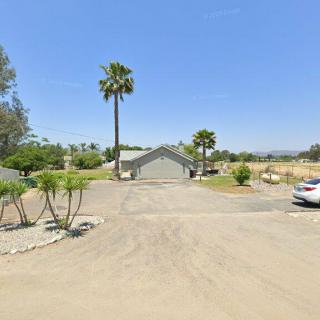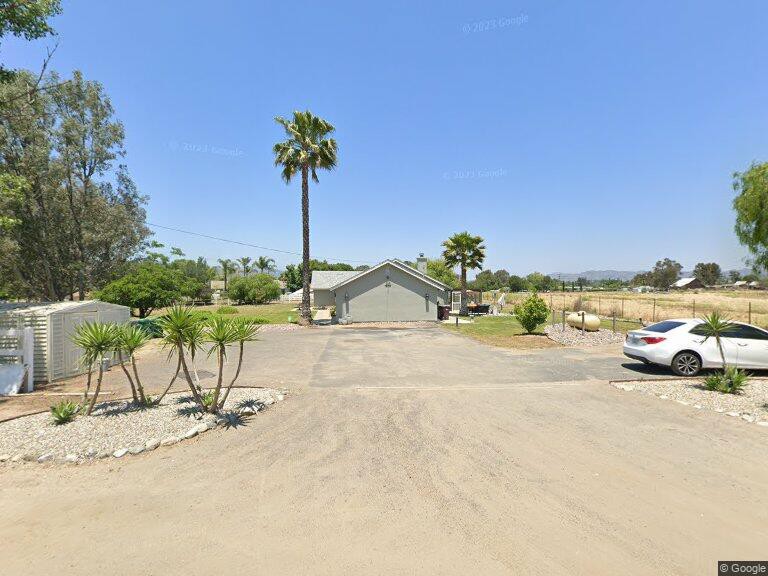
42165 Patton, Murrieta, CA 92562
For more information about senior living options: (866) 208-4318
Overall Review of A Heartfelt Home II
Pros
 The garden beds in the backyard are beautiful and inviting.
- They were professionally built by Andrew, the owner.
- Residents can enjoy and watch blossoms each season.
- There are lots of flowers and vegetables.
- It’s a great way to engage residents and bring them out of their rooms.
- Andrew is a hands-on owner who covers shifts when needed.
- He spends a lot of time with residents and knows them by name.
- Residents’ faces light up when they see him approaching.
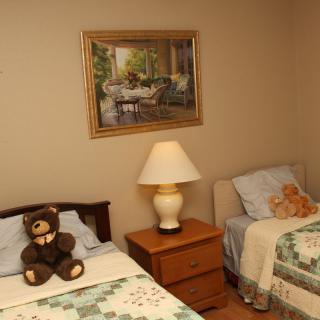
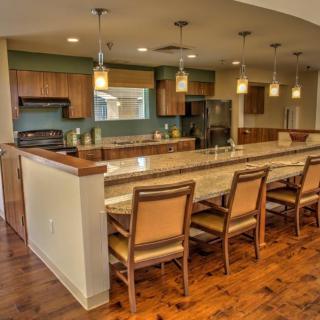
- The homes are very clean and in a beautiful, well-kept neighborhood.
- Residents respond positively to his presence.
Cons
 None found (no negative statements in the third person).
Review
A Heartfelt Home II in Murrieta is best suited for families seeking a truly home-like, intimate senior living experience where the owner is deeply present, relationships with residents feel personal, and everyday life centers on neighborly engagement. The two reviews that illuminate this model show a setting driven by a hands-on owner who knows residents by name, covers shifts when staff need support, and maintains a clean, well-kept home in a pleasant neighborhood. The standout feature is the garden-forward, social rhythm: residents are invited to participate in beds and blossoms, watch seasons change, and interact regularly rather than drift through sterile routines. For families prioritizing warmth, trust, and a sense of belonging over sheer square footage or formal programming, this model often feels like a natural extension of home.
Those who should consider alternatives are seniors with more intensive medical needs or memory-care requirements, or families seeking a larger campus with a broad slate of structured activities, on-site nursing, and a more formal care continuum. A compact, owner-operated home typically lacks the breadth of specialized services found in bigger assisted living communities. If 24/7 licensed nursing oversight, rapid access to on-site therapists, or highly regimented schedules are non-negotiable, it makes sense to explore communities designed around those capabilities. Likewise, if a resident expects a wide array of amenities, spa services, fitness studios, village-like campuses, or multi-location campuses, this model may feel under-resourced by comparison.
The most persuasive strengths here are precisely the elements that offset potential limitations. First, the owner’s daily involvement creates a sense of continuity and accountability that can translate into quicker problem-solving and more meaningful staff-resident interactions. When the owner is on the floor, residents light up; staff are backed by real leadership, not distant corporate hierarchies. Second, the emphasis on gardens and outdoor spaces turns daily living into an opportunity for purposeful activity, casual conversation, and visible social connection. Third, the environment tends to be clean, peaceful, and aesthetically inviting, a factor families often prioritize because it signals safety, dignity, and pride in stewardship. In aggregate, these advantages can compensate for a smaller footprint and a leaner amenities roster.
That said, the model carries trade-offs. The same intimate scale that builds warmth can also mean fewer on-site resources for higher-acuity needs. Prospective families should verify the availability of medical oversight, medication management, and emergency protocols, and should understand how quickly outside professionals can be mobilized if a health issue arises. The absence of a large, professionalized care team does not imply neglect, but it does require clear agreements about nurse access, physician visits, and transfer plans. Families should also consider how the resident’s interests, beyond gardening and socializing, will be supported, including access to activities such as memory-care programming, mobility support, and transportation for appointments.
To make a well-informed decision, ask pointed questions during visits: How is care coordinated if a resident’s needs change? Who handles medications, and what is the protocol for emergencies? What is the ratio of staff to residents, and how stable is the caregiving team? How often are meals refreshed to meet dietary requirements, and who tailors activities beyond the garden program? Observe interactions not only between staff and residents but also between residents themselves, noting whether conversations feel warm and two-way or perfunctory. Request candid feedback from current residents or families about staffing reliability, responsiveness, and the ease of arranging private visits. Finally, review the contract for fee structures, deposit policies, and terms that address care level changes over time.
In the end, A Heartfelt Home II appears to be a strong fit for families prioritizing intimacy, ownership-driven care, and an engaging, garden-centered lifestyle. It is particularly compelling for seniors who thrive on meaningful social touchpoints, regular personal attention, and a setting that feels like a thoughtfully managed home rather than a facility. For those whose benchmarks include extensive medical staffing, expansive programming, or formalized memory-care services, exploring larger, more resource-rich communities is advisable. The decision centers on whether the immediate, personalized atmosphere and resident-driven energy align with the anticipated trajectory of care, and on whether the required medical framework can be reliably integrated into a smaller, owner-led home environment.
 9 resident community capacity
 Assisted Living
 Board and Care Home
 Respite Care
 Cable or satellite TV
 Dining room
 Fully furnished
 Garden
 Housekeeping services
 Move-in coordination
 Outdoor space
 Telephone
 Wi-Fi/high-speed internet available
 24-hour supervision
 Activities of daily living assistance
 Assistance with bathing
 Assistance with dressing
 Assistance with transfers
 Diabetes diet
 Meal preparation and service
 Medication management
 Special dietary restrictions
 Transportation arrangement (medical)
 Transportation to doctors appointments




 Understanding the True Cost of Assisted Living in 2025: A Comprehensive Guide
 Understanding Medicaid Coverage for Assisted Living: A Comprehensive Guide
 How and When Medicaid May Cover Assisted Living Costs