A Safe Harbor in Modesto, CA

Save
A Safe Harbor

A Safe Harbor in Modesto, CA

Information last verified:

2700 Kidd Ave, Modesto, CA 95358

For more information about senior living options: (844) 490-3973

4.8 from 46 reviews
5 stars
43
4 stars
1
3 stars
1
2 stars
0
1 stars
1

A Safe Harbor Costs & Pricing

A Safe Harbor offers a competitive pricing structure for its residential care options, particularly when compared to the surrounding Stanislaus County and broader California averages. For semi-private accommodations, A Safe Harbor's monthly cost is $1,500, significantly lower than the county's average of $3,241 and the state average of $3,333. Similarly, for private rooms, while costs range from $1,700 to $4,500 depending on specific features or amenities, these rates still remain more favorable than both the county average of $3,754 and the state level of $3,939. This positioning not only underscores A Safe Harbor's commitment to affordability but also highlights its dedication to providing quality care in a cost-effective manner.

Floor plansA Safe HarborStanislaus CountyCalifornia
Semi-Private$1,500$3,241$3,333
Private$1,700 to $4,500$3,754$3,939

Overall Review of A Safe Harbor

Pros

  • pro Addiction Free Recovery Services is described as life-changing, with well-qualified staff and individualized treatment plans.
  • pro The team is welcoming, caring, and deeply committed to supporting recovery, with Veronica, Marisela, Annie, Liz, Frank, Tanya, and Brianna praised for their dedication.
  • pro The program is credited with saving lives and helping people achieve lasting sobriety and stronger family relationships.
  • pro The outpatient program provides daily group work and one-on-one therapy, equipping participants with practical tools to cope with daily life without substances.
  • pro The environment is described as warm, family-like, and supportive, making clients feel understood and valued.
  • pro The owner, Harry, is consistently responsive and goes above and beyond to provide practical help.
  • pro Clients express gratitude for the tools, education, and emotional support AFRS provides, enabling healthier lives.
  • pro Overall, AFRS is viewed as a trustworthy, compassionate, and effective addiction treatment program.

Cons

  • pro One reviewer would have given AFRS 0 stars if possible, calling it a horrible place.
  • pro They claimed AFRS supported the underage relative’s demise and did not provide room for explanation.
  • pro They asserted Counselor Gary is a fraud who sides with the addicts.
  • pro They felt AFRS blamed the family for the situation and offered no explanation about the niece’s behavior (stealing beers and smoking weed roaches).
  • pro They explicitly warned others to avoid this horrible place.

Review

A Safe Harbor in Modesto functions best for adults who are pursuing outpatient addiction treatment and are ready to commit to a tightly structured program that emphasizes daily engagement, accountability, and a strong peer‐support network. The community described in the reviews centers on Addiction Free Recovery Services (AFRS) with intensive outpatient and related formats, where clients participate in daily group sessions, regular one‑on‑one therapy, and ongoing case management. It is a fit for individuals who value a warm, family‑like atmosphere and demand high accessibility to responsive staff who stay involved, calling, checking in, and coordinating care to keep recovery progress front and center. Those who can absorb a nine‑hour plus daily structure, including routine drug testing and frequent group activities, will likely derive the maximum benefit from this model. In short, AFRS is a practical, action‑oriented choice for motivated adults ready to build recovery tools in a supportive, accountability‑driven setting.

But some families should consider alternatives. The model skews heavily outpatient and group‑centric, which means it may not be appropriate for someone who requires 24/7 supervision, medical detox, or residential care due to safety concerns or complex psychiatric needs. Individuals with significant trauma histories or dual‑diagnosis cases may find that other programs offering more intensive, in‑facility care or trauma‑focused services better match their clinical profile. There is at least one highly critical review calling out perceived misalignment or governance concerns, underscoring the importance of due diligence: prospective clients should verify credentials, speak directly with multiple staff, and assess whether the approach aligns with personal and family expectations before committing. For those needing extended medical oversight or specialized pediatric/adolescent services, alternatives will likely be a better fit.

The program’s strongest advantages center on people and processes that consistently translate into real‑world recovery gains. The staff members are repeatedly described as well qualified, approachable, and genuinely engaged, Veronica, Marisela, Liz, Frank, Tanya, Andrea, and others emerge as anchors of trust, clarity, and steady guidance. Clients report individualized treatment plans that adapt to evolving needs, clear education about addiction and mental health, and a cadence of therapy that balances group‑based learning with targeted one‑on‑one work. The accountability framework, daily group work, ongoing testing, and case management, provides measurable structure that keeps relapse risk in clear view and helps translate insights into actionable skills for everyday life. Across dozens of positive narratives, recovery feels practical, with tangible gains: increased sobriety, restored relationships, and the sense of having a concrete toolkit to navigate life without substances.

Beyond the clinical mechanics, the environment and culture contribute meaningfully to outcomes. A family‑style atmosphere, accessible leadership, and a sense of community emerge as constant themes. Reviews describe welcomed, nonjudgmental peer connections, powerful peer accountability, and a climate where clients feel seen and supported by people who have lived through similar struggles. The program’s life‑skills components, emotional processing, coping strategies, planning for aftercare, and even wellness elements like cooking, yoga, and creative activities, round out the treatment experience, making sobriety a feasible and enjoyable objective rather than a sterile observational exercise. The end result, as many accounts attest, is a transformed sense of self, repaired relationships, and a credible path to long‑term recovery.

Nonetheless, caution remains prudent. The most explicit caution centers on fit: not every client will resonate with the outpatient‑heavy, group‑driven cadence, and success hinges on consistent participation and internal motivation. The long daily schedule can be intense, and when family or work obligations collide with program hours, scheduling friction can arise. While the testimonials tout dramatic life changes, marriage recovery, autonomy from drugs, and renewed purpose, these outcomes are contingent on sustained engagement and follow‑through after program completion. The existence of at least one negative review also reminds potential entrants to verify the program’s governance, intake processes, and staff alignments before enrollment. Cost, insurance coverage, and post‑program supports should be clarified to ensure a seamless transition to aftercare.

For families weighing options, the practical verdict is clear: AFRS offers a standout outpatient pathway with a proven track record of personal transformation, anchored by a compassionate, competent team and a structure that breeds accountability. It is especially compelling for those who value everyday applicability, tools, routines, and peer‑driven momentum that translate into lasting sobriety. But for individuals requiring 24/7 supervision, a more intensive inpatient track, or highly specialized care beyond outpatient capabilities, alternatives deserve serious consideration. The prudent move is to initiate conversations with the program leadership, request a detailed intake assessment, and ask pointed questions about aftercare plans, dual‑diagnosis support, and how progress is measured.

In the end, the decision rests on alignment with recovery goals and lifestyle realities. If commitment to an intensive, community‑driven outpatient program feels right, AFRS stands out as a practical, deeply supported option in Modesto. Its greatest strengths, dedicated professionals, individualized plans, and a nurturing but rigorous environment, convert not just into short‑term sobriety but into durable skills for living without substances. For families, this means a credible, well‑supported pathway to rebuild lives and relationships, provided there is readiness to engage fully, embrace the structured routine, and integrate aftercare into a durable plan. Those seeking a path with proven human connection and tangible, day‑to‑day recovery tools will find AFRS to be a sound, actionable choice.

Features

Types of Care

  • Board and Care Home Board and Care HomeBoard and care homes provide a smaller, more intimate setting for seniors who require assistance with daily tasks but do not need the level of care offered by a nursing home. They offer personalized care, meals, and social activities in a homelike environment, ensuring that seniors receive individualized attention and support in their golden years.

Pets

  • Dogs allowed Dogs allowed"Pet friendly" senior living communities are important for seniors because pets provide companionship, reduce feelings of loneliness and depression, promote physical activity and mental stimulation, and offer a sense of purpose and responsibility. Pets can improve overall well-being and quality of life for seniors in many ways.

Amenities

  • Activities off-site Activities off-siteEngaging in off-site activities is crucial for seniors to maintain social connections, stay active, and stimulate their minds. It promotes overall well-being and helps combat feelings of isolation and loneliness.
  • Activities on-site Activities on-siteActivities on-site are important for seniors because they provide opportunities for socialization, mental stimulation, physical activity, and overall well-being. Engaging in activities can help seniors stay active, maintain their independence, and improve their quality of life.
  • Bath tubs Bath tubsBath tubs are important for seniors because they provide a safe and relaxing way to bathe, helping to prevent slips and falls while promoting independence and overall well-being.
  • Devotional services off-site Devotional services off-siteDevotional services off-site are important for seniors as they provide spiritual nourishment, social engagement, and a sense of community outside of the senior living facility. This can enhance overall well-being and help combat feelings of isolation and loneliness often experienced by older adults.
  • Indoor common areas Indoor common areasIndoor common areas are crucial for seniors as they provide a space for socialization, recreation, and community engagement, promoting overall well-being and reducing feelings of isolation and loneliness.
  • Outdoor common areas Outdoor common areasOutdoor common areas are important for seniors as they provide a space for socialization, physical activity, and relaxation. Being outside in nature can improve mood and overall well-being, while also encouraging movement and engagement with others. These spaces can help combat feelings of isolation and promote a sense of community among residents.
  • Private PrivatePrivacy is important for seniors as it allows them to maintain their independence, dignity, and sense of control over their own lives. It also gives them the space and freedom to relax, reflect, and engage in activities that bring them joy and fulfillment. Creating private spaces within senior living facilities is crucial for promoting overall well-being and quality of life.
  • Respite or short term stays offered Respite or short term stays offeredRespite or short term stays provide seniors with a temporary solution when their regular caregiver is unavailable, offering them the opportunity to receive additional care and support during times of need, while also giving caregivers a chance to rest and recharge.
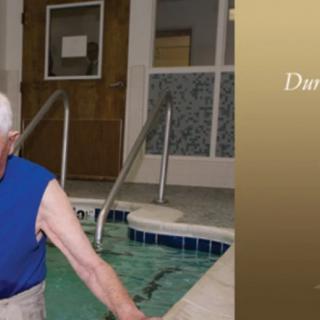
  • Swimming pool / hot tub Swimming pool / hot tubSwimming pools and hot tubs are important for seniors as they provide a safe and enjoyable way to stay active, improve mobility, reduce joint pain, and promote relaxation. Regular use of these amenities can contribute to overall well-being and quality of life for older adults living in senior communities.

Transportation

  • Modesto City-County-Harry Sham (5 miles away) Modesto City-County-Harry Sham (5 miles away)

Care Services

  • Ambulatory care Ambulatory care"Ambulatory care services provide essential medical support and treatment to seniors without requiring hospitalization, allowing them to maintain their independence and quality of life while managing chronic conditions or receiving routine medical care."
  • Diabetic care Diabetic careDiabetic care is crucial for seniors as they are more susceptible to developing diabetes due to aging and other health conditions. Proper management of diabetes can help prevent complications such as heart disease, vision loss, and nerve damage, improving the overall quality of life for seniors in senior living communities.
  • High acuity care High acuity careHigh acuity care is important for seniors because it provides specialized medical attention and support for individuals with complex medical needs. This level of care ensures that seniors receive the appropriate treatment and assistance to maintain their health and quality of life as they age.
  • Incontinence care Incontinence careIncontinence care is essential for seniors to maintain their dignity, hygiene, and overall quality of life. By addressing incontinence issues promptly and effectively, seniors can enjoy a sense of independence and comfort in their daily activities.
  • Medication management Medication managementMedication management is crucial for seniors to ensure they are taking the right medications at the correct dosages and times. This helps prevent adverse drug interactions, reduces the risk of medication errors, and promotes overall health and well-being. Proactive management also allows for adjustments as needed based on changing health conditions or new prescriptions.

Dining

  • Kosher KosherKosher options are important for seniors because they adhere to dietary laws that are significant to many Jewish individuals, providing them with peace of mind and an opportunity to maintain their cultural traditions and beliefs while living in a senior living community.
  • Meals provided Meals provided"Meals provided" are crucial for seniors in assisted living communities as it ensures they have access to nutritious, balanced meals without the stress of meal planning and preparation. This can help promote overall health and well-being for seniors who may have limited mobility or cognitive abilities.
  • Vegetarian VegetarianA vegetarian diet is important for seniors because it can help lower the risk of chronic diseases, maintain a healthy weight, and provide essential nutrients needed for aging bodies. Additionally, plant-based diets are often easier on digestive systems and can contribute to overall well-being in older adults.

Activities

  • Activities off-site Activities off-siteEngaging in off-site activities is crucial for seniors to maintain social connections, stay active, and stimulate their minds. It promotes overall well-being and helps combat feelings of isolation and loneliness.
  • Activities on-site Activities on-siteActivities on-site are important for seniors because they provide opportunities for socialization, mental stimulation, physical activity, and overall well-being. Engaging in activities can help seniors stay active, maintain their independence, and improve their quality of life.
  • Christian services Christian servicesChristian services are important for seniors because they provide a sense of community, spiritual support, and opportunities for connection with others who share their faith. These services can offer comfort, hope, and guidance as seniors navigate the challenges of aging and find meaning and purpose in their lives.
  • Devotional activities offsite Devotional activities offsiteDevotional activities offsite are important for seniors because they provide social engagement, spiritual growth, and a sense of community outside of their living environment. This can improve overall well-being, mental health, and combat feelings of isolation or loneliness.

Description

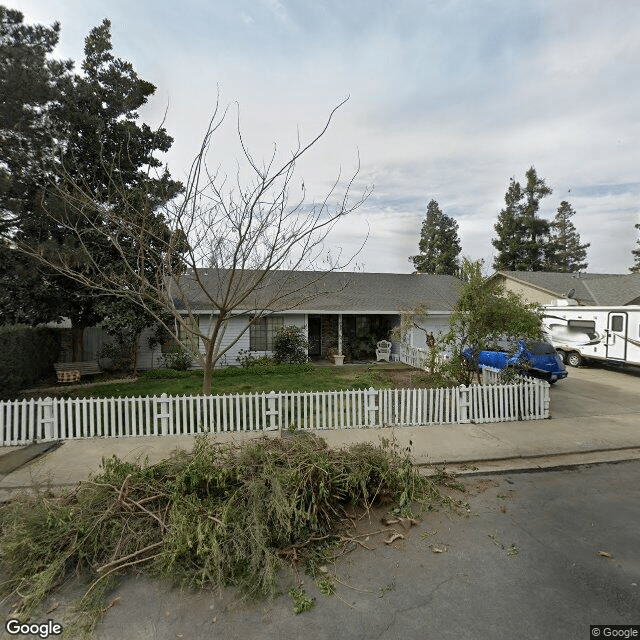
A Safe Harbor in Modesto, CA is a premier assisted living community that provides a warm and inviting environment for seniors looking for a comfortable and secure place to call home. With a range of amenities and care services, residents can enjoy an active and fulfilling lifestyle while receiving the support they need.

The community offers a variety of on-site activities to keep residents engaged and entertained. Whether it's participating in group exercise classes or joining in on arts and crafts sessions, there is always something fun happening at A Safe Harbor. Additionally, the common indoor and outdoor areas provide ample space for socializing with fellow residents or enjoying some fresh air.

For those seeking spiritual nourishment, devotional services are available off-site. This allows residents to maintain their faith traditions and connect with their chosen places of worship. There are also Christian services and devotional activities held on-site for those who prefer to stay within the community.

A Safe Harbor understands the importance of maintaining personal hygiene and offers private accommodations equipped with bath tubs. The facility also provides assistance with diabetic care, high acuity care, incontinence care, and medication management, ensuring that each resident receives personalized attention based on their specific needs.

Dining is another highlight at A Safe Harbor, with nutritious meals provided daily. Catering to different dietary preferences, including vegetarian options, the community ensures that all residents can enjoy delicious and healthy food as part of their overall wellness plan.

Located conveniently in Modesto, this assisted living community boasts proximity to various amenities. With 6 cafes, 6 parks, 14 pharmacies, 26 physicians, 38 restaurants nearby along with theaters and places of worship close by, residents have easy access to entertainment options and essential services.

In addition to these amenities, A Safe Harbor is also situated near 7 hospitals. This proximity ensures quick medical attention if needed and peace of mind for both residents and their families.

Overall, A Safe Harbor in Modesto, CA offers a safe and comfortable home for seniors, allowing them to live a fulfilling and enjoyable life while receiving the care they deserve.

Nearby Places of Interest

This part of Modesto, California, offers a convenient and diverse range of amenities for senior living. The area boasts various dining options, including popular chains like Wendy's, McDonald's, and Olive Garden, as well as cafes such as Dutch Bros Coffee and Starbucks. Access to pharmacies like CVS and Walmart Pharmacy is also readily available for medical needs. Places of worship like Trinity United Presbyterian Church cater to spiritual practices, while hospitals like Kaiser Permanente Modesto Medical Center provide top-notch healthcare services. Additionally, parks such as Eisenhut Park and Graceada Park offer outdoor recreational opportunities for leisurely strolls. Overall, this neighborhood provides a balanced mix of conveniences and services suitable for seniors looking to reside in a vibrant community.

Restaurants

  • Wendy's (0.9 miles)
  • McDonald's (1 miles)
  • Taco Bell (1.1 miles)
  • In-N-Out Burger (1.2 miles)
  • IHOP (1.2 miles)
  • Olive Garden (1.3 miles)
  • Panda Express (1.3 miles)

Cafes

  • Dutch Bros Coffee (0.9 miles)
  • Starbucks (1.7 miles)
  • Dutch Bros Coffee (3 miles)
  • Starbucks (3 miles)
  • Giacomos (3.3 miles)
  • Kung Fu Tea (3.8 miles)

Pharmacies

  • CVS Pharmacy (0.9 miles)
  • CVS Pharmacy (1.3 miles)
  • Walmart Pharmacy (1.4 miles)
  • CVS Pharmacy (2.1 miles)
  • Save Mart Supermarkets (2.5 miles)
  • Walgreens (2.7 miles)
  • Walgreens (2.9 miles)

Places of Worship

  • Trinity United Presbyterian Church (1.6 miles)
  • Church of Jesus Christ of Latter Day Saints (4.1 miles)

Hospitals

  • Telecare Corporation (1.7 miles)
  • Central Valley Specialty Hospital (3.1 miles)
  • Mckinney Anthony (3.5 miles)
  • Kaiser Radiology Department (3.6 miles)
  • Stanislaus County Health Services Agency (3.6 miles)
  • Kaiser Permanente Modesto Medical Center and Medical Offices (3.6 miles)
  • Kaiser Modesto Labor & Delivery (3.7 miles)

Physicians

  • First California Physician Partners (2.2 miles)
  • Greater Modesto Medical Surgical Associates (2.2 miles)
  • Vintage Faire Eyexam of CA (2.4 miles)
  • Rodig R Rick DDS - Rodig R Rick, DDS (2.4 miles)
  • Stanislaus County Health Services Agency, Paradise Medical Office (2.5 miles)
  • Sutter Gould Medical Foundation (2.5 miles)
  • Racela Raymundo MD Raymundo Racela, MD, FACS (2.8 miles)

Parks

  • Eisenhut Park (2.4 miles)
  • Graceada Park (2.7 miles)
  • James Marshall Park (2.7 miles)
  • Davis Community Park (2.9 miles)
  • McKinney Colony Park (3 miles)
  • Salida Park (4.1 miles)

Theaters

  • Regal Modesto (4 miles)

Frequently Asked Questions

How much does it cost to live at A Safe Harbor in Modesto, CA?
Where is A Safe Harbor?

Nearby Communities

  • Arun's Board And Care Home

    Arun's Board And Care Home

    Modesto, CA


    pro Intimate 2-bed home offering personalized 24/7 supervision, ADL support, meals, and healthcare coordination.
  • Lighthouse Manor

    Lighthouse Manor

    Modesto, CA

    3 from 1 review
    $3,000 to $5,000 / month

    pro Caring staff with generally satisfactory care.

  • Sierra Salem Christian Homes

    Sierra Salem Christian Homes

    Modesto, CA

    5 from 1 review
     

    pro Prime location with abundant nearby amenities (cafes, parks, restaurants, hospitals).

  • Kind Care Home

    Kind Care Home

    Modesto, CA

    5 from 2 reviews
    $3,300 to $4,500 / month

    pro High satisfaction with care quality and staff.

  • Windsor Post-Acute Healthcare Center Of Modesto

    Windsor Post-Acute Healthcare Center Of Modesto

    Modesto, CA


    pro Extensive amenities and 24/7 care services.

  • The Grove

    The Grove

    Modesto, CA

    4.1 from 36 reviews
    $4,500 to $6,000 / month

    pro Respectful, attentive staff and engaging activities in a clean, home-like environment.

  • Vintage Faire Residential

    Vintage Faire Residential

    Modesto, CA

    3 from 6 reviews
    $2,500 to $3,100 / month

    pro Kind, caring staff with engaging activities and good, scratch-made meals.

  • Lidia's Blessed Home

    Lidia's Blessed Home

    Modesto, CA

    3.9 from 18 reviews
    $3,000 to $5,000 / month

    pro Home-like environment with compassionate, personalized care in a clean, smaller community.

  • Ralston Tower

    Ralston Tower

    Modesto, CA

    4 from 69 reviews
    $566 / month

    pro Very affordable 1-bedroom option ($566/mo) with easy access to shops, parks, pharmacies, and dining.

Related Resources

  • adult day careEncouraging Participation in Adult Day Care: A Guide to Supporting a Hesitant Parent

    Adult day care programs offer essential support and activities for older adults, yet many hesitate to participate due to concerns about independence and stigma. To alleviate these apprehensions, families should facilitate open discussions, explore financial resources, suggest trial visits, and collaborate with healthcare providers to highlight the benefits of such services for both the participants and their caregivers.

  • living will definitionComprehensive Exploration of Living Wills and Other Advance Directives

    Living wills and advance directives are crucial legal documents that outline an individual's healthcare preferences when they cannot make decisions themselves, enhancing patient autonomy and alleviating family stress during medical crises. The article emphasizes the need for these documents to be personalized, legally valid, and regularly updated, while also encouraging communication about end-of-life wishes among family members and healthcare providers.

  • living will definitionA Detailed Exploration of Living Wills and Advance Directives

    The article examines living wills and advance directives, highlighting their significance in expressing healthcare preferences for those unable to communicate due to illness or incapacity. It discusses their historical development, legal components, limitations, practical drafting advice, and the importance of clear communication among families and healthcare professionals regarding end-of-life decisions.