
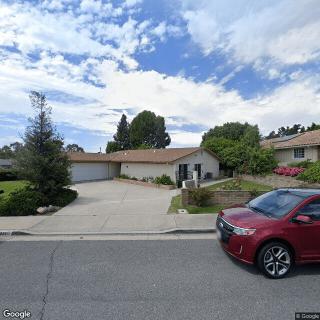
25252 Pacifica Avenue, Mission Viejo, CA 92691
For more information about senior living options: (866) 208-4318
Overall Review of Verona Court VII
Pros
 Verona Court feels like a home with six residents, offering a warm, personal atmosphere.
- The caregiver ratio of 3:1 provides significant personal attention.
- Arda and Tarek, the owners, along with head nurse Julie, offered attentive and thorough support.
- Remi and Jun delivered incredible around-the-clock care.
- Jason, the Hospice head nurse, was great to work with and provided regular updates.
- The staff coordinated the transition from rehab to Hospice, giving the family peace of mind.
- The family felt confident that dad was in the right place and that his final days were peaceful and serene.
Cons
 He left there wondering whether that was what he could expect from the Bed and Care’s.
- The rehab center was not the right place for him.
- Dad did not have it easy.
Review
Verona Court VII in Mission Viejo is best suited for families seeking an intimate, home-like setting where a loved one can receive substantial daily assistance and end-of-life support with highly individualized attention. The six-resident environment creates a small, practically private community, reinforced by a strong caregiver presence and direct oversight from hands-on owners. In this setting, transitions, from hospital or rehab to hospice care, are orchestrated with clarity and care, and families can expect steady, meaningful communication from the caregiving team as needs evolve. This is not a facility designed to mimic a large campus; it is a deliberate alternative for those who want personal, round-the-clock attention without walking into a clinical maze.
Those who should consider alternatives are families prioritizing a more diverse social calendar, a broader array of on-site therapies, or a larger medical footprint. Verona Court VII relies on a tight-knit team and a limited resident pool; while that yields exceptional intimacy, it may not meet expectations for residents who crave frequent, varied activities or who require a wider network of specialized clinicians on-site. A single, limited sample of experiences suggests that not every family will align with a small, highly personal model, and prospective residents should weigh the value of a larger community against the superior individual attention here.
The strongest pros hinge on a 3:1 caregiver-to-resident ratio, with two full-time caregivers actively supporting six residents. That configuration translates into relentless daily attentiveness, fewer missed cues, and a capacity to respond to nighttime needs promptly. The success story here rests on a seamless handoff from rehab to hospice, guided by the owners Arda and Tarek and supported by Julie, the head nurse, plus Jason from Hospice, who provides regular, clear updates. The care team’s availability, often accessible without advance notice, creates a sense of security for families during fragile moments and helps keep the resident comfortable, with less of the anxiety that often accompanies transitions of this kind.
However, the main trade-off of Verona Court VII’s model is the limited scale. A six-resident campus inherently constrains socialization opportunities and the breadth of on-site programming, and it concentrates risk on a small team. The depth of medical staffing cannot rival larger facilities, so families should verify that any needed therapies or rapid escalation of care are reliably covered, especially for residents with complex dementia or fluctuating health status. The presence of a strong hospice connection mitigates some risk, but the model remains best suited for those who prioritize intimate care over expansive clinical services.
From a practical standpoint, families evaluating Verona Court VII should enter conversations with a clear checklist: confirm the exact hours and scope of staff coverage, understand how emergencies are managed, and request concrete examples of daily routines and night-time care plans. Insist on meeting Arda and Tarek, the care team, and Jason the Hospice liaison to hear how updates are delivered and how concerns are escalated. It is prudent to ask for a trial stay if possible, or a detailed outline of what “24x7 care” looks like in real terms. Transparency about costs, potential add-ons, and respite options will prevent surprises and align expectations with reality.
In the end, Verona Court VII stands out as a compelling option for families who want a peaceful, personalized setting where a loved one can receive constant, compassionate care in a home-like atmosphere. It is less appropriate for those seeking a bustling community with broad medical services, extensive programming, or a large socially oriented resident population. The positive testimonies emphasize serenity in final days and a trusting partnership with caregivers, underscored by the owners’ active involvement. For families whose priority is dignified, attentive care delivered with immediacy and warmth, Verona Court VII is a practical, skilled choice. For others, it may be wise to widen the search to larger, more resource-rich communities that can offer broader clinical networks and more varied daily engagement.
 6 resident community capacity
 Assisted Living
 Board and Care Home
 Cable or satellite TV
 Dining room
 Fully furnished
 Garden
 Housekeeping services
 Move-in coordination
 Outdoor space
 Telephone
 Wi-Fi/high-speed internet available
 John Wayne Orange Co (11 miles away)
 24-hour supervision
 Activities of daily living assistance
 Assistance with bathing
 Assistance with dressing
 Assistance with transfers
 Diabetes diet
 Meal preparation and service
 Medication management
 Special dietary restrictions
 Transportation arrangement (medical)
 Transportation to doctors appointments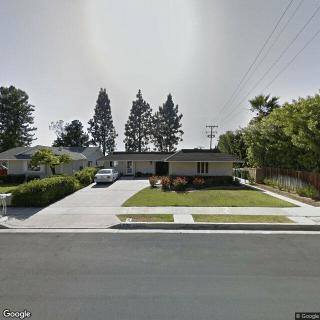


 Funding and Affording Assisted Living: A Thorough Overview
 Assisted Living Expenses and Long-Term Care Insurance: A Comprehensive Exploration
 Securing Financial Support for Assisted Living: A Comprehensive Overview