
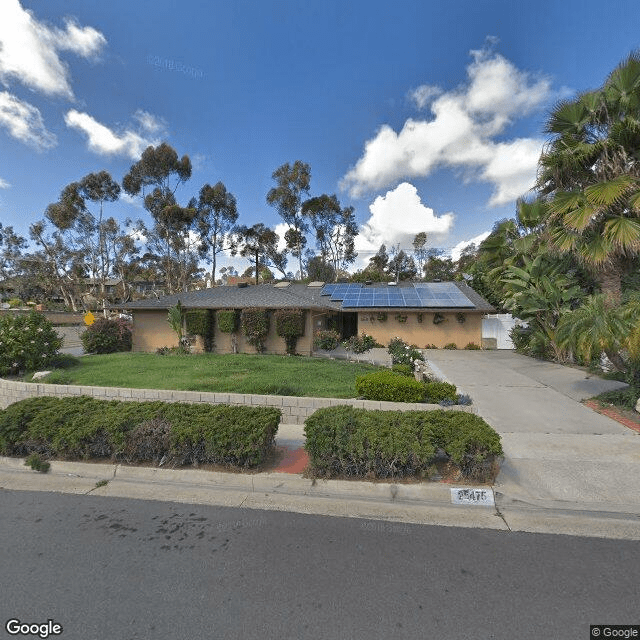
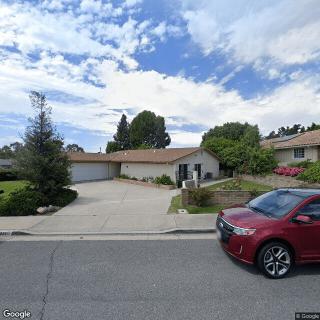
25475 Adriana Street, Mission Viejo, CA 92691
For more information about senior living options: (866) 208-4318
Seaside Terrace III Costs & Pricing
Seaside Terrace III offers competitive pricing for its accommodations compared to broader regional and state averages. For a semi-private room, the monthly cost is set at $3,500, which is slightly higher than the average in Orange County at $3,431 but still remains below the state average of $3,333. In contrast, the private room rate at Seaside Terrace III stands at $4,000, positioning it below Orange County's average of $4,104 while surpassing California's general average of $3,939. This nuanced pricing structure reflects Seaside Terrace III's commitment to providing quality care while remaining mindful of market trends within the area.
| Floor plans | Seaside Terrace III | Orange County | California |
|---|---|---|---|
| Semi-Private | $3,500 | $3,431 | $3,333 |
| Private | $4,000 | $4,104 | $3,939 |
Assisted Living communities with a similar price nearby
-
from +$495 / mo

Cadence Brea
$3,995 to $5,500 / month23.9 miles away -
About the same
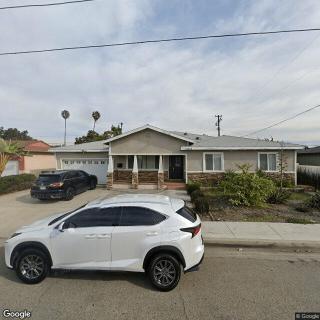
Loving Home Care
$3,500 to $4,500 / month20.9 miles away -
from -$500 / mo
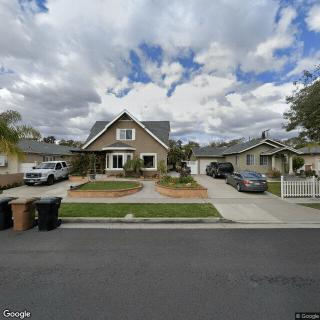
Tabi's Facility Home Care
$3,000 to $3,500 / month23.7 miles away -
About the same

Sam's Homecare
$3,500 to $5,500 / month20.9 miles away -
About the same
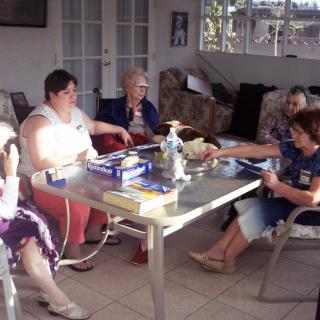
Golden Life Manor
$3,500 to $4,000 / month19.2 miles away
Overall Review of Seaside Terrace III
Pros
 The rooms were pretty big.
- One of the rooms had its own bath, while the others had shared baths.
- The owner was very nice during the tour.
- The facility looked clean.
- There is someone who comes in once a week to play music.
Cons
 The residents were described as being on hospice, which wouldn’t have been good for his active wife.
- It wasn’t the right fit for his wife.
- The facility did not offer 24-hour care.
- The staff worked from seven to seven, so assistance after seven wasn’t readily available.
- They charged hourly for after-hours assistance.
- A patient would be in a diaper from evening until morning, which was not right.
Review
Seaside Terrace III in Mission Viejo is best suited for seniors who want a quiet, low-activity housing option with minimal daily care and a clean, orderly environment. The community delivers ample private space for residents who are mostly self-sufficient but still need a safe place to reside. It appeals to families seeking straightforward lodging rather than a robust, activity-rich program, and to individuals who are comfortable with a cadence that centers on routine rather than perpetual engagement. In short, this is not a place for an highly social, actively engaged partner who expects frequent programming, ongoing supervision, or a highly dynamic social calendar.
Those who may want to consider alternatives include active retirees who rely on regular social interaction, seniors needing 24/7 on-site assistance, or families prioritizing intensive after-hours support and predictable caregiving costs. The setting currently leans toward residents who can manage with daytime staffing and a limited after-hours plan, which leaves a gap for anyone who requires consistent overnight help or more comprehensive personal care. Families seeking a facility that feels more like a full-service, active senior community should look elsewhere for programs, activities, and around-the-clock support.
The most tangible positives are balanced against the critical drawbacks. On the plus side, rooms are comparatively spacious, and there is a mix of private and shared bath configurations, which can be attractive for couples or residents who value larger living spaces. The facility presents a clean, orderly appearance, and the owner is personable during tours, which can translate into a sense of trust and straightforward communication. Some light social touchpoints exist, such as a weekly music visit, and the overall environment feels calm and uncluttered, elements that can reduce agitation and confusion for residents who prefer a subdued setting.
However, the core issue remains the lack of 24-hour care and limited daytime programming. Staffing runs from seven to seven, with after-hours needs requiring an hourly charge if assistance is requested after hours. That structure creates a practical, sometimes expensive gap for any resident who needs timely help at night or in the early morning, and it can feel inconsistent for families accustomed to predictable, round-the-clock support. The concern about a resident spending long stretches in diapers from late afternoon through morning underscores questions about monitoring, independence, and the level of medical or custodial attention available when most care is needed.
Operational clarity matters here. Families must scrutinize how care needs are assessed and what exactly triggers hourly charges after hours. The facility’s physician- or nurse-owned framework may denote medical oversight, but it does not inherently guarantee comprehensive night-time assistance or enhanced mobility support. The weekly music visit and the single-room TV setup signal limited programming. For a resident who thrives on companionship, scheduled activities, and readily accessible staff, the gaps become a meaningful deficit. In practical terms, the balance tilts toward a chosen quiet environment and privacy at the expense of social vitality and reliable around-the-clock care.
The bottom-line recommendation is pragmatic and pointed. If a resident can maintain a degree of independence during waking hours and a family is comfortable with a modest, predictable after-hours care plan, and if privacy and a clean, orderly setting are paramount, Seaside Terrace III may work as a short- to mid-term housing option. Yet for anyone whose loved one requires consistent supervision, substantial social engagement, or dependable overnight assistance, alternatives with 24/7 staffing, richer activity calendars, and more transparent care fees will deliver more peace of mind. In those cases, explore competing communities that foreground continuous support and robust programming, and verify exact after-hours charges and care policies before committing.
 6 resident community capacity
 Assisted Living
 Board and Care Home
 Cable or satellite TV
 Dining room
 Fully furnished
 Garden
 Housekeeping services
 Move-in coordination
 Outdoor space
 Private
 Telephone
 Wi-Fi/high-speed internet available
 John Wayne Orange Co (11 miles away)
 24-hour supervision
 Activities of daily living assistance
 Assistance with bathing
 Assistance with dressing
 Assistance with transfers
 Diabetes diet
 Diabetic care
 Meal preparation and service
 Medication management
 Special dietary restrictions
 Transportation arrangement (medical)
 Transportation to doctors appointments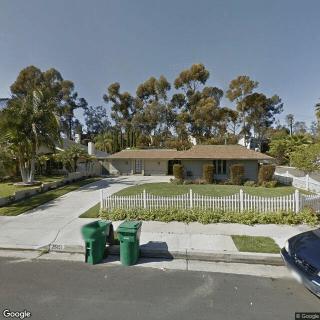

 Comprehensive Insights into Activities of Daily Living (ADLs) and Their Assessment
 Medicare Coverage for Assisted Living: An In-Depth Exploration
 Your Comprehensive Guide to Luxury Assisted Living: Elevated Facilities, Amenities, and Costs