
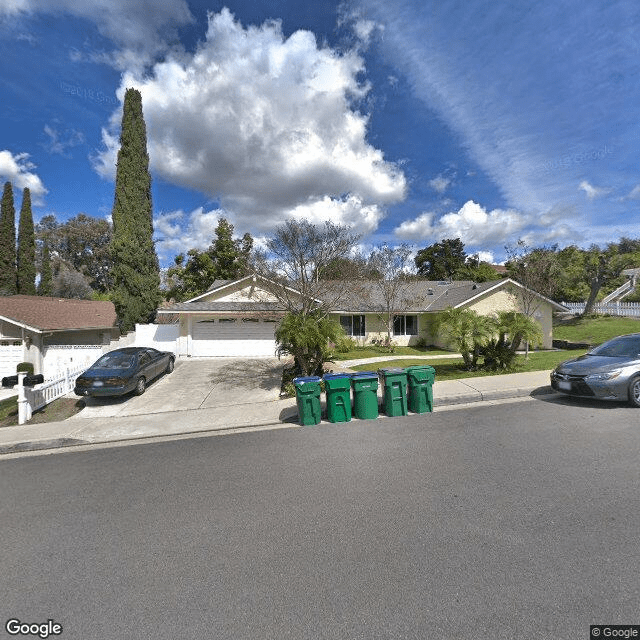
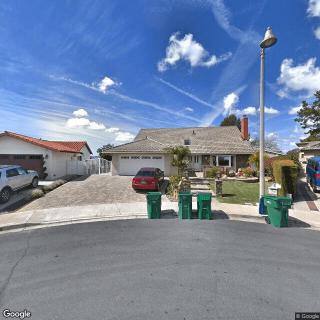
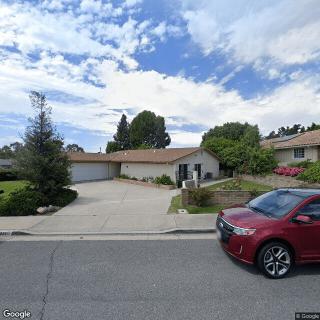
26761 Carranza Drive, Mission Viejo, CA 92691
For more information about senior living options: (866) 208-4318
Paradise Home & Garden Costs & Pricing
At Paradise Home & Garden, the monthly costs for accommodations stand at $5,000 for both private rooms and one-bedroom units. When compared to the broader market, these rates exceed those of Orange County, where similar private rooms are priced at approximately $4,104 and one-bedroom apartments at around $4,380. On a state level within California, the costs remain competitive but still higher than average; private rooms typically average $3,939 while one-bedroom options hover near $4,340. This positioning highlights Paradise Home & Garden as a premium choice for residents seeking quality living spaces that may offer unique benefits or amenities not reflected in lower-cost alternatives.
| Floor plans | Paradise Home & Garden | Orange County | California |
|---|---|---|---|
| Private | $5,000 | $4,104 | $3,939 |
| 1 Bedroom | $5,000 | $4,380 | $4,340 |
Memory care communities with a similar price nearby
-
from -$500 / mo
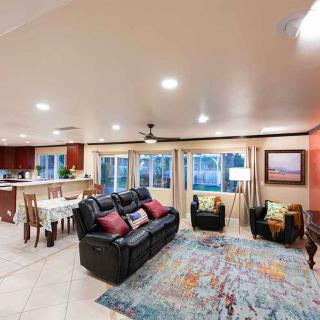
Casa Bella
$4,500 / month18.5 miles away -
from -$500 / mo
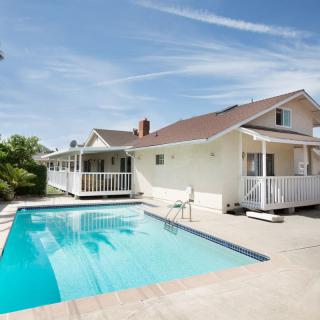
Blessings Senior Care
$4,500 to $5,500 / month23.8 miles away -
from -$500 / mo
Adriana Elderly Care Home I
$4,500 / month1.5 miles away -
from +$485 / mo
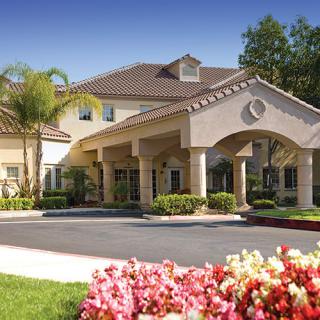
Park Terrace
$5,485 to $6,850 / month4.8 miles away -
from -$160 / mo
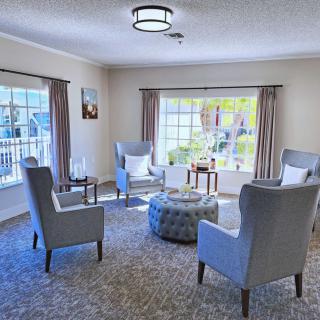
Crescent Landing at Santa Ana Memory Care
$4,840 to $6,825 / month15.2 miles away
Overall Review of Paradise Home & Garden
Pros
 They preferred the house on Valarta.
- The staff looked great.
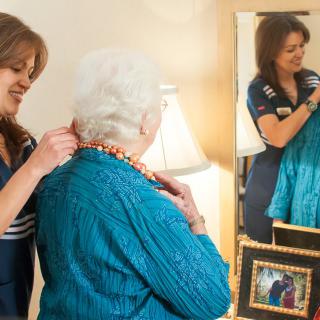
- They appreciated that there were three caregivers in the house.
- The owner is very knowledgeable.
Cons
 They found both houses ugly.
- An alarm went off and everyone ran.
Review
Paradise Home & Garden in Mission Viejo is best suited for families that want visible, hands-on supervision in a small-house setting where safety and rapid response are paramount. This community works well for residents who rely on consistent staff presence, three caregivers in each house signals a deliberate commitment to supervision and redundancy. It also suits families seeking direct access to an owner/operator who is described as knowledgeable and engaged in the care dynamic. For residents who prefer a highly personalized, reaction-ready environment, the arrangement offers reassurance: alarms are actively monitored, and staff respond promptly to triggers. This is a setting where safety and attentive care take precedence over polish in appearance or grand amenities.
Those who may want to consider alternatives include families prioritizing upscale aesthetics or expansive programming. If an elegant, resort-like interior, broad social offerings, big-campus amenities, or a more uniform, non-hospice-influenced resident mix are important, other communities are likely to deliver a more aligned experience. Similarly, for families seeking minimal hospice presence or a setting geared toward independent living with lighter assistance, Paradise Home & Garden’s structure and resident profile may feel restrictive. The evaluation should center on whether visual appeal and a wide-array of activities outweigh the advantage of tight supervision and rapid response.
The main pros, cleanliness, apparent staff professionalism, and strong on-site coverage, meaningfully offset several drawbacks. Clean, organized spaces reduce daily friction and strengthen trust in the care environment. The presence of multiple caregivers in each house translates into meaningful, proactive monitoring rather than reactive checks, and the swift alarm response demonstrates an emphasis on resident safety. An owner who is described as knowledgeable adds a practical level of accountability and accessibility for families navigating care decisions. These benefits collectively support continuity of care, timely assistance, and predictable routines that many families value when a loved one requires steady support.
On the other hand, the aesthetic element cannot be ignored. The two houses are described as unattractive relative to expectations, which can affect a resident’s comfort and the family’s overall satisfaction, especially for families who prioritize a warm, home-like atmosphere. The note that both houses host residents on hospice introduces additional planning considerations: ongoing coordination with palliative care teams, careful symptom management, and clear conversations about goals of care. While hospice presence can be a strength for end-of-life comfort, it also signals a need for heightened emotional preparation and transparent expectations about the resident population and care priorities. The small scale, two houses, offers a compact community feel but may limit diversions, activities, and opportunities for social engagement.
A practical decision-maker checklist helps translate these observations into actionable steps. Confirm the exact staff-to-resident ratios for day and night shifts, and ask who is on site 24/7 and how supervision is structured across rooms and common areas. Inquire about the coordination of hospice or palliative services, including care plans, medication management, and family communication protocols. Request a tour focused on noise levels, accessibility features, and the visibility of caregivers during typical routines and emergencies. Clarify move-in costs, ongoing fees, and what is included in the rate, as well as options for private rooms, couples’ accommodations, transportation to appointments, meals, and any engaging programming that might enhance daily life beyond safety considerations.
Ultimately, Paradise Home & Garden presents a practical, defensible choice for families prioritizing safety, hands-on caregiving, and an owner-driven approach to care. The environment is solid where supervision and reliability matter most, and the quick-response facilities reduce common anxieties around aging in place. Yet the experience may feel less compelling for those who equate value with upscale ambiance and a broad spectrum of activities. If the aim is a warm, polished setting with extensive amenities, broader social programming, or a hospice-free vibe, it is wise to compare other options more closely. Visiting both houses, observing caregiver interactions, and speaking candidly with the owner and current residents will reveal whether the tradeoffs align with the specific needs and expectations of the individual and family.
 6 resident community capacity
 1-bedroom apartments
 Assisted Living
 Board and Care Home
 Memory Care
 Activities off-site
 Cable or satellite TV
 Dining room
 Fully furnished
 Garden
 Housekeeping services
 Move-in coordination
 Outdoor space
 Private
 Telephone
 Wi-Fi/high-speed internet available
 John Wayne Orange Co (13 miles away)
 24-hour supervision
 Assistance with bathing
 Assistance with dressing
 Assistance with transfers
 Diabetes diet
 Diabetic care
 High acuity care
 Meal preparation and service
 Medication management
 Special dietary restrictions
 Transportation arrangement (medical)
 Transportation to doctors appointments
 A Thorough Discussion of Medications Potentially Linked to Dementia Risk
 Why Do Dementia Patients Sleep So Much? Understanding Oversleeping, Stages, and Care Approaches
 8 Key Indicators That Suggest It May Be Time to Transition from Assisted Living to Skilled Nursing Care