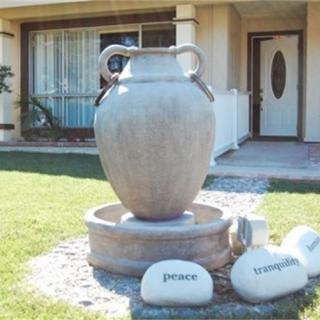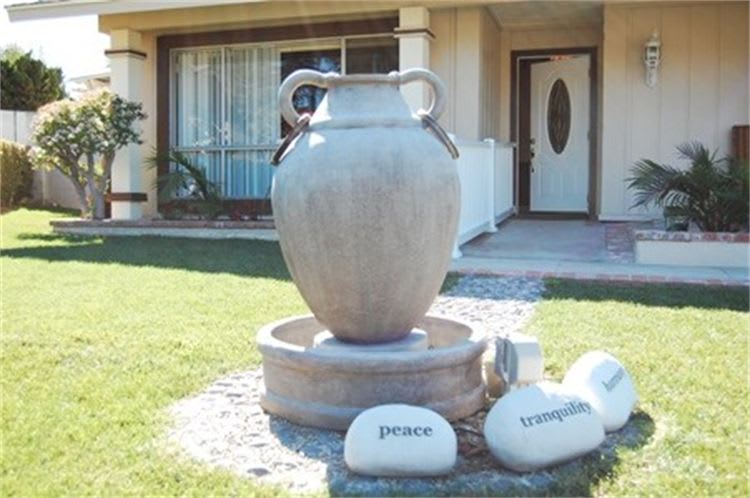
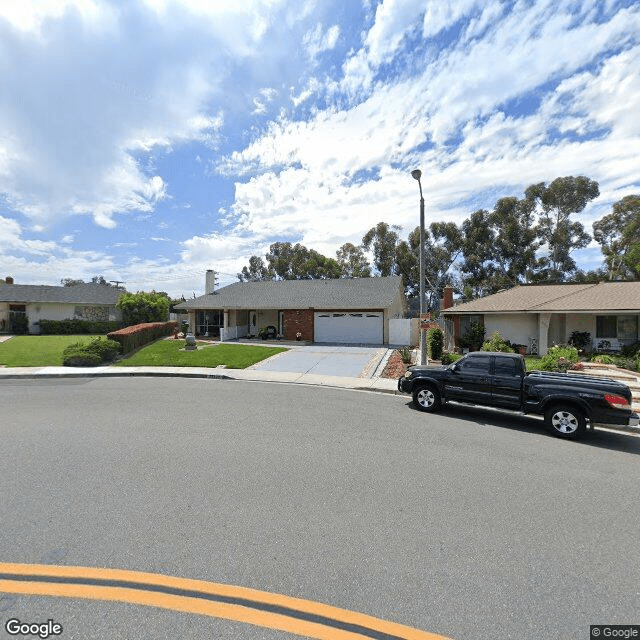
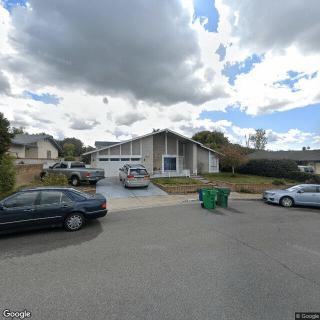
25822 Pericles, Mission Viejo, CA 92691
For more information about senior living options: (866) 208-4318
A Pericles Elderly Care Home Costs & Pricing
A Pericles Elderly Care Home offers competitive pricing for its services, especially when compared to the broader market in Orange County and California. For a semi-private room, the cost at A Pericles is $3,000 per month, which is notably lower than the county average of $3,431 and significantly less than the state average of $3,333. Similarly, for private accommodations, residents at A Pericles pay $3,600 monthly - again more affordable than both the county average of $4,104 and the state figure of $3,939. This pricing structure not only reflects a commitment to providing quality care at a reasonable cost but also positions A Pericles as an appealing option for families seeking supportive living arrangements for their elderly loved ones in a competitive market.
| Floor plans | A Pericles Elderly Care Home | Orange County | California |
|---|---|---|---|
| Semi-Private | $3,000 | $3,431 | $3,333 |
| Private | $3,600 | $4,104 | $3,939 |
Memory care communities with a similar price nearby
-
from -$200 / mo
Candlewood Care Home III
$2,800 to $3,400 / month12.1 miles away -
from +$500 / mo
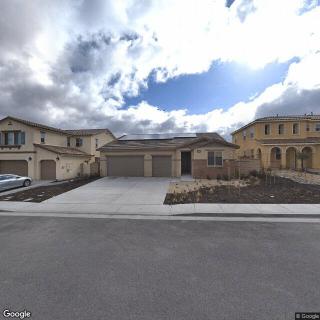
Kun Bai Care
$3,500 to $4,500 / month23.5 miles away -
from -$200 / mo
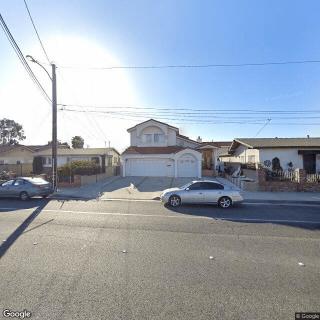
Leah Loving Elderly Care
$2,800 to $3,000 / month17.1 miles away -
from -$300 / mo
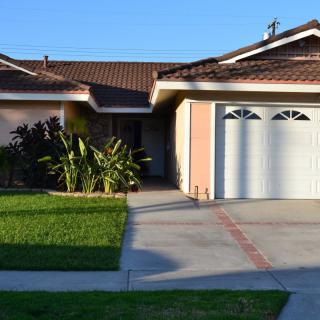
Loving Care Senior Home
$2,700 to $3,500 / month17.6 miles away -
from -$150 / mo
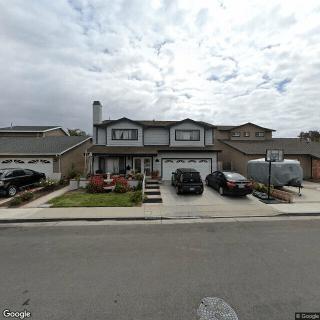
Alternative Senior Care - Freshwater
$2,850 to $3,250 / month20.4 miles away
Overall Review of A Pericles Elderly Care Home
Pros
 They are very knowledgeable and helpful.
- The reviewers are very happy with them.
- They appreciated the all-male house.
- The owner is nice and the facility is well run.
- The place features a nice backyard, good food selection, and nice rooms.
Cons
 They could improve by offering a few more activities for the residents.
- The caregiver does not speak English.
Review
A Pericles Elderly Care Home in Mission Viejo is best suited for families seeking a small, home‑like care setting where a knowledgeable, hands‑on owner operates the house and residents benefit from a straightforward, well‑run environment. The reviews consistently highlight a strong sense of professionalism, clear attention from the owner, and a pleasant living space, good food, comfortable rooms, and a tidy backyard that contributes to a calm, domestic feel. A notable feature is an all‑men’s house option, which can appeal to families prioritizing a more homogeneous male environment or specific care dynamics. For an elder who thrives on predictable routines, personal attention, and a simple, quality living area, this community checks those boxes.
Yet, potential residents should consider some clear caveats. The most frequent drawback appearing in the feedback is a relatively light slate of activities for residents; families relying on a robust social calendar or diversified stimulation may find this aspect lacking unless outside companions or family involvement compensate. Another substantive consideration is language: caregivers sometimes do not speak English, which can hamper day‑to‑day communication and the clarity of care instructions. Additionally, the resident population skews male, which may influence social dynamics and availability of peer interactions for individuals who prefer a more mixed or female‑present setting. These factors do not invalidate the home, but they do shift suitability for different eldercare needs.
The strengths of the staff and the operational model help offset these drawbacks in meaningful ways. The reviews repeatedly commend the staff’s knowledge and helpfulness, which translates into reliable day‑to‑day care, quicker issue resolution, and a sense that the home operates with purpose and accountability. The owner’s involvement and the overall management quality contribute to a stable atmosphere, where residents likely feel seen and cared for. The physical environment, pleasant rooms, a well‑kept backyard, and good food options, adds to comfort and can reduce the need for residents to seek external activities for morale. In practical terms, these positives often translate into predictable routines, decent overall satisfaction, and a solid baseline of everyday safety and comfort.
However, the absence of a rich activities calendar cannot be ignored, especially for residents who require structured social engagement to stay engaged or to mitigate boredom and withdrawal. Families should assess whether the current activity level can be augmented through outside programs, family visits, or informal resident groups. The language barrier with some caregivers is another reality to plan around: ensure clear communication channels, confirm the availability of bilingual staff or alternative arrangements for important medical or daily care instructions, and probe how care plans are documented and shared with families. The male‑dominated resident mix may also shape daytime companionship options, so confirming compatibility with a loved one’s social preferences is prudent.
From a practical decision standpoint, visits should focus on three priorities. First, request a concrete activity schedule and ask for examples of past weeks’ programming, then gauge whether a resident who craves stimulation can be accommodated through outside outings or family‑led activities. Second, discuss staffing language capabilities and establish a communication plan that works for both family and caregiver, including how updates are delivered and how care questions are addressed promptly. Third, verify the resident mix and space dynamics, especially if a mixed‑gender environment or heightened social interaction is important, then tour the all‑men’s option if that aligns with the elder’s preferences. Price transparency matters as well: the stated rate of $3,500 plus $300 for level of care should be weighed against local alternatives with similar care levels and living spaces.
In the end, A Pericles Elderly Care Home offers a compelling package for families prioritizing a well‑run, owner‑led house with dependable staffing, pleasant living spaces, and solid daily life basics. It is a strong choice for elders who value consistency, personal attention, and a domestic feel, and for families who can work within the bounds of modest activity programming and potential language barriers. Those who demand robust, varied activity calendars, readily available bilingual staffing, or a clearly mixed‑gender resident community may prefer alternative facilities that foreground those elements. The best next steps are a close, in‑person evaluation: tour the home, meet the owner and available caregivers, review sample activity calendars, and discuss how care plans and daily communication would be managed over time.
 6 resident community capacity
 Assisted Living
 Board and Care Home
 Memory Care
 Respite Care
 Activities off-site
 Beautician on-site
 Cable or satellite TV
 Devotional services off-site
 Dining room
 Fully furnished
 Garden
 Housekeeping services
 Indoor common areas
 Move-in coordination
 Outdoor common areas
 Private
 Telephone
 Wheelchair accessible showers
 Wi-Fi/high-speed internet available
 John Wayne Orange Co (12 miles away)
 24-hour supervision
 Assistance with bathing
 Assistance with dressing
 Assistance with transfers
 Diabetes diet
 Diabetic care
 High acuity care
 Incontinence care
 Meal preparation and service
 Medication management
 Special dietary restrictions
 Transportation arrangement (medical)
 Transportation to doctors appointments
 Buddhist services
 Christian services
 Islamic services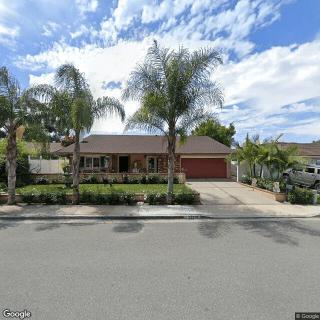


 Guiding Your Journey: Understanding Power of Attorney for Elderly Parents
 22 Remarkable Caregiver Support Groups Available Online and In-Person
 Understanding Medicaid Coverage for Assisted Living: A Comprehensive Guide