
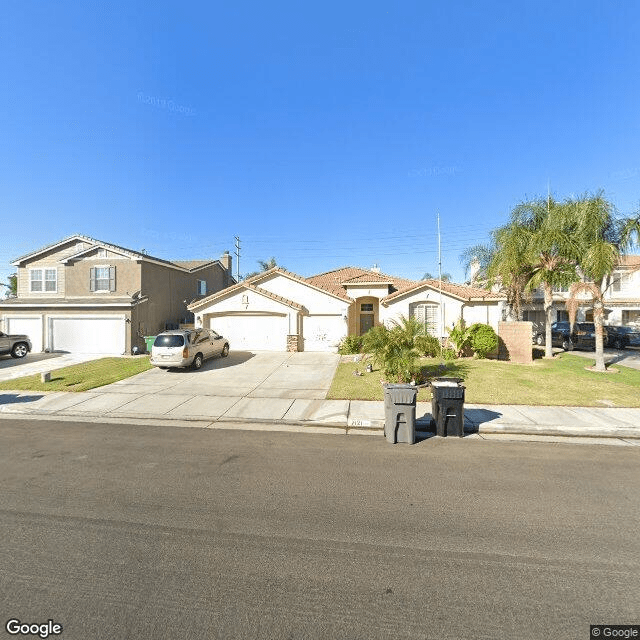
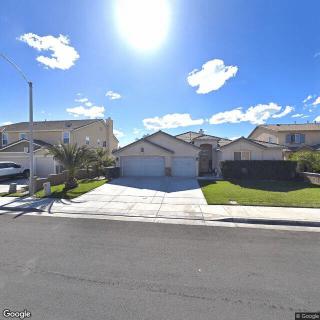
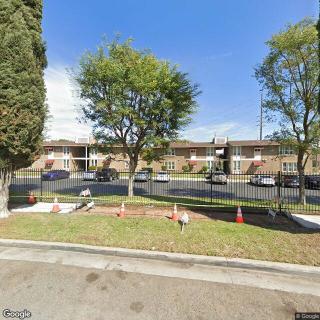
7121 Mackinaw Ct, Mira Loma, CA 91752
For more information about senior living options: (866) 208-4318
Hamner Manor Costs & Pricing
Hamner Manor offers competitive pricing for its residential care options, with semi-private rooms available at $3,500 per month and private rooms priced at $4,500. When compared to the broader context of San Bernardino County and California as a whole, Hamner Manor's rates reflect a slightly higher investment in care quality and services. In San Bernardino County, the average cost for semi-private rooms is approximately $2,958, while private accommodations average around $3,561. On a state level, California residents can expect to pay about $3,333 for semi-private and $3,939 for private rooms. While Hamner Manor's costs are above these regional averages, they may be indicative of enhanced amenities or specialized care that could provide significant value to residents and their families seeking high-quality support.
| Floor plans | Hamner Manor | San Bernardino County | California |
|---|---|---|---|
| Semi-Private | $3,500 | $2,958 | $3,333 |
| Private | $4,500 | $3,561 | $3,939 |
Assisted Living communities with a similar price nearby
-
from +$495 / mo
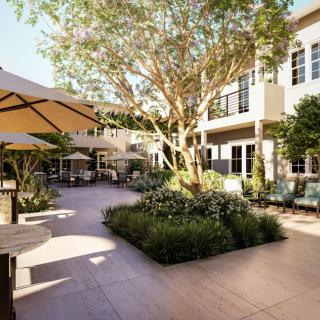
Cadence Brea
$3,995 to $5,500 / month19.3 miles away -
from -$500 / mo
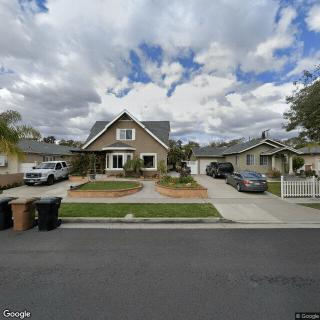
Tabi's Facility Home Care
$3,000 to $3,500 / month24.6 miles away -
About the same

Sam's Homecare
$3,500 to $5,500 / month14.7 miles away -
About the same

Genesis Manor VI
$3,600 to $4,200 / month12.0 miles away -
About the same
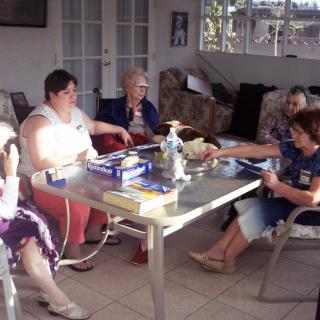
Golden Life Manor
$3,500 to $4,000 / month20.6 miles away
Overall Review of Hamner Manor
Pros
 They’re great.
- They seem very caring.
Cons
 They’re not able to use the activities.
- They don’t have any experience with the food because their loved one has a special diet and food is brought in.
Review
Hamner Manor in Mira Loma is best suited for families seeking a small, quietly attentive senior living option where caregiving comes first and staff are described as genuinely caring. The community appears to deliver a calm, predictable routine with dependable day-to-day support, making it appealing for residents who thrive on steady oversight rather than a bustling social calendar. It suits seniors who do not require intensive medical interventions or highly specialized programming but still need consistent assistance with daily activities and a safe, reassuring living environment. In practical terms, Hamner Manor prioritizes personal attention, safety, and a sense of steady reliability that many families prioritize during transitions to assisted living.
Those who may want to consider alternatives include families chasing a richer calendar of social activities and robust on-site dining options. If a resident’s goals include frequent group programming, structured exercise, diverse outings, or access to specialized clinical services, Hamner Manor may fall short relative to larger campuses. Additionally, for families that place a premium on varied, on-site culinary offerings and flexible dining to accommodate complex diets, this would be a critical factor to scrutinize. Prospective residents should compare activity breadth, dining options, and therapeutic services across communities to avoid missing opportunities that matter to daily life and overall satisfaction.
The most persuasive strength is the staff’s evident care and reliability. The impression is that caregivers are consistently attentive, with no problems reported in day-to-day operations. That level of dependable oversight translates into meaningful peace of mind for families and a safer, more predictable daily experience for seniors, especially those who may require assistance with mobility or routine tasks. Even with a limited or inaccessible activity slate, the sense of being well-supported can offset a great deal of practical concern, making Hamner Manor a trustworthy home for residents who prioritize stability and gentle, personalized engagement over calendar-packed days.
The identified con is concrete and real: limited access to activities. Social engagement is a key driver of quality of life in assisted living, and when programs aren’t readily accessible, residents can feel disconnected. The review also notes uncertainty around in-house dining because the resident’s diet necessitated external meals, which hints at either a lean culinary program or a need for closer coordination with families on meals. These are legitimate considerations, especially for residents who value regular, varied dining experiences and opportunities to participate in group meals or culinary activities. Families should verify whether activity options can be expanded and how the kitchen handles personalized diets over the long term.
Despite the drawbacks, the pros can meaningfully offset the cons for the right resident. Where safety, consistent caregiving, and a calm environment top the priority list, Hamner Manor delivers a strong return on those values. The possibility to coordinate external meals without sacrificing safety is a workable arrangement if staff and family align closely on dietary planning. To truly assess fit, families should press for clarity on who leads activities, how participation is scheduled, and what flexibility exists for one-on-one engagement, transportation to events, and tailored enrichment. When those elements align with a resident’s preferences, Hamner Manor rises from the category of mere comfort to a practical, well-considered choice.
In sum, Hamner Manor presents a compelling option for families seeking a calm, caring setting with dependable support for seniors who do not demand a high-frequency social schedule or extensive in-house dining. It is less suited for those who require vigorous programming, lively communal dining, or broad access to specialized services. For families evaluating options, a visit focused on testing activity access, meal accommodations, and the adaptability of care plans will reveal whether this community matches the resident’s wants and needs. When alignment exists, Hamner Manor stands out as a prudent, practical choice in the Mira Loma area.
 6 resident community capacity
 Assisted Living
 Board and Care Home
 Cats allowed
 Dogs allowed
 Activities off-site
 Bath tubs
 Beautician on-site
 Cable or satellite TV
 Devotional services off-site
 Dining room
 Fully furnished
 Garden
 Housekeeping services
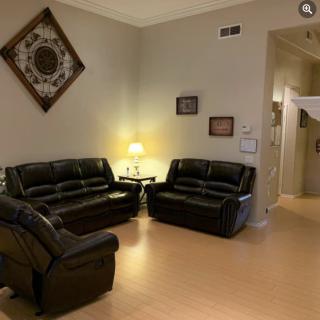
 Indoor common areas
 Move-in coordination
 Outdoor common areas
 Private
 Private bathrooms
 Respite or short term stays offered
 Swimming pool / hot tub
 Telephone
 Wheelchair accessible showers
 Wi-Fi/high-speed internet available
 Ontario International (7 miles away)
 24-hour supervision
 Ambulatory care
 Assistance with bathing
 Assistance with dressing
 Assistance with transfers
 Diabetes diet
 Diabetic care
 High acuity care
 Incontinence care
 Meal preparation and service
 Medication management
 Special dietary restrictions
 Transportation arrangement (medical)
 Transportation to doctors appointments
 Vibrant Senior Living: A Comprehensive Guide for Active Older Adults
 When to Transition from Assisted Living to Memory Care: Key Indicators, Steps, and Finding the Right Community
 Assisted Living and Memory Care: Understanding Their Core Differences