
11842 Silver Loop, Mira Loma, CA 91752
For more information about senior living options: (866) 208-4318
Eastvale Manor Assisted Living Costs & Pricing
Eastvale Manor Assisted Living presents a range of pricing options that reflect its commitment to quality care in a vibrant community. For semi-private accommodations, the monthly cost is $4,119, which significantly exceeds the San Bernardino County average of $2,958 and the California state average of $3,333. Private rooms at Eastvale are priced at $4,942, also higher than both local and state averages - $3,561 and $3,939 respectively. The studio units offer even more exclusivity at a monthly rate of $5,354, compared to the county's average of $3,455 and California's average of $4,145. While these costs may appear elevated in comparison to regional and statewide figures, they underscore the premium services and personalized attention that residents can expect at Eastvale Manor.
| Floor plans | Eastvale Manor Assisted Living | San Bernardino County | California |
|---|---|---|---|
| Semi-Private | $4,119 | $2,958 | $3,333 |
| Private | $4,942 | $3,561 | $3,939 |
| Studio | $5,354 | $3,455 | $4,145 |
Assisted Living communities with a similar price nearby
-
from -$124 / mo

Cadence Brea
$3,995 to $5,500 / month20.3 miles away -
from -$619 / mo

Sam's Homecare
$3,500 to $5,500 / month15.8 miles away -
from -$519 / mo

Genesis Manor VI
$3,600 to $4,200 / month11.2 miles away -
from -$619 / mo
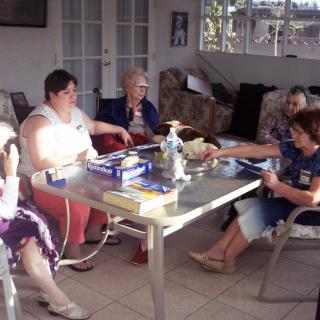
Golden Life Manor
$3,500 to $4,000 / month21.8 miles away -
from +$381 / mo
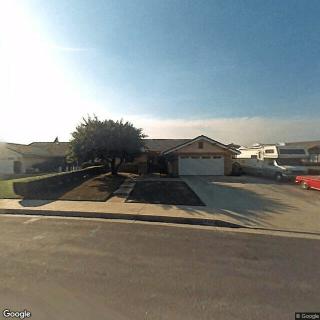
Heritage Senior Home Care
$4,500 to $4,800 / month17.2 miles away
Overall Review of Eastvale Manor Assisted Living
Pros
 The reviewer had an excellent experience with Vista Terrace of Belmont Senior Living.
- The reviewer’s parents have been living there for over a year and are very happy with the staff and services.
- The reviewer was impressed by the cleanliness, attention to detail, and warm atmosphere during the tour.
- The executive director is incredibly supportive, with regular meetings to discuss concerns or updates.
- The staff truly care about providing excellent care and foster a strong community among employees, residents, and their families.
- The reviewer is grateful to have found such a wonderful place for their loved ones to live.
Review
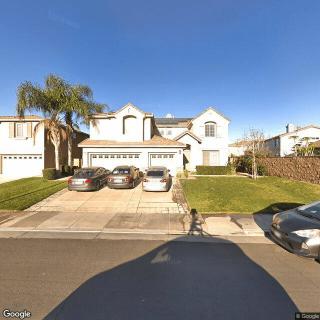
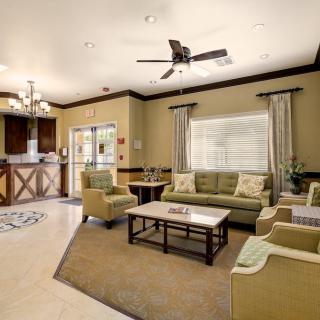
Eastvale Manor Assisted Living in Mira Loma is best suited for families that prize a well-run, resident-centered environment where leadership is approachable and family communication is a routine, expected part of care. This community shines for families who want a clean, detail-oriented setting with a warm, homelike atmosphere and a visible commitment to creating a real sense of belonging among residents, staff, and relatives. Residents who respond well to steady routines, attentive staff, and a culture that treats caregiving as a collaborative effort will likely feel confident leaving a loved one in Eastvale Manor’s care.
Those weighing alternatives should consider what happens when higher-acuity medical support, specialized memory care, or expansive on-site clinical services are non-negotiable. If a family needs robust 24/7 medical coverage, highly specialized dementia programs, or a more urban lifestyle with broader on-site amenities, other communities may better fit. Eastvale Manor’s strengths align with steady, personal caregiving rather than hospital-like medical intensity, so families with elevated expectations for on-site medical teams or aggressive rehabilitation services may want to compare options carefully.
The strongest positives, exceptional staff engagement, meticulous cleanliness, and a consistently warm atmosphere, are not merely nice-to-haves; they are practical advantages that offset common downsides in senior living. A facility that prioritizes attention to detail and a welcoming tone reduces the friction many families feel when transitioning a loved one. The consistent care ethic, paired with a culture where staff genuinely care about residents, translates into steadier daily routines, fewer lapses in attention, and a more predictable quality of life for elders. In turn, leadership accessibility and transparent operations become an essential hedge against miscommunication and worry.
Central to Eastvale Manor’s value is leadership that is hands-on and communicative. An executive director who makes time for regular family updates and problem-solving sessions creates a trust-based dynamic, where concerns are addressed promptly and plans are revised with input from those most affected, the families. This level of engagement minimizes the anxiety that often accompanies senior transitions and helps families feel involved without being overwhelmed. It also signals a governance style that prioritizes resident welfare over formality, which matters greatly when daily choices about meals, activities, and routines must align with a loved one’s preferences.
The daily lived experience likely reflects a strong, cohesive community, one where employees, residents, and families work from a shared understanding of what excellent care looks like. A warm atmosphere, visible pride in upkeep, and a culture that treats social connection as essential can make Eastvale Manor feel less like a facility and more like a supportive neighborhood. Programs and activities that reinforce that sense of belonging, coupled with staff who know residents’ preferences and histories, become practical levers for happiness and safety. When the atmosphere is this intentional, the risk of isolation diminishes and meaningful engagement becomes the norm rather than the exception.
Decision-wise, Eastvale Manor is a compelling choice for families seeking a well-managed, personable community with transparent leadership and a strong sense of belonging. It is less ideal for those requiring intensive, on-site medical specialization or expansive, hospital-level services, or for those with budget constraints that demand the lowest-cost option. Pros like cleanliness, staff dedication, and regular family communications offer tangible benefits that can offset typical trade-offs in senior living. Prospective families should visit to confirm alignment on daily routines, activity calendars, and the level of medical support available, then weigh Eastvale Manor against alternatives that emphasize higher-acuity care or different living environments. In the end, alignment between family expectations and the community’s proven strengths should guide the decision.
 6 resident community capacity
 Assisted Living
 Cable or satellite TV
 Dining room
 Fully furnished
 Garden
 Housekeeping services
 Move-in coordination
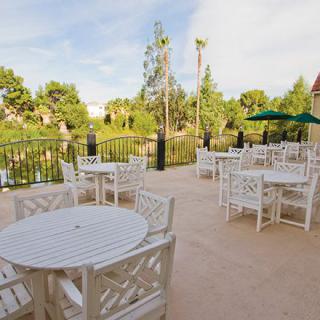
 Outdoor space
 Telephone
 Wi-Fi/high-speed internet available
 Ontario International (7 miles away)
 24-hour supervision
 Activities of daily living assistance
 Assistance with bathing
 Assistance with dressing
 Assistance with transfers
 Diabetes diet
 Meal preparation and service
 Medication management
 Special dietary restrictions
 Transportation arrangement (medical)
 Transportation to doctors appointments
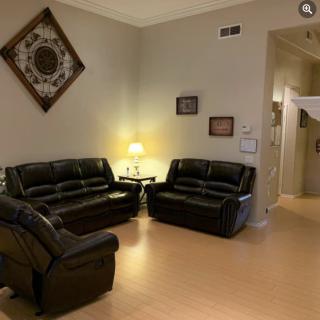
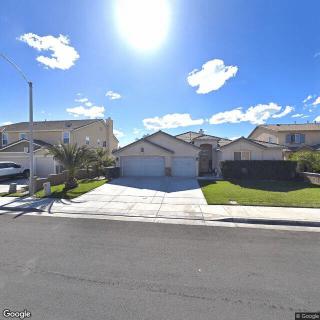
 Exploring the Contrasts Between Assisted Living and Skilled Nursing
 8 Key Indicators That Suggest It May Be Time to Transition from Assisted Living to Skilled Nursing Care
 Vibrant Senior Living: A Comprehensive Guide for Active Older Adults