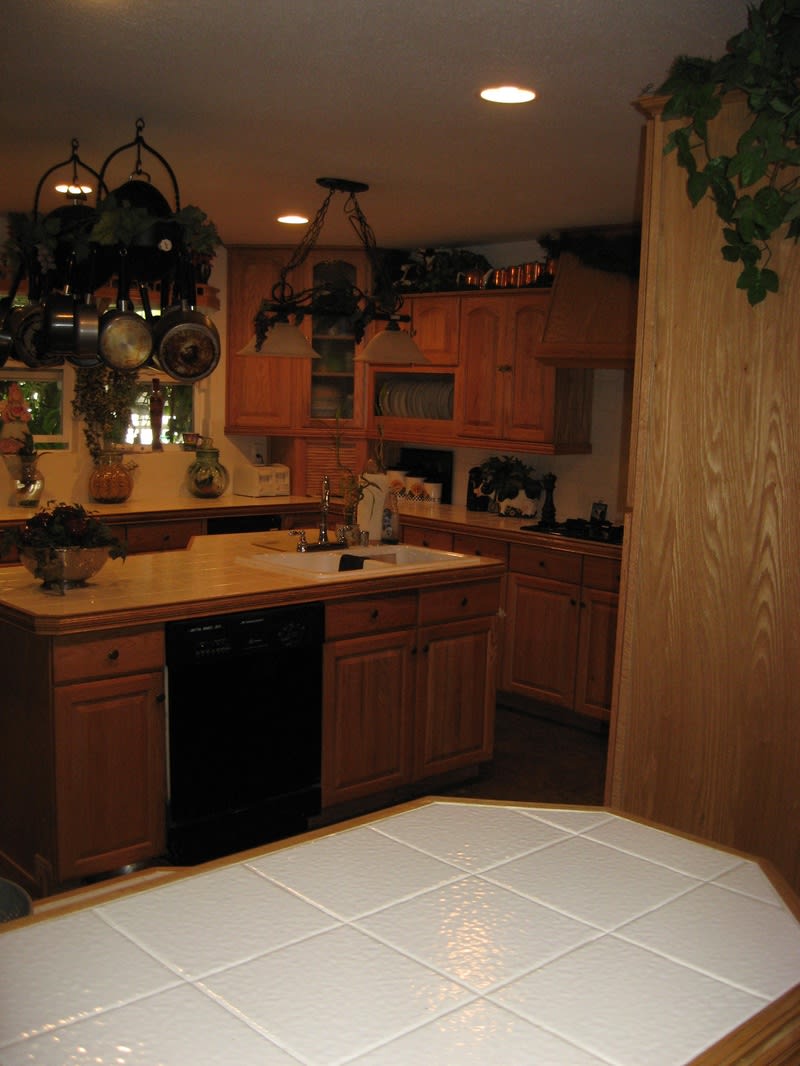
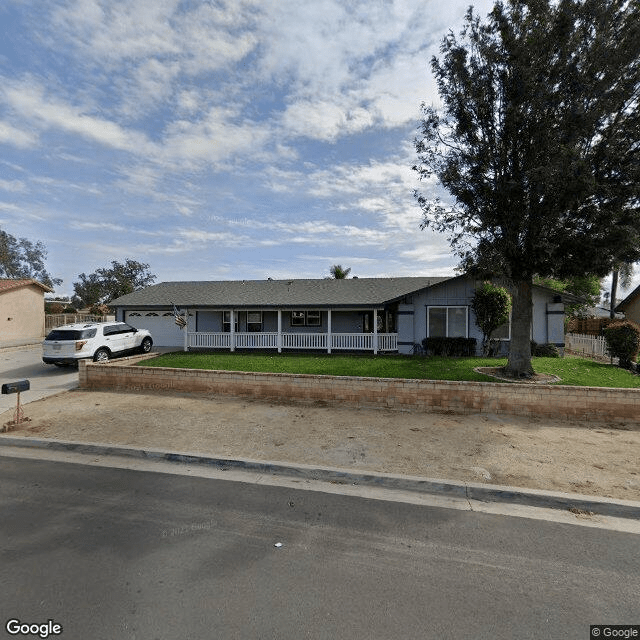
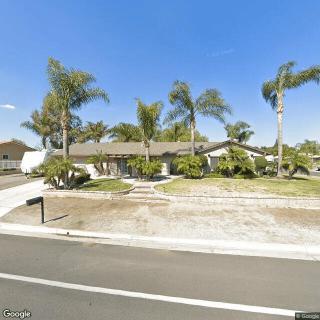
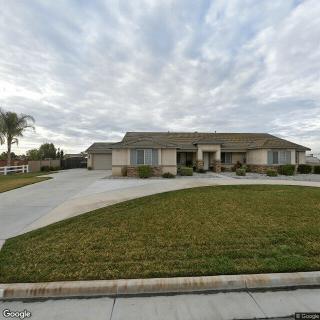
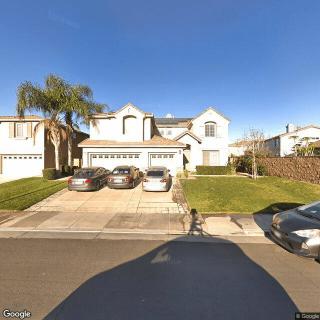
5050 Eclipse Avenue, Mira Loma, CA 91752
To contact a resident: (951) 360-3385
For more information about senior living options: (866) 208-4318
Donna's Board & Care Costs & Pricing
At Donna's Board & Care, the pricing structure is notably competitive compared to both San Bernardino County and the broader California market. For a semi-private room, residents benefit from an affordable monthly rate of $1,500, which stands in stark contrast to the county average of $2,958 and the state average of $3,333. Similarly, for those seeking more privacy in a private room setting, Donna's rates at $2,700 are considerably lower than the local average of $3,561 and the statewide average of $3,939. This significant cost advantage allows Donna's Board & Care to offer quality care without compromising affordability, making it an attractive option for families seeking supportive living arrangements.
| Floor plans | Donna's Board & Care | San Bernardino County | California |
|---|---|---|---|
| Semi-Private | $1,500 | $2,958 | $3,333 |
| Private | $2,700 | $3,561 | $3,939 |
Senior living communities with a similar price nearby
-
from +$100 / mo

Country View Assisted Living
$1,600 to $3,000 / month23.9 miles away -
from +$200 / mo
Light's Rancho Linda
$1,700 to $2,000 / month15.2 miles away -
from -$60 / mo
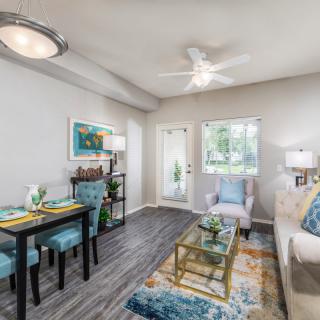
Overture Riverwalk 55+ Apartment Homes
$1,440 to $3,000 / month5.9 miles away -
About the same
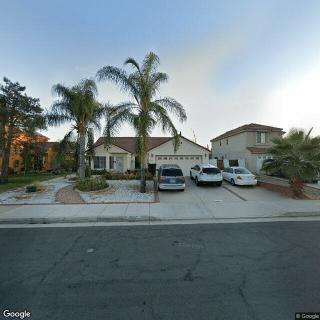
Good Samaritan Elderly Home I
$1,500 / month15.9 miles away -
from +$100 / mo
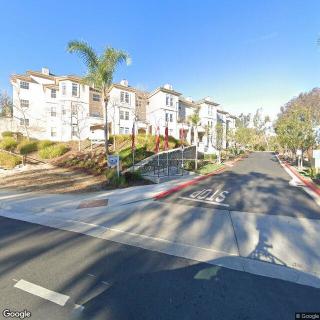
Orange Park Heights
$1,600 to $1,875 / month20.0 miles away
Overall Review of Donna's Board & Care
Pros
 Donna is friendly.
- Donna is attentive to residents' needs.
Cons
 Donna evaluated that the mother probably needed to be in a private room too early.
- Donna wanted to raise the price immediately.
- The reviewer thinks Donna wants someone who doesn't have severe problems.
Review
Donna’s Board & Care in Mira Loma is best suited for families seeking a small, home-like setting where a single, personable operator provides day-to-day care. The environment appears to hinge on a personal touch, with Donna described as friendly and accessible, and care delivered in a setting that feels intimate rather than institutional. This arrangement tends to appeal to residents who have relatively light medical needs, can adapt to shared accommodations, and value one-on-one communication with the person responsible for daily oversight.
Alternatives should be considered for residents with higher-acuity needs or those requiring near-constant supervision, complex medical management, or a stable, predictable pricing plan. The review suggests Donna evaluated care needs quickly and possibly steered a resident toward a private room before the family was ready for such an upgrade. That dynamic can indicate a mismatch between current needs and the facility’s comfort level or staffing model, leaving families uncertain about whether the ongoing plan will align with evolving requirements.
On the plus side, the small-scale setup and the apparent personal attention can offset the risk of feeling lost in a larger community. The caregiver’s friendliness and hands-on approach can translate into better daily oversight for a resident who does not require extensive medical interventions. The pricing dynamic is a real concern, however, and the lack of transparent, advance information about rate changes compounds uncertainty. The main con remains the staffing reality: with “it’s just Donna there,” there is little redundancy, raising questions about response times, continuity of care, and availability during off-hours, vacations, or illness.
Pricing and contract terms emerge as a critical lever for decision-making. The contract apparently requires two months’ notice for price increases, yet the family experienced pressure for higher payment immediately. That discrepancy highlights the need for explicit, written price schedules and a clear escalation policy before committing. Families should push for a formal rate sheet, caps on increases, and a documented process for adjusting pricing in relation to care levels, so later disputes are avoidable and expectations are aligned.
From the resident’s experience lens, the brief stay, and the push toward private-room placement, hints at a delicate balance between upgrading space and absorbing higher costs or shifting care plans. The lack of detail about daily routines, meals, safety features, activities, or how medical needs are managed leaves significant gaps for families evaluating fit. The impression that the operator may prefer residents who do not have severe problems cannot be ignored, as it directly affects long-term compatibility for anyone facing incremental care needs.
Bottom line: Donna’s Board & Care can be a solid option for families prioritizing warmth, direct access to a caregiver, and a small, homelike setting for residents with relatively modest needs. However, those seeking consistent, high-acuity support, steady pricing with advance notice, and strong staffing redundancy should consider alternatives. The prudent path is to conduct thorough, written comparisons: request a current rate schedule, a detailed care plan, and references; arrange a trial period if possible; and have clear questions about room options, private-pay versus financial assistance, and what constitutes a change in care level. With careful due diligence, the right fit will become clear.
 Board and Care Home
 Activities off-site
 Bath tubs
 Devotional services off-site
 Indoor common areas
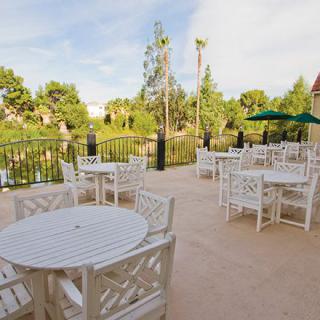
 Outdoor common areas
 Private
 Respite or short term stays offered
 Swimming pool / hot tub
 Ontario International (6 miles away)
 Ambulatory care
 High acuity care
 Incontinence care
 Medication management
 Kosher

 Comprehensive Insights and Practical Strategies to Help Older Adults Avoid Falls
 6 Crucial Ways an Elder Law Attorney Assists Families
 Navigating the Tax Landscape of Caregiving: Credits, Deductions, and Beyond