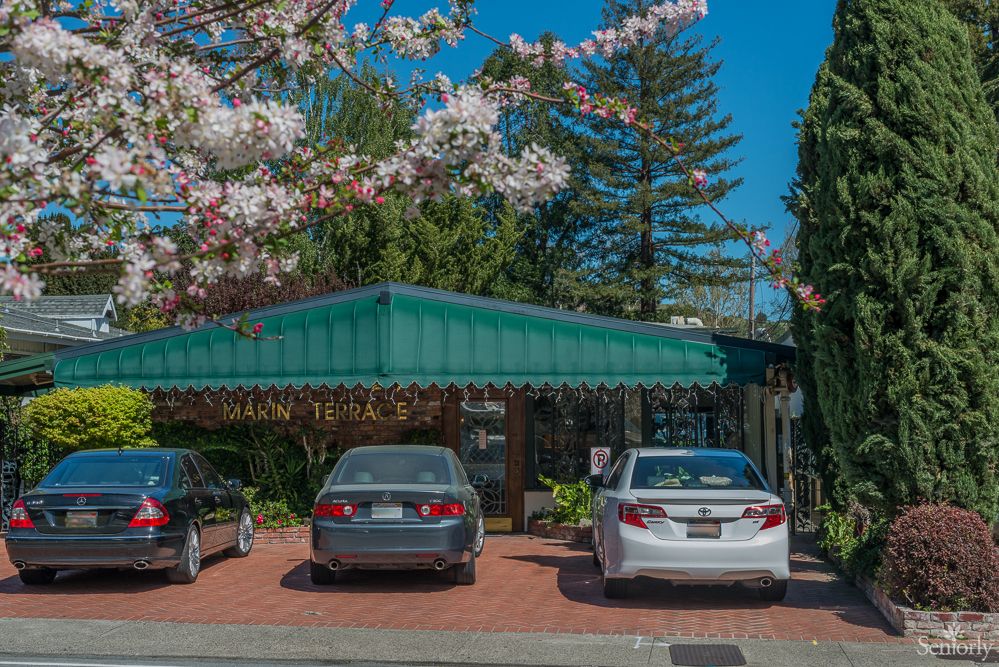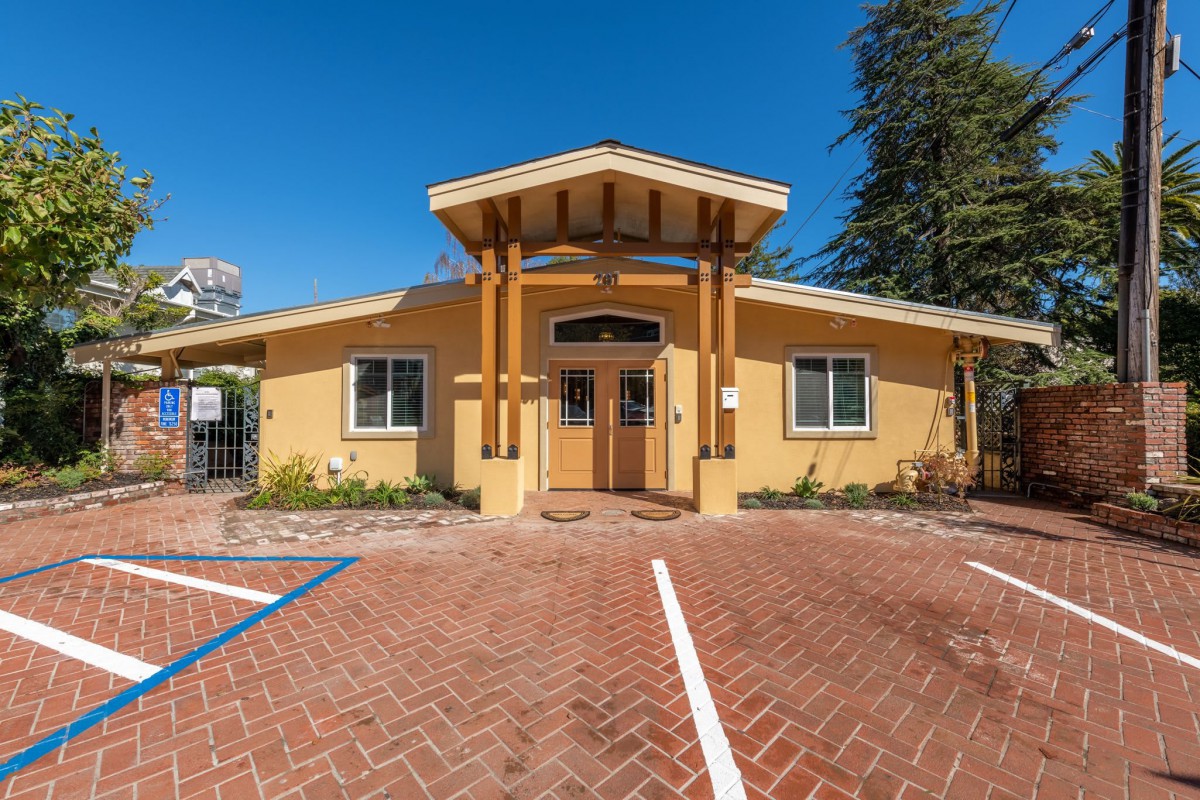










297 Miller Avenue, Mill Valley, CA 94941
For more information about senior living options: (866) 208-4318
Marin Terrace Costs & Pricing
At Marin Terrace, the monthly costs reflect the high standards of care and amenities provided within this esteemed community. For a semi-private room, residents can expect to pay $6,500, which is significantly higher than both the average cost in Marin County at $4,362 and the state average of $3,333. Similarly, for a more private 1-bedroom option, the price stands at $8,000, surpassing Marin County's average of $6,318 and California's statewide figure of $4,340. These rates illustrate not only the premium quality of services offered at Marin Terrace but also its positioning within the broader regional market for senior living accommodations.
| Floor plans | Marin Terrace | Marin County | California |
|---|---|---|---|
| Semi-Private | $6,500 | $4,362 | $3,333 |
| 1 Bedroom | $8,000 | $6,318 | $4,340 |
Memory care communities with a similar price nearby
-
from +$360 / mo

Elegance Hamilton Hill
$6,860 to $10,420 / month15.5 miles away -
from -$800 / mo
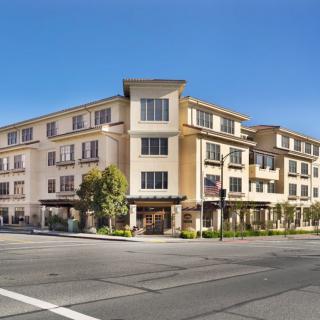
Sunrise of Burlingame
$5,700 to $9,000 / month22.8 miles away -
from -$450 / mo

Rhoda Goldman Plaza
$6,050 to $8,870 / month9.7 miles away -
from -$1205 / mo

Atria Tamalpais Creek
$5,295 to $12,195 / month14.4 miles away -
from -$975 / mo

Belmont Village Albany
$5,525 to $10,050 / month13.2 miles away
Overall Review of Marin Terrace
Pros
 Marin Terrace is a wonderful home for one who is memory challenged.
- The staff are extremely caring and helpful.
- The building is well maintained and offers excellent meals.
- Darnell is a gem who runs the place well.
- The staff have the most wonderful, loving hearts and treat residents like family.
- Marin Terrace isn’t fancy, but it’s warm and safe and staffed by beautiful people.
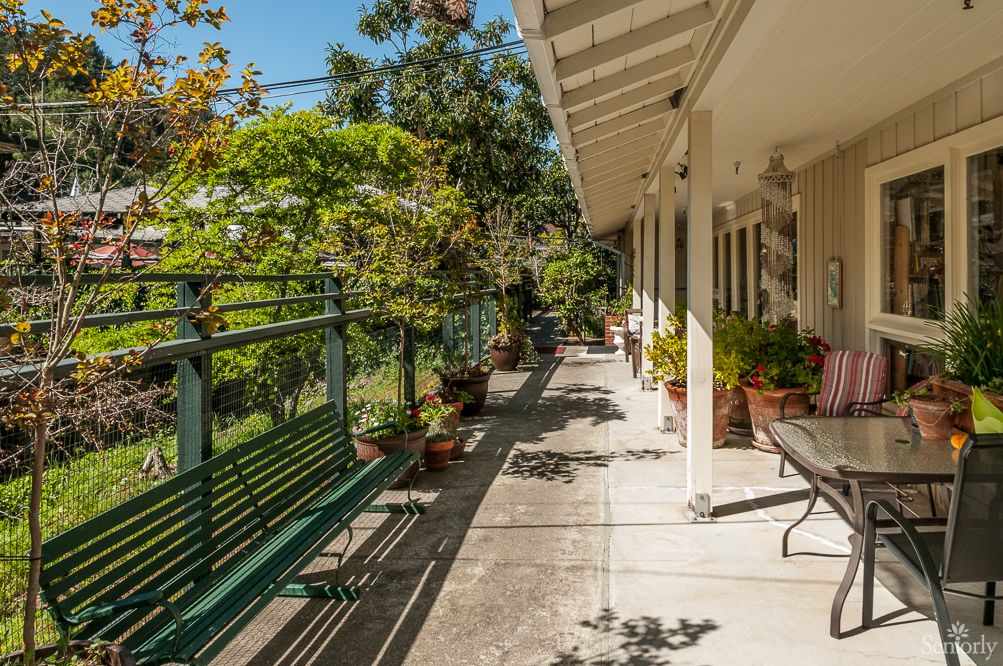
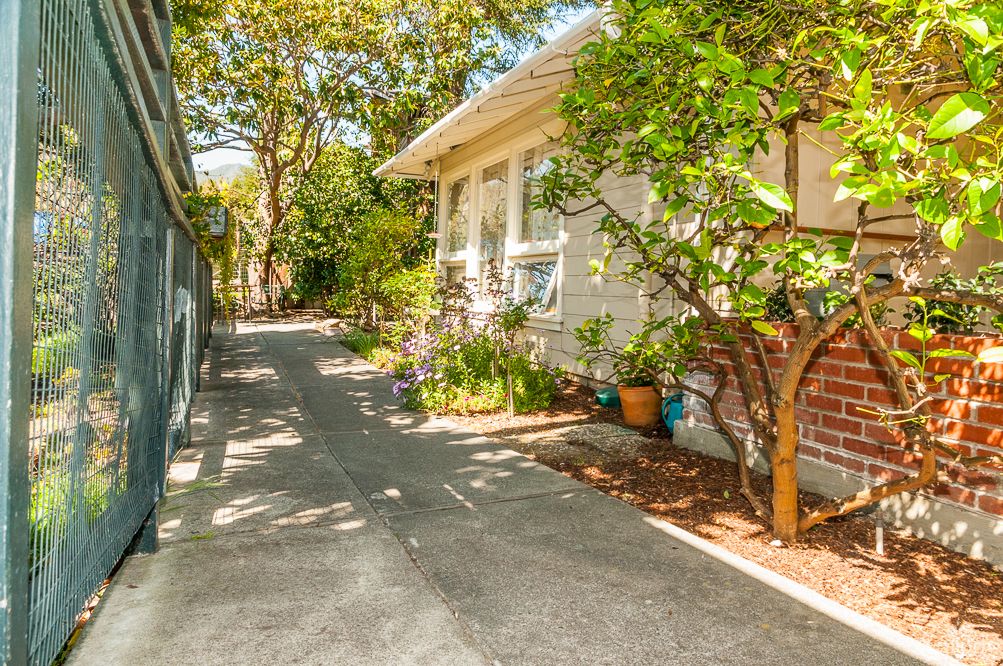
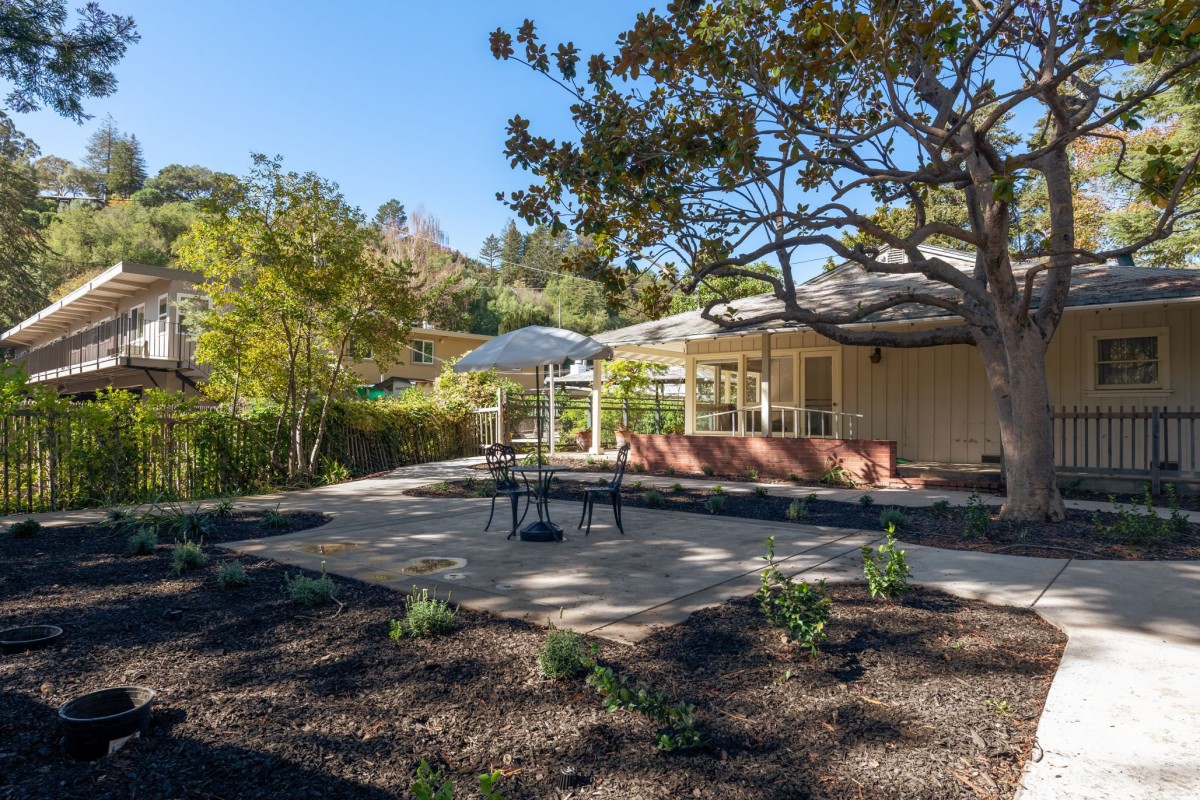
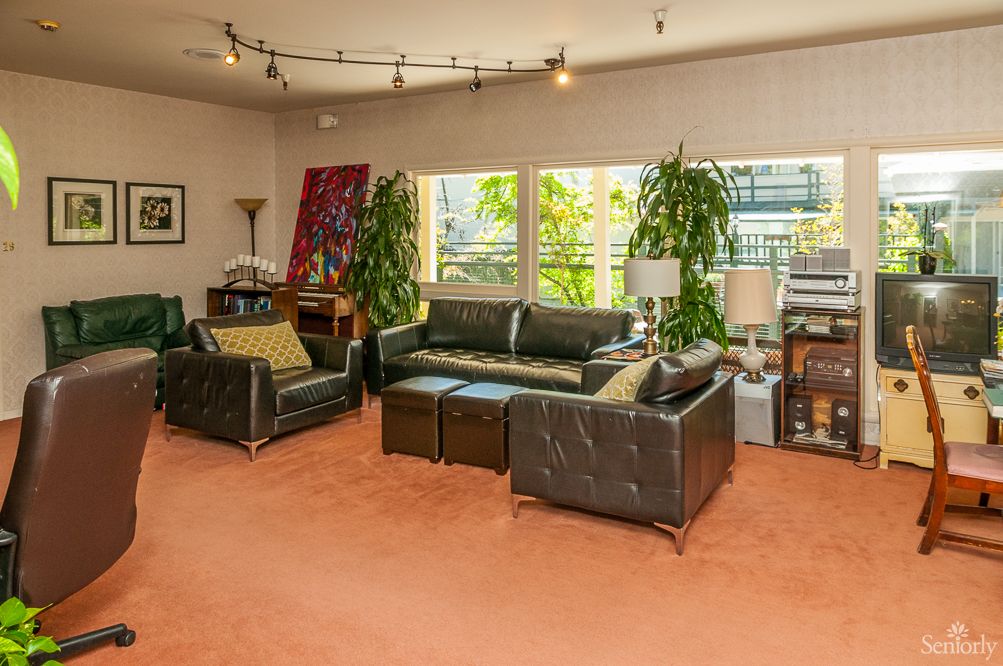
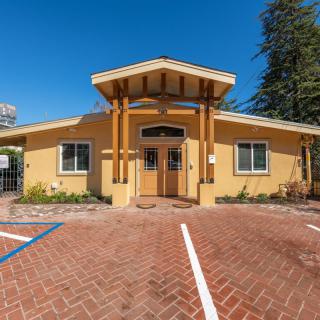
- The interior and grounds have been newly renovated and look great.
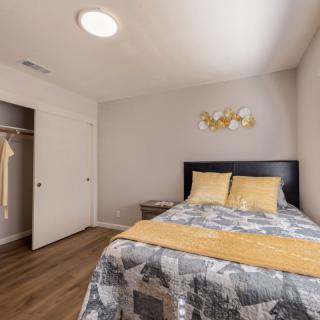
- The rooms are spacious and comfortable.
Cons
 The departure of Darnell Williams left Marin Terrace lacking in management, resulting in communications that were minimal at best and neglectful at worst.
- There were no communications to family about management turnovers, no regular updates on the resident's condition, and no notice when call buttons were disabled and phone service failed.
- The first two recommended Hospice agencies went out of business within a few weeks of admission.
- The reviewer would not recommend Marin Terrace for anyone who cannot have personal on-site monitoring by concerned loved ones.
- It is nearly impossible to find anyone in charge when things go awry.
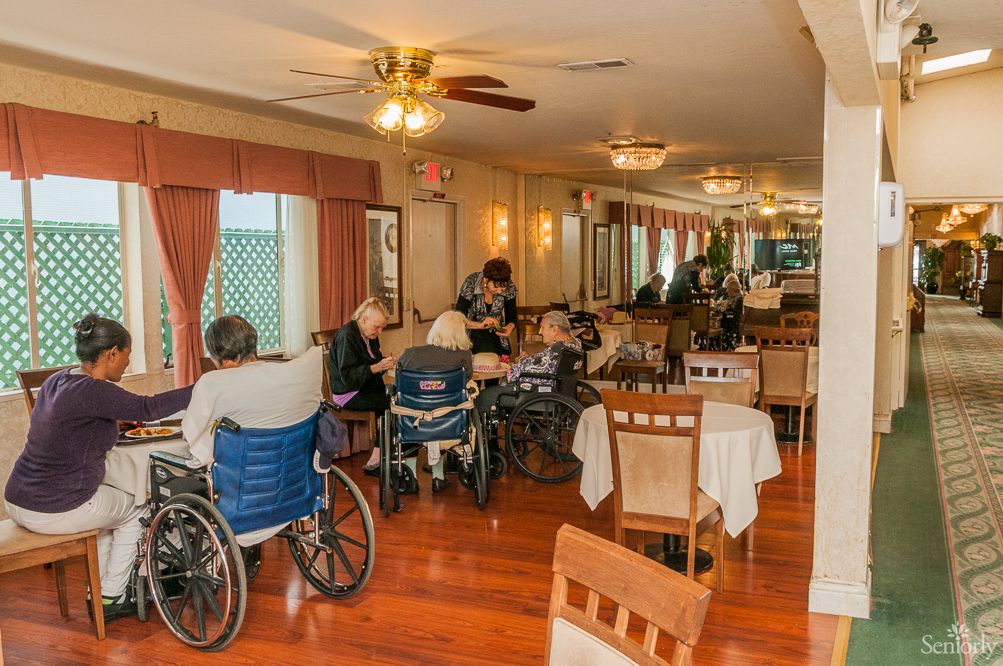
- There were no activities to distract the resident, who was left slumped in a wheelchair at a table in the empty dining room.
- These issues contributed to a very upsetting and disappointing end to a full, independent life.
Review
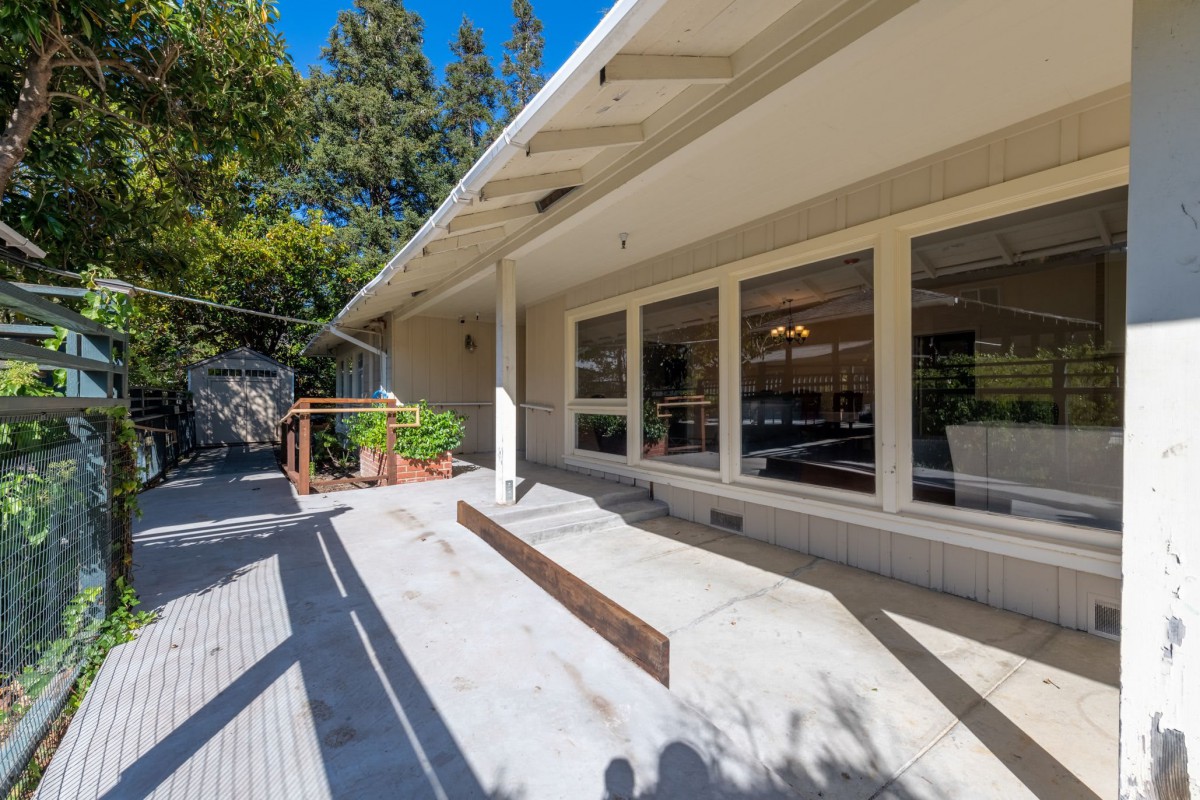
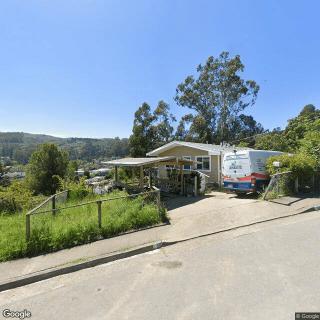
Marin Terrace in Mill Valley is best suited for older adults who need memory support and a warm, home-like setting, and for families that value a caregiver-led culture with long-tenured staff and a strong sense of family involvement. The community tends to shine where personal attention and humane treatment are the priority, with daily life centered on safety, meals, and social interaction within a homelike environment. Those high-need cases that demand consistent, transparent administrative oversight, rigorous on-site governance, or frequent, proactive family communications may find Marin Terrace less reliable on those fronts. For residents prone to agitation or aggression, the facility’s willingness to admit has been noted, but it can expose families to governance gaps if oversight is uneven.
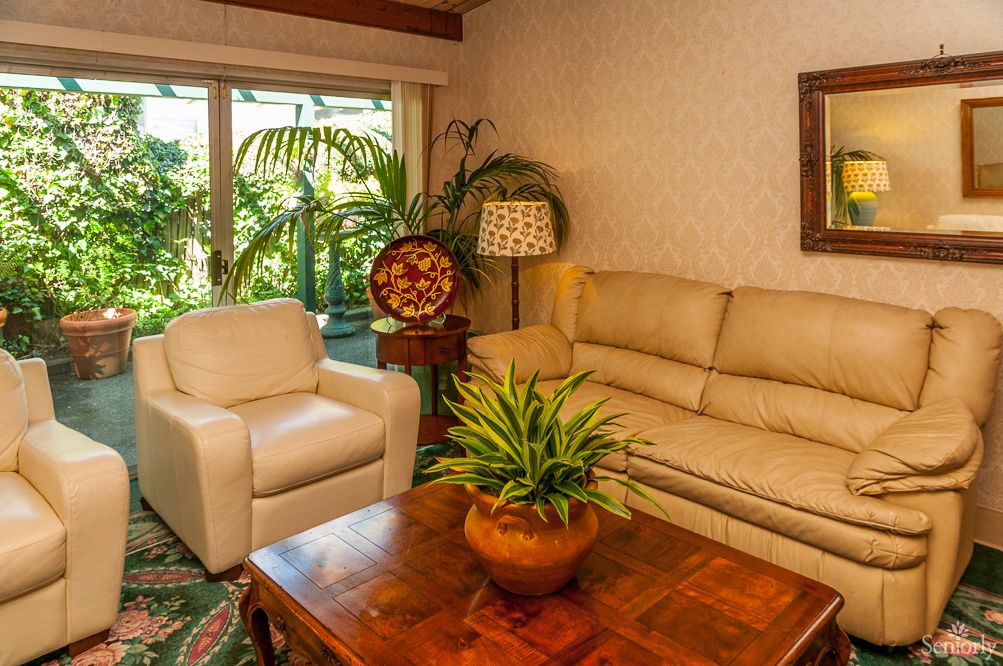
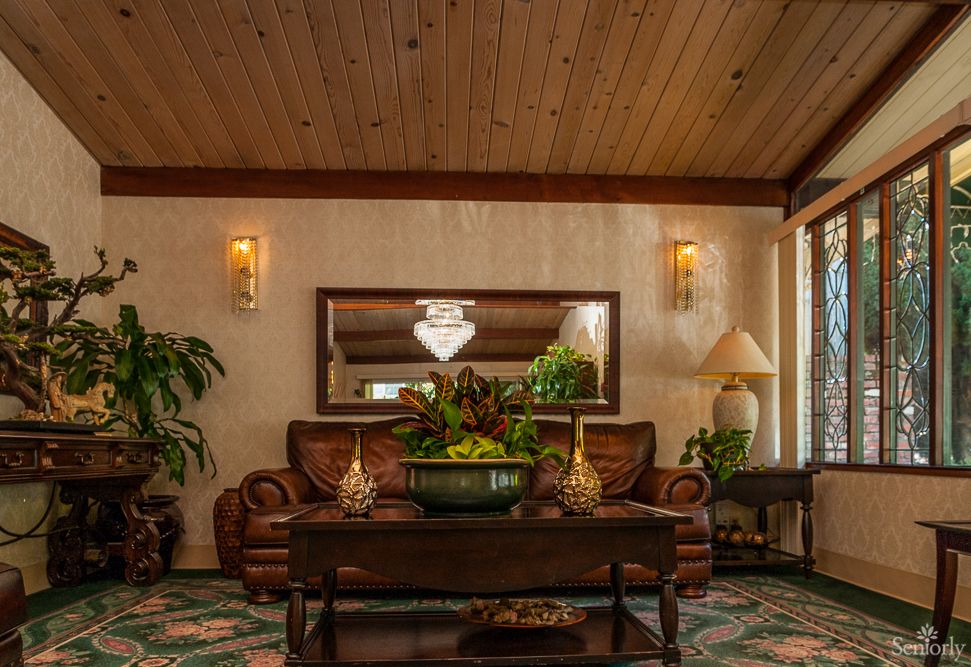
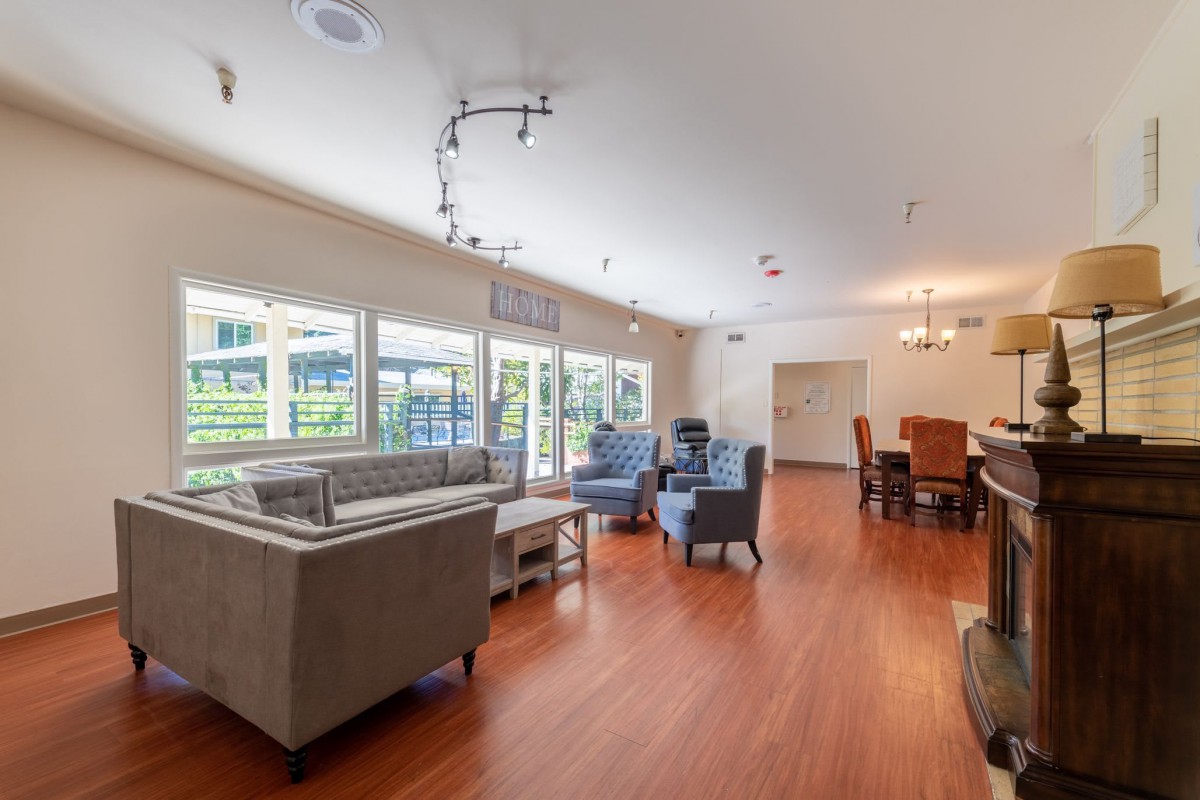
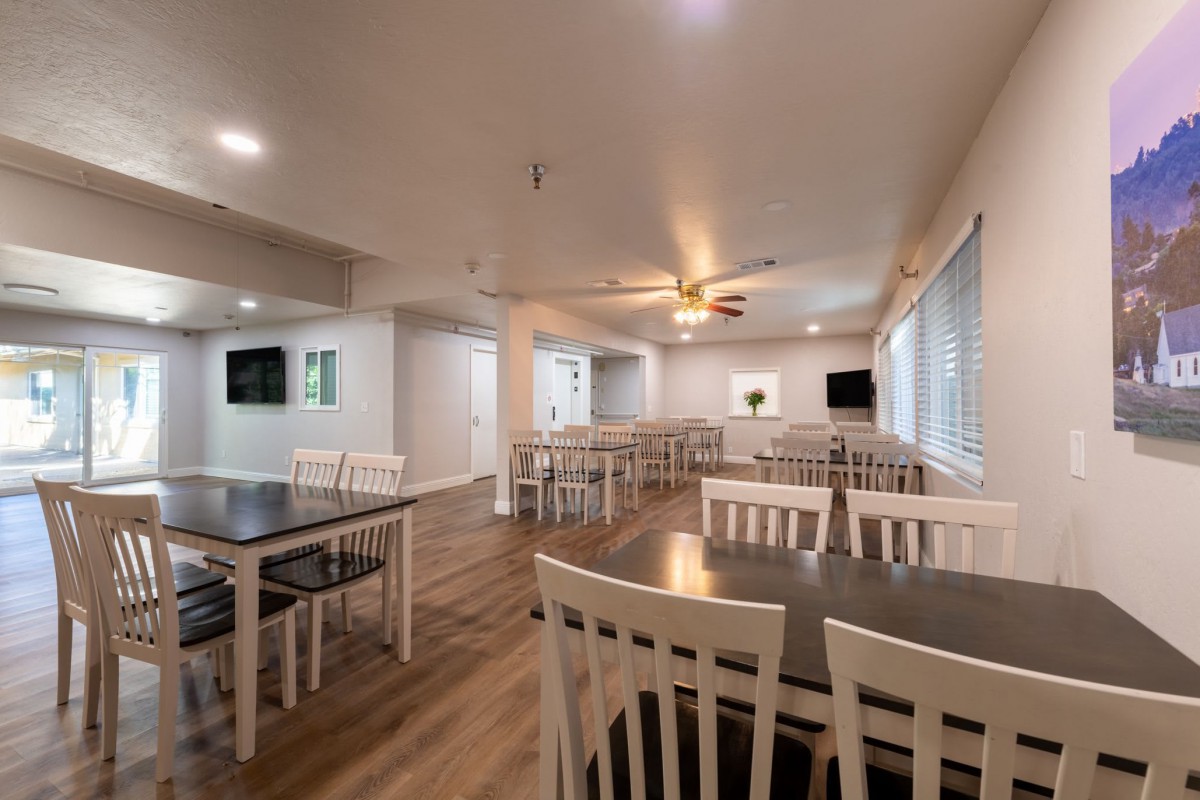
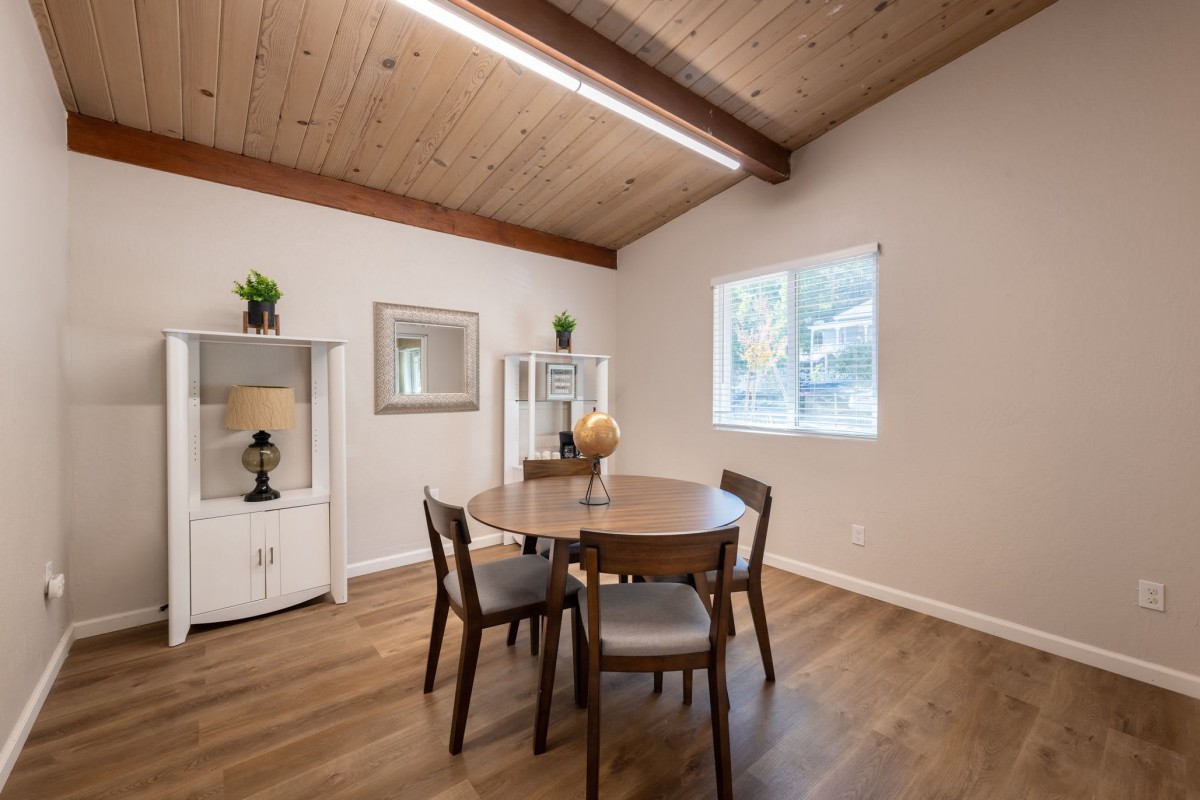
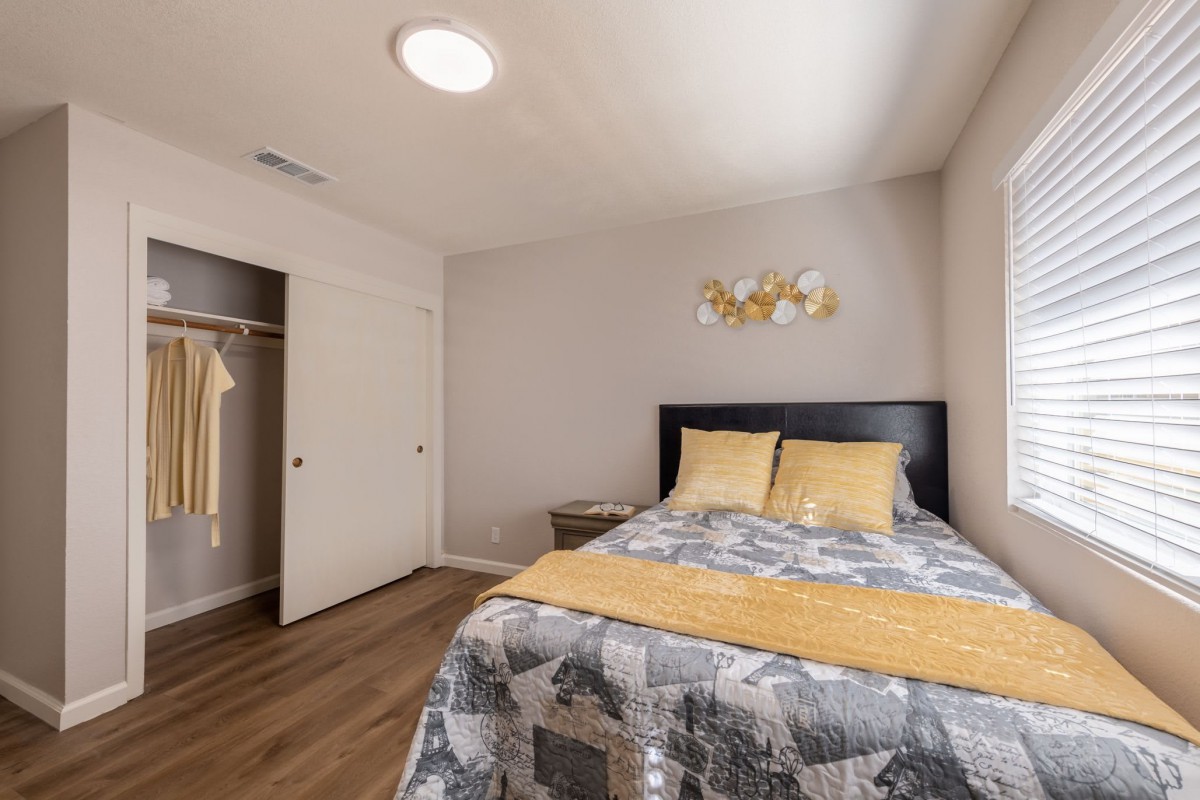
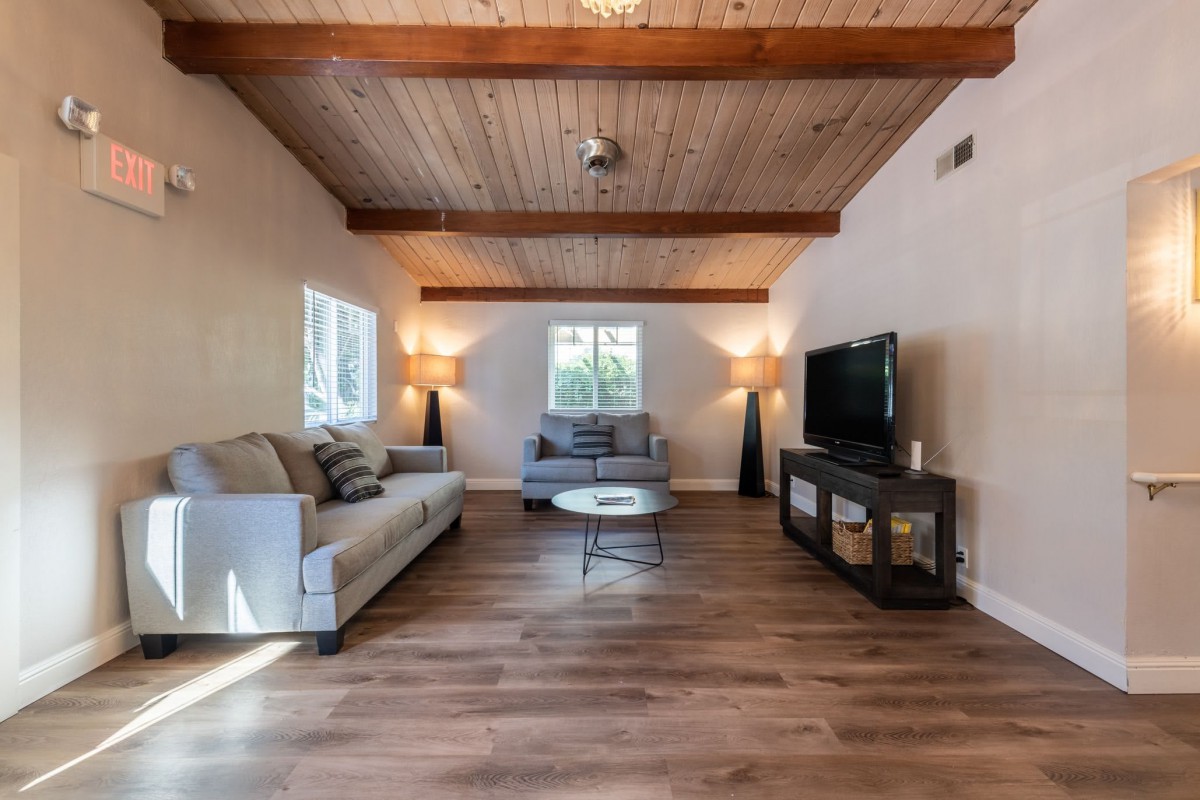
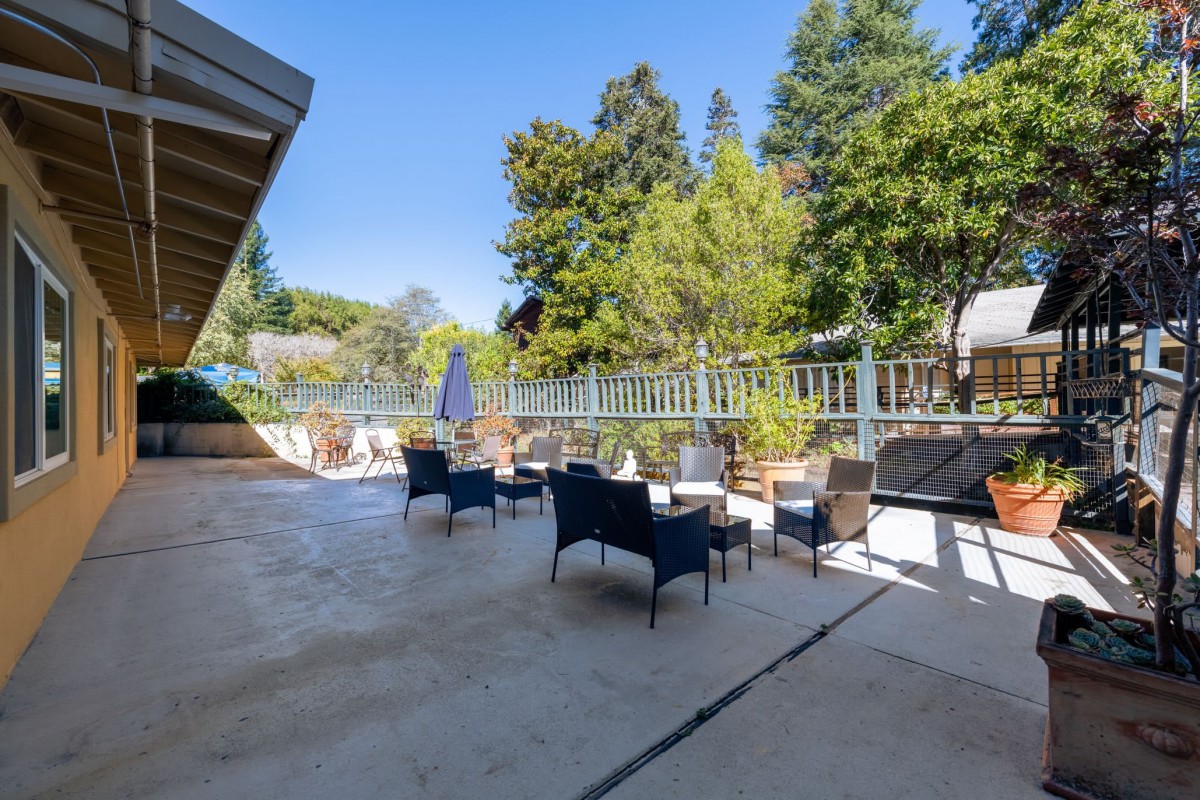
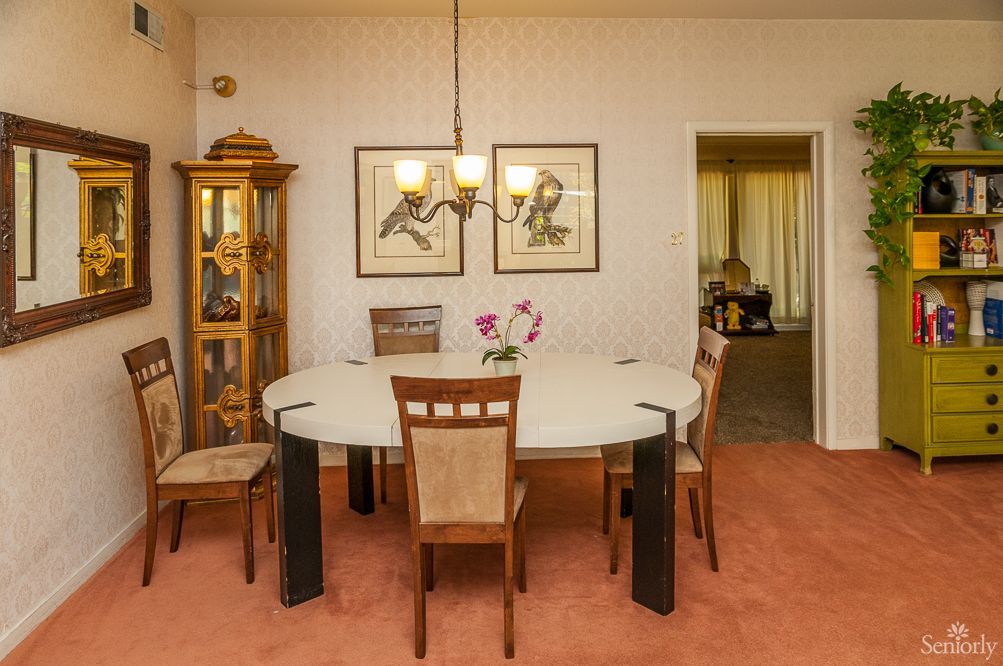
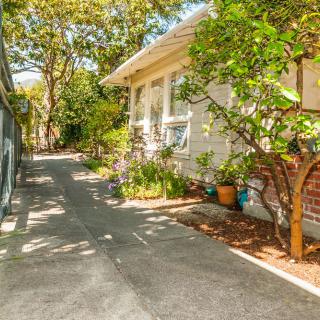
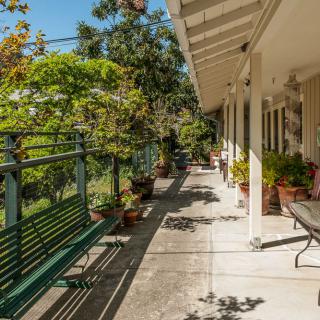
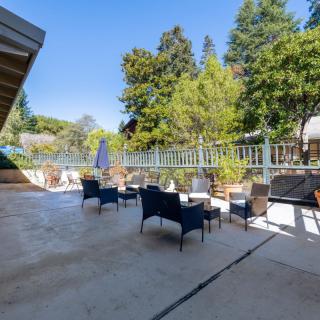
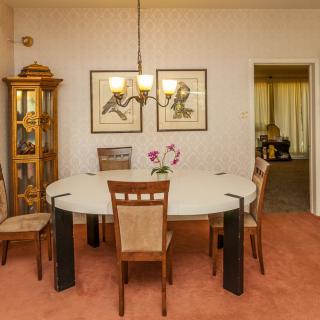
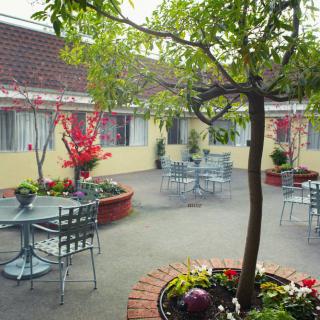
Pros center on the human touch and the comfort of the environment. Reviewers repeatedly described staff as caring, loving, and attentive, with many long-tenured employees contributing to a stable, respectful culture. The building itself is well kept and recently renovated, with spacious rooms, pleasant dining areas, and a setting that feels private- and family-friendly rather than institutional. Families noted that meals were good, and for residents who enjoyed a single-room setup, the space allowed personal belongings and familiar routines. The presence of a nurse on staff and a manager regarded as competent and compassionate reinforces a sense of dependable day-to-day care, especially for memory-challenged residents.
However, serious concerns emerge around governance and communications. One review details a period of minimal or neglectful communication after leadership turnover, with little family updates and gaps in reporting a resident’s condition, and even outages affecting call buttons and phone service. The absence of clear on-site leadership at times made it hard for families to know who was in charge when problems arose. These issues were not theoretical: some hospice providers were suggested and then fell out of service, underscoring fragility in external partnerships. Critics also report sparse activities at times, leaving residents largely sedentary. Taken together, these gaps can erode trust, especially for families that rely on transparent, timely updates and a responsive administrative line.
On balance, the staff’s warmth and the facility’s improvements do offset some drawbacks. For families seeking a nurturing, homey environment where staff treat residents like family, Marin Terrace delivers. Positive outcomes include weight restoration with good meals after hospitalization, timely medical attention, and a sense of safety that comes from observed routines and engaged care teams. Several residents benefited from the space and privacy of large rooms, with references to decorations and personal touches that helped life feel familiar. The combination of compassionate caregiving and an aesthetically refreshed setting creates a compelling value proposition for those who prioritize relationship-based care over clinical intensity.
Still, certain families should consider alternatives. If ongoing, sharp governance and constant, proactive communication are non-negotiable, or if a resident requires robust, structured programming and frequent activity scheduling, other communities may be more reliable. For those with a need for tight 24/7 clinical management or with complex medical needs beyond what is typically offered in assisted living, a facility with stronger corporate oversight or an established memory-care program may be preferable. The memory-care strengths are real, but they coexist with risk factors tied to leadership continuity and accountability.
Practical next steps involve a disciplined site visit and targeted conversations with leadership. Prospective families should ask current administrators about governance structure, the cadence of family communication, and what contingency plans exist when key staff depart. Verify that call systems and essential services have been tested recently, tour multiple resident rooms, and observe dining and activity spaces to gauge engagement levels. Inquire about hospice partnerships, response times for medical issues, and what memory-care programming looks like beyond the dining room and quiet rooms. Finally, compare Marin Terrace to nearby options in terms of staffing ratios, transparent reporting, and the ability to tailor care as needs evolve. When those factors align with priorities, Marin Terrace can be a compassionate home with real staying power.
 49 resident community capacity
 Assisted Living
 Hospice Agency
 Memory Care
 Respite Care
 Activities on-site
 Beautician on-site
 Cable or satellite TV
 Devotional services off-site
 Dining room
 Financing advice
 Fully furnished
 Garden
 Housekeeping services
 Indoor common areas
 Kitchenette
 Move-in coordination
 Outdoor space
 Telephone
 Wheelchair accessible showers
 Wi-Fi/high-speed internet available
 Metropolitan Oakland International (21 miles away)
 24-hour call system
 Ambulatory care
 Assistance with bathing
 Assistance with dressing
 Assistance with transfers
 Diabetes diet
 Diabetic care
 Incontinence care
 Meal preparation and service
 Medication management
 Mental wellness program
 Special dietary restrictions
 Transportation arrangement (medical)
 Transportation to doctors appointments
 English



 Comprehensive Insights on the Late Stages of Dementia: What to Expect and How to Provide Care
 Medications Associated with Dementia Risk: A Comprehensive Overview
 Guiding Your Journey: Understanding Power of Attorney for Elderly Parents