
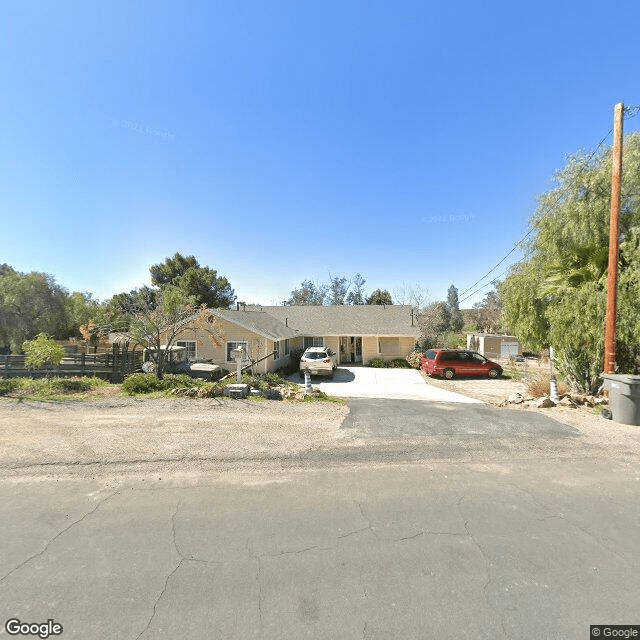
27695 Coyote Circle, Quail Valley, CA 92587
To contact a resident: (951) 246-9550
For more information about senior living options: (866) 208-4318
AJN Home Care Costs & Pricing
AJN Home Care offers competitive pricing for its services compared to the broader market in Riverside County and throughout California. For semi-private rooms, AJN Home Care charges $2,000 per month, significantly lower than the county's average of $2,844 and the state average of $3,333. Similarly, their private rooms are priced at $2,500 per month, which is also more affordable than Riverside County's average of $3,474 and California's statewide average of $3,939. This cost structure not only highlights AJN Home Care's commitment to providing quality care but also makes it an appealing option for families seeking cost-effective home care solutions.
| Floor plans | AJN Home Care | Riverside County | California |
|---|---|---|---|
| Semi-Private | $2,000 | $2,844 | $3,333 |
| Private | $2,500 | $3,474 | $3,939 |
Senior living communities with a similar price nearby
-
About the same
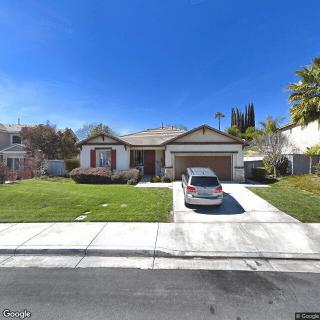
Temeku Hills Assisted Living
$2,000 to $2,800 / month15.3 miles away -
About the same
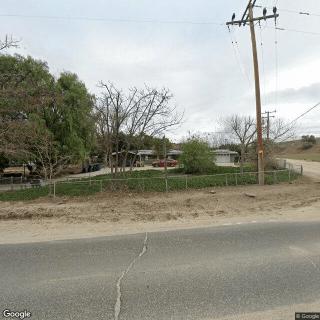
Milam Manor
$2,000 to $3,600 / month20.9 miles away -
from +$200 / mo
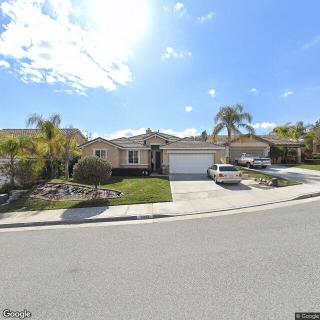
Diamond Residential Care Facility for the Elderly of Murrieta
$2,200 to $3,500 / month12.9 miles away -
About the same
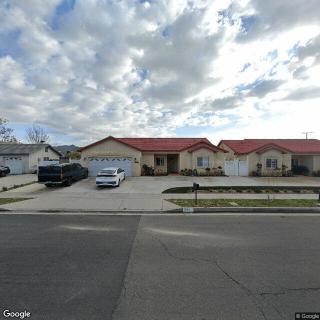
Vandelon 3
$2,000 to $3,000 / month16.1 miles away -
About the same
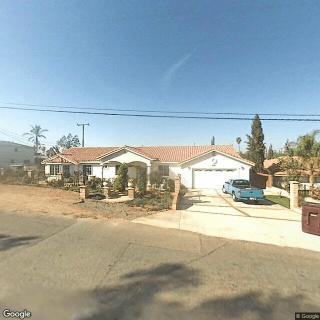
For His Glory Premium Senior Care Home
$2,000 to $2,800 / month14.0 miles away
Overall Review of AJN Home Care
Pros
 The care at Akahina Home Care is described as the best possible support during stroke recovery.
- Teresa is described as indispensable and life-saving to the client.
- Ben is a very helpful caregiver who supported the family for 10 months.
- De’Janet is an exceptionally wonderful caregiver.
- Sandra is well articulated, knowledgeable, and caring, with outstanding professionalism.
- The company receives high praise for its care.
- The father under their care is highly valued and well cared for.
- The facility is described as amazing and highly recommended for in-home care.
Cons
 The caregiver initially possessed the qualities, but after about a month and a half those qualities were lacking.
- She was not as industrious as when she began her assignment.
- There were times when she did not fully follow COVID protocol.
- Consequently, the reviewer and their mother contracted COVID.
- The reviewer’s mother died two weeks later from COVID pneumonia.
- The owner dismissed the matter and handed the phone to the caregiver who contaminated them with the virus.
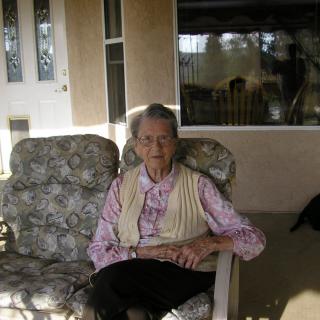
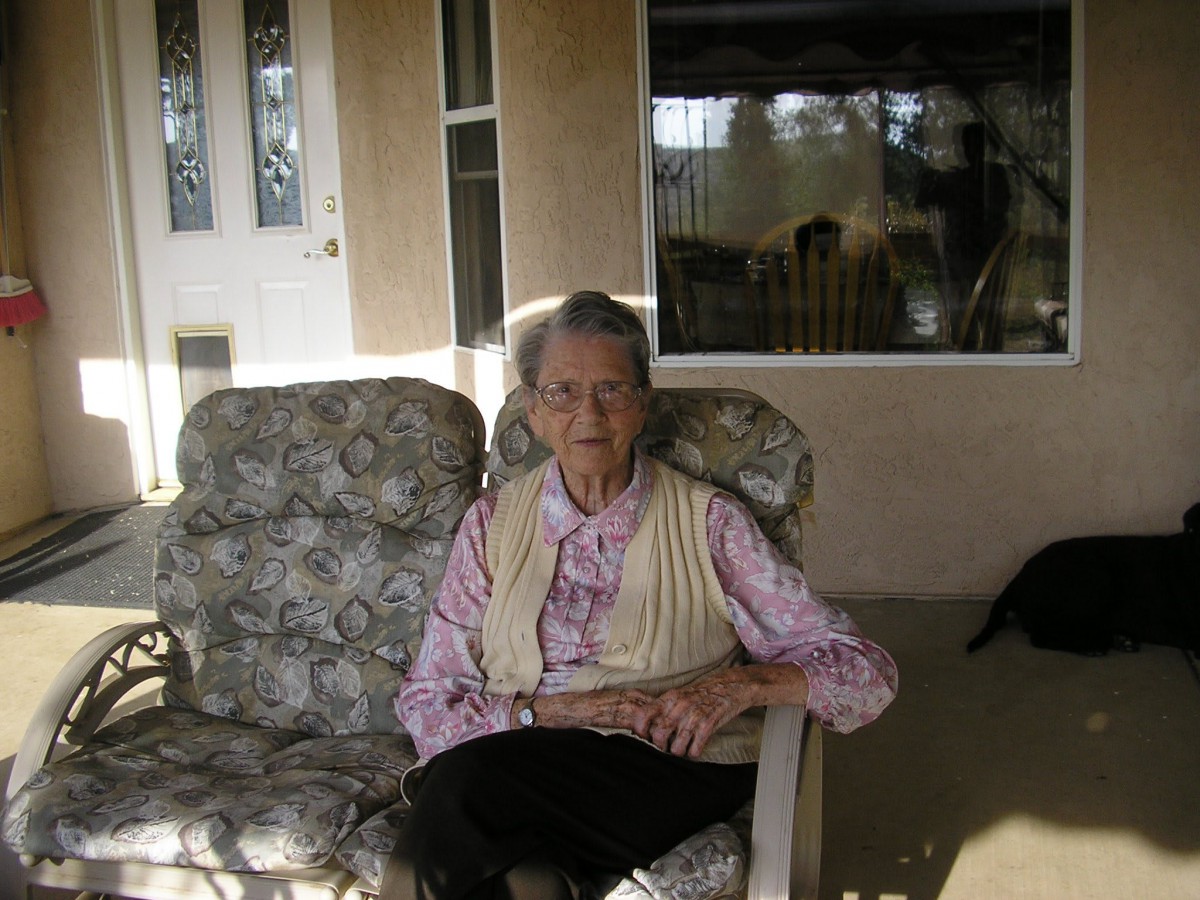
- The facility was described as having a depressing setting, with worn and outdated furniture and décor.
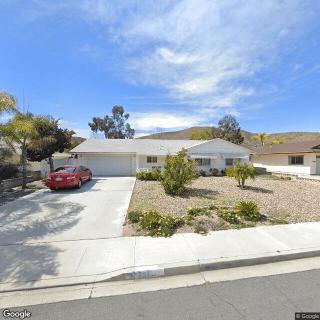
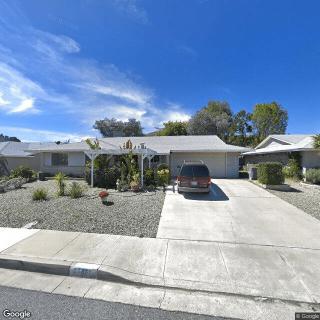
- The house is described as being out in the hills with nothing around—an older structure with trees but no grass.
Review
AJN Home Care in Quail Valley is best suited for families that want highly personalized in-home assistance with a warm, caregiver-centric approach. The reviews consistently flag deeply committed caregivers who become trusted partners in a loved one’s daily routine, with particular strength in stroke recovery support and dementia-related care. This is not a glossy, campus-style senior community; it is a home-based service where continuity, empathy, and practical help matter most. For families prioritizing a comfortable, non-institutional feel and a caregiver roster that can tailor tasks to evolving needs, AJN delivers strongly. It is less ideal for those seeking a modern facility with abundant built-in programming, formal social calendars, and a central, urban setting.
Those who may want to consider alternatives include families looking for a polished, facility-based environment with a wide array of onsite amenities and frequent group activities. If proximity to city conveniences, easy access to large medical networks, or highly structured day programs are non-negotiables, a traditional assisted-living campus or a larger home-care agency with broader corporate resources may be a better fit. Another red flag for some is the notion of living far from everyday conveniences, since several reviews describe the hilltop setting as remote, with limited surrounding services and outdoor options. For relatives who demand uniform caregiver availability and strict 24/7 coverage, a larger operation with deeper bench strength could feel more reassuring.
The strongest positives revolve around the care teams and their practice of attentive, hands-on support. Reviewers repeatedly praise individual caregivers, Teresa and others, for their dedication, thoroughness, and ability to assist with complex tasks during recovery or in daily dementia care. The credibility of the staff is reinforced by additional notes about capable professionals like De’Janet and Sandra, whose professionalism and knowledge earn trust. Administrative leadership also emerges as a practical asset, described as kind and helpful, with a clear willingness to explain care options and guide families through decisions. The care environment itself is noted as clean and well kept, which contributes to a sense of safety and comfort for residents and families alike. Taken together, these strengths translate into meaningful, tangible benefits for someone who values stable, compassionate caregiving and practical support over flashy surroundings.
However, the cons address real tensions in the AJN model. Inconsistent caregiver performance over time is a risk some families have experienced, with early diligence giving way to more routine, less vigorous adherence to tasks. This creates anxiety for families during transitions, especially when a loved one’s needs evolve. A troubling incident described by one family, an caregiver contracting an illness and a sense that the owner did not adequately address concerns, highlights the importance of ongoing supervision, clear accountability, and reliable crisis communication. The home’s location, described as remote and hillside with limited nearby amenities, also restricts activities and access to external resources, potentially limiting engagement for residents who crave social opportunities or require frequent outings. Finally, the physical space can feel dated, and for wheelchair-bound residents the activity options can be constrained by the layout, which detracts from overall quality of life for some.
These elements do not cancel the core advantages but they do tilt the decision toward a nuanced choice. The decisive value lies in the caregivers’ competence and the trust they inspire when a loved one is navigating recovery or ongoing dementia care. When care plans are well crafted and consistently implemented, the advantages of a home-based, person-centered approach, flexibility, warmth, and responsive, task-focused support, can outweigh the drawbacks of a less polished setting. Yet the more pronounced concerns around continuity, safety oversight, and accessibility of meaningful activities cannot be ignored. The rating, reflecting a mix of strong praise and notable cautions, mirrors the reality: AJN stands out for compassionate, capable caregiving, but families must actively guard against gaps in reliability and ensure the model meets evolving needs.
For families moving forward, a disciplined decision process is warranted. Begin with a direct, face-to-face assessment of care philosophy and practical capabilities: identify two or three named caregivers who would be assigned to the loved one, ask for a written care plan tailored to stroke recovery or dementia, verify turnover rates, and request recent references. Assess the facility’s environment not only for cleanliness but for safety, accessibility, and the feasibility of meaningful activity given mobility restrictions. In parallel, compare with alternatives that offer a more centralized campus experience or a different staffing model, and quantify what each option delivers in terms of daily engagement, medical support, and emergency responsiveness. Finally, demand a trial period or staged transition plan to observe how care routines integrate with family needs and to confirm that promised supervision and communication are consistent.
If AJN Home Care is chosen, approach the arrangement with clear expectations and rigorous governance. Insist on a stable caregiver team with documented care protocols, establish a structured check-in cadence with the administrator, and set milestones for evaluating progress in recovery or dementia management. Prioritize a plan for mobility and activity that accommodates wheelchair users, and require concrete details on how out-of-home errands, medical appointments, and emergency interventions will be handled given the hillside setting. In short, AJN offers a compelling blend of compassionate, skilled caregiving in a warm, home-like atmosphere, an attractive proposition for families who prize personal attention and proven caregiving ability. For those who need a broader social fabric, more polished facilities, or tighter operational safeguards, alternatives should be pursued with deliberate scrutiny.
 Board and Care Home
 Dogs allowed
 Activities off-site
 Air-conditioning
 Bath tubs
 Cable or satellite TV
 Devotional services on-site
 Handicap accessible
 Indoor common areas
 Kitchenette
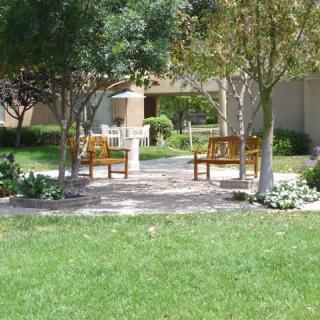
 Outdoor common areas
 Private
 Respite or short term stays offered
 Swimming pool / hot tub
 Wheelchair accessible showers
 Wi-Fi/high-speed internet available
 Diabetic care
 High acuity care
 Incontinence care
 Medication management
 Anytime dining
 Bible study group
 Book club
 Day trips and outings
 Karaoke
 Light therapy programs
 Live well programs
 Resident band or musicians
 Walking club
 Wine tasting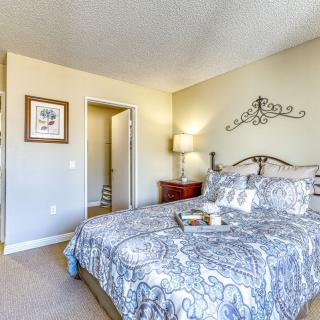


 In-Depth Look at the VA Aid and Attendance Program
 Nurturing Our Loved Ones: A Daughter's Journey in Caring for Her Mother
 Nurturing Our Elders: Linda's Journey of Supporting Her Mother