
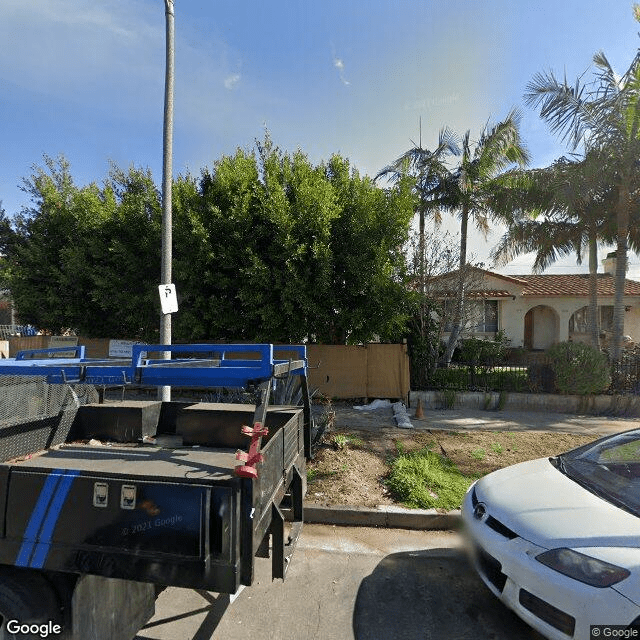
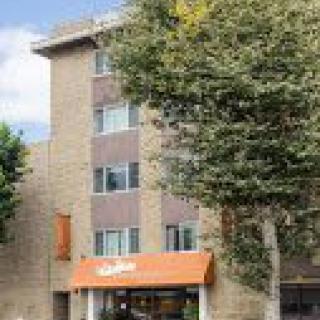
542 N Vista Street, Los Angeles, CA 90036
To contact a resident: (213) 280-1899
For more information about senior living options: (866) 208-4318
Sierra Bonita Board and Care #3 Costs & Pricing
Sierra Bonita Board and Care #3 offers competitive pricing for its services compared to the broader market in Los Angeles County and across California. For semi-private accommodations, residents can expect a monthly fee of $3,000, which is notably lower than the county's average of $3,349 and the state average of $3,333. Similarly, for private rooms, Sierra Bonita's rate of $3,500 stands out against the county average of $4,197 and the state average of $3,939. This positioning not only highlights Sierra Bonita's commitment to affordability but also underscores its value within a region known for higher care costs.
| Floor plans | Sierra Bonita Board and Care #3 | Los Angeles County | California |
|---|---|---|---|
| Semi-Private | $3,000 | $3,349 | $3,333 |
| Private | $3,500 | $4,197 | $3,939 |
Senior living communities with a similar price nearby
-
from +$500 / mo
Kind Heart Home Care VI
$3,500 to $5,000 / month17.9 miles away -
from +$300 / mo

Bella Manor II
$3,300 to $4,290 / month23.7 miles away -
from +$500 / mo
Paradise Senior Living 1
$3,500 to $4,500 / month15.2 miles away -
from -$250 / mo
Dignity Care Home 1
$2,750 to $4,150 / month12.9 miles away -
from -$500 / mo
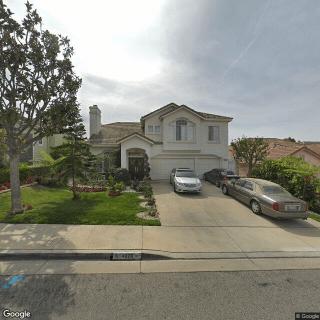
Eleanor's Residential Home
$2,500 to $6,000 / month6.0 miles away
Overall Review of Sierra Bonita Board and Care #3
Pros
 The staff is excellent.
- The facility is a great place for families, very nice and clean.
- The staff and nurses are friendly and nice.
- The facilities are clean and spotless.
- The dad seems well adjusted and is being well cared for.
- The homes are nice, clean, bright, and airy.
- The caregivers are friendly.
- The people are very nice.
Cons
 The facility is terrible.
- Bruises appeared on her, indicating poor care.
- The staff didn’t seem to care about her.
- It wasn’t best to keep her there.
Review
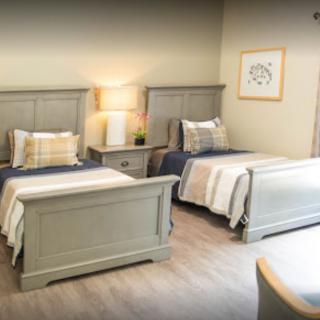
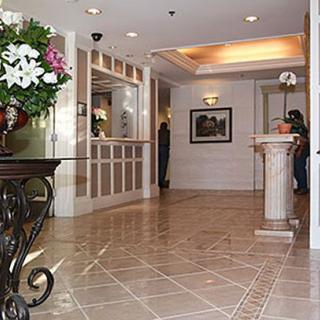
Sierra Bonita Board and Care #3 in Los Angeles is best suited for families seeking a clean, approachable environment with consistently friendly staff, particularly for residents who are living with Alzheimer's disease or in the early to mid-stages of memory loss. The setting is described as bright, clean, and home-like, with caregivers who come across as approachable and attentive. This community appeals to families prioritizing a warm, personal touch and a facility that presents well to visitors, where daily life feels calm and well managed. Those whose loved ones require a higher level of medical oversight, strict safety monitoring, or highly specialized memory-care programming may want to consider alternatives with more intensive supervision and denser staffing.
Alternatives to consider are warranted for families who demand near-flawless safety records or who need assurance beyond what a board-and-care setup typically provides. One must be cautious if the decision hinges on a sole positive impression of friendliness and cleanliness, unaccompanied by evidence of consistent, high-level supervision. If a loved one exhibits challenging behaviors, frequent medical needs, or a history of wandering or agitation, it may be prudent to compare with larger assisted-living communities or memory-care facilities that offer more structured monitoring, 24/7 nursing presence, and formal incident reporting. Prospective residents who require robust,.
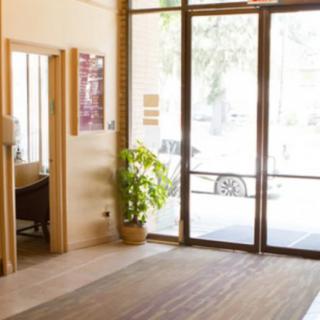
The strongest pros cited repeatedly are cleanliness, bright and inviting spaces, and staff who are described as friendly and compassionate. Families consistently praise the facilities as sparkling clean with a welcoming atmosphere, and they report confidence in the care from nurses and caregivers. In the context of dementia care, these attributes, predictable routines, a pleasant environment, and approachable staff, can significantly improve daily life and reduce anxiety for both residents and their families. These positives help offset the natural apprehension that accompanies placing a loved one in any communal living situation, creating a sense of trust in day-to-day operations.
However, a single negative review cannot be dismissed. A family member reported bruising on their loved one and accused the staff of not caring, which raises legitimate red flags about safety, handling, and proactive concern for resident well-being. While the remainder of the feedback is favorable, this outlier warrants careful scrutiny. It casts a shadow over the overall impression and underscores the need for rigorous verification of care practices, incident response, and ongoing monitoring. In advisory terms, this means doing due diligence beyond surface impressions before making a binding commitment.
The responsible path is to weigh the solid, tangible benefits against the safety concerns with a structured vetting process. The clean, welcoming environment and friendly staff are meaningful advantages that can greatly affect quality of life, mood, and social engagement. Yet, if safety and consistent, proactive care are non-negotiables, the bruising report cannot be treated as incidental. The offsetting factor would be transparent, verifiable incident records, clear discipline and training protocols, and demonstrable staffing stability. Prospective families should seek current caregiver-to-resident ratios, observe direct care moments, and request detailed responses to any past incident reports to determine whether the positives truly outweigh the risks.
For families leaning toward alternatives, a targeted approach is advised: tour a range of options with stronger claims to safety history and memory-care expertise; prioritize facilities with dedicated memory-care wings, higher staffing levels, and explicit safety audits. Seek facilities that can provide recent inspection reports, corroborated resident and family references, and a clear path to escalation if concerns arise. In short, Sierra Bonita Board and Care #3 offers a favorable baseline, cleanliness, warmth, and accessible staff, yet a serious safety concern from one reviewer means it should not be the sole or final choice without deeper verification and comparison. Schedule visits, ask hard questions, and let observed interactions guide the decision.
 Board and Care Home
 Private
 Private bathrooms
 Respite or short term stays offered
 Wheelchair accessible showers
 Burbank-Glendale-Pasadena (8 miles away)
 Ambulatory care
 Diabetic care
 High acuity care
 Incontinence care
 Meals provided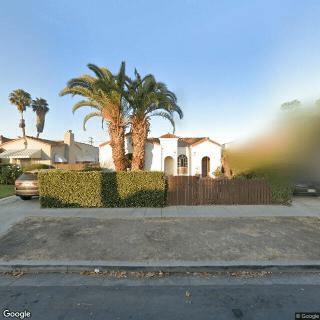

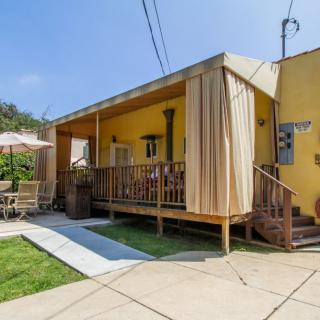
 Understanding the Nuances of Palliative Care and Hospice: A Comprehensive Exploration
 Fecal Incontinence in Older Adults: A Comprehensive Guide
 Recognizing the Journey: Understanding and Navigating Anticipatory Grief