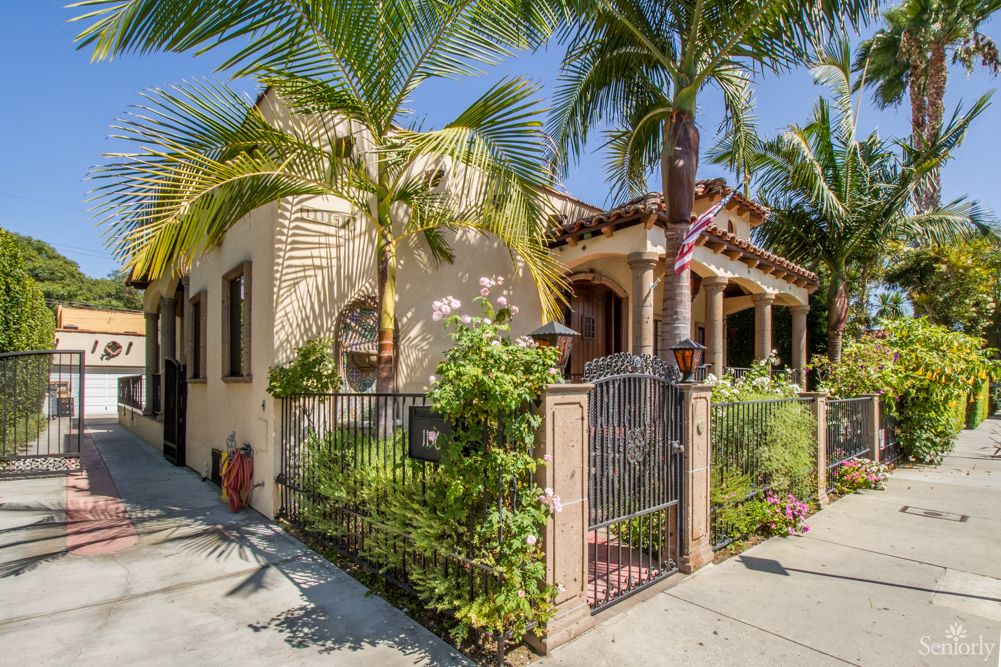



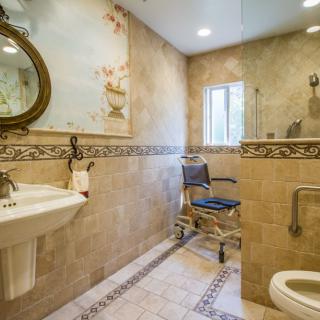
1156 North Gardner Street, Los Angeles, CA 90046
For more information about senior living options: (866) 208-4318
Overall Review of Raya's Paradise
Pros
 Raya's Paradise is a haven where strangers quickly become family, with warm smiles and shared joy.
 - The caregivers and staff are exceptionally compassionate, skilled, and experienced in senior care, making residents feel at home.
- Families trust that their loved ones receive attentive care, feel safe, and are nurtured, becoming part of the Raya's Paradise family.
- The team is exceptional, delivering heartfelt care in a beautiful atmosphere.
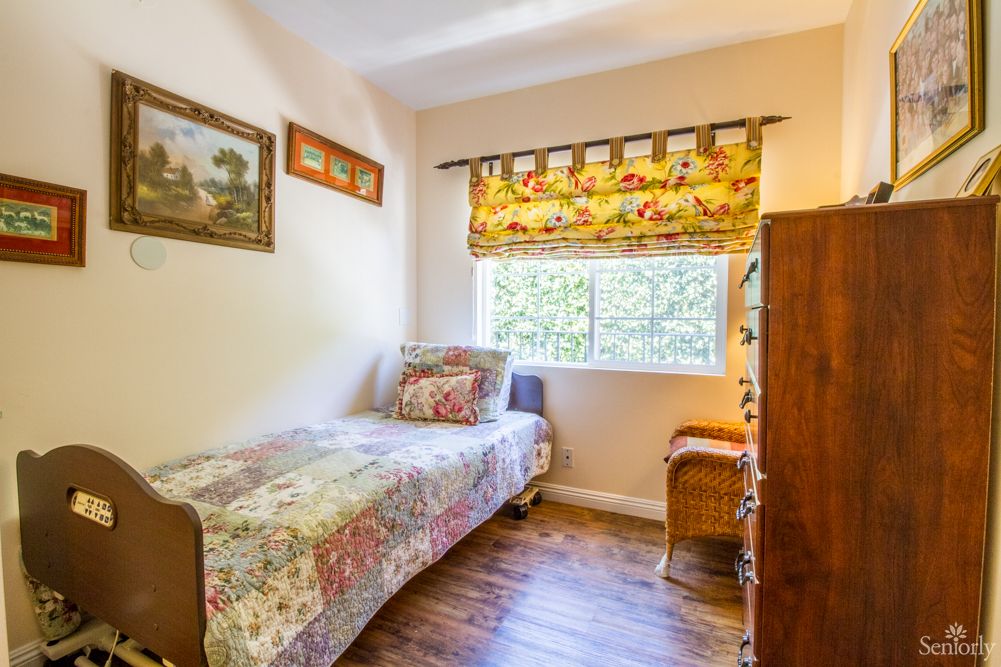
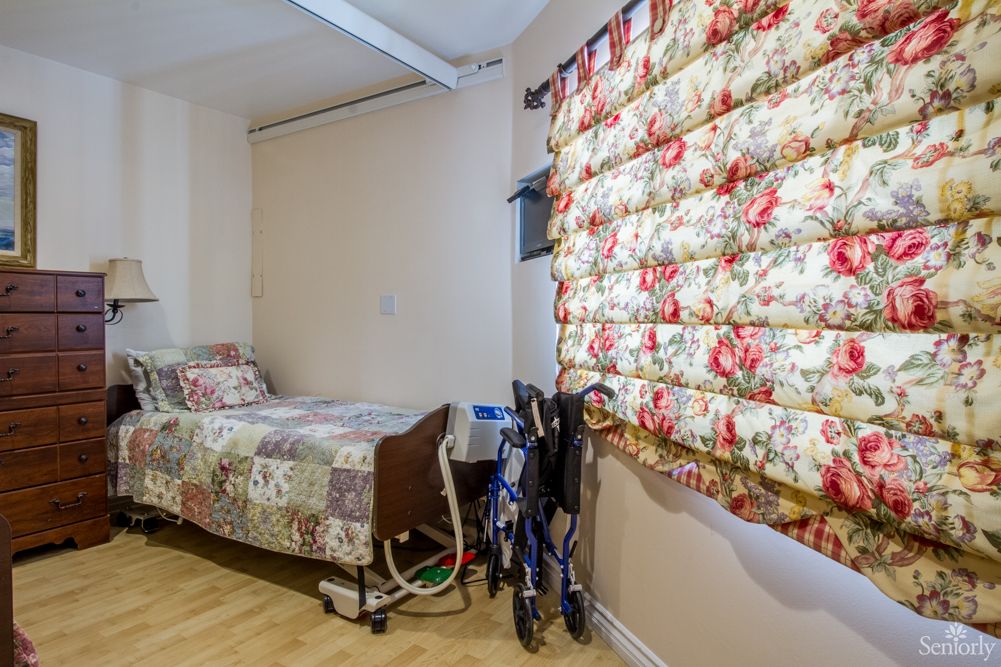
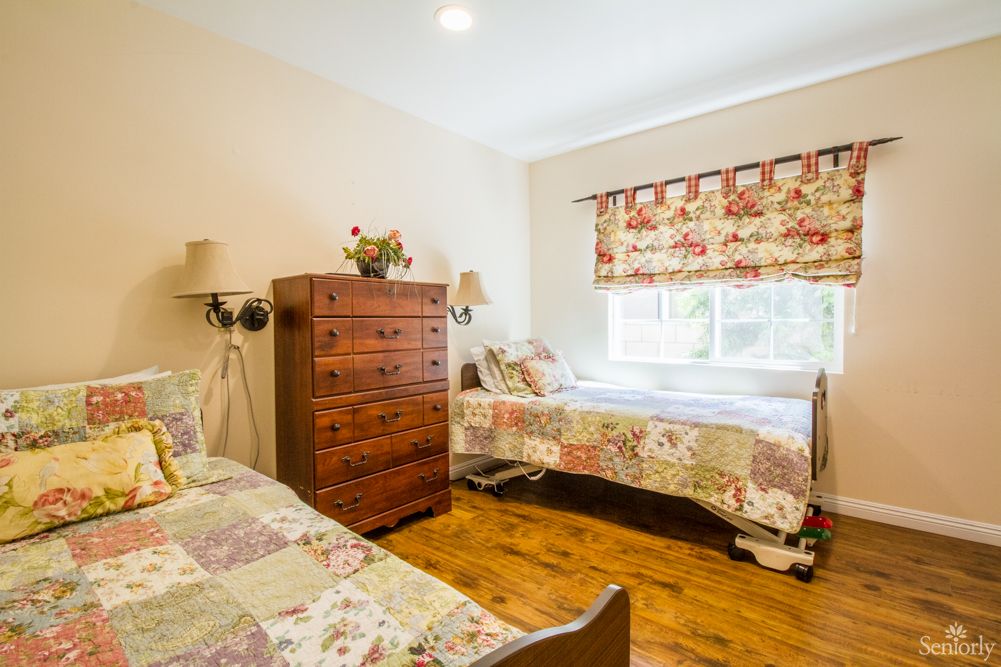
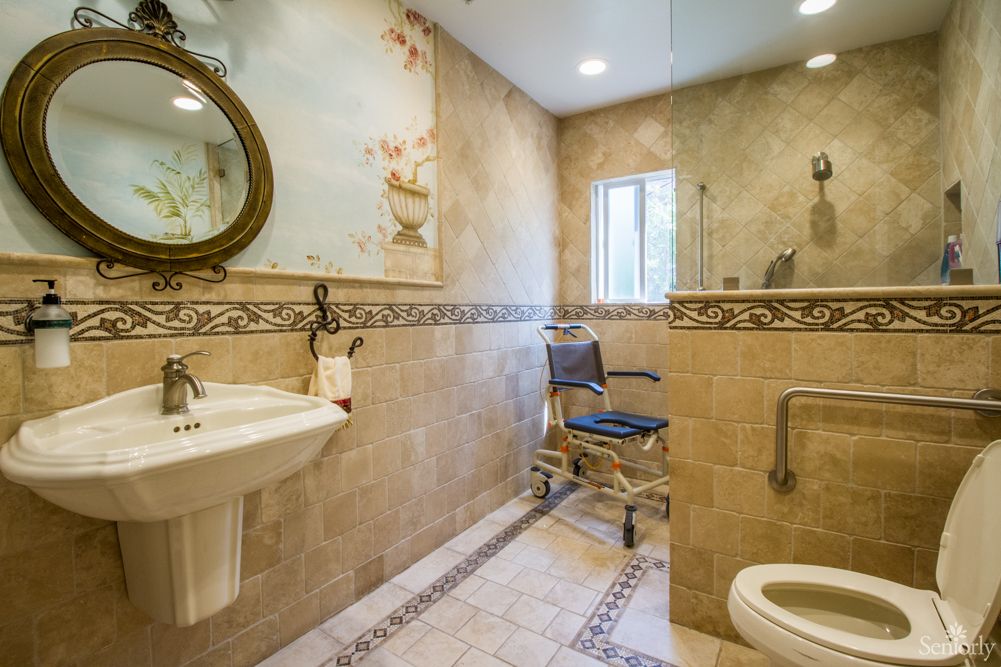
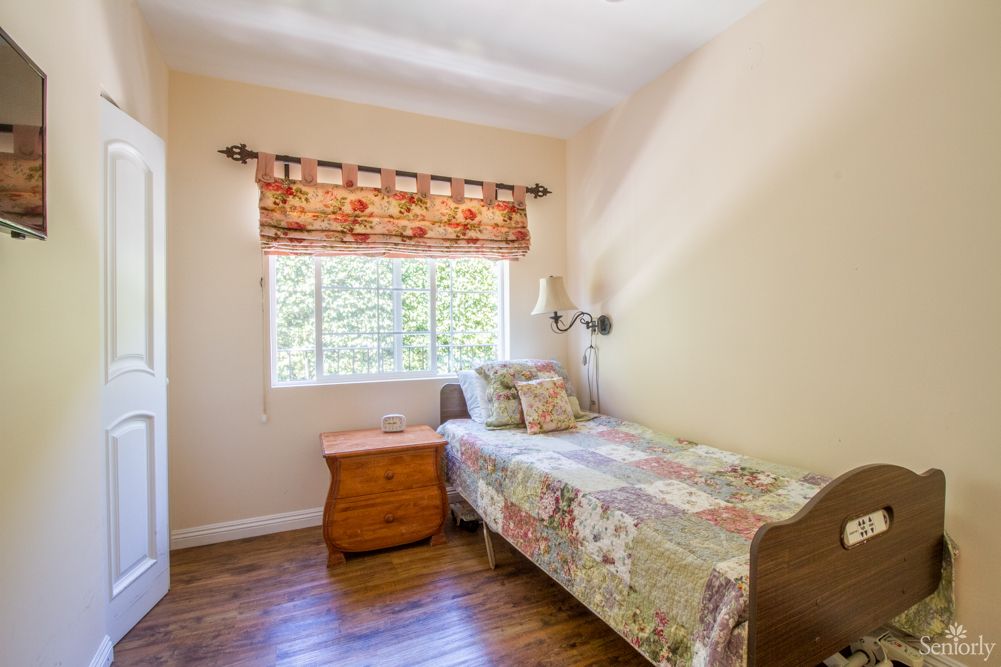
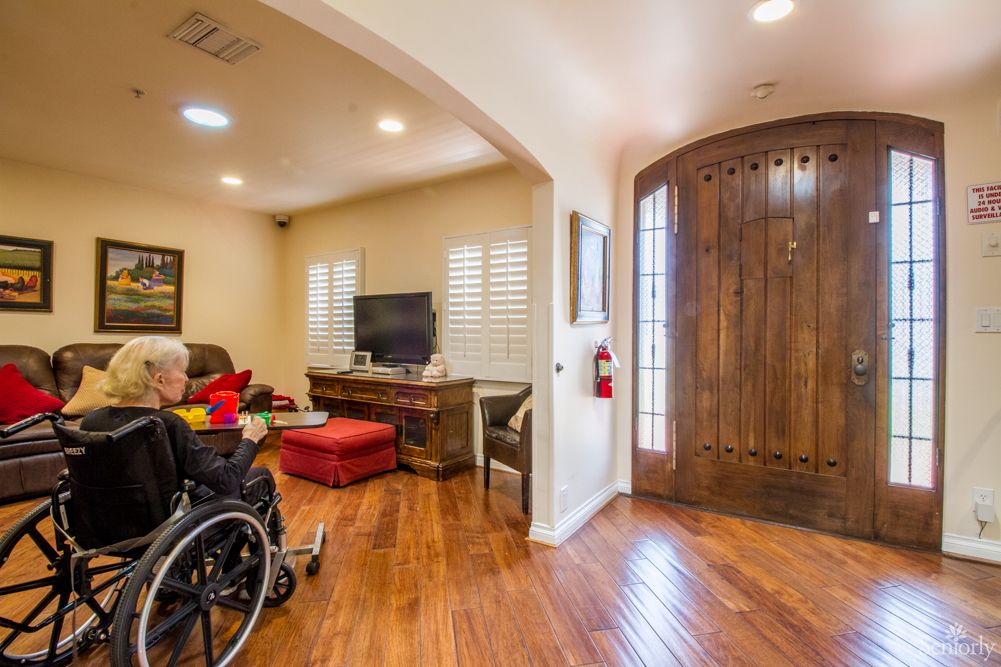
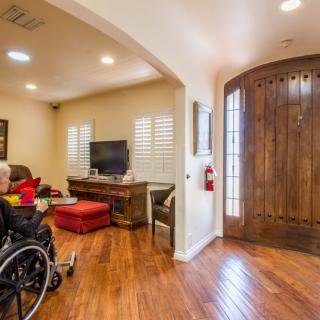
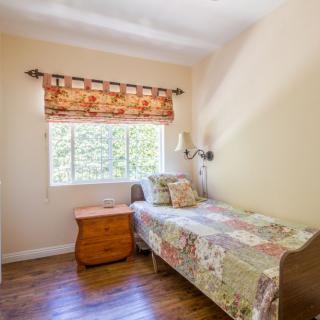
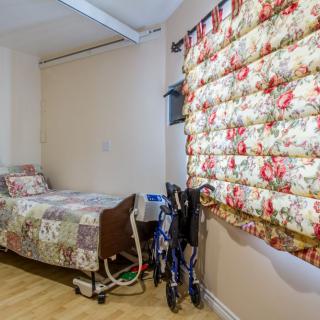
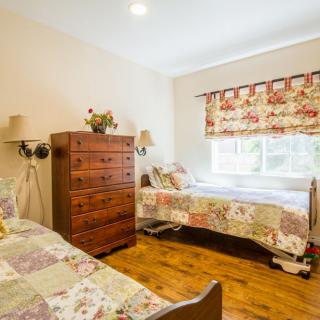
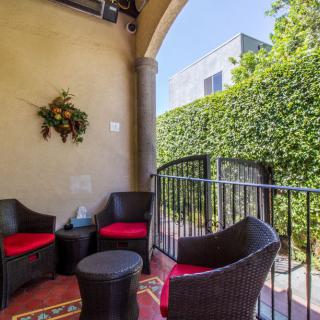
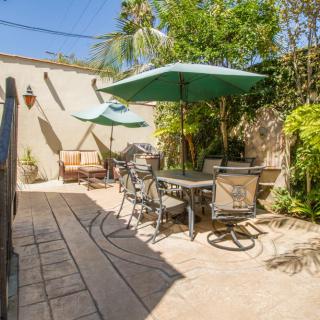
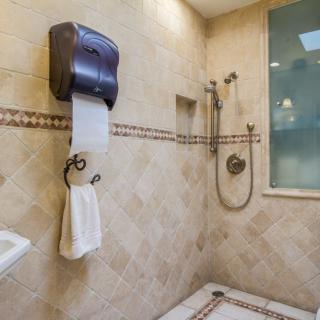
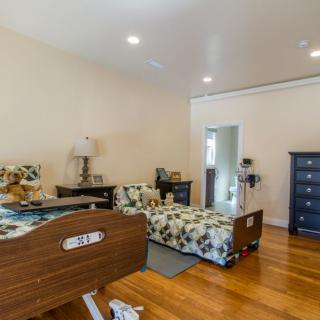
- The studio is comfortable, bright, modern, and welcoming, creating an instantly reassuring experience.
- Residents receive personalized attention, with the team adapting with empathy and professionalism.
- Raya's Paradise provides high-quality care in a warm, home-like environment, with reliable, professional communication with case managers.
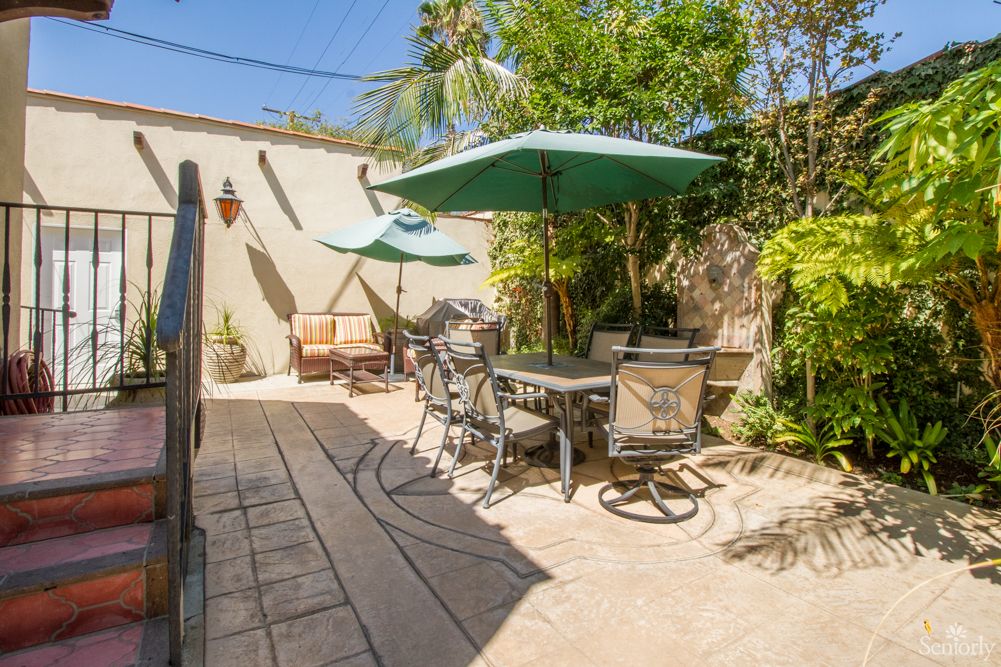
- The facilities are well-maintained and thoughtfully staffed, focused on residents' well-being and dignity.
- Families report a warm, personal, community-focused experience that stands out in the city, with attentive, courteous staff and strong recommendations.
Cons
 They felt Raya's Paradise was not responsive enough for them to go through with the decision.
Review
Raya’s Paradise in Los Angeles is best suited for seniors who want a warm, home-like setting where caregivers treat residents like family. It shines for families seeking attentive daily care wrapped in courtesy, respect, and genuine connection, with routines that support memory and meaningful engagement. The West Hollywood locations feel boutique and comfortable rather than clinical, making it an ideal match for residents who thrive on personal attention, small-group activities, and staff continuity. For memory care and other chronic needs, Raya’s Paradise emphasizes safety, dignity, and belonging over impersonal care, creating an environment where loneliness gives way to a sense of community.
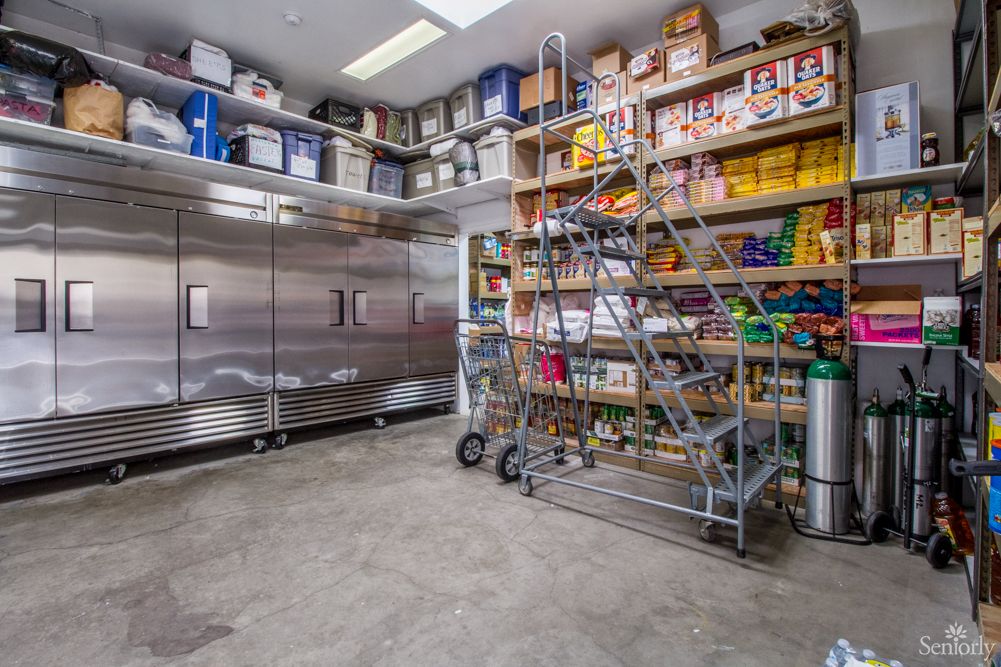
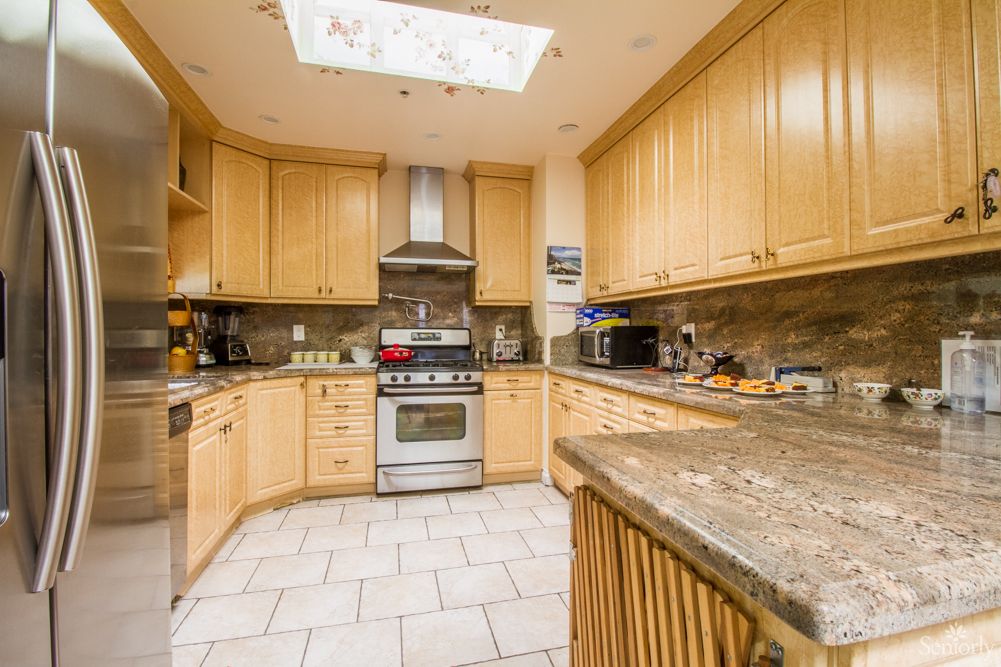
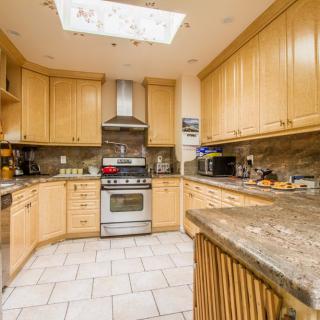
Those who may want alternatives include families prioritizing a large-scale, clinically oriented operation with abundant on-site medical specialists. Raya’s Paradise operates as a smaller facility, and while it offers nursing support and a full kitchen with a menu, it may not satisfy every heavy medical or rapid-response demand found in bigger campuses. For residents who require extensive, hospital-like medical oversight, or very active, campus-wide programs and amenities, a larger provider could feel more comprehensive. Additionally, if rapid, consistently flawless responsiveness across all communications is non-negotiable, the nature of a smaller team can present occasional gaps, despite mostly strong reliability.
On balance, the strong points far outweigh the caveats. The core strength is exceptionally compassionate staff who are experienced, efficient, and genuinely caring, cultivating a welcoming, home-like culture in which residents feel safe and valued. Case managers consistently report reliable, professional communication and smooth coordination of services, which eases the planning burden for families. Residents benefit from a robust set of amenities, healthy meals, engaging activities, field trips, and on-site nursing support, without sacrificing the intimate attention that characterizes smaller homes. The dementia-care approach stands out: staff learn triggers, tailor responses, and establish routines that reduce agitation while preserving dignity.
Multiple testimonies reinforce Raya’s Paradise as a durable, long-term solution. One family notes a stay of almost six years, highlighting responsive care, abundant activities, and the personal attention that kept their loved one safe and comfortable. Another colorfully details staff responsiveness and the way everyday moments, such as a resident choosing to eat, are handled with tenderness and respect. A case-management professional ranks Raya’s Paradise among the best small facilities in Los Angeles, praising its safety, dignity, and home-like atmosphere, and several families underscore the stability evident in long-tenured teams and consistent care. The combination of professional competence and genuine warmth contributes to outcomes that feel life-affirming rather than transactional.
Practical decision-making steps should center on a targeted tour with a concrete checklist: inquire about current staff-to-resident ratios, especially during evenings and weekends; confirm dementia-specific training and behavior-management plans; and review how activities are scheduled and meals planned to honor preferences while maintaining nutrition. Probe for continuity of caregiving teams, the same aides to the extent possible, and clarify how family and outside providers are kept in the loop. Verify which medical services are on-site, and explore transition plans if higher levels of care become necessary. The available experiences suggest a facility that adapts quickly to changing needs, provided expectations are clearly set and communications are proactive.
Bottom line: Raya’s Paradise offers a compelling, practical option for families seeking a trusted, intimate setting where compassionate care and a genuine sense of community take center stage. It is especially well-suited for memory care and long-term, home-like living in which residents feel seen, safe, and engaged. The primary caveat is a modest risk that a small-team environment may occasionally fall short on responsiveness; this can be mitigated through upfront conversations during the tour and ongoing, explicit communication plans. For families prioritizing scale, hospital-grade supervision, or a broad spectrum of on-site medical resources, alternative communities may feel more complete. When the priority is a warm, stable, family-forward environment, Raya’s Paradise merits serious consideration.
 11 resident community capacity
 Assisted Living
 Board and Care Home
 Memory Care
 Respite Care
 Cable or satellite TV
 Dining room
 Fully furnished
 Garden
 Housekeeping services
 Move-in coordination
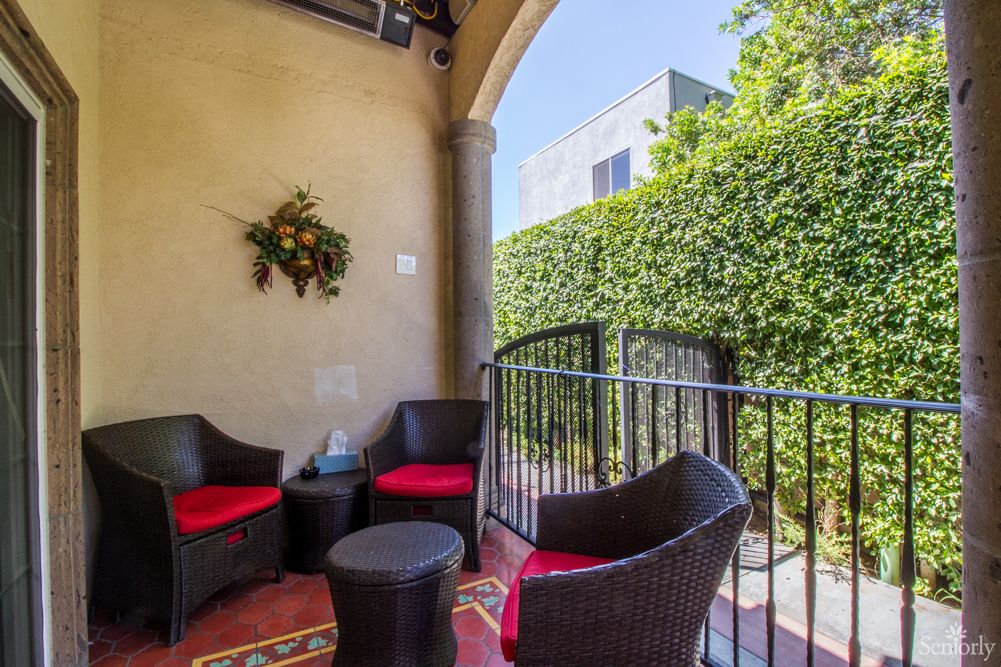
 Outdoor space
 Private
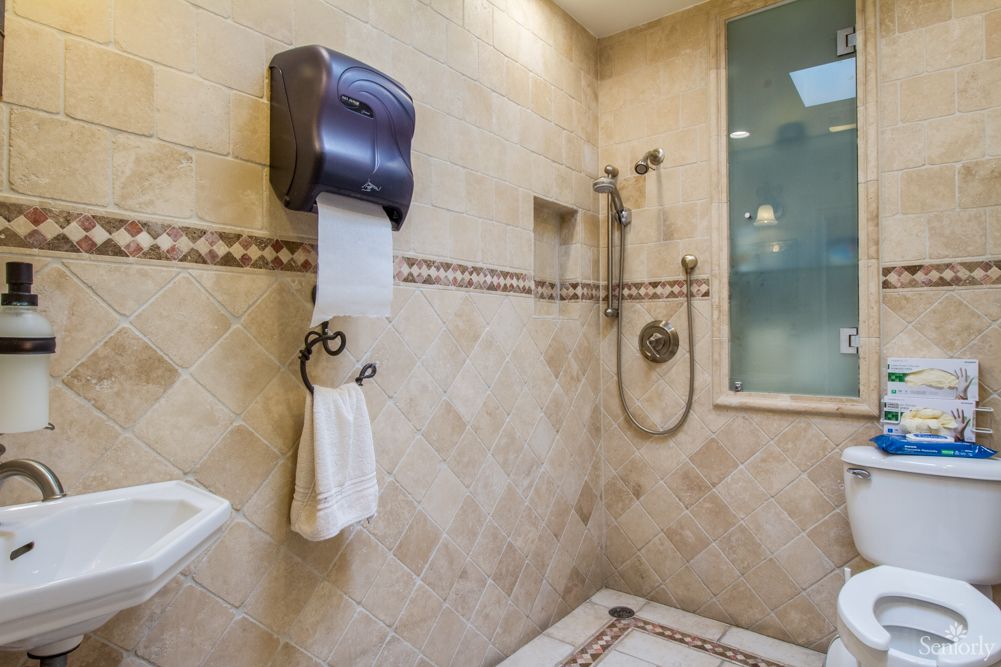
 Private bathrooms
 Small library
 Telephone
 Burbank-Glendale-Pasadena (7 miles away)
 24-hour supervision
 Activities of daily living assistance
 Assistance with bathing
 Assistance with dressing
 Assistance with transfers
 Diabetes diet
 Diabetic care
 High acuity care
 Meal preparation and service
 Medication management
 Mental wellness program
 Special dietary restrictions

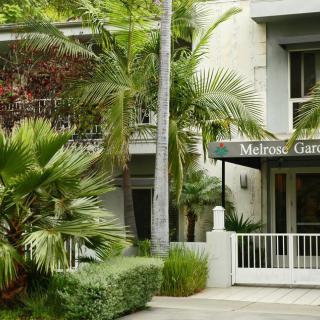
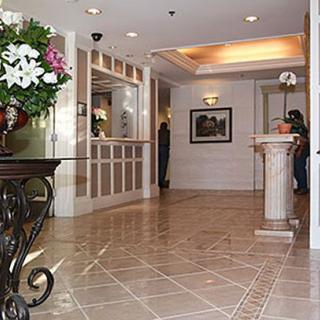
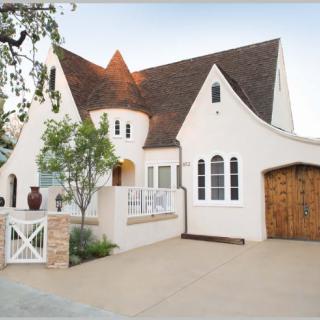


 When to Transition from Assisted Living to Memory Care: Key Indicators, Steps, and Finding the Right Community
 Understanding the Distinctions: Assisted Living and Memory Care Explained
 How to Communicate with a Loved One Living with Dementia: 10 Supportive Strategies