
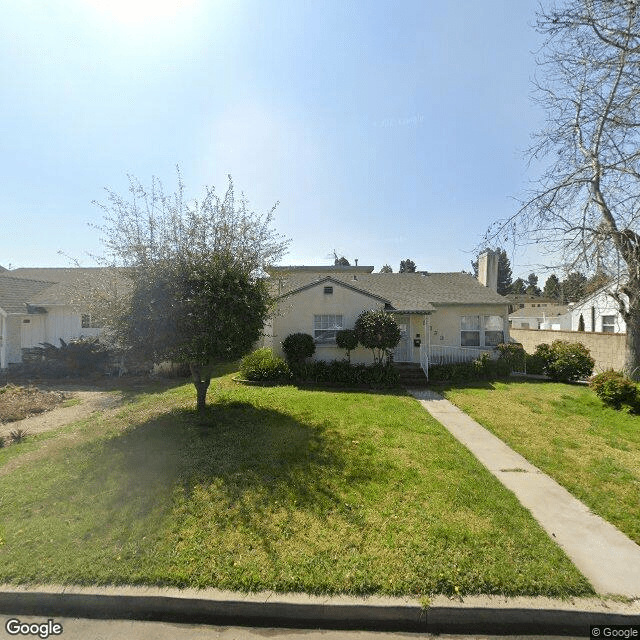
5332 East Greenmeadow Street, Long Beach, CA 90808
For more information about senior living options: (866) 208-4318
Douglas Residential Care Costs & Pricing
Douglas Residential Care offers a competitive monthly rate of $2,700 for its semi-private rooms, which is notably lower than the average costs in both Orange County and the wider California region. In contrast, residents can expect to pay approximately $3,431 in Orange County and around $3,333 across the state. This affordability positions Douglas Residential Care as an attractive option for those seeking quality care without the financial strain often associated with similar facilities in more expensive markets. Overall, this balance of cost and value makes Douglas an appealing choice for families looking for residential care solutions that prioritize both well-being and budget considerations.
| Floor plans | Douglas Residential Care | Orange County | California |
|---|---|---|---|
| Semi-Private | $2,700 | $3,431 | $3,333 |
Memory care communities with a similar price nearby
-
from +$100 / mo
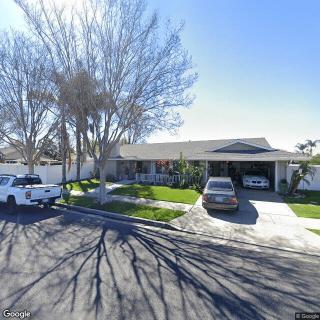
Candlewood Care Home III
$2,800 to $3,400 / month19.7 miles away -
from -$300 / mo
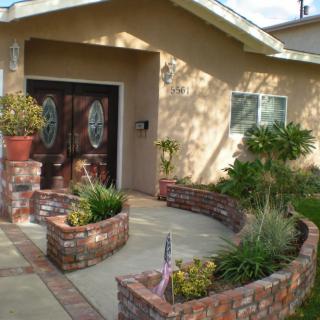
Living Well Care Home
$2,400 to $3,200 / month2.2 miles away -
from +$100 / mo
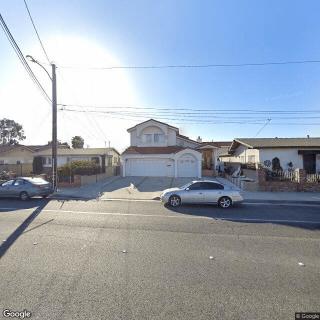
Leah Loving Elderly Care
$2,800 to $3,000 / month13.4 miles away -
About the same
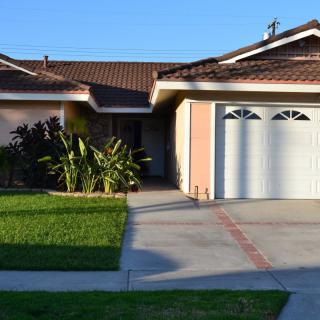
Loving Care Senior Home
$2,700 to $3,500 / month13.4 miles away -
from -$400 / mo
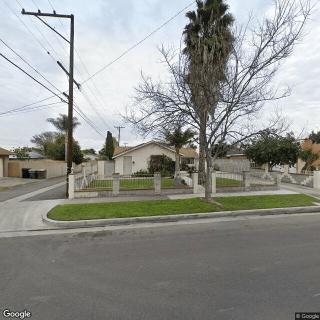
Bronwyn Residential Care
$2,300 to $3,500 / month8.1 miles away
Overall Review of Douglas Residential Care
Pros
 The house was clean and the staff were nice.
- The den area for TV viewing was large and welcoming.
- Care is top notch.
- The facility is clean.
- The staff are skilled and friendly.
- The new owner is very accommodating.
- The price is very reasonable.
- The home was very clean and did not have an odor when entering.
- The staff are very nice and very committed to the patients.
Cons
 The rates were higher than expected and the shared bedroom was small.
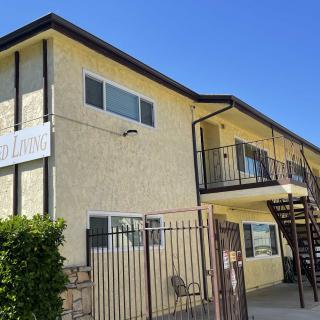
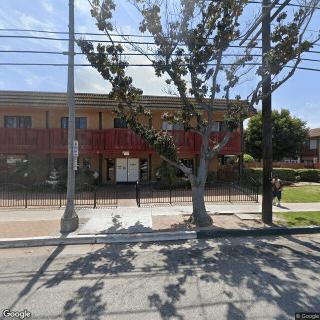
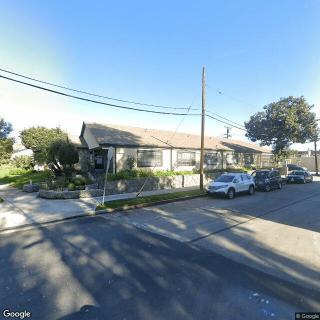
- The home was not well kept; the exterior and interior needed painting and new furniture.
- The place is terrible; the owner/administrator cannot keep competent workers, is rude and condescending, and provides poor or nonexisting care.
- They refused to return half the money to the estate, charging for every little thing, and the resident was over sedated.
- The facility is cramped with no central air.
- The manager could not provide firm pricing, and the facility could not accommodate both parents.
Review
Douglas Residential Care in Long Beach is best suited for seniors who prize a small, home-like setting where staff know residents well and care is delivered with personal attention. This community works for families seeking a close-knit atmosphere, straightforward daily routines, and a setting that feels reachable and intimate rather than institutional. For loved ones who can participate in daily activities with moderate assistance and who do not require high-acuity medical oversight, the vibe and pace here can feel reassuring and manageable.
People who need more than what a small, family-style home can reliably provide should consider alternatives. Several reviews flag concerns about governance and consistency when a resident declines or requires more complex assistance. If medications, behavioral management, or frequent high-level nursing tasks are part of the plan, or if transparent, predictable pricing is non-negotiable, other options with clearer clinical oversight and stronger contractual protections may be safer bets.
The strongest positives focus on cleanliness, a friendly staff, and the appeal of a compact, personalized setting. The facility is described as welcoming and free of odors, with caregivers who are consistently courteous and skilled. A notable note is the fresh ownership and a manager who has shown flexibility and responsiveness, which can translate into a more accommodating experience for families negotiating care needs and schedules. When these elements align, residents receive attentive, hands-on care in a setting that feels more like a home than a facility.
Yet the drawbacks are real and should not be downplayed. Several reviews point to cramped quarters and a lack of central air, along with a need for painting and updated furnishings. Pricing remains an area of ambiguity for some families, with accounts of contracts that feel onerous or opaque and requests for multiple add-ons that inflate the monthly rate. One particularly troubling account describes inadequate competence in basic caregiving tasks and disputes over refunds, underscoring a risk if governance falters or staff turnover disrupts consistency. These factors can undermine what otherwise might be a solid arrangement for the right resident.
In practice, the pros can offset the cons for the right resident when the emphasis is on daily warmth, stable staffing, and a genuinely small-community experience. A smaller home often translates to more direct oversight, quicker communication with caregivers, and a sense of belonging that larger campuses struggle to replicate. If the primary need is companionship, routine, and attentive, friendly care rather than advanced clinical management, these advantages deserve serious weight. However, the potential downsides, maintenance gaps, uncertain pricing, and the possibility of less robust medical or behavioral support, mean vigilance is essential in the decision process.
Families weighing Douglas should approach with a clear checklist: tour with a focus on how care plans are executed day to day, request a detailed, written pricing breakdown, probe the administrator about staffing ratios and RN availability, and inspect actual rooms and common areas for comfort and upkeep. Ask for recent references from families with similar care needs, and review the contract line by line to understand what is included versus what incurs extra charges. If a loved one requires more intensive supervision, or if a fully transparent, predictable financial structure is paramount, it may be prudent to explore other options first. Douglas Residential Care can be a strong fit for the right person, but it demands careful alignment of care expectations, governance, and home environment.
 6 resident community capacity
 Assisted Living
 Board and Care Home
 Memory Care
 Respite Care
 Cable or satellite TV
 Dining room
 Fully furnished
 Garden
 Housekeeping services
 Move-in coordination
 Outdoor space
 Telephone
 Wi-Fi/high-speed internet available
 Long Beach (Daugherty) (2 miles away)
 24-hour supervision
 Activities of daily living assistance
 Ambulatory care
 Assistance with bathing
 Assistance with dressing
 Assistance with transfers
 Diabetes diet
 Incontinence care
 Meal preparation and service
 Medication management
 Special dietary restrictions
 Transportation arrangement (medical)
 Transportation to doctors appointments


 Delving into the Inner World of Dementia: Insights into Thoughts and Awareness
 Five Subtle Dementia Indicators to Observe: An In-Depth Guide to Understanding “Does My Mom Have Dementia?”
 Dementia, Paranoia, and Caregiver Guidance: Understanding the Connection