
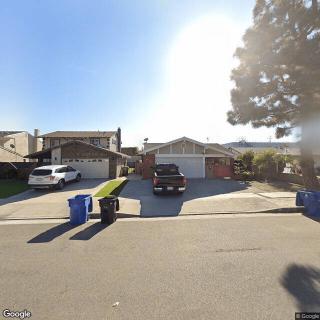
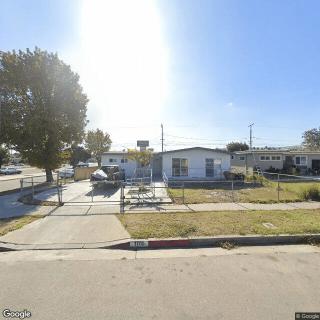
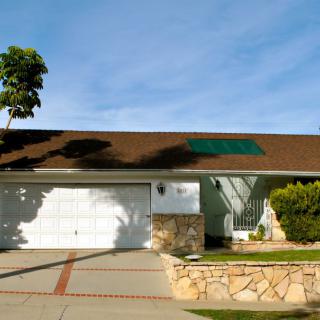
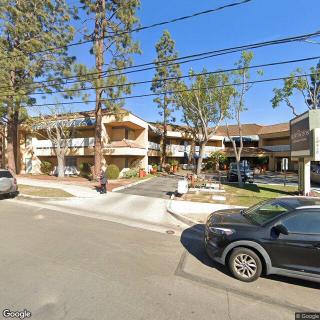
1711 West 243Rd Street, Lomita, CA 90717
For more information about senior living options: (866) 208-4318
Overall Review of Lomita Terrace Guest Home
Pros
 The home is perfect for her aunt.
- She made lifelong friends in the caring, well-kept home.
- She loved to paint and could paint and teach others.
- She has been happy living at Coral Tree.
- The dedicated care team does an exceptional job of keeping her blood pressure in check and providing personal, attentive support.
- The caregivers prepare fresh, delicious meals every day.
- She has independence to enjoy her own private room and a peaceful courtyard.
- She enjoys afternoons playing dominoes and cards, and the sense of community is evident.
- The home is quiet and calm, a perfect place to live.
- Coral Tree is more affordable than many larger facilities nearby.
- The location is incredibly convenient for visits.
- Coral Tree provides a sense of peace and a comfortable life.
Review
This community is best suited for seniors who want a true home-like experience: private living space, a calm, intimate setting, and daily life shaped by personal attention and neighborly warmth. The most compelling cases come from families that value meaningful social connection, creative activity, and dependable care in a small, well-kept home. Residents who thrive here tend to build lasting friendships, enjoy simple pleasures, like painting or Mahjong, and appreciate a pace of life that feels like a thoughtfully managed family residence rather than a clinical campus. For a loved one who prize stability, comfort, and frequent, hands-on staff care, Lomita Terrace is an excellent fit.
Those weighing alternatives should note who may not be ideal here. Families confronting significant medical complexity, the need for 24/7 on-site nursing, or highly specialized memory-care programming may want options with larger staffing pools and broader on-site capabilities. If a loved one requires intensive clinical oversight, frequent transportation to medical appointments, or a more structured day-to-day dementia program, a bigger facility or a campus with dedicated memory-care wings could be a better match. Also, if ongoing access to a wide range of on-site therapies, extensive activity calendars, or robust hospital partnerships is a priority, consider facilities with those built-in resources.
The strongest points clearly align with the intimate, caregiver-led model. Caregivers feel warm and welcoming, and the environment stays clean, quiet, and thoughtfully furnished, which translates into high-need reassurance for families. Fresh, daily meals that are both appealing and nourishing remove dietary worries, while private rooms preserve a sense of individual dignity and freedom. The courtyard and other common spaces foster casual social interaction, and structured activities, card games, crafts, chair yoga, and friendly competitive games, sustain cognitive and social engagement. The combination of personal attention and a real sense of community is repeatedly highlighted as a distinctive upside.
Yet the small, home-like format can present limitations that families should assess upfront. While staff tend to be attentive, the scale may mean fewer on-site medical resources or fewer available specialists than in larger facilities. If a resident’s health fluctuates or a rapid escalation of care is needed, arrangements for higher-level medical support can require more planning and coordination outside the home. Transportation and access to hospital networks may also be more dependent on family involvement or external arrangements than in larger campuses with formal transfer protocols. These are not stated deficits, but practical considerations to confirm before committing.
The compensating strengths are meaningful enough to tilt the balance toward choosing this setting for many seniors. The highly personalized care is crystallized in daily routines, meals, and social programming that feel tailor-made rather than pre-packaged. The environment’s calmness supports steady functioning and reduces anxiety for both residents and families. Affordability relative to bigger facilities matters here, enabling access to quality care without the premium price tag often found on larger campuses. Location adds another win, making routine visits or spontaneous outings with a loved one convenient and low-stress, which reinforces overall quality of life and continuity for families.
In the end, families should enter with clear, concrete questions: what is the exact staff-to-resident ratio across shifts, what medical services are available on-site, and how are health changes managed or escalated? What memory-care supports exist if needed, and how flexible is programming for cognitive or physical limitations? How seamless is coordination with local hospitals, and what are the options if a higher level of care becomes necessary? If the aim is a warm, intimate setting where care feels personal, meals delight, and social ties flourish in a tranquil environment, Lomita Terrace Guest Home emerges as a strong, practical choice. For those prioritizing medical heft, specialized dementia programming, or larger-scale resources, exploring alternatives is advisable.
 6 resident community capacity
 Assisted Living
 Cable or satellite TV
 Dining room
 Fully furnished
 Garden
 Housekeeping services
 Move-in coordination
 Outdoor space
 Telephone
 Wi-Fi/high-speed internet available
 Long Beach (Daugherty) (9 miles away)
 24-hour supervision
 Activities of daily living assistance
 Assistance with bathing
 Assistance with dressing
 Assistance with transfers
 Diabetes diet
 Meal preparation and service
 Medication management
 Special dietary restrictions
 Transportation arrangement (medical)
 Transportation to doctors appointments
 Comprehensive Residential Support and Assisted Living Solutions for Individuals with Disabilities
 Comprehensive Supportive Living Arrangements for Adults with Disabilities
 Funding and Affording Assisted Living: A Thorough Overview