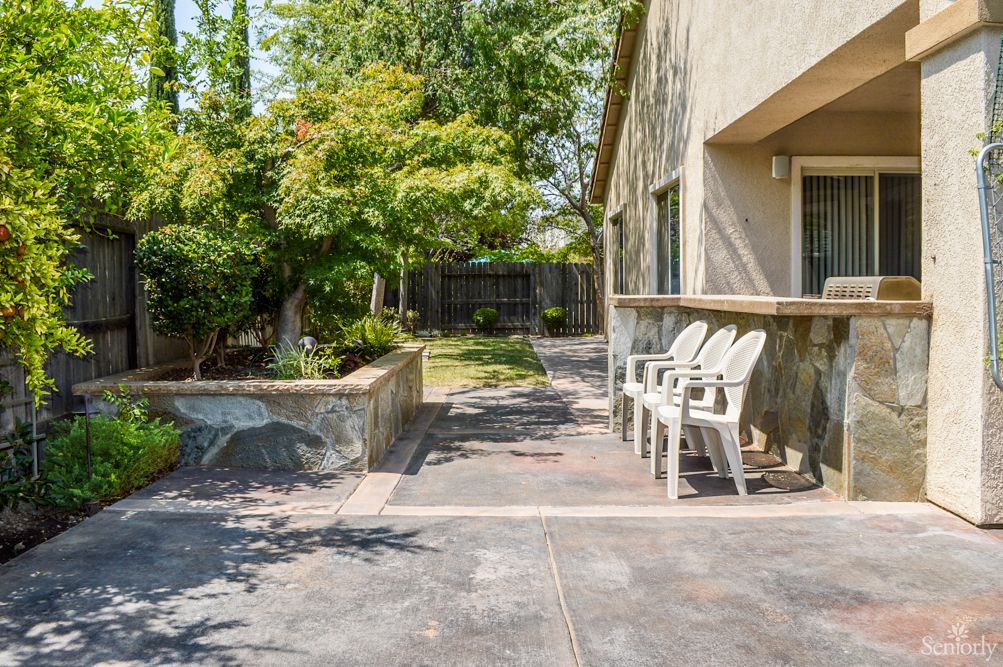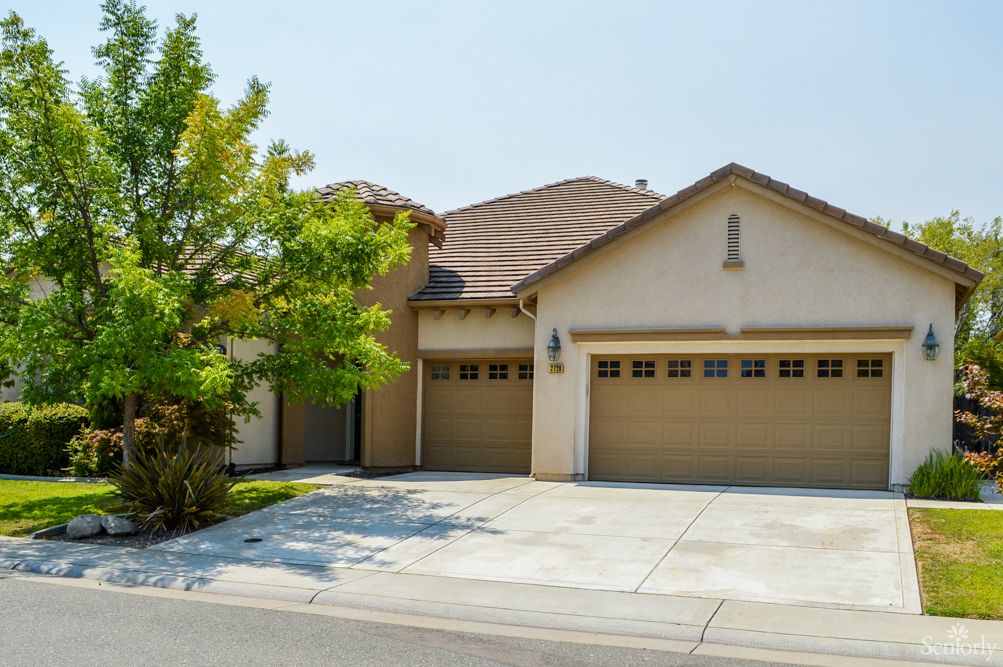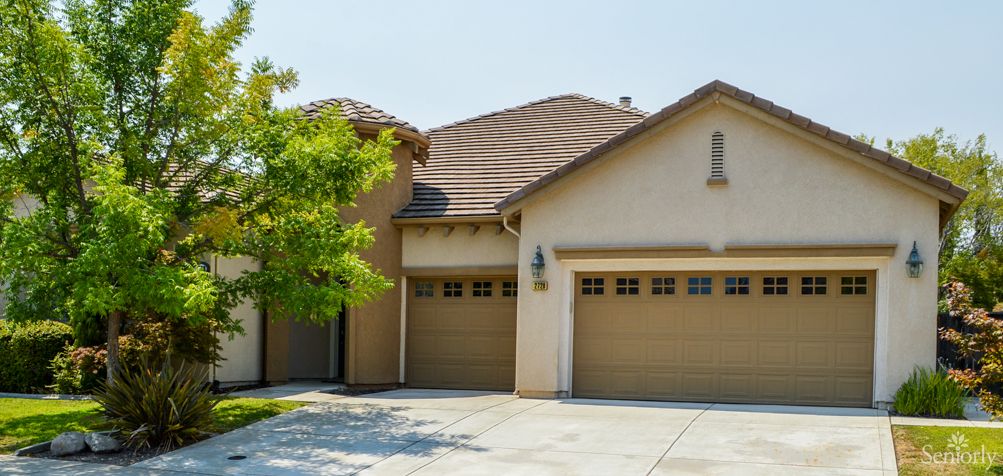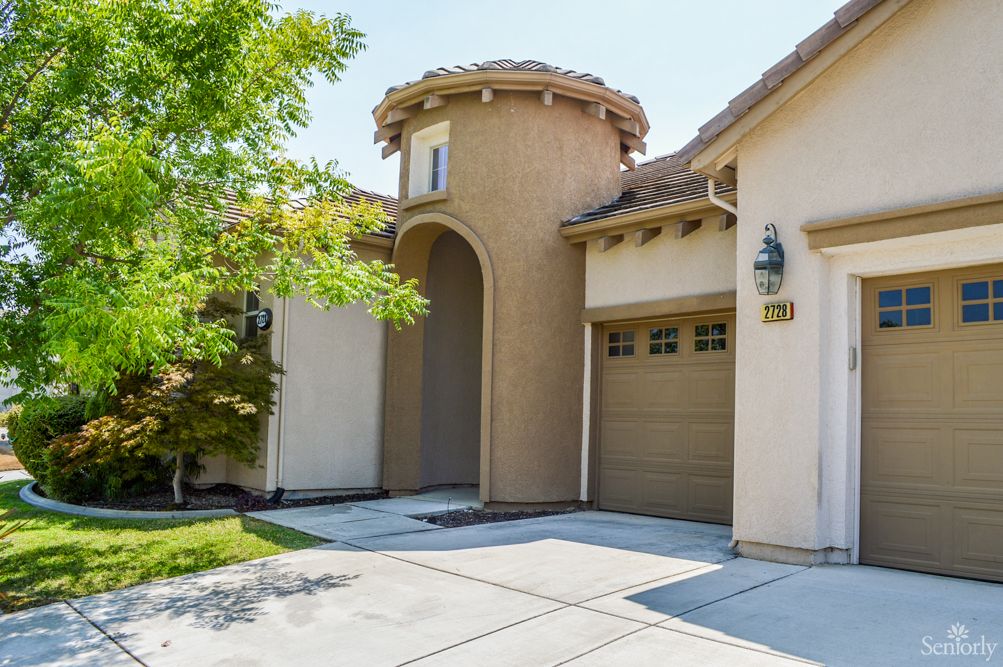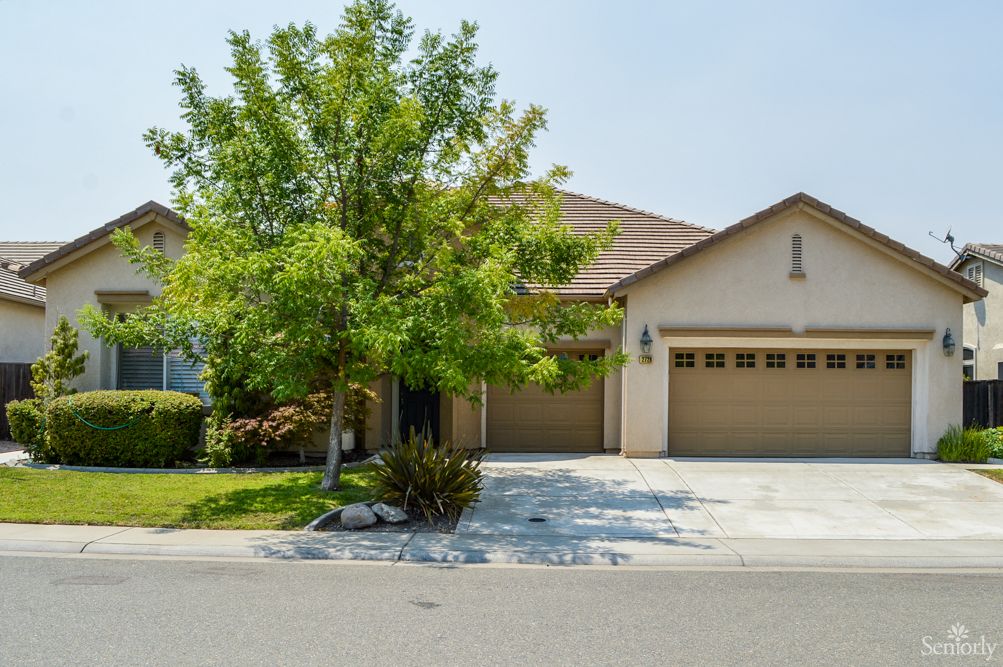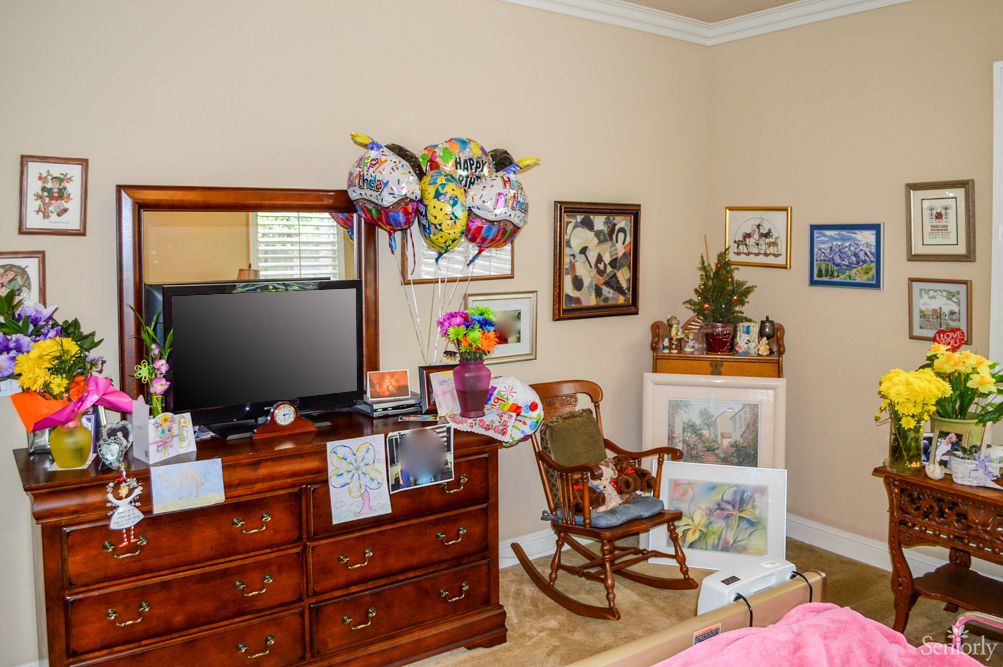
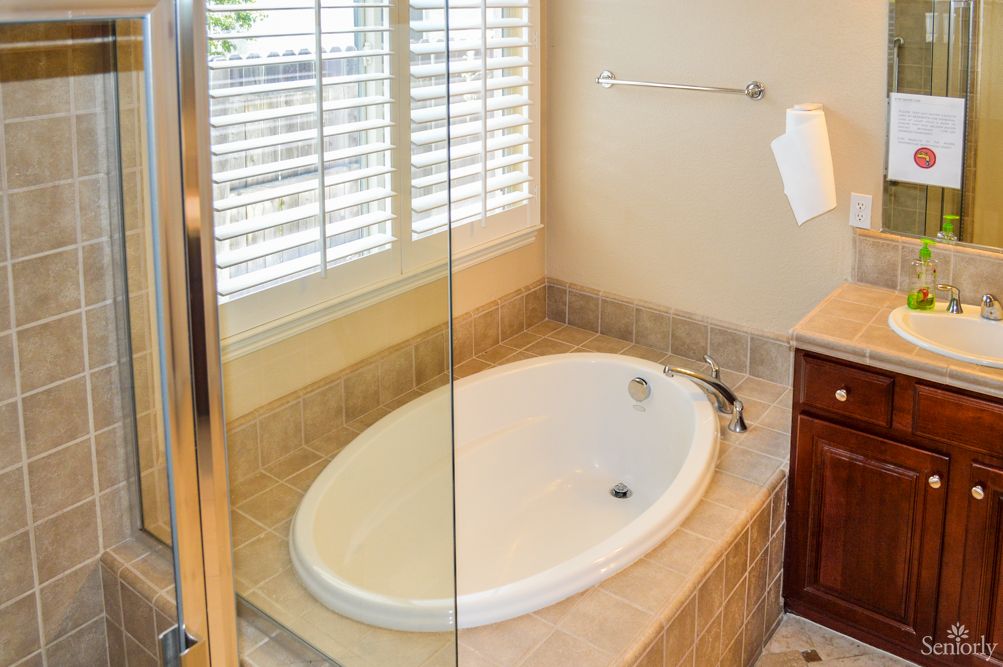
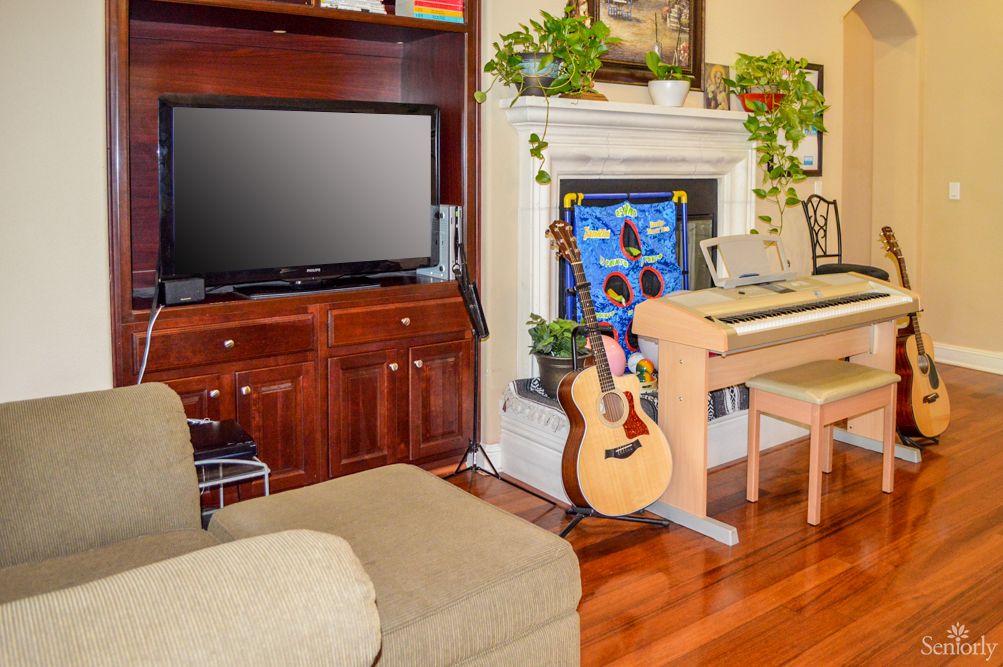


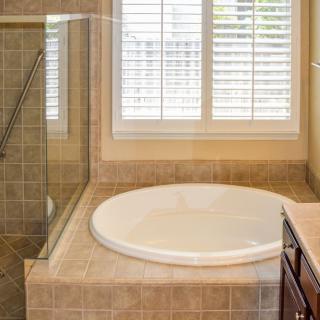

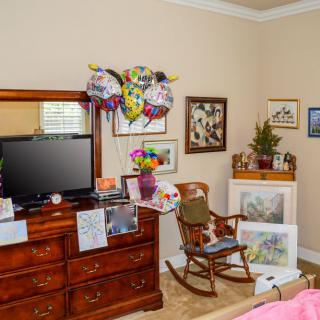
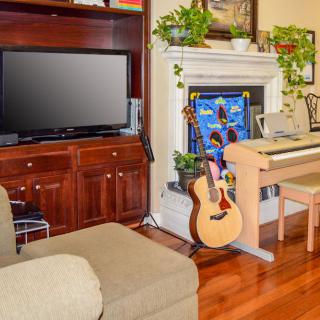
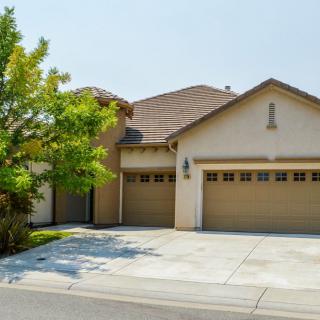


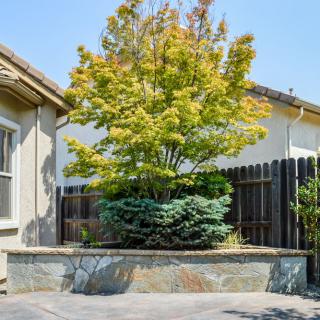
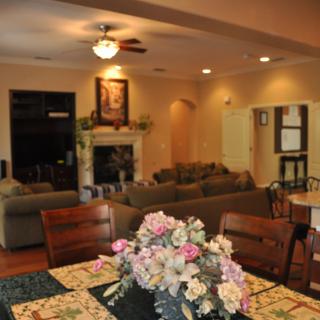
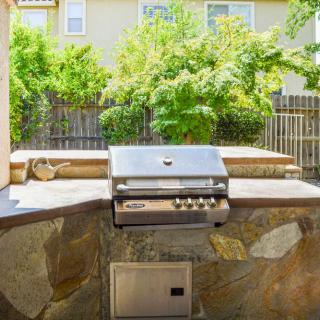
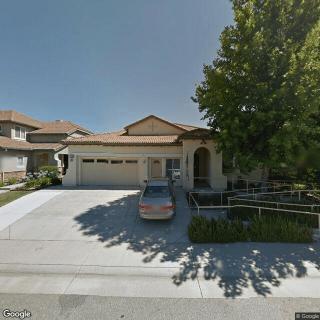
2728 Westview Drive, Lincoln, CA 95648
For more information about senior living options: (866) 208-4318
A Vip Senior Care Costs & Pricing
A Vip Senior Care offers a private room option at a monthly cost of $5,000, which is notably higher than the average costs in both Placer County and the broader state of California. In Placer County, the monthly expense for similar accommodations is approximately $4,026, while statewide averages hover around $3,939. This pricing may reflect A Vip Senior Care's commitment to providing enhanced services or specialized care tailored to seniors. Prospective residents should consider these factors along with their specific needs when evaluating options in this competitive marketplace.
| Floor plans | A Vip Senior Care | Placer County | California |
|---|---|---|---|
| Private | $5,000 | $4,026 | $3,939 |
Assisted Living communities with a similar price nearby
-
from -$500 / mo
Montclair Villa
$4,500 / month5.7 miles away -
About the same
Bethesda Senior Care
$5,000 / month12.1 miles away -
About the same
Friendly Care Home II
$5,000 / month11.5 miles away -
from -$500 / mo
Sunriver Senior Care
$4,500 / month14.8 miles away -
from -$850 / mo
Ferrari
$4,150 to $5,500 / month1.9 miles away
Overall Review of A Vip Senior Care
Pros
 Mom seems happy and settled since moving there.
- The food tastes good.
- The location is perfect and conveniently close to the family’s home.
- The care home is wonderful, and the family is very pleased.
- The family regards it as a great honor to have their loved one in this care home.
Cons
 Some of the residents there have dementia.
- It is a little difficult for mom to relate to them.
Review
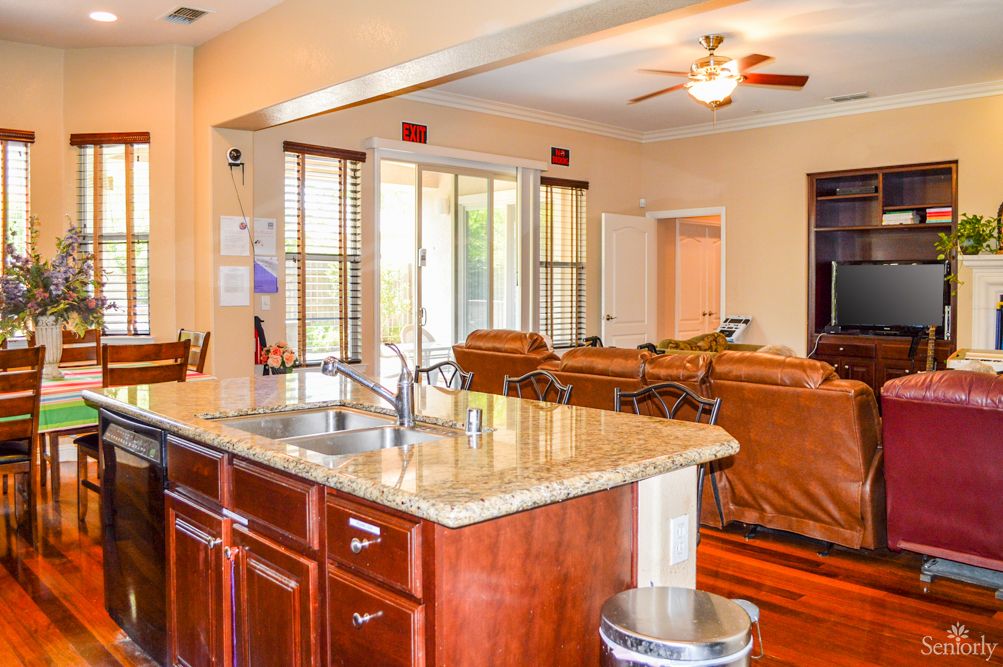
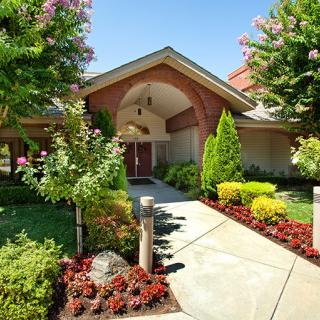
A Vip Senior Care in Lincoln is best suited for families seeking a small, home-like assisted living option that is conveniently located near family residences and comfortable for a senior who prefers a quiet, low-stimulation routine. The setting comes across as intimate, a care home rather than a sprawling campus, with residents who largely appear settled and supported. The proximity to the family’s home in Lincoln is highlighted as a practical, almost indispensable perk, underscoring the value of daily family involvement and quick access for visits and assistance.
From the small sample, the core strengths are clear: the loved one moved in and has become happy and settled, a sign of stable routines and attentive care. The food is described as fine and tasty enough to support regular meal satisfaction, a simple yet essential component of daily well-being. The setting’s practical advantages, being a short distance from home, make ongoing visits feasible and stress-free, reinforcing a sense of security for both resident and family. The phrasing 'wonderful care home' and 'great honor' from families signals genuine engagement and respect in caregiving, which translates into consistent, compassionate day-to-day support.
However, the environment includes residents with dementia, which can complicate social interaction for someone who would prefer more straightforward engagement. The review notes mom keeps to herself, which is not a failure of care but a reality that may matter to families who want more outward social activity or more structured memory-care programming. The lack of explicit detail about nursing oversight, specialized dementia services, or a robust activity calendar leaves questions for families who require deeper clinical support or more active stimulation beyond a quiet, home-like routine.
Those pros, nearby location, a settled resident, imagined supportive staff, dependable meals, offset the potential downsides by reducing stress and facilitating frequent family involvement. A home-like atmosphere often enhances safety and comfort for seniors who are content with a calmer pace, while proximity invites regular checks, quick intervention when needed, and meaningful family contact. For a senior who does well with smaller social circles and does not demand a high-energy environment, this balance can create a steady, predictable life.
Alternatively, families should consider other options if the elder’s needs include robust memory-care programming, stronger 24/7 nursing coverage, or a more active social calendar. Larger assisted-living communities or dedicated memory-care facilities may offer structured cognitive-stimulation programs, more pronounced staff presence, and planned outings. If the primary criterion is medical oversight rather than emotional comfort and proximity, those facilities may be a better fit. Ultimately, the decision hinges on the resident’s tolerance for dementia among peers, desired level of physician involvement, and the family’s tolerance for a smaller, intimate setting.
Guidance for next steps: visit with a checklist focused on interactions with staff, clarity of daily routines, meal options, and the ability to tailor care plans to dementia-related needs. Inquire about staff-to-resident ratios, memory-care training, and the schedule of activities. Ensure a roommate or privacy preferences align with the resident’s comfort. For families valuing a dependable, nearby home-like environment and a positive feel from those already involved, A Vip Senior Care offers a straightforward option that can deliver meaningful peace of mind, provided the resident’s needs align with a calmer, intimate community rather than a more specialized memory-care setting.
 6 resident community capacity
 Assisted Living
 Board and Care Home
 Respite Care
 Cats allowed
 Dogs allowed
 Activities off-site
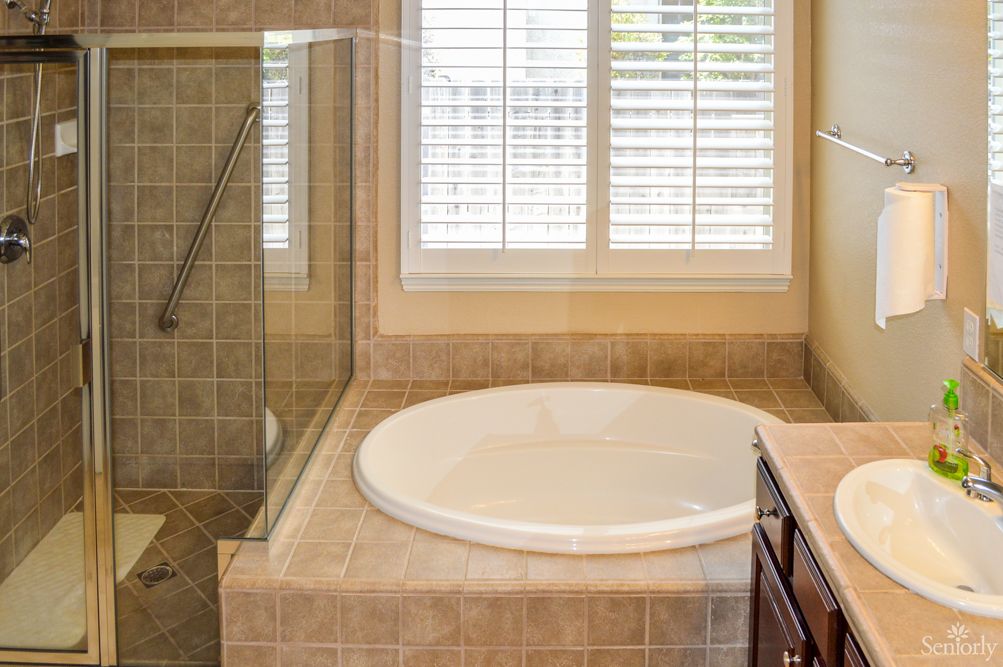
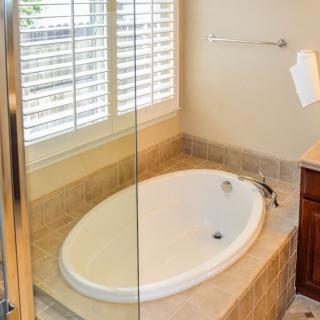
 Bath tubs
 Cable or satellite TV
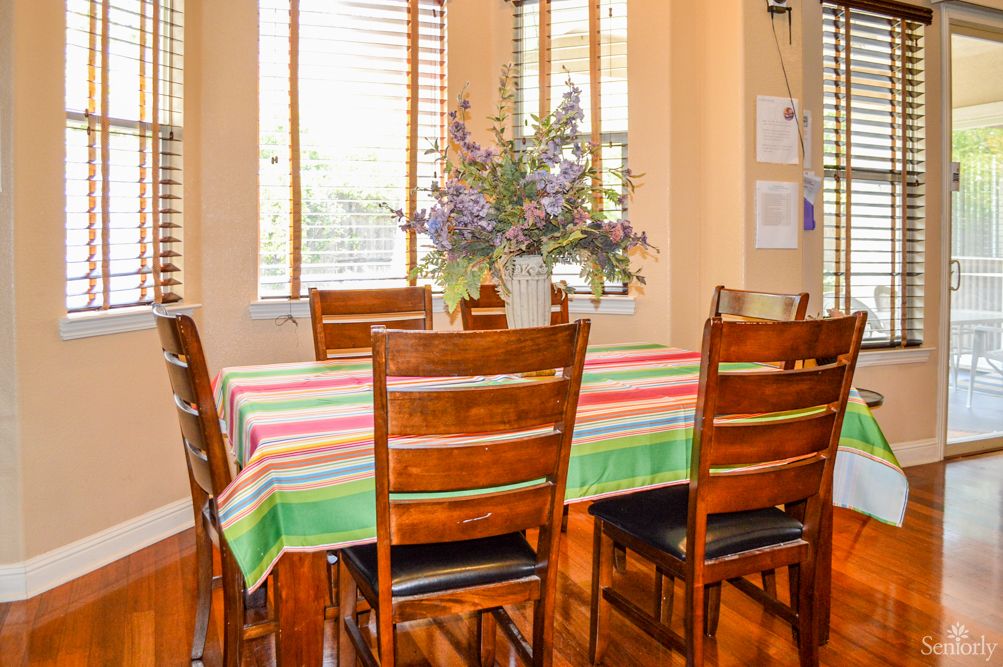
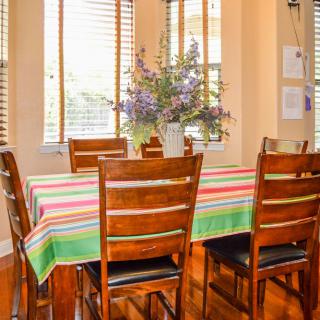
 Dining room
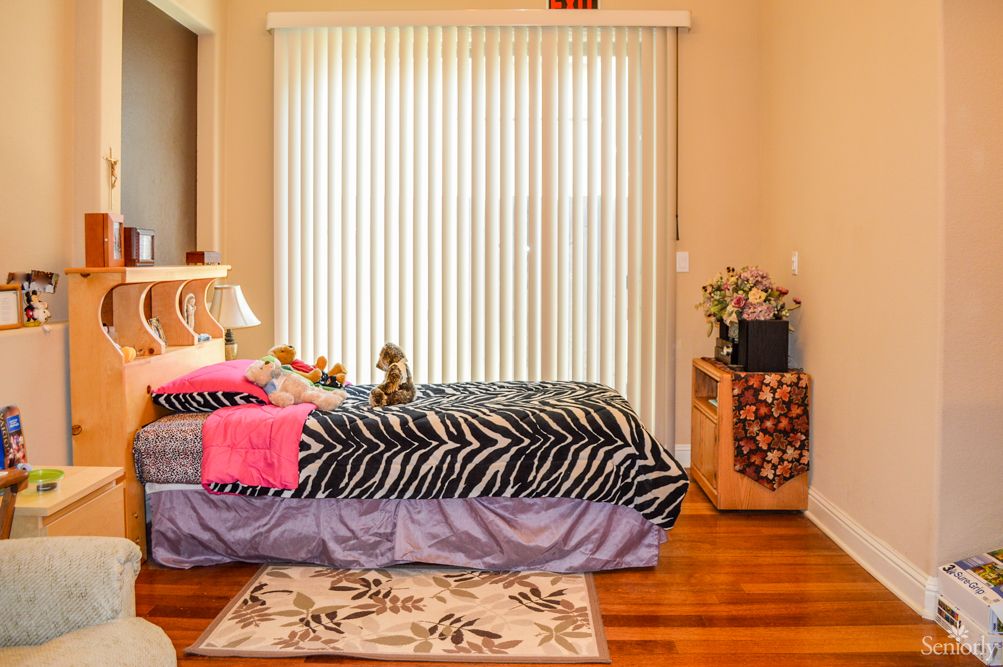
 Fully furnished
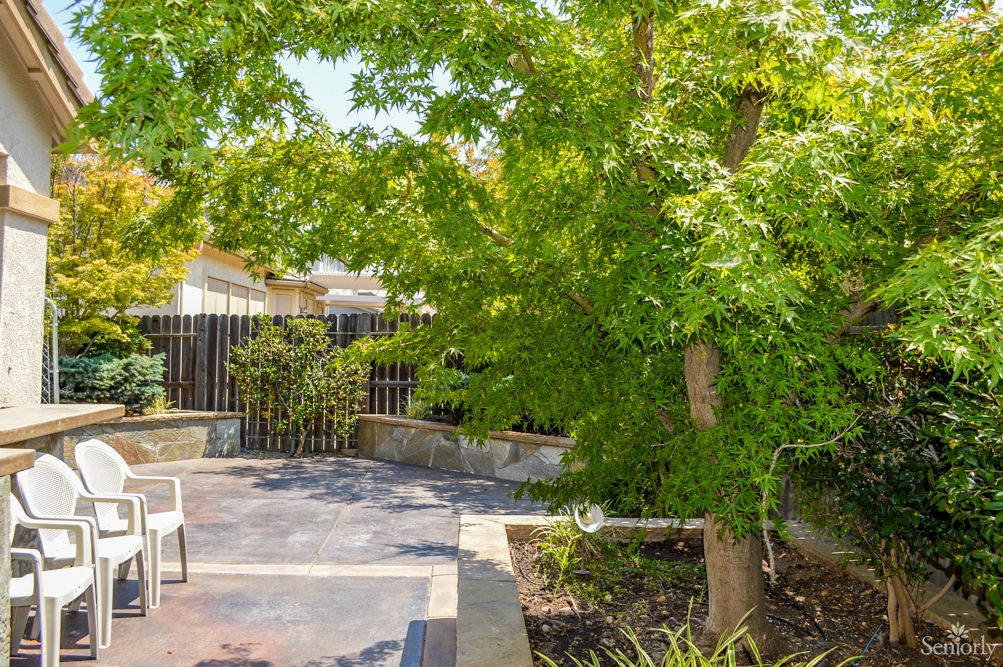
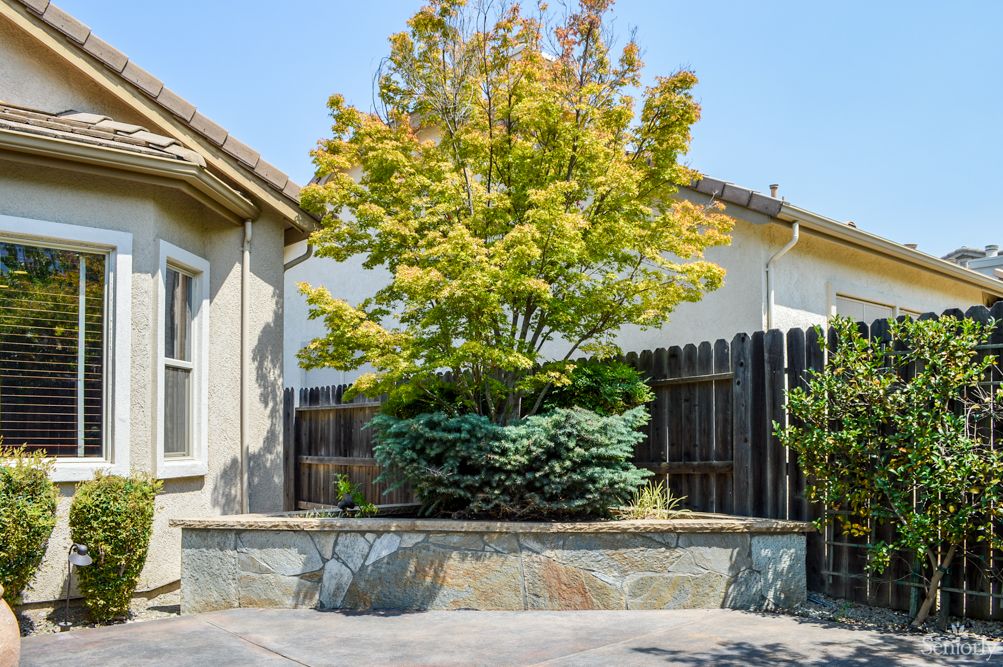
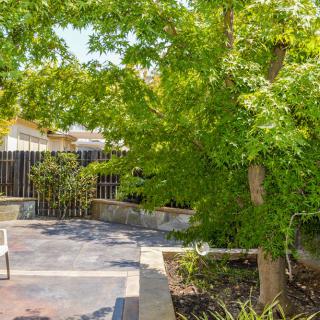
 Garden
 Housekeeping services
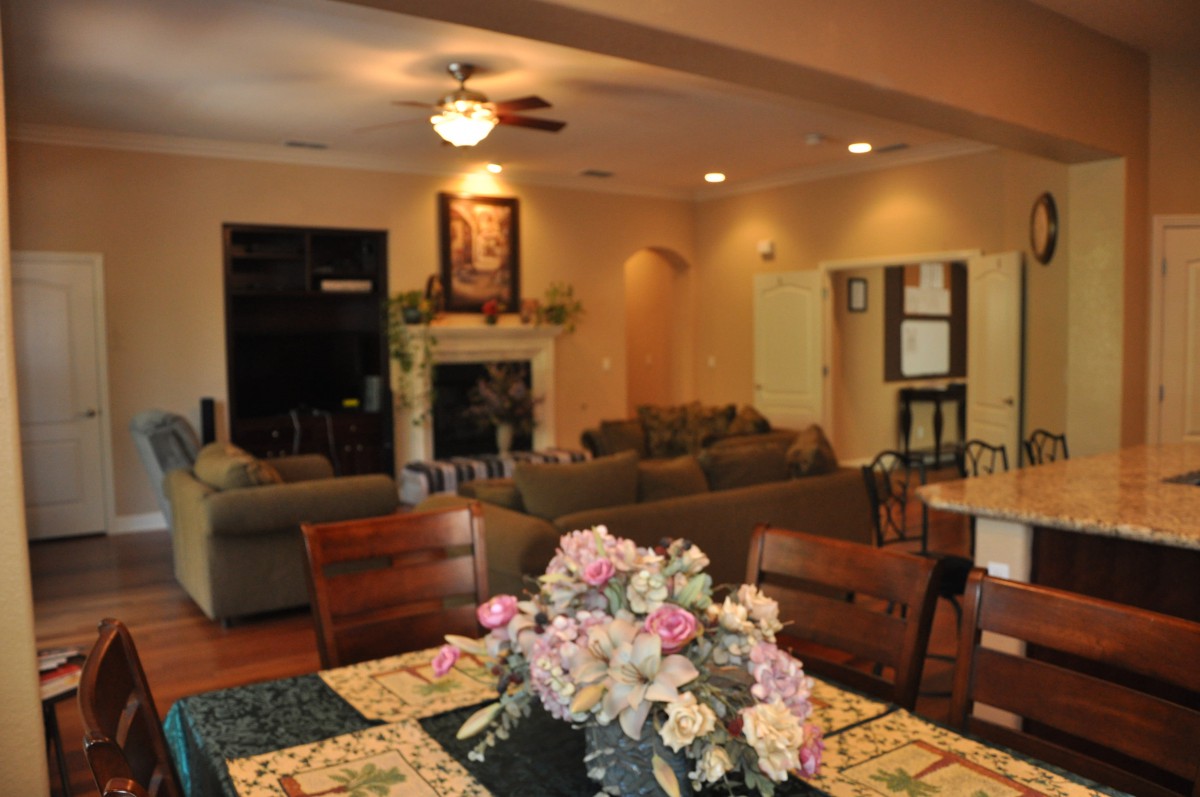
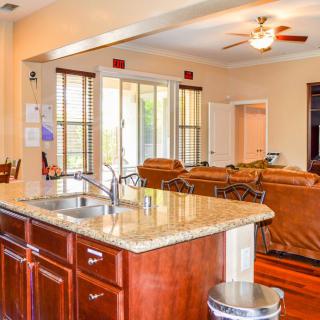
 Indoor common areas
 Move-in coordination
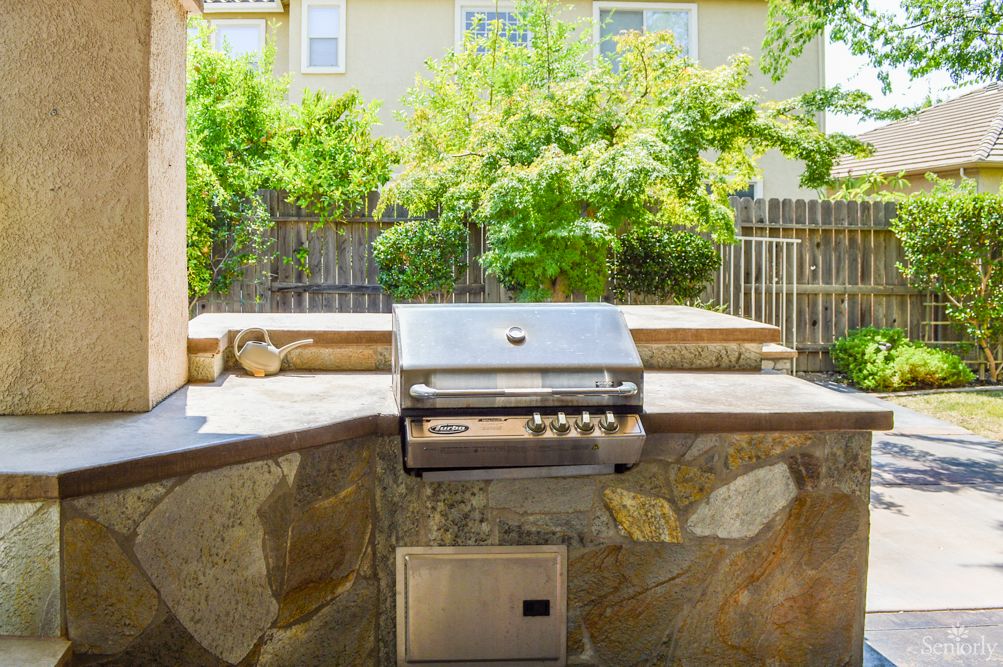
 Outdoor common areas
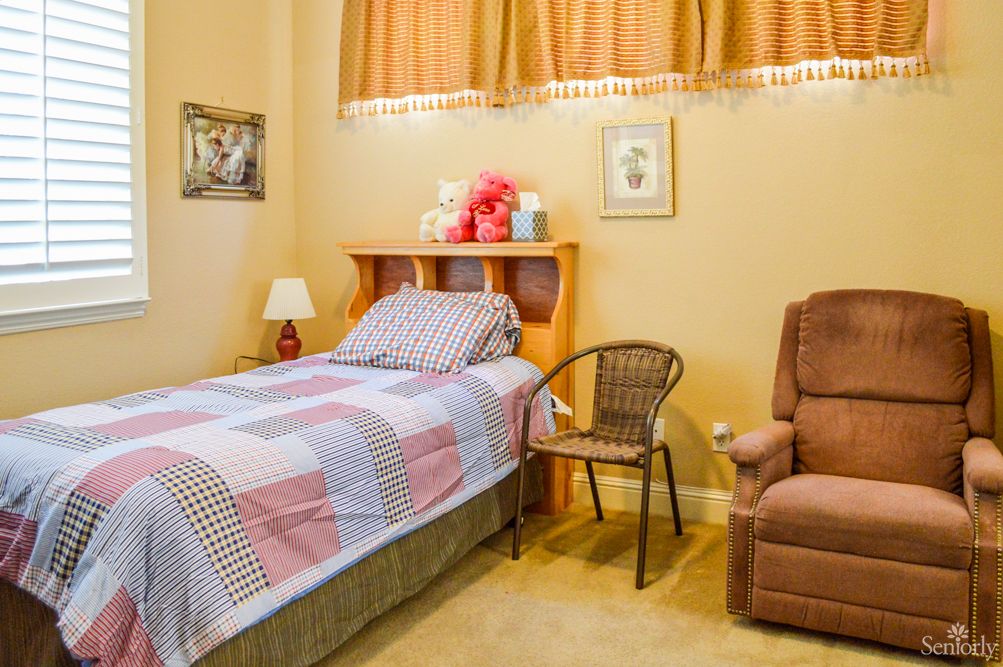
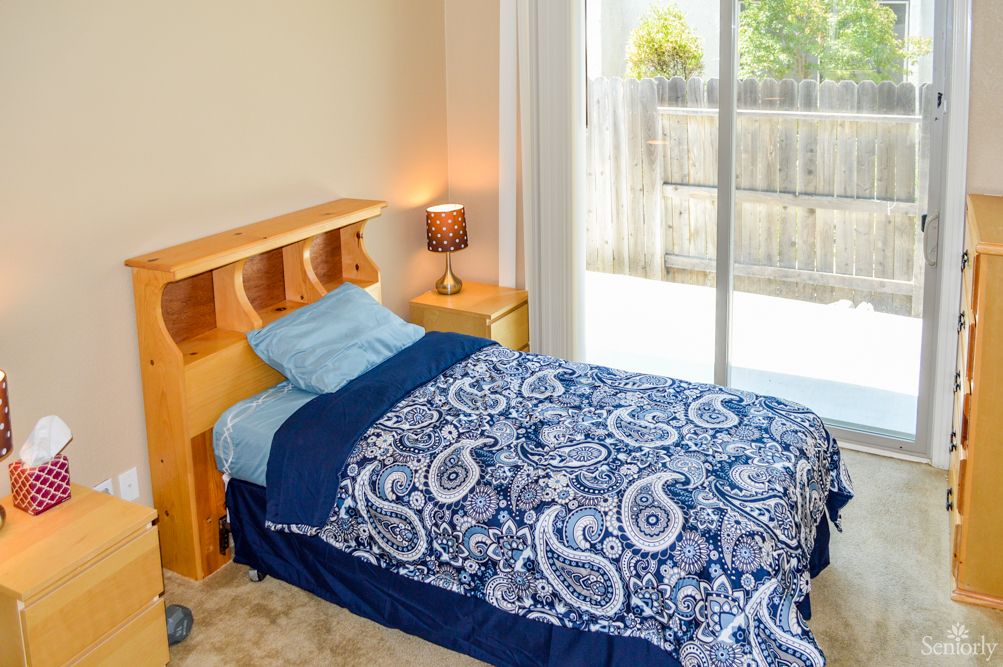
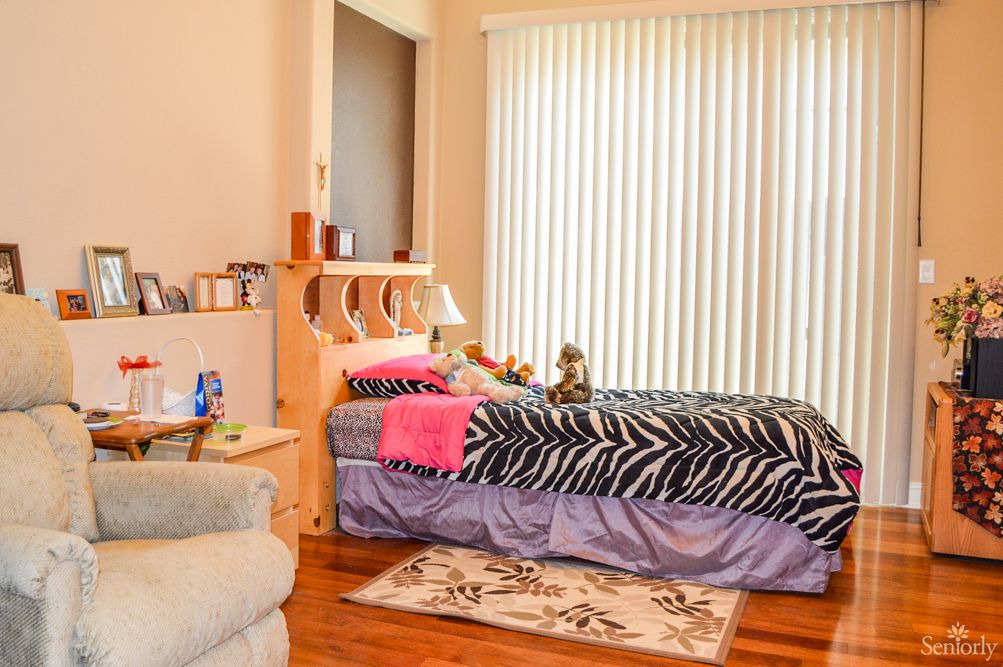
 Private
 Private bathrooms
 Small library
 Telephone
 Sacramento International (19 miles away)
 24-hour supervision
 Ambulatory care
 Assistance with bathing
 Assistance with dressing
 Assistance with transfers
 Diabetes diet
 Diabetic care
 High acuity care
 Incontinence care
 Meal preparation and service
 Medication management
 Special dietary restrictions



 Assisted Living Support for Veterans: A Complete and Detailed Overview
 Exploring the Contrasts Between Assisted Living and Skilled Nursing
 8 Key Indicators That Suggest It May Be Time to Transition from Assisted Living to Skilled Nursing Care