
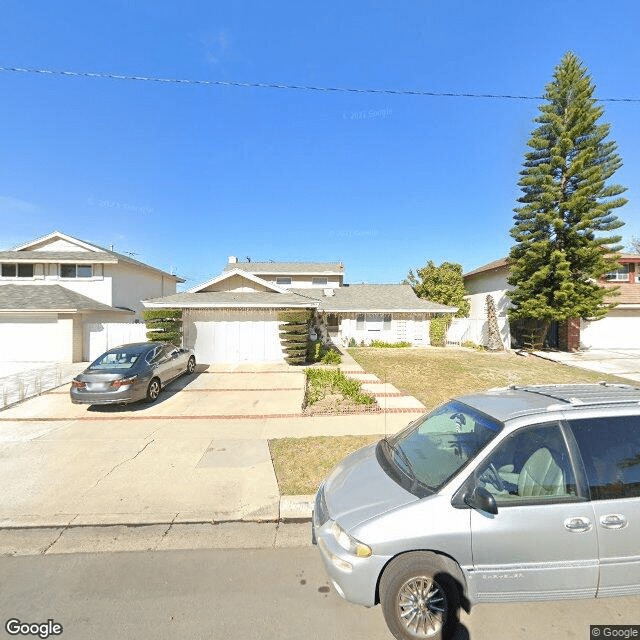
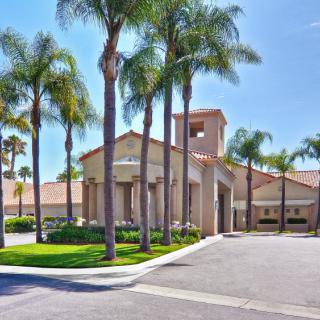
23565 Duryea Drive, Lake Forest, CA 92630
For more information about senior living options: (866) 208-4318
The Patchwork Quilt Guest Home For The Elderly Costs & Pricing
The Patchwork Quilt Guest Home for the Elderly offers competitive pricing for its accommodations compared to local and statewide averages. For a semi-private room, residents pay $2,500 per month, significantly lower than the Orange County average of $3,431 and the California state average of $3,333. Private rooms at The Patchwork Quilt are available for $3,000, which is also more affordable than the county's rate of $4,104 and the state's average of $3,939. Furthermore, their one-bedroom units are priced at $3,000 as well - again undercutting both county ($4,380) and state ($4,340) costs. Overall, this facility provides a cost-effective option while maintaining a welcoming environment for elderly residents in need of care.
| Floor plans | The Patchwork Quilt Guest Home For The Elderly | Orange County | California |
|---|---|---|---|
| Semi-Private | $2,500 | $3,431 | $3,333 |
| Private | $3,000 | $4,104 | $3,939 |
| 1 Bedroom | $3,000 | $4,380 | $4,340 |
Memory care communities with a similar price nearby
-
from +$300 / mo
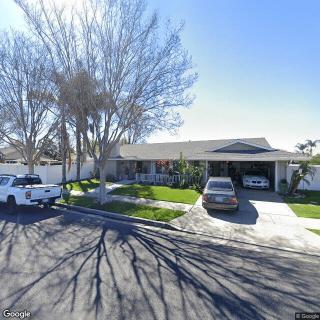
Candlewood Care Home III
$2,800 to $3,400 / month9.9 miles away -
from +$300 / mo
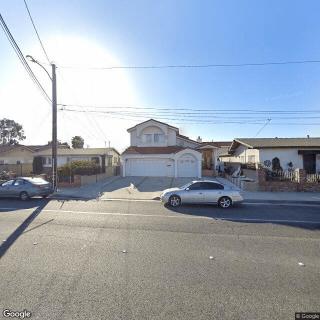
Leah Loving Elderly Care
$2,800 to $3,000 / month14.9 miles away -
from +$200 / mo
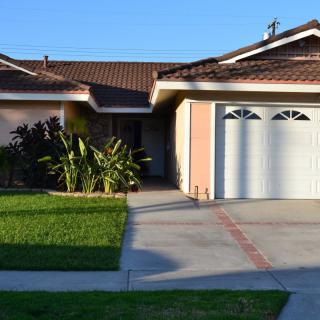
Loving Care Senior Home
$2,700 to $3,500 / month15.5 miles away -
from -$200 / mo
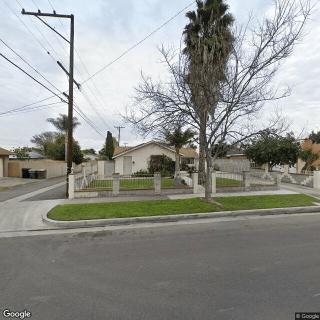
Bronwyn Residential Care
$2,300 to $3,500 / month21.3 miles away -
from +$350 / mo
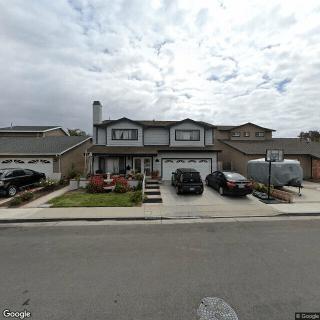
Alternative Senior Care - Freshwater
$2,850 to $3,250 / month18.3 miles away
Overall Review of The Patchwork Quilt Guest Home For The Elderly
Pros
 The caregivers are excellent, and the administrators are caring and attentive, with very competitive pricing for the quality of care.
- The home is very clean; the caregivers are wonderful, experienced in medication management, and passionate about caring for residents.
- The home is extraordinary.
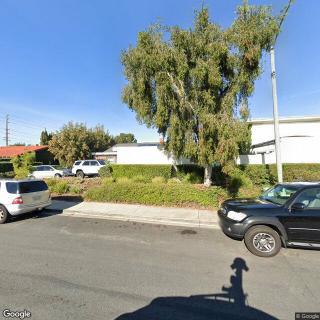
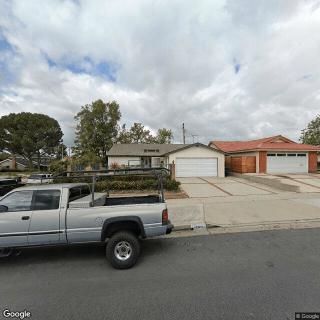
- The neighborhood is pleasant.
Review
Best suited for families seeking a warm, home-like arrangement for an aging loved one, The Patchwork Quilt Guest Home For The Elderly is a strong fit for seniors who prize attentive daily care, clean surroundings, and predictable, competitive pricing. The setting reads as intimate rather than institutional: a small house-like environment in Lake Forest where caregivers and administrators are directly involved in daily life, and where residents are treated with personalized attention. It works particularly well for individuals who want dependable medication management without paying for a larger, more corporate facility. In short, this community targets residents who want a high-touch caregiving experience in a quiet, residential neighborhood rather than a bustling campus.
Those with more intensive clinical needs or overlap with skilled nursing requirements should consider alternatives. The small-home model excels at daily caregiving and medication oversight, but it may not match the breadth of services found in larger assisted living campuses or memory-care-focused communities. If proximity to family or a specific region is non-negotiable, a closer option should be weighed; one reviewer signaled openness to other locations if a nearer choice proves unsuitable. For residents who prioritize robust social programming and a wide range of on-site activities, it’s prudent to compare schedules and offerings across options.
From the available impressions, the strongest asset is the caregiving team. Reviewers describe caregivers as excellent and attentive, with administrators who are responsive and supportive. The personnel are noted for experience in medication management, a critical point for families concerned about dosing accuracy and routine. Cleanliness is repeatedly highlighted, contributing to a sense of safety and comfort. The overall impression is of a committed, compassionate staff delivering care that feels genuine rather than transactional, and the pricing is positioned as competitive for the level of service delivered.
Yet, the format does entail trade-offs. The reviews hint at a smaller footprint, which can limit the breadth of programming and the speed with which needs can scale if medical conditions evolve. While medication management is a clear strength, families should verify the availability of on-call medical oversight, access to physicians, and how escalating needs are handled. A 3-star note signals that the experience may not be uniformly perfect for every resident, underscoring the importance of a thorough on-site assessment. Proximity concerns, as noted, also matter: the appeal of a pleasant neighborhood can be offset if family members require more frequent or longer visits than the home can accommodate.
To make a sound decision, arrange a structured visit with a checklist focused on care planning, governance, and daily routines. Confirm staffing ratios during peak hours, observe caregiver interaction with residents, and ask to review the current care plan, medication administration protocols, and the process for handling changes in condition. Request transparent pricing that itemizes what is included vs. what is add-on, and investigate what happens if a resident requires higher levels of assistance. Inquire about safety measures, incident reporting, and any opportunities for family involvement in care conferences. A candid tour will reveal whether the home’s warmth translates into consistent, reliable support.
Overall, Patchwork Quilt stands out for families who value a nurturing, clean, and affordable home environment with top-tier caregiving and precise medication oversight in a Lake Forest setting. It serves as a practical, well-rounded option for seniors who do not require extensive clinical services but insist on personal attention and a respectful, predictable routine. Those who place a premium on proximity to relatives or who anticipate escalating medical needs beyond what this format can deliver should actively compare closer or more medically oriented communities. In the right match, this community delivers meaningful peace of mind: a smaller, heartfelt home where caregivers know residents by name and where cleanliness, care quality, and fair pricing align to support lasting comfort.
 6 resident community capacity
 Assisted Living
 Board and Care Home
 Memory Care
 Cats allowed
 Dogs allowed
 Activities on-site
 Cable or satellite TV
 Dining room
 Fully furnished
 Garden
 Housekeeping services
 Indoor common areas
 Move-in coordination
 Outdoor common areas
 Private
 Respite or short term stays offered
 Telephone
 Wi-Fi/high-speed internet available
 John Wayne Orange Co (10 miles away)
 24-hour supervision
 Ambulatory care
 Assistance with bathing
 Assistance with dressing
 Assistance with transfers
 Diabetes diet
 Diabetic care
 High acuity care
 Incontinence care
 Meal preparation and service
 Medication management
 Special dietary restrictions
 Transportation arrangement (medical)
 Transportation to doctors appointments


 Five Subtle Dementia Indicators to Observe: An In-Depth Guide to Understanding “Does My Mom Have Dementia?”
 Dementia, Paranoia, and Caregiver Guidance: Understanding the Connection
 Engaging Memory Care Activities That Enhance Quality of Life