
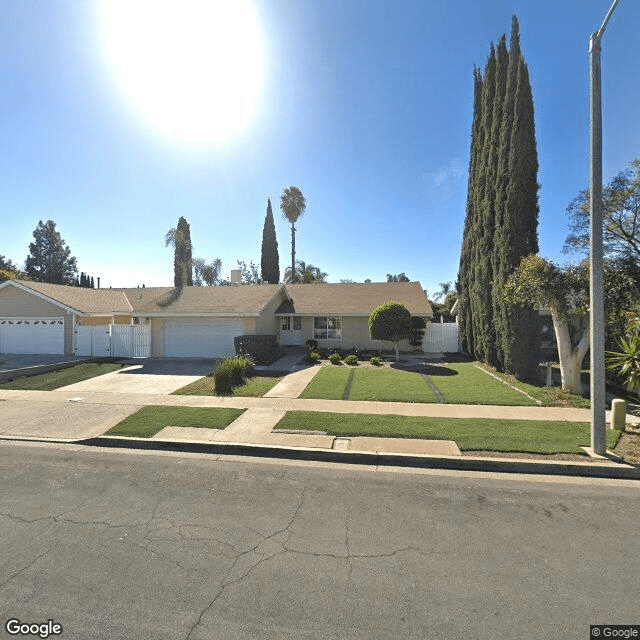
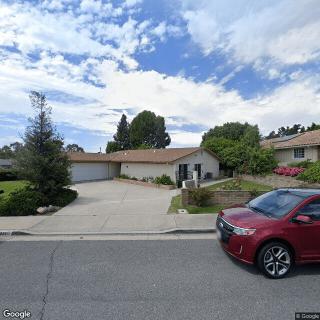
25182 Campo Rojo, Lake Forest, CA 92630
For more information about senior living options: (866) 208-4318
Patchwork Quilt Guest Home II Costs & Pricing
Patchwork Quilt Guest Home II offers competitive pricing for its accommodation options when compared to both Orange County and the broader California market. For semi-private rooms, residents can expect a monthly cost of $3,000, which is notably lower than the county average of $3,431 and even more so than the statewide average of $3,333. Private rooms at Patchwork Quilt range from $4,000 to $4,600, aligning closely with local rates, which fall at approximately $4,104 in Orange County while slightly undercutting the California average of $3,939. Additionally, their one-bedroom units are priced at $4,000 - a figure that is competitive yet slightly below both local and state averages of $4,380 and $4,340 respectively. Overall, Patchwork Quilt Guest Home II presents an appealing option for those seeking quality accommodations without straining their budget in comparison to regional costs.
| Floor plans | Patchwork Quilt Guest Home II | Orange County | California |
|---|---|---|---|
| Semi-Private | $3,000 | $3,431 | $3,333 |
| Private | $4,000 to $4,600 | $4,104 | $3,939 |
| 1 Bedroom | $4,000 | $4,380 | $4,340 |
Memory care communities with a similar price nearby
-
from -$200 / mo
Candlewood Care Home III
$2,800 to $3,400 / month9.9 miles away -
from +$500 / mo
Kun Bai Care
$3,500 to $4,500 / month23.8 miles away -
from -$200 / mo
Leah Loving Elderly Care
$2,800 to $3,000 / month15.6 miles away -
from -$300 / mo
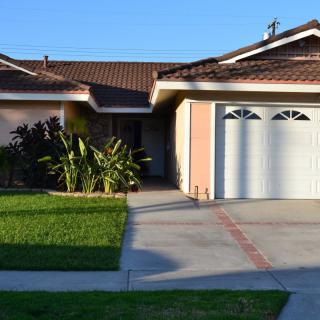
Loving Care Senior Home
$2,700 to $3,500 / month16.3 miles away -
from +$500 / mo
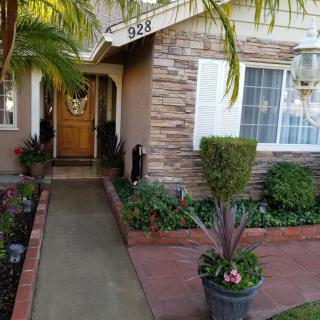
Comfort Keepers Home Care
$3,500 to $6,500 / month23.9 miles away
Overall Review of Patchwork Quilt Guest Home II
Pros
 The grandmother lived there for seven wonderful years.
- The facility was clean and beautiful, with caring, kind, and friendly staff who became her friends and advocates.
- Her last years were happy years, thanks to the home.
- The monthly cost is inexpensive for the quality of care provided.
- Most residents stay for a long time.
- The staff were very pleasant and provided lots of useful information about the community.
- The facility offers lots of great amenities and is well maintained.
Cons
 The facility was not clean.
- The rooms were not very big.
- The caregivers were not impressive.
- The food situation was not satisfactory.
- The staff did not seem competent.
Review
Patchwork Quilt Guest Home II in Lake Forest is best suited for families seeking a small, home-like assisted living setting where steady, affectionate caregiving and affordable monthly costs are priorities. The strongest case comes from long-tenured residents and families who describe the location as a clean, inviting home where staff become friends and advocates. One elder lived there seven years and is framed as having thriving, happy years under attentive, friendly care. The combination of a spotless environment and a sense of belonging created by consistent staff relationships makes this community a practical choice for families who value stability, daily familiarity, and a non-institutional atmosphere.
At the same time, a clear caveat emerges from the reviews: this may not be the right fit for everyone. A competing concern centers on room size and overall care quality. Not all feedback aligns on cleanliness and competence, with at least one account describing rooms as small and not impressed by caregivers or the food situation, indicating care gaps and a lack of satisfaction with daily living quality. Another reviewer explicitly flagged competence as an issue and said the arrangement was not adequate for a family member. Add to that the reported cost detail, shared rooms around $2,000, which, while affordable compared to some partners, still requires careful comparison with private-room options and what those prices include, to avoid surprises on continuing expenses.
The core positives, cleanliness, a warm staff vibe, and predictable, home-like routines, do offset some of the drawbacks for many residents. The property is described as well maintained with appealing amenities, and caregivers are repeatedly praised as competent and pleasant in multiple visits, which translates into dependable daily interactions and reduced caregiver turnover. For families prioritizing a quiet, intimate setting over campus-style facilities, the sense of community and the security of familiar faces can be a decisive factor. The cost advantage, when the care quality aligns with expectations, makes Patchwork Quilt II a sensible fallback option to consider before moving toward larger, more medicalized communities.
Nevertheless, families should approach the decision with specific, action-oriented questions. Inquire about consistent staffing levels and training, especially for shifts where turnover might be higher. Seek a transparent menu and actual meal examples to verify whether dining matches expectations for taste, variety, and nutritional goals. Probe the room configurations in depth, what percentage are private versus shared, and what is the actual square footage and closet space? Request a detailed cost breakdown that clarifies what “inexpensive for the quality” covers, such as utilities, activities, transportation, and any specialized care services. Finally, gather current resident and family references about communication with the administration, responsiveness to concerns, and the overall pace of life.
For families weighing proximity to home, location matters materially. One reviewer highlighted a better fit closer to their own home, underscoring how convenience can influence ongoing care, visitation, and integration with medical appointments. Patchwork Quilt II excels as a deeply personal, neighborly option where relationships matter as much as routines, but that benefit can be undermined if the family’s needs include higher levels of nursing oversight or more robust dining programming. In short, it is not a one-size-fits-all choice, but rather a practical choice for those who prioritize warmth, affordability, and continuity over larger scale offerings.
Bottom line: Patchwork Quilt Quilt II is a solid, practical option for seniors who prize a home atmosphere, predictable caregiving, and value-oriented pricing, provided that the family is comfortable with modest room sizes and potential variability in care quality and dining. It is less suitable for those requiring extensive medical oversight, larger private accommodations, or consistently high-end dining experiences. Pros offset cons when the residence remains a stable, affectionate environment with transparent pricing; cons offset the decision when the need for stronger clinical oversight or more spacious living arrangements is non-negotiable. Prospective families should visit multiple times, ask pointed questions about staffing, meals, and room options, and compare against closer-to-home alternatives to ensure the final choice delivers the right balance of comfort, care, and control.
 6 resident community capacity
 Assisted Living
 Board and Care Home
 Memory Care
 Activities off-site
 Cable or satellite TV
 Dining room
 Fully furnished
 Garden
 Housekeeping services
 Indoor common areas
 Move-in coordination
 Outdoor common areas
 Private
 Respite or short term stays offered
 Telephone
 Wi-Fi/high-speed internet available
 John Wayne Orange Co (11 miles away)
 24-hour supervision
 Ambulatory care
 Assistance with bathing
 Assistance with dressing
 Assistance with transfers
 Diabetes diet
 Diabetic care
 High acuity care
 Incontinence care
 Meal preparation and service
 Medication management
 Special dietary restrictions
 Transportation arrangement (medical)
 Transportation to doctors appointments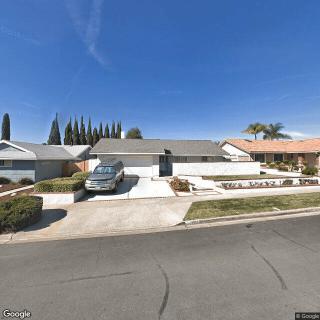



 Medications Associated with Dementia Risk: A Comprehensive Overview
 Guiding Your Journey: Understanding Power of Attorney for Elderly Parents
 22 Remarkable Caregiver Support Groups Available Online and In-Person