
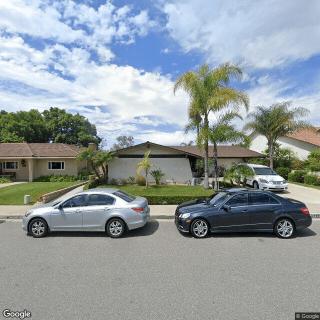
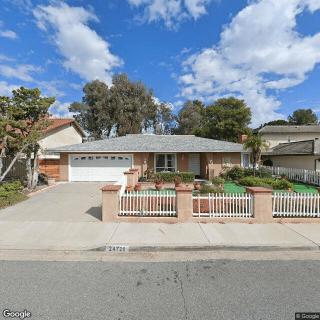
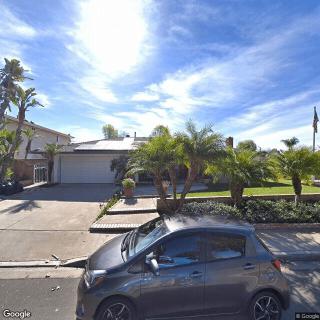
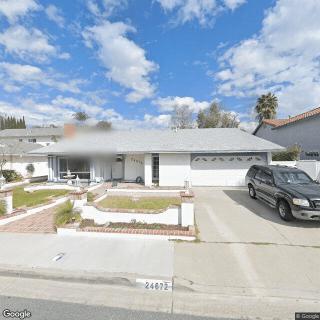
24741 Acropolis Drive, Lake Forest, CA 92630
For more information about senior living options: (866) 208-4318
Overall Review of Pacific Shores Of Mission Viejo
Pros
 The experience of transitioning a mother into a board-and-care facility is described as amazing and provides peace of mind that she is in good hands.
- Harbor Care Homes is highly recommended for a family member’s care, with Scott and Ryan actively involved and communicating in Spanish.
- There is no language barrier at Harbor Care Homes, as Scott, Ryan, and the care staff speak Spanish to accommodate residents.
- The care at Harbor Care Homes emphasizes cleanliness, feeding, grooming, medicine management, and responsiveness to calls.
- Reviewers are very happy with the care their mother receives and note the empathy shown to visiting family members.
- Harbor Care Homes is regarded as one of the nicest and cleanest board-and-care facilities the reviewer has seen, with Scott and Ryan frequently updating families.
Cons
 They note that their mother was not happy at all in a high-end, high-cost assisted living facility.
- They say that while that facility charged for special care, that care was hard to access.
- They point out that their mother has limited English, making it hard to find a facility that could accommodate her language needs as well as her special care needs.
Review
This community is best suited for families seeking intimate, dementia-friendly care in a small, hands-on setting where language access and personal attention are non-negotiable. The reviews describe a transition into a board-and-care environment that delivers peace of mind through close supervision and daily involvement from the owners. The key advantage here is direct, ongoing communication, the owners are actively engaged, and staff can accommodate residents who have limited English proficiency, particularly Spanish speakers. For families who want to see their loved one known by name, receive timely updates, and experience a high-touch approach to grooming, feeding, and medication management, this setting aligns with those priorities.
Alternatives become worth considering for seniors with different or higher-level needs. If a resident requires more formal nursing oversight, 24/7 skilled care, or a broader spectrum of on-site activities and amenities typical of larger campuses, a traditional assisted living or a bigger memory-care community may be a better fit. Similarly, families seeking a setting with a wider array of programs, more extensive rehab services, or English-only operations at scale might opt for an alternative that can promise a more expansive calendar and governance structure. In short, when high-acuity care or campus-scale resources are non-negotiable, this smaller option should be weighed against larger, more resource-rich options.
The strongest pros, uncompromising attentiveness, clean and well-maintained surroundings, and a communicative, involved leadership team, meaningfully offset the typical trade-offs of a smaller board-and-care. The reviews highlight consistent, empathetic care, readiness to address concerns, and transparent updates to family members. Cleanliness and meticulous attention to daily needs (feeding, grooming, medicine management) reinforce a sense of dignity and safety. Language-accessibility stands out as a decisive advantage, eliminating frustration and miscommunication that often arises when language barriers exist. When these factors matter most, dignity, safety, and clear family touchpoints, the positives not only offset potential constraints but often surpass expectations.
That said, families should actively verify a few practical details to ensure fit. Ask about staff-to-resident ratios, the breadth of memory-care protocols, and how medical coordination works on weekends or holidays. Inquire whether the environment can accommodate evolving needs, such as increased supervision or changes in medication regimens, without abrupt transitions. Evaluate the availability of diverse activities and social engagement within the home-like setting, and confirm how frequently families receive updates and how issues are escalated. The emphasis on cleanliness, responsive caregiving, and transparent communication in the reviews provides a solid benchmark, but concrete assurances on these operational aspects will determine long-term satisfaction.
Budget, location, and family involvement remain decisive in the decision. For families who prize peace of mind from visible, hands-on leadership, quick access to caregivers, and a setting that genuinely treats residents as individuals, this option offers compelling value. If cost overlays with expectations of a larger staff, broader programming, or a facility with more medical depth, it may be prudent to compare with alternatives that deliver those assets. In the end, the best match is a community where the resident’s daily experience mirrors the reviews’ core strengths: clean, caring, language-conscious care, and a level of family communication that turns concern into confidence.
 6 resident community capacity
 Assisted Living
 Board and Care Home
 Cable or satellite TV
 Dining room
 Fully furnished
 Garden
 Housekeeping services
 Move-in coordination
 Outdoor space
 Telephone
 Wi-Fi/high-speed internet available
 John Wayne Orange Co (12 miles away)
 24-hour supervision
 Activities of daily living assistance
 Assistance with bathing
 Assistance with dressing
 Assistance with transfers
 Diabetes diet
 Meal preparation and service
 Medication management
 Special dietary restrictions
 Transportation arrangement (medical)
 Transportation to doctors appointments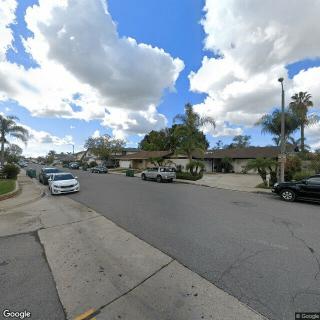


 Assisted Living Expenses and Long-Term Care Insurance: A Comprehensive Exploration
 Securing Financial Support for Assisted Living: A Comprehensive Overview
 Social Security Benefits and Assisted Living: Navigating Options Across the U.S.