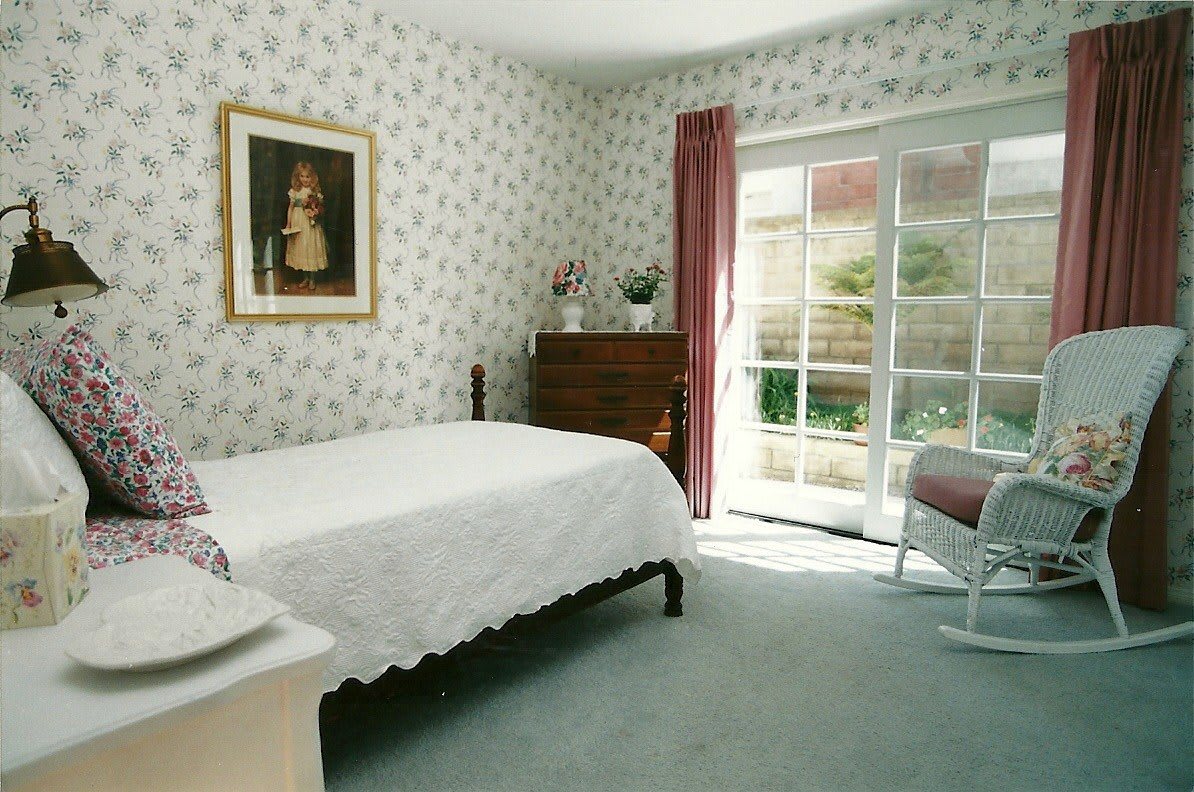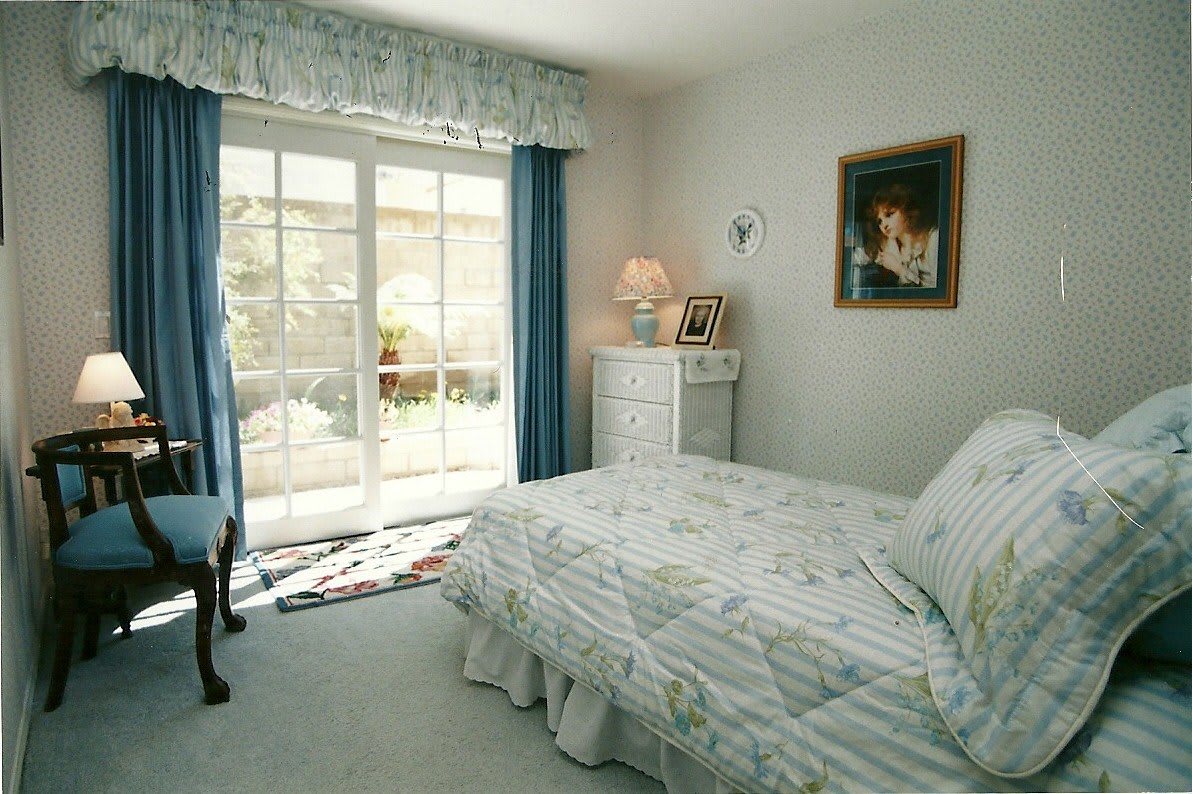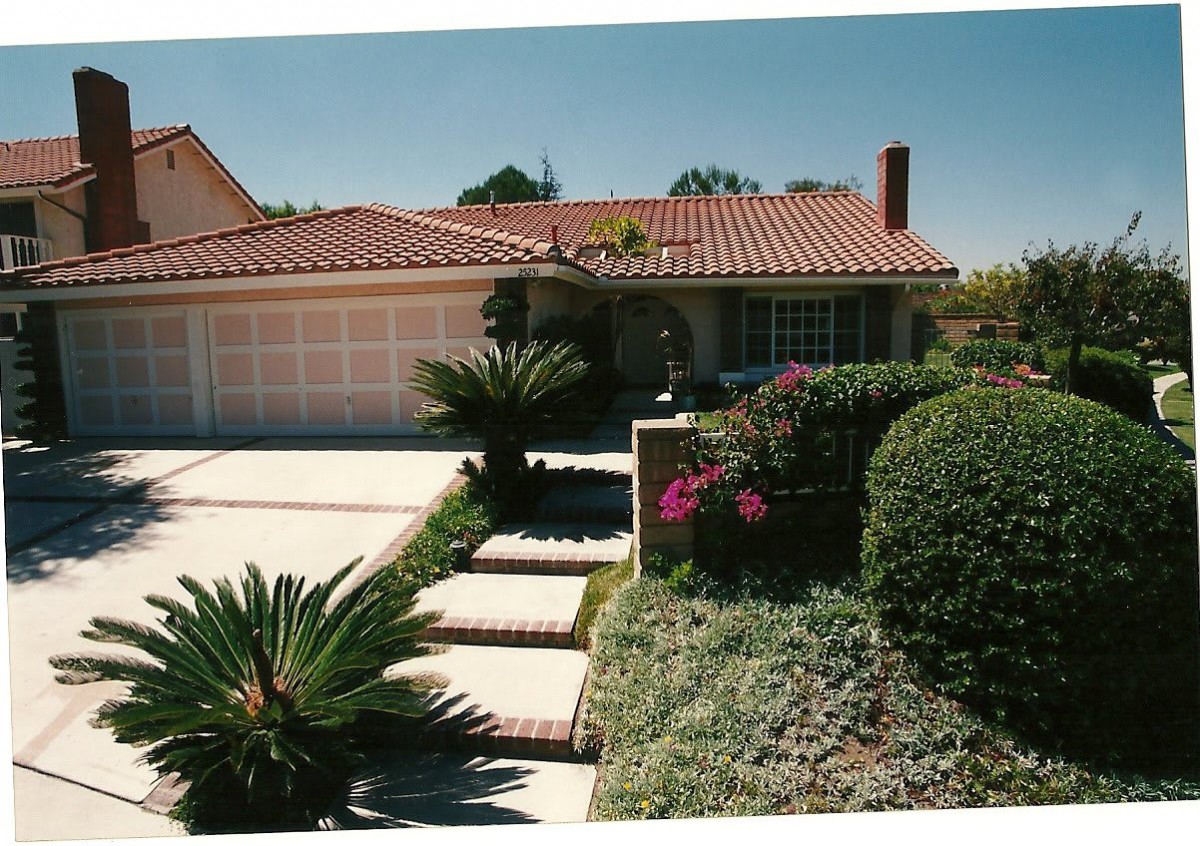
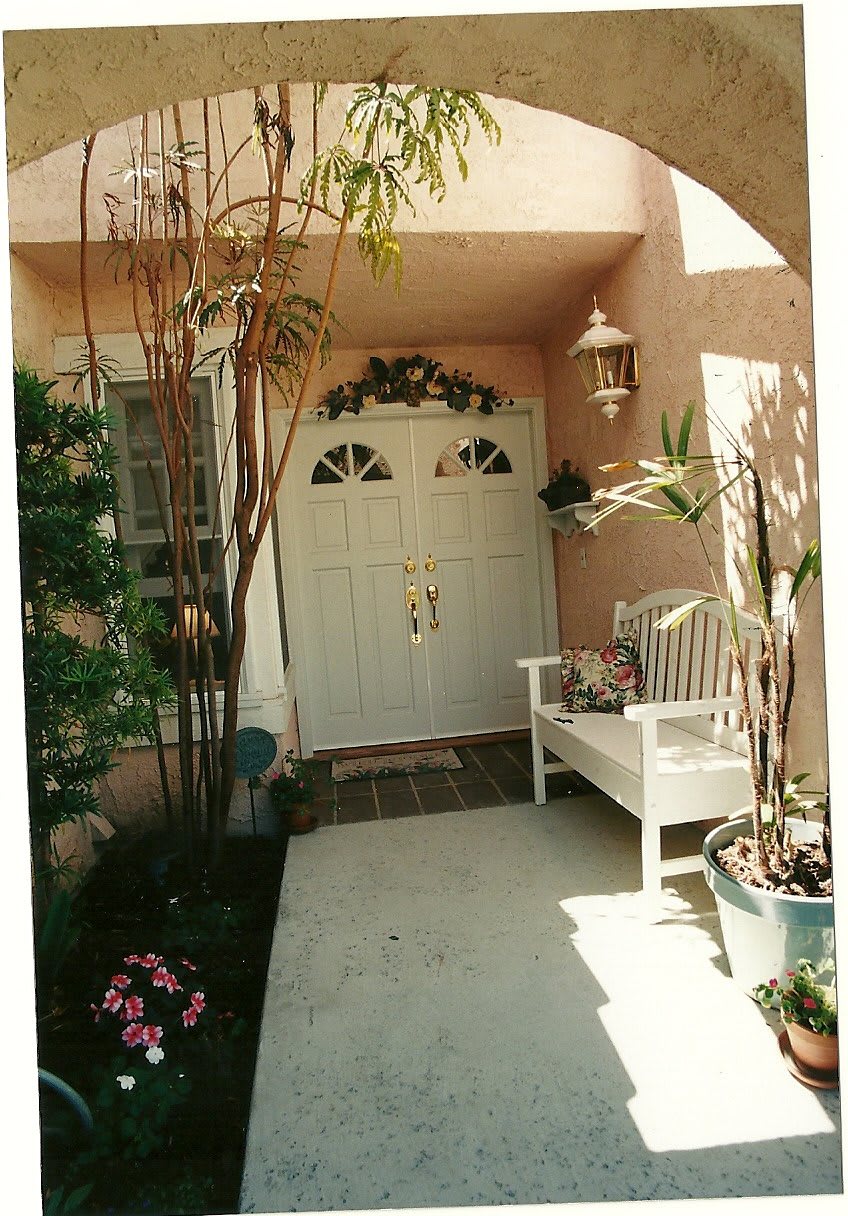
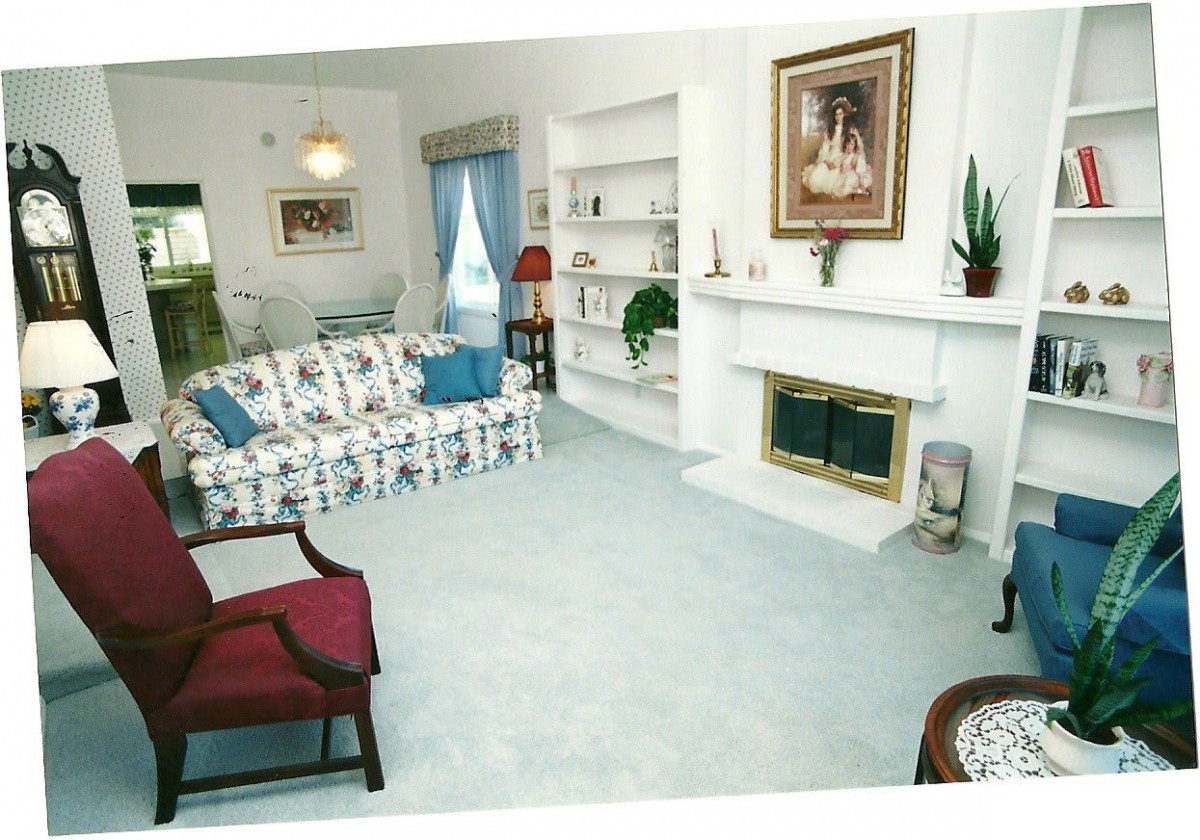
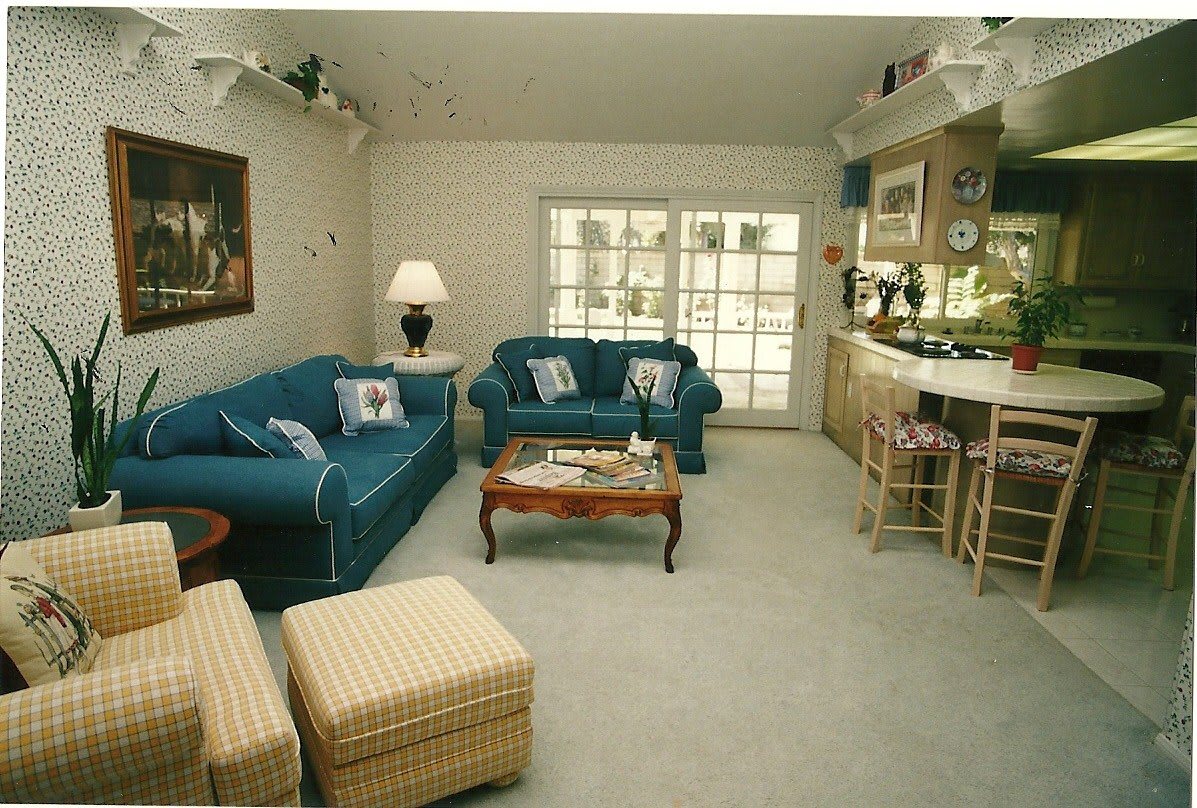
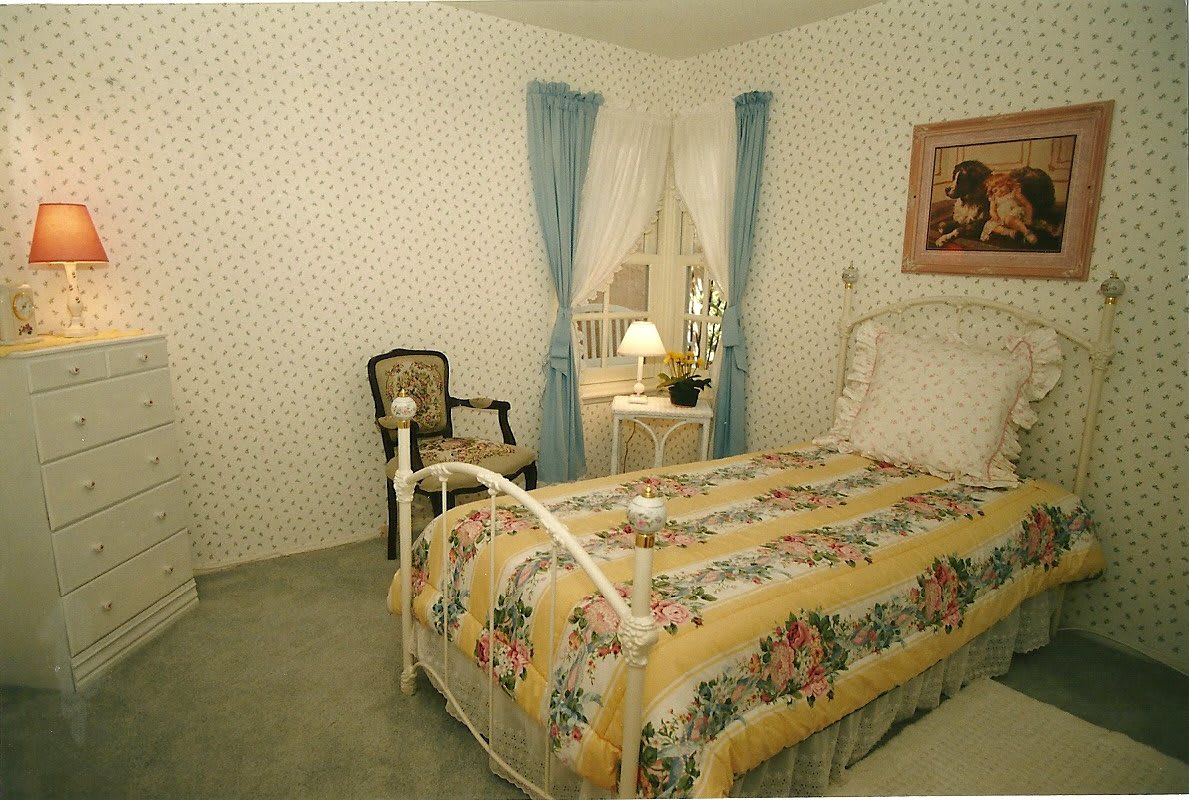
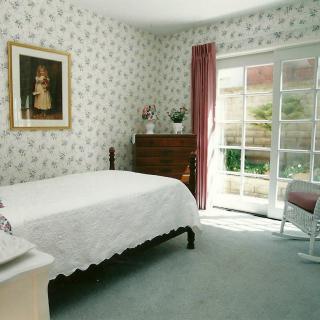
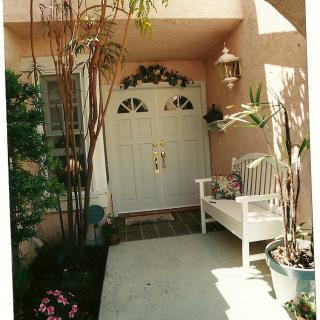
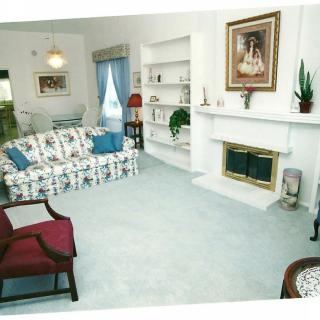
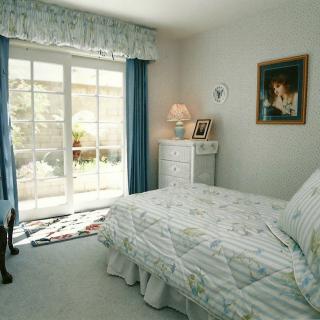
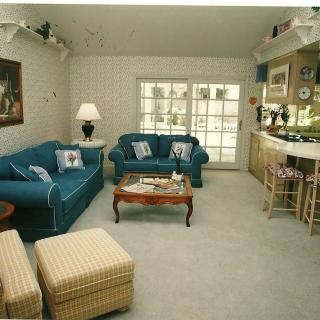
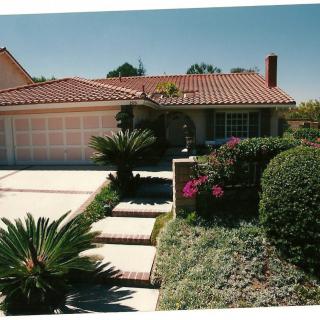
25231 Mammoth Circle, Lake Forest, CA 92630
For more information about senior living options: (866) 208-4318
Lake Forest Country Home 2 Costs & Pricing
Lake Forest Country Home 2 offers competitive pricing for its residential accommodations, particularly when compared to both Orange County and the broader California market. For semi-private rooms, residents at Lake Forest Country Home 2 pay $2,800 per month, which is significantly lower than the county average of $3,431 and the state average of $3,333. Similarly, for private rooms, the monthly cost is $4,200 - slightly higher than the county's average of $4,104 but still below California's statewide figure of $3,939. This cost structure positions Lake Forest Country Home 2 as an appealing option for those seeking affordable yet quality care within the region.
| Floor plans | Lake Forest Country Home 2 | Orange County | California |
|---|---|---|---|
| Semi-Private | $2,800 | $3,431 | $3,333 |
| Private | $4,200 | $4,104 | $3,939 |
Memory care communities with a similar price nearby
-
About the same
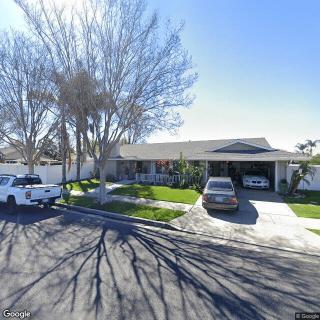
Candlewood Care Home III
$2,800 to $3,400 / month9.2 miles away -
About the same
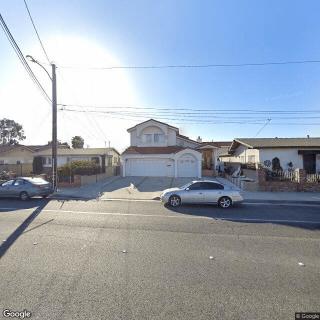
Leah Loving Elderly Care
$2,800 to $3,000 / month15.3 miles away -
from -$100 / mo
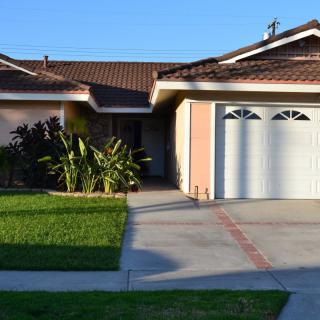
Loving Care Senior Home
$2,700 to $3,500 / month16.0 miles away -
from -$500 / mo
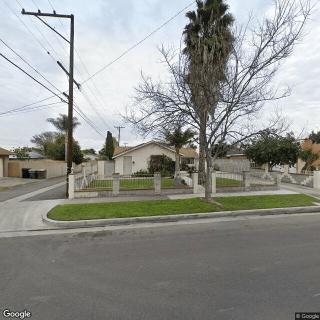
Bronwyn Residential Care
$2,300 to $3,500 / month21.0 miles away -
About the same
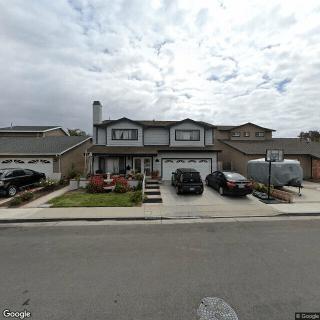
Alternative Senior Care - Freshwater
$2,850 to $3,250 / month18.9 miles away
Overall Review of Lake Forest Country Home 2
Pros
 The caregivers are wonderful.
- The facility is very clean and well maintained.
- The food is excellent—well prepared, fresh, and healthy.
- Caregivers are on top of the patients’ needs and respond promptly.
- The home provides reliable day-to-day care.
- Lake Forest Country Home is very much to their liking.
Cons
 They were very disappointed with the home, noting there were no activities for the elderly.
- There were not enough activities, with residents getting only TV time.
Review
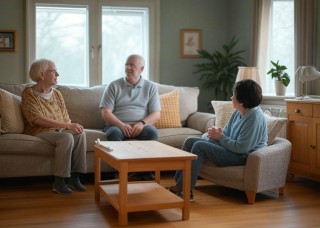
Lake Forest Country Home 2 is best suited for seniors who want dependable, hands-on daily care in a clean, safe, home-like setting and who value attentive caregivers over a packed activities calendar. The community shines for residents who like quiet routines, reading, puzzles, and gentle social moments, delivered in a calm, orderly environment. Families with loved ones who are content with daily caregiving support and tasty, well-prepared meals will find the core offering reassuring. For someone who doesn’t require extensive programming or stimulation beyond routine supervision, this setting can be an excellent fit.
However, those needing robust social engagement or structured activity programs should consider alternatives. The reviews reveal a persistent gap in meaningful activity options, with multiple voices noting “not enough activities,” and long periods dominated by television rather than organized events. For residents who rely on regular group activities, outings, or cognitive-stimulating programming to stay engaged, the pace and breadth here may feel limiting. Memory care, higher levels of activity supervision, or a more dynamic calendar will be essential criteria to reassess before committing.
The strongest positives lie with the caregiving team. The staff are described as wonderful, responsive, and consistently attentive to day-to-day needs, with cleanliness and food quality receiving frequent praise. This combination, staff warmth, prompt assistance, and a well-kept environment, directly supports safety, comfort, and dignity on a daily basis. When a resident requests assistance, the response is typically quick, and the overall standard of care remains reliably high. In practice, these operational strengths can compensate for a thinner activity slate, particularly for residents who prioritize stability and routine over novelty.
Yet the main drawbacks are tangible and repeated. The perceived scarcity of activities translates into limited opportunities for social interaction beyond incidental resident-to-resident contact. For families seeking a vibrant social life, clubs, off-site outings, or purposeful programming, especially for those with cognitive challenges or mobility limitations, the environment can feel isolating. The interaction among residents, already variable, may worsen if mobility or cognitive status reduces participation in available activities. This is not a facility built around high-energy engagement, but rather around steady care in a serene setting.
From a decision-making standpoint, the care quality and culinary offerings are meaningful advantages that can offset some of the activity-related concerns, but they do not erase them. Prospective families must weigh whether a quiet, well-maintained home with exceptional caregiving aligns with the senior’s personality and goals. If a loved one values social vitality and structured enrichment, alternatives with richer programming, and perhaps a memory-care focus, may deliver a more satisfying day-to-day experience. Pair the visit with a candid review of the current activity schedule, ask for sample weekly calendars, and speak directly with current residents about how engagement actually plays out.
Bottom line: Lake Forest Country Home 2 delivers dependable daily care, excellent meals, and a clean, safe setting, making it a solid choice for residents who prize reliability and intimacy over a robust activity lineup. It is less suited for seniors who require or crave constant social programming, diversified activities, and frequent excursions. Families should walk in with a clear plan for how the resident’s social needs will be met, either by the community’s offerings or through structured outside activities, and should use visits to verify that the day-to-day rhythm aligns with expectations. If those checks align, this community stands up to its core promises; if not, exploration of alternatives with richer engagement may be warranted.
 6 resident community capacity
 Assisted Living
 Board and Care Home
 Memory Care
 Respite Care
 Cats allowed
 Dogs allowed
 Activities off-site
 Beautician on-site
 Cable or satellite TV
 Dining room
 Fully furnished
 Garden
 Housekeeping services
 Indoor common areas
 Move-in coordination
 Outdoor common areas
 Private
 Telephone
 Wheelchair accessible showers
 Wi-Fi/high-speed internet available
 John Wayne Orange Co (10 miles away)
 24-hour supervision
 Assistance with bathing
 Assistance with dressing
 Assistance with transfers
 Diabetes diet
 Diabetic care
 High acuity care
 Incontinence care
 Meal preparation and service
 Medication management
 Special dietary restrictions
 Transportation arrangement (medical)
 Transportation to doctors appointments


 Understanding the Distinctions: Assisted Living and Memory Care Explained
 How to Communicate with a Loved One Living with Dementia: 10 Supportive Strategies
 Comprehensive Guide to VA Nursing Homes: A Crucial Long-Term Care Resource for Veterans