

20975 Mariposa Road, Lake Elsinore, CA 92530
For more information about senior living options: (866) 208-4318
Heritage Residential Care Costs & Pricing
Heritage Residential Care offers competitive pricing when compared to both Riverside County and the broader California market. For a semi-private room, residents can expect a monthly fee of $2,000, which is significantly lower than the Riverside County average of $2,844 and the state average of $3,333. Similarly, for a one-bedroom suite, Heritage charges $2,800, again undercutting Riverside's average of $3,611 and California's state figure of $4,340. The pricing remains consistent across private accommodations as well; at Heritage Residential Care, the cost for a private room is also set at $2,800 - less than both the county's rate of $3,474 and the state's average of $3,939. Overall, Heritage Residential Care presents an appealing option for those seeking quality care at more affordable rates within the region.
| Floor plans | Heritage Residential Care | Riverside County | California |
|---|---|---|---|
| Semi-Private | $2,000 | $2,844 | $3,333 |
| 1 Bedroom | $2,800 | $3,611 | $4,340 |
| Private | $2,800 | $3,474 | $3,939 |
Memory care communities with a similar price nearby
-
from +$200 / mo
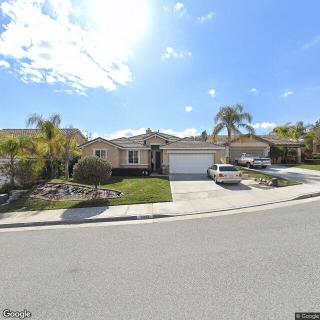
Diamond Residential Care Facility for the Elderly of Murrieta
$2,200 to $3,500 / month11.0 miles away -
About the same
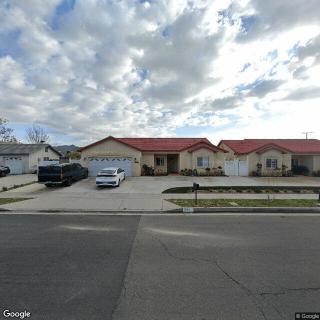
Vandelon 3
$2,000 to $3,000 / month20.2 miles away -
About the same
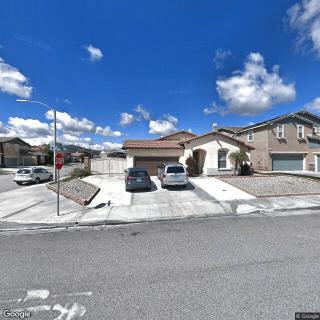
Spring Brook Home Care
$2,000 to $2,800 / month7.7 miles away -
from +$395 / mo

Atria Del Sol
$2,395 to $6,995 / month20.7 miles away -
from +$200 / mo

Serene Valley Care Home
$2,200 to $2,800 / month23.8 miles away
Overall Review of Heritage Residential Care
Pros
 Heritage Residential Care was very good.
- It would have been a great place for the parents as well.
Review
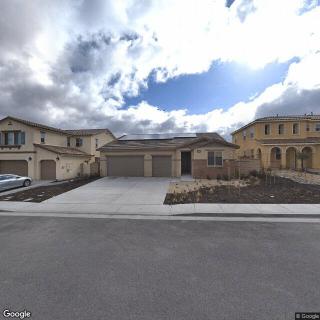
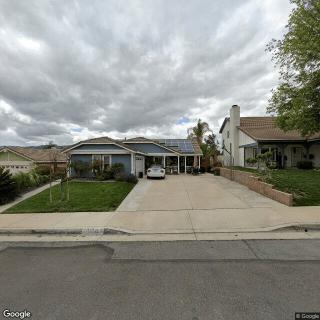
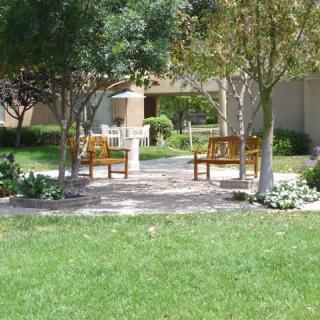
Heritage Residential Care in Lake Elsinore is best suited for seniors who flourish in a small, home-like setting where staff can deliver highly personalized attention and residents can enjoy a calm, non-institutional atmosphere. The model appeals to families who value close-knit daily interactions, predictable routines, and the sense that a house becomes a true home rather than a clinical facility. Those who want meaningful one-to-one engagement, easier social integration among a limited number of residents, and a setting that supports family visits without the bustle of larger communities will find this option compelling. It is particularly appealing for elders who prefer privacy, individualized care plans, and a quieter pace over the buzz of expansive senior living campuses.
Yet proximity to family matters. For households where daily visits, quick errand runs, or urgent coordination with caregivers are essential, alternatives closer to the home base deserve serious consideration. The impression from a recent tour is that Heritage is a strong, well-run operation, so strong that distance alone tipped the decision toward another location. That said, if in-person presence is planned to be frequent, the travel burden can erode the advantages of a superior care environment.
The strong points are evident in the observed warmth of the environment and the impression of competent, attentive care. The reviewer’s note that Heritage Residential Care would have been a great place for their parents signals solid live-in support, staff engagement, and a homelike daily rhythm that emphasizes safety and comfort. When family members are looking for a setting where staff know residents well and can tailor routines to preferences, those positives matter more than most amenities found in larger communities. The trade-off, however, centers on geographic convenience, the critical factor that can either validate or overshadow high-quality care.
Operationally, a small residential setting tends to offer higher staff-to-resident familiarity, more flexible scheduling, and a stronger sense of belonging. Yet unanswered questions remain about specifics such as staffing ratios during peak hours, the scope of on-site medical support, and how transitions between activities are coordinated. Potential residents should seek clarity on how meals, medication management, and daily activities are structured, and whether transportation, emergency backup, and accessibility features align with current needs. Without these details, the upside of a home-like atmosphere risks being undercut by gaps in practical support.
From a decision-making standpoint, Heritage should be weighed against alternatives on three axes: location and visit frequency, care intensity and flexibility, and the atmosphere that residents experience day to day. Families should verify the ease of commuting, the reliability of transportation for appointments, and the ability to coordinate care plans with outside providers. Prospective residents should also probe how life is organized, are there meaningful activities, social opportunities, and outlets for independence within a small community? These checks will reveal whether the intangible benefits of a home setting align with concrete needs.
In sum, Heritage Residential Care stands as a compelling option for seniors who prioritize a warm, intimate environment and are comfortable with a longer drive to see loved ones. The strong impression of quality care and homelike comfort supports a decision in favor of Heritage for households where proximity is negotiable. For families where constant, easy access is non-negotiable or where specialized medical or memory-care services must be on-site, exploring closer or larger facilities will likely pay off. The right choice balances personal connection, daily quality of life, and logistical practicality, and Heritage delivers on the former with credibility and poise.
 6 resident community capacity
 Assisted Living
 Board and Care Home
 Memory Care
 Respite Care
 Cats allowed
 Dogs allowed
 Cable or satellite TV
 Dining room
 Fully furnished
 Garden
 Housekeeping services
 Move-in coordination
 Outdoor space
 Private
 Telephone
 Wi-Fi/high-speed internet available
 24-hour supervision
 Activities of daily living assistance
 Assistance with bathing
 Assistance with dressing
 Assistance with transfers
 Diabetes diet
 Diabetic care
 Incontinence care
 Meal preparation and service
 Medication management
 Special dietary restrictions
 Transportation arrangement (medical)
 Transportation to doctors appointments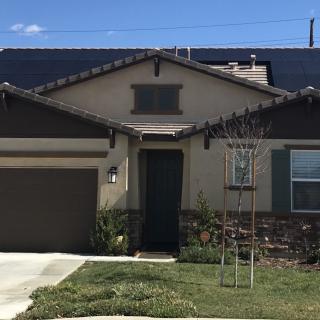



 Understanding Medicaid Coverage for Assisted Living: A Comprehensive Guide
 How and When Medicaid May Cover Assisted Living Costs
 A Detailed Exploration of Assisted Living Medicaid Waivers Across the United States