
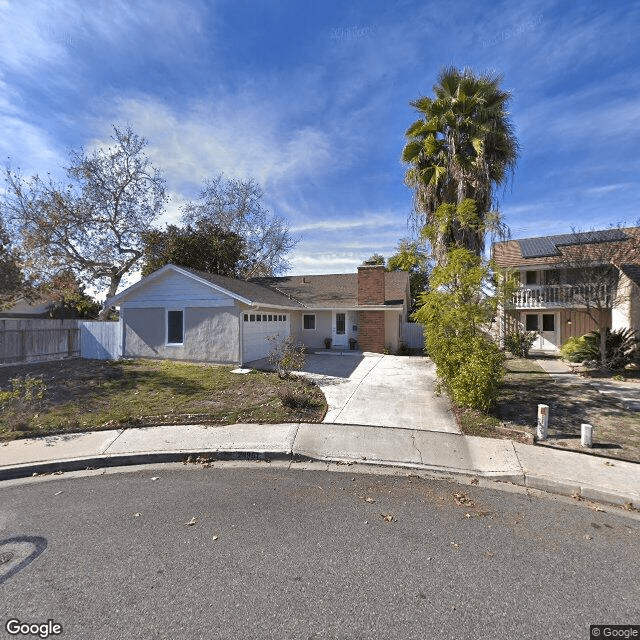
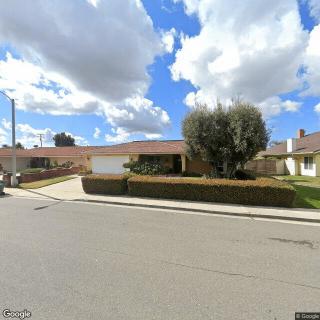
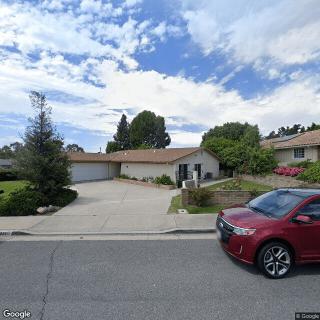
24951 Overland Dr, Laguna Hills, CA 92653
To contact a resident: (949) 855-4616
For more information about senior living options: (866) 208-4318
RRC Manor Costs & Pricing
RRC Manor offers competitive pricing for its accommodations, particularly when compared to the broader market in Orange County and the state of California. For a semi-private room at RRC Manor, residents pay $2,000 per month, significantly lower than the county average of $3,431 and the statewide average of $3,333. Similarly, the cost for a private room is set at $3,000 per month, which is more affordable than both Orange County's average of $4,104 and California's average of $3,939. This pricing structure positions RRC Manor as an advantageous option for those seeking quality care without the burden of excessive costs.
| Floor plans | RRC Manor | Orange County | California |
|---|---|---|---|
| Semi-Private | $2,000 | $3,431 | $3,333 |
| Private | $3,000 | $4,104 | $3,939 |
Senior living communities with a similar price nearby
-
About the same
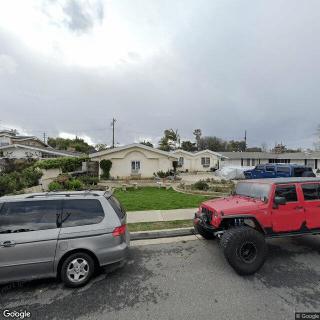
John Villa's Home Care
$2,000 to $3,000 / month13.5 miles away -
from -$200 / mo
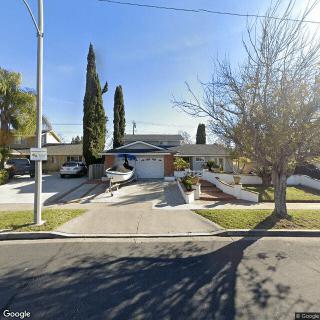
Paradise Residential Senior Care 2
$1,800 / month0.8 miles away -
About the same

Tuscany Senior Living
$2,000 to $2,500 / month2.6 miles away -
About the same
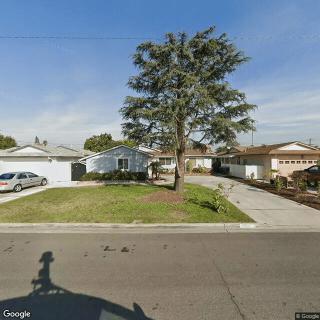
Angel's Care Guest Home
$2,000 to $3,000 / month19.5 miles away -
About the same
Tess Loving Home
$2,000 to $2,500 / month19.2 miles away
Overall Review of RRC Manor
Pros
 The New Home Senior assisted care facility has been caring for an elderly father for over four years.
- The staff, past and present, has been great.
- The staff is gentle and kind.
- The reviewer would recommend their services to those who seek assisted care for their loved ones.
Cons
 None found.
Review
RRC Manor in Laguna Hills is best suited for seniors who prioritize steady, compassionate assisted living delivered by a stable, attentive care team. The community appears to excel where personal warmth and continuity matter most: residents benefit from caregivers who are gentle, patient, and consistently involved in daily routines over time. For families seeking a calm, home-like setting where staff form relationships with residents and families alike, this is a strong match. Long-tenured caregivers, evidenced by care teams that remain with residents for years, translate into predictable daily life and a sense of security that matters when navigating aging at home-level independence.
Those with more demanding medical needs or a desire for highly specialized programming should carefully consider alternatives. The reviews imply that this is not a facility marketed as an advanced clinical center or a memory-care-focused setting. For families requiring around-the-clock nursing oversight, robust physician access, or highly structured, intensive activity schedules, other communities with dedicated memory-care wings or larger clinical staffs may better fit expectations. In short, RRC Manor delivers reliable assisted living with a clear emphasis on kindness and stability, but it may not satisfy every level of medical acuity or program intensity.
The strongest positives center on the caregiving culture. Staff are described as gentle and kind, with a long track record of caring for residents, including families who entrust the facility for several years. This translates into sustained, low-stress daily living, where familiar faces greet residents, routines feel predictable, and communication with caregivers remains open. For families, that kind of environment reduces upheaval, eases decision-making, and fosters trust that a loved one is treated with respect and patience, an intangible but vital form of reassurance when selecting an assisted living partner.
However, the mixed 3-star reviews cannot be dismissed. They signal that experiences may vary and that certain days or aspects of the service may fall short of the highest expectations. Without explicit, resident-level issues detailed in the available feedback, it is prudent to anticipate potential variability in day-to-day responsiveness, activity variety, or perceived attentiveness. This is not a red flag so much as a reminder that a smaller, intimate setting sometimes delivers exceptional warmth but may lag behind larger communities on breadth of programming or clinical resources. Families should probe during tours about how staff coverage looks across shifts, how requests are prioritized, and what daily activities actually feel like for residents.
The offset between pros and cons rests on the value placed in relationships and stability. For families who prize continuity of care and a familiar, home-like rhythm, the positive attributes, gentle care, long-term staff connections, and a proven track record of hands-on attention, often outweigh the potential limitations in clinical depth or programming breadth. The long-term presence of caregivers reduces the friction of transitions, and the perceived kindness of staff translates into a more relaxed, less anxious living environment for residents. In this light, the 4/5 overall rating reflects a solid, dependable choice for the right priorities, even if it isnā€™t the loudest or flashiest option on the market.
In practical terms, families evaluating RRC Manor should come away with a clear decision framework. This community is an excellent fit for seniors who want dependable, personable care and a steady daily routine, with the reassurance that caregivers know them well and will remain involved over years. Those who need highly medicalized services, frequent on-site specialists, or a high-energy, activity-forward environment should consider alternatives and compare memory-care capabilities, nurse coverage, and programmatic depth. Prospective residents should tour with an eye for caregiver-to-resident ratios, consistency of staff on different shifts, and the degree of personalized attention afforded to daily activities and meals. Above all, ask about how the facility handles emergencies, medication management, and how they tailor plans as needs evolve; these questions will reveal whether the warmth translates into sustained practical support over time.
 Board and Care Home
 Private
 John Wayne Orange Co (12 miles away)
 Navigating the Tax Landscape of Caregiving: Credits, Deductions, and Beyond
 Highly Beneficial Low-Impact Exercises for Senior Living Residents
 Is In-Home Healthcare Tax Deductible? Your Comprehensive Guide