

1503 Huston Road, Lafayette, CA 94549
For more information about senior living options: (866) 208-4318
Huston Care Home Costs & Pricing
At Huston Care Home, the pricing structure reflects a commitment to quality care and accommodations that cater to individual needs. For a semi-private room, residents can expect to pay $4,000 per month, which is notably higher than the county average of $3,471 and the state average of $3,333. In contrast, the cost for a private room at Huston Care Home stands at $4,500 - slightly above Contra Costa County's average of $4,088 and California's overall average of $3,939. This premium pricing indicates an investment in enhanced living conditions and services that prioritize resident well-being within a nurturing environment.
| Floor plans | Huston Care Home | Contra Costa County | California |
|---|---|---|---|
| Semi-Private | $4,000 | $3,471 | $3,333 |
| Private | $4,500 | $4,088 | $3,939 |
Assisted Living communities with a similar price nearby
-
About the same
Golden Age Of Channing Way
$4,000 to $5,000 / month14.9 miles away -
from +$500 / mo
Pleasanton Senior Care Villa
$4,500 / month20.6 miles away -
from -$600 / mo

An Oak Grove Manor
$3,400 to $3,800 / month4.4 miles away -
from -$500 / mo
Blossom Garden Senior Home
$3,500 to $4,800 / month16.7 miles away -
from +$600 / mo
Milan Villa Senior Living
$4,600 to $9,200 / month24.1 miles away
Overall Review of Huston Care Home
Pros
 The caregivers were pretty good to mom and were compassionate when she passed.
- The hospice company extended condolences with a card and a phone call, showing thoughtful support.
- The facility is nice, clean, and has a fresh smell.
- The owner is an RN, and the staff includes a social worker; they are very charming and smart.
- This family business owns three locations, and this one is the nicest by far and the closest facility.
- The caregivers seemed to be very sweet, caring, and attentive.
Cons
 There was absolutely zero response from the management of Hidden Valley.
- It took almost three months and several phone calls to receive the check they owed.
- The owner and staff have accents that would make it difficult for the mother to comprehend words, given her hearing and cognitive language difficulties.
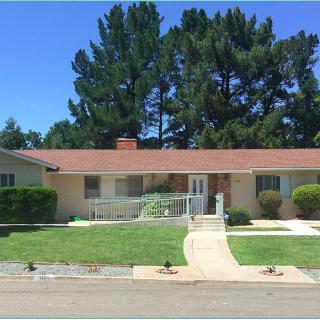
- The slanted driveway would make it difficult to pick up and drop off the mother with a walker.
- There is no bedroom with private en suite bath available at this time.
- A master bedroom with bath is currently occupied.
Review
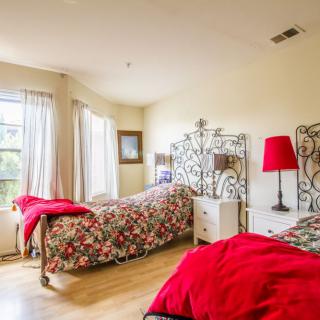
Huston Care Home in Lafayette, CA is best suited for families seeking an intimate, family-owned setting where residents are known by name and staff become part of the routine. This community functions more like a small, homelike house than a large campus, with an RN owner and a social worker on staff. The combination often translates into a level of clinical familiarity that can feel reassuring for seniors who do not want to be treated as a generic resident. Cleanliness and a comfortable, lived-in atmosphere are frequently highlighted, and the on-site pairing of care with meals managed by a married couple who are present around the clock makes the daily rhythm predictable and approachable. For families nearby, the proximity and the sense of continuity across the owner’s three locations add a practical edge, offering reassurance that the operation is stable and personally guided.
Caregivers have shown themselves capable and compassionate, particularly in the final chapters of a loved one’s life. The accounts of thoughtful bedside attentiveness and genuine condolence, including outreach from the hospice team, underscore a level of human warmth that can be decisive for those who fear impersonal care settings. When a resident passes, the staff’s demeanor and the family’s experience with bereavement support can matter as much as daily routines. This is not merely about keeping someone comfortable; it is about feeling that the people who know the resident best hold the family in regard during a difficult transition. That thread of personal connection is a clear strength for Huston Care Home.
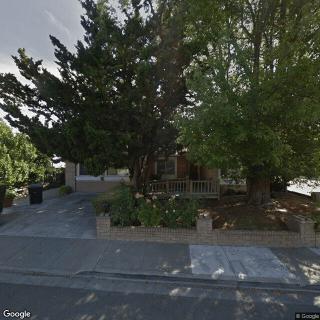
Nevertheless, several practical drawbacks impact whether this is the right choice for every senior. The physical layout presents real challenges for mobility and transfers: a sloped driveway and rural-front access can complicate drop-offs and pickups for walkers, and while a ramp exists, it does not fully eliminate accessibility frictions. Private en suite rooms are not readily available, with the most private arrangements described as limited or occupied. Language and communication can also be a concern, as the owner and some staff have accents that may hinder immediate comprehension for residents with hearing issues or cognitive language difficulties. These factors can erode daily comfort for some residents who rely on clear, effortless communication and fully private accommodations.
Another practical headwind concerns management responsiveness and administrative follow-through. One family detail involved a delayed payment with multiple calls to obtain a check, illustrating a pattern that could unsettle families seeking predictable, transparent operations. The disconnect between frontline warmth and back-office efficiency matters, especially for families navigating finances, billing, and scheduling. While the facility’s strengths, personalized care, experienced leadership, and a homelike environment, are compelling, these management gaps can temper confidence, especially for those accounting for long-term placement and continuity of care.
Given these trade-offs, Huston Care Home is a compelling option for certain residents and families while clearly less suitable for others. It works well for seniors who prioritize a nearby, close-knit setting where care feels personalized, where the owner’s nursing background and a social worker on staff translate into attentiveness and clinical grounding, and where daily life is manageable within the home-like footprint. It is less ideal for seniors who require robust, on-demand medical oversight, ongoing private en suite bathrooms, or seamless accessibility for mobility aids and transfers. Those who depend on consistent administrative reliability will want a more transparent and streamlined back office before committing.
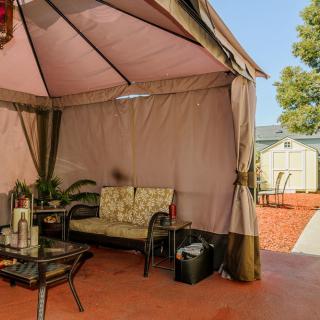
The practical takeaway is clear. For families valuing warmth, a hands-on approach, and a tight-knit team that genuinely engages with residents and their families, Huston Care Home delivers beyond many peers. For households where private space, easy accessibility, or guaranteed administrative responsiveness are nonnegotiable, it is prudent to explore alternatives, larger assisted living communities, or smaller homes with stronger billing processes and more readily available private rooms. Prospective residents should verify current private-room availability, request a concrete plan for accessibility, assess whether language supports are available or whether staff can accommodate preferred communication styles, and confirm the on-site presence of the owner as a point of accountability. A campus tour should include a test of the driveway and ramp, a look at the yard and common areas, a candid conversation with the caregiver team, and a direct update from the administrator on billing timelines and response expectations. This due diligence will reveal whether Huston Care Home’s strengths align with the resident’s needs or whether a shift to a different setting would better serve long-term well-being.
 6 resident community capacity
 Assisted Living
 Board and Care Home
 Respite Care
 Cats allowed
 Dogs allowed
 Activities off-site
 Air-conditioning
 Bath tubs
 Beautician on-site
 Cable or satellite TV
 Devotional services off-site
 Dining room
 Fireplaces
 Fully furnished
 Garden
 Handicap accessible
 Housekeeping services
 Indoor common areas
 Move-in coordination
 Outdoor common areas
 Private
 Private bathrooms
 Swimming pool / hot tub
 Telephone
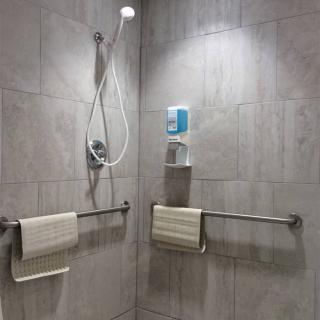
 Wheelchair accessible showers
 Wi-Fi/high-speed internet available
 Metropolitan Oakland International (16 miles away)
 24-hour supervision
 Ambulatory care
 Assistance with bathing
 Assistance with dressing
 Assistance with transfers
 Diabetes diet
 Diabetic care
 High acuity care
 Incontinence care
 Meal preparation and service
 Medication management
 Special dietary restrictions
 Transportation arrangement (medical)
 Transportation to doctors appointments
 Art classes
 Catholic services
 Cooking classes
 Day trips and outings
 Jewish services
 Live well programs
 Wine tasting



 Choosing the Right Senior Care: A Detailed Exploration of Assisted Living and Nursing Homes
 Understanding the True Cost of Assisted Living in 2025: A Comprehensive Guide
 Understanding Medicaid Coverage for Assisted Living: A Comprehensive Guide